
Don’t Plant These Together! The Worst Plant Pairings for Your Garden
Many gardeners make the mistake of planting incompatible plants together, which can lead to poor growth and even the demise of your garden. You need to be aware of toxic pairings that inhibit nutrient uptake or attract pests. For example, planting tomatoes near potatoes can lead to increased risk of disease, while beans and onions can stunt each other’s growth. In this post, you’ll learn about the worst combinations to avoid so you can cultivate a thriving garden!
The Science of Plant Compatibility
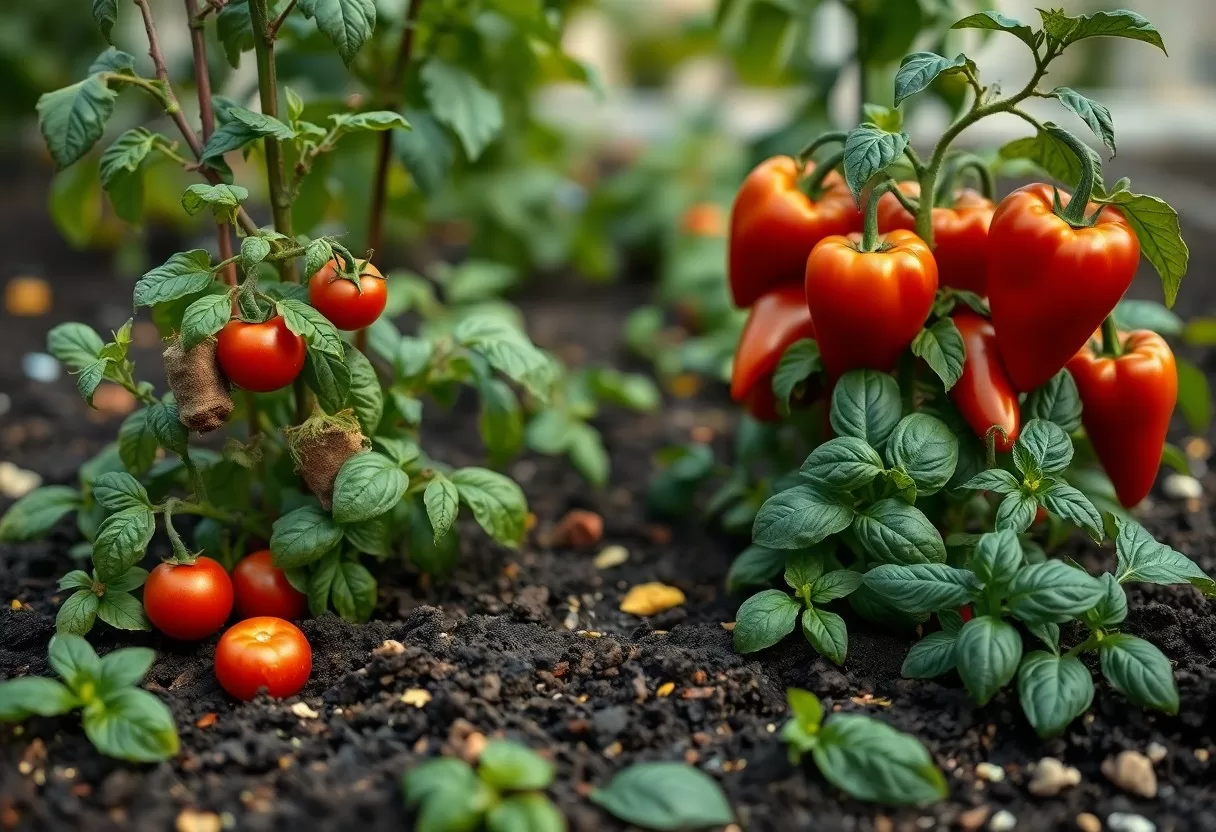
Your garden’s success often hinges on the complex relationships between different plants. These interactions can determine how well your garden flourishes, with compatible plant pairings leading to improved growth and resilience, while incompatible ones can stifle development or even cause plants to fail. Understanding the scientific principles governing these relationships opens up a world of possibilities for creating a thriving garden ecosystem.
The Role of Nutrient Competition
Nutrient competition plays a significant role in plant compatibility. Different plants have varying demands for necessary nutrients such as nitrogen, phosphorus, and potassium. For example, legumes fix nitrogen in the soil, benefiting neighboring plants, while heavy feeders like corn can deplete soil nutrients quickly, potentially stunting the growth of companion plants. Positioning plants with complementary nutritional needs together can foster balanced growth and improve overall garden productivity.
Allelopathy: Nature’s Secret Weapon
Allelopathy refers to a chemical phenomenon where one plant releases compounds that can inhibit the growth of neighboring plants. This natural trait can lead to profound imbalances in your garden. For instance, black walnut trees emit juglone, which can be toxic to many vegetables and flowers, hindering their growth. You can use allelopathic plants to your advantage by locating them strategically to suppress weeds or protect certain crops while avoiding pairings that could be detrimental.
Many native plants have developed allelopathic properties to compete effectively for resources. For example, marigolds release a compound called *alpha-terthienyl*, which deters nematodes and can protect nearby crops like tomatoes. Conversely, planting tomatoes alongside certain herbs or other vegetables might result in growth inhibition due to their competitive chemical outputs. By considering these natural defenses and competitive behaviors, you can craft a garden layout that maximizes harmony and minimizes conflict among your chosen plants.
The Most Detrimental Duo: Tomatoes and Potatoes
Combining tomatoes and potatoes in your garden is a recipe for disaster. These two beloved crops belong to the same family, Solanaceae, and share many growing requirements. However, their similarities extend beyond care; they can also lead to immense problems, making them one of the worst plant pairings you can make. Keeping them apart will increase your chances for success and prevent a host of issues that could otherwise affect your garden’s health.
Shared Diseases and Pest Vulnerability
Both tomatoes and potatoes are susceptible to the same pests and diseases, such as late blight and flea beetles. When planted together, these plants create an ideal environment for pests and pathogens to spread rapidly. For example, the incidence of late blight can increase dramatically due to the close proximity of these two crops, putting your entire harvest at risk.
Nutrient Depletion Dynamics
Tomatoes and potatoes have similar nutrient requirements, competing for important elements like nitrogen and potassium. This competition can lead to nutrient depletion in the soil, resulting in subpar growth and diminished yields. When these plants vie for the same resources in a confined space, the soil can quickly become exhausted, jeopardizing the health of both crops.
The competition for nutrients between tomatoes and potatoes can manifest in stunted growth and poor fruit production. For instance, fields where both crops thrive together often exhibit yellowing leaves and reduced foliage. This depletion could require additional fertilizers to compensate, which isn’t just costly but can also harm the soil’s long-term health. Establishing spatial separation between these plants ensures that each has access to adequate nutrients, improving the vitality of your garden overall.
The Banishment of Beans and Onions
Combining beans and onions in your garden is a decision you’ll want to avoid. While both are staples in various cuisines, their companionship can impede your plants’ growth. Onions produce compounds that are incredibly harmful to beans, ultimately leading to stunted growth and diminished harvests. Manually separating them in your garden isn’t a foolproof solution, as even the soil can retain these harmful properties, creating a hostile environment for your beans.
Chemical Sensitivity in Plant Interactions
Beans and onions exhibit chemical sensitivity that adversely affects each other. Onions release sulfur compounds that can inhibit the growth of beans, leading to a poor yield. In contrast, the growth hormones present in beans can struggle to flourish in the toxic environment created by their onion counterparts. This chemical warfare harms both plants’ vitality, illustrating the importance of mindful plant pairings in your garden.
Impact on Growth and Flavor
The clash of beans and onions extends beyond mere survival to directly influence growth and flavor. Beans often lack vigor when grown near onions, leading to smaller plants and reduced harvests. Additionally, if beans do manage to grow alongside onions, their flavor profiles can suffer, resulting in bland, less desirable crops. For a garden bursting with flavor and vitality, it’s best to choose compatible companions.
The flavor impact is particularly noteworthy, as beans cultivated in proximity to onions can develop an undesirably sharp or bitter taste, tainting your dishes. For home cooks who pride themselves on quality harvests, this can be a significant disappointment. Ensuring that beans thrive in an optimal environment fosters their rich, earthy flavor, while onions can shine in their own space, both plants performing better without the interference of their incompatible neighbor. Making informed decisions about plant pairings helps nurture a garden that’s not only productive but also brimming with exceptional taste.
The Risky Pairing of Cabbage and Strawberries
Planting cabbage and strawberries together can lead to significant challenges in your garden. These two crops compete for nutrients and space, which can stunt the growth of both. Moreover, cabbages can attract pests that are detrimental to strawberries, creating an uphill battle for your berries to thrive. This pairing can deplete your soil and ultimately diminish your harvests.
Soil Health and Nutrient Imbalances
Cabbage requires nitrogen-rich soil, while strawberries prefer well-drained, slightly acidic conditions. Planting these two crops together can lead to nutrient imbalances, as the cabbage can sap the crucial nutrients required for strawberries to flourish. Over time, this imbalance can result in diminished soil health, stunting the growth of both plants.
Altered Pest Attraction Dynamics
The presence of cabbage in your garden can attract certain pests, like cabbage worms and aphids, that make a beeline for your strawberries as well. This change in pest dynamics can lead to pest populations that are difficult to control. Consequently, you might find yourself battling infestations that compromise the integrity and yield of your strawberry plants.
When you plant cabbage alongside strawberries, the altered environment can exacerbate pest issues. For instance, aphids drawn by cabbage will not only target the cabbage leaves but can also infest strawberries, leading to diseases such as powdery mildew. With an uptick in pests competing for the same food source, your efforts to control them can turn into a daunting task, impacting your garden’s health and productivity. Over time, you may find that strawberries are less flavorful or productive due to constant stress from pests, reinforcing the importance of avoiding this risky pairing.
Proven Strategies for Companion Planting
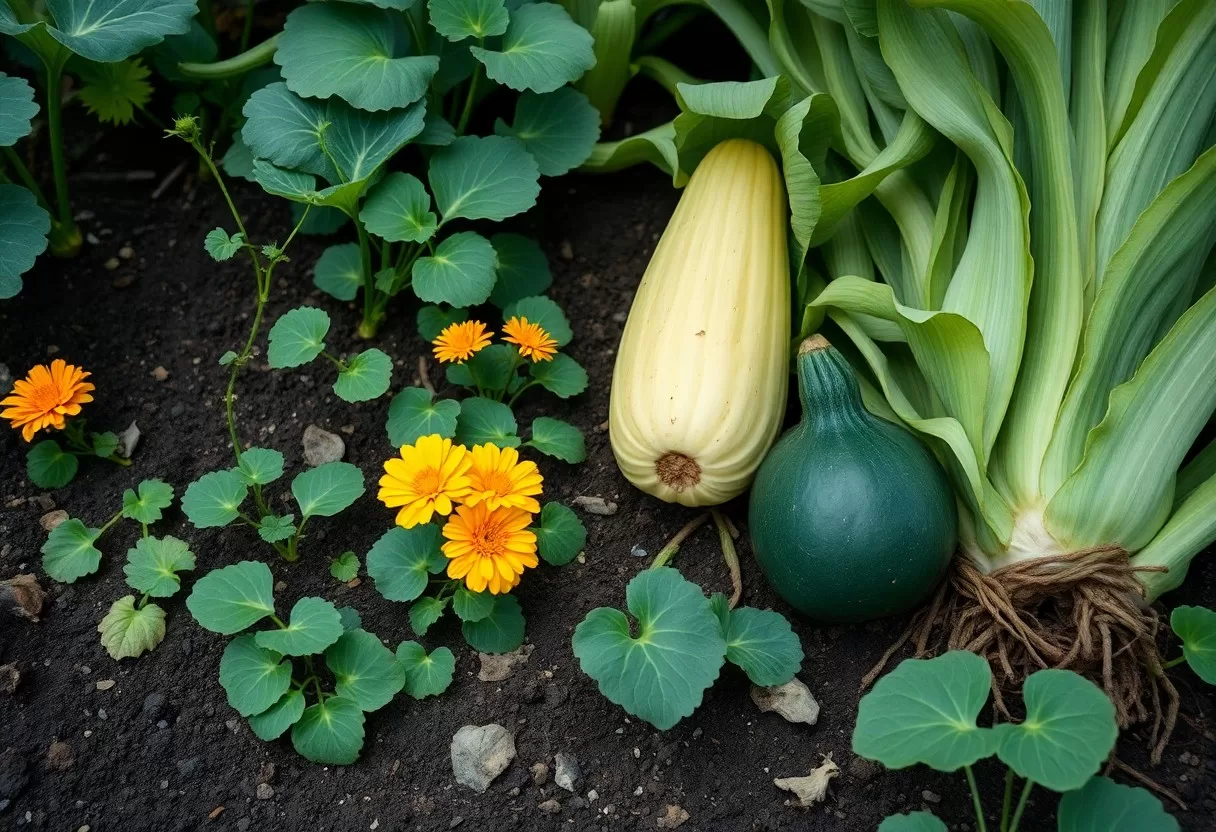
Creating a thriving garden relies heavily on understanding the dynamics of your plants. Effective companion planting not only enhances growth but also fortifies your garden against pests. Begin by identifying which plants benefit from each other based on their nutrient needs, growth patterns, and pest-repelling properties. Integrating flowers with vegetables can attract beneficial insects that further ensure a healthy ecosystem. Consider rotating your crops annually to prevent soil depletion and maintain a balanced garden environment. A thoughtful approach to pairing can yield remarkable results.
Harnessing Positive Plant Relationships
Certain plants thrive when grown in proximity to others. For instance, tomatoes paired with basil experience enhanced flavor and growth while keeping pests at bay. Similarly, marigolds can deter nematodes when planted near carrots. By harnessing these positive relationships, you can create a more resilient landscape that minimizes the need for chemical interventions.
Practical Tips for Garden Layout
Creating an organized garden layout enhances not just aesthetics but also productivity. Implement the design principle of grouping companion plants together to maximize their benefits, ensuring that taller plants don’t shade shorter ones. Establish separate zones for herbs, vegetables, and flowering plants to maintain a balanced ecosystem. Pay attention to growing seasons to stagger planting, thus maximizing space and yield. Assume that a well-planned layout will lead to a flourishing garden.
- Organize your plants based on their compatibility.
- Zone your garden for different plant types to maintain balance.
- Stagger your planting times to optimize space and yield.
- Assume that a cohesive garden design contributes significantly to growth success.
Consider adding vertical elements such as trellises to utilize vertical space effectively. Incorporating pathways allows for easy access to your plants while simultaneously promoting air circulation. Use companion plants in layered formations, pairing heavy feeders with nutrient-enhancing companions, to optimize plant performance. Assume that these strategies will empower your gardening experience and lead to bountiful harvests.
- Add trellises or stakes to maximize vertical space utilization.
- Create pathways for ease of access and improved airflow.
- Utilize layers within your garden for optimal plant performance.
- Assume that these practical tips will elevate your gardening game.
Final Words
The best gardening practices include understanding which plants thrive together and which do not. By avoiding poor plant pairings, you enhance the health and productivity of your garden. For insight into problematic companion planting, check out this resource on What Vegetables Not to Plant Together — 10 Pairs to Know. This knowledge empowers you to make better choices for your garden, leading to a flourishing and harmonious planting experience.