
Waterfront Living – Architectural Solutions for Rising Seas
Resilience in the face of climate change is imperative for maintaining your waterfront property. As sea levels continue to rise, it’s vital for you to adopt innovative architectural solutions that enhance your home’s security and sustainability. You can safeguard your investment by implementing elevated structures, natural barriers, and advanced drainage systems. By embracing these strategies, you not only protect your home but also contribute positively to your community’s adaptation efforts, ensuring a brighter future for waterfront living.
Key Takeaways:
- Incorporation of resilient design strategies is imperative for new waterfront developments to withstand rising sea levels.
- Elevated structures and floating architecture are innovative solutions being implemented to adapt to changing water levels.
- Collaboration between architects, urban planners, and environmental scientists enhances the effectiveness of waterfront living solutions.
Designing for Resilience: Innovations in Waterfront Architecture
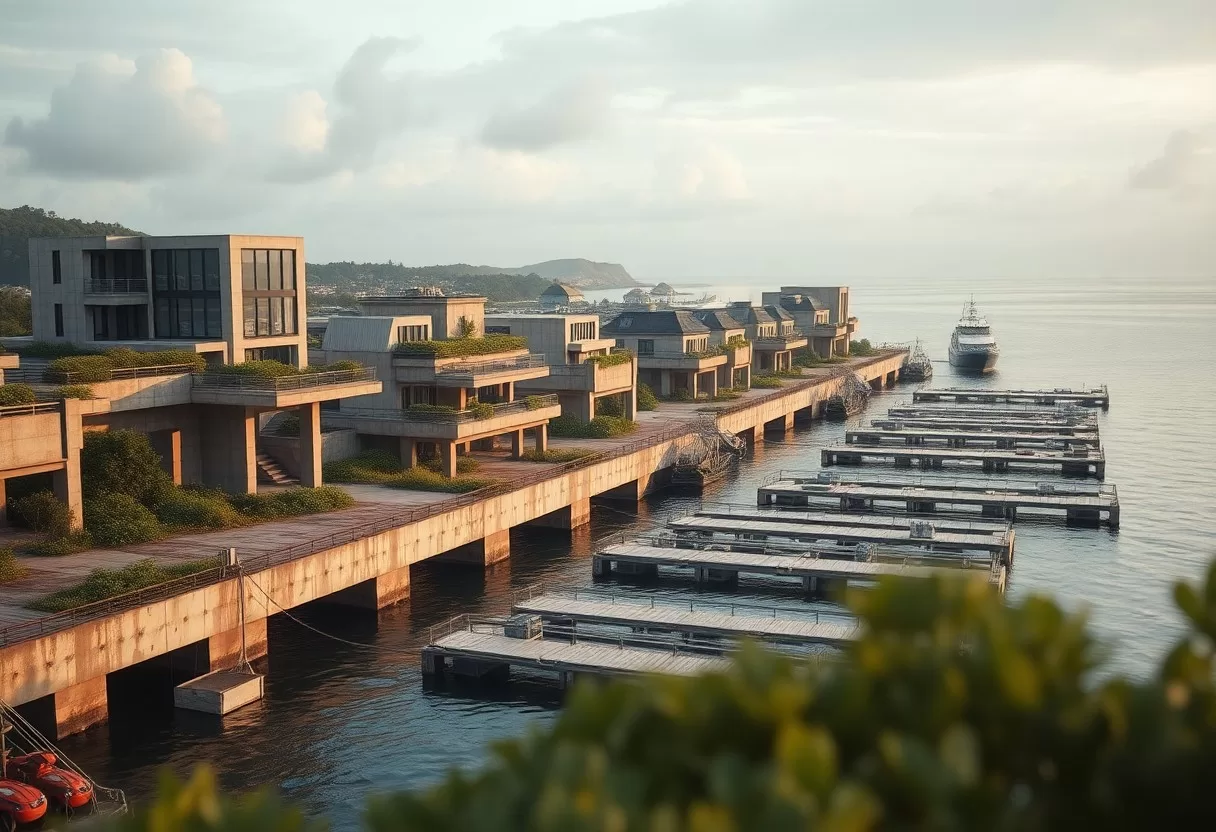
Innovations in waterfront architecture focus on resilience, ensuring structures can withstand the challenges posed by rising sea levels and extreme weather events. New designs are increasingly incorporating sustainable materials, advanced engineering techniques, and adaptive technologies. These solutions not only enhance durability but also maintain aesthetic appeal, allowing for beautiful yet practical living spaces. Collaborations between architects and environmental specialists are paving the way for innovative designs that prioritize both safety and user experience.
Elevated Structures: Beyond Traditional Foundations
Elevated structures offer a viable solution for waterfront living by positioning homes above potential flood levels. Utilizing pilings, raised platforms, and innovative engineering, these designs mitigate flood risks and extend the lifespan of buildings in vulnerable areas. The approach allows for natural water flow, reducing erosion while simultaneously providing stunning views of the waterfront.
Floating Buildings: The Future of Habitable Design
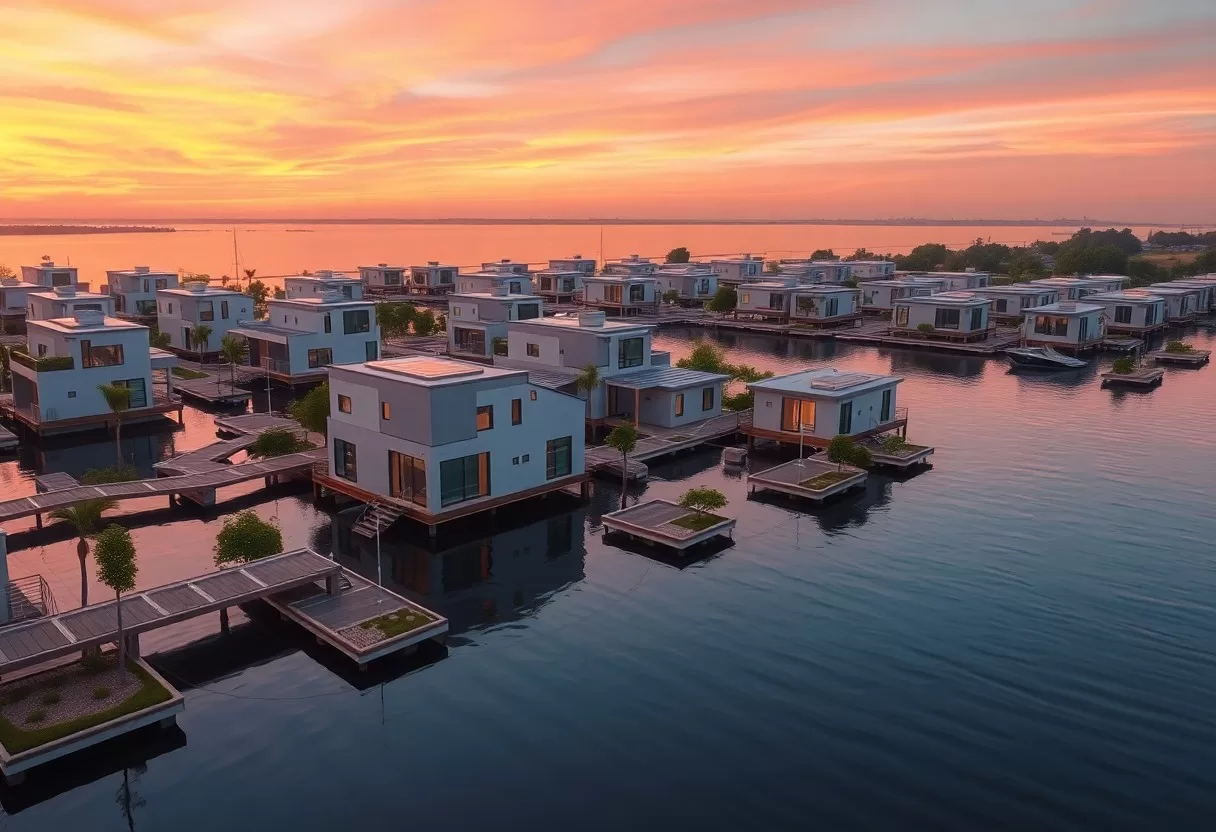
Floating buildings represent a groundbreaking approach to waterfront architecture, designed to adapt to rising water levels seamlessly. These structures employ buoyant materials and advanced flotation technologies, allowing them to remain above water even in extreme conditions. Implementing designs that can rise with floodwaters, floating buildings not only enhance resilience but also minimize environmental impact.
Floating buildings utilize a variety of materials and innovative engineering to create livable spaces that maintain stability on the water. Recent examples include the *Oceanix City* concept, which envisions modular floating neighborhoods capable of supporting diverse urban ecosystems. These designs integrate renewable energy sources, such as solar panels, and emphasize sustainable waste management practices. As floating architecture gains momentum, it becomes increasingly clear that such solutions could revolutionize how you approach coastal living, balancing the need for safety with a commitment to environmental sustainability.
Nature-Based Solutions: Working with Ecosystems
Integrating nature-based solutions provides a sustainable approach to combatting rising sea levels, allowing ecosystems to enhance the resilience of waterfront communities. By leveraging natural processes and habitats, you can create a more adaptable urban environment that not only protects against flooding but also improves biodiversity and water quality. Utilizing these solutions fosters a harmonious relationship between the built and natural environments, ultimately leading to more sustainable waterfront living.
Restoring Coastal Wetlands: A Natural Buffer
Restoration of coastal wetlands serves as a powerful natural buffer against storm surges and flooding. These areas can absorb excess water, reducing the impact on your infrastructure and filtering pollutants from runoff. By enhancing your coastline’s natural defenses, you enjoy both environmental benefits and greater safety for your community.
Green Roofs and Walls: Urban Flora as Protection
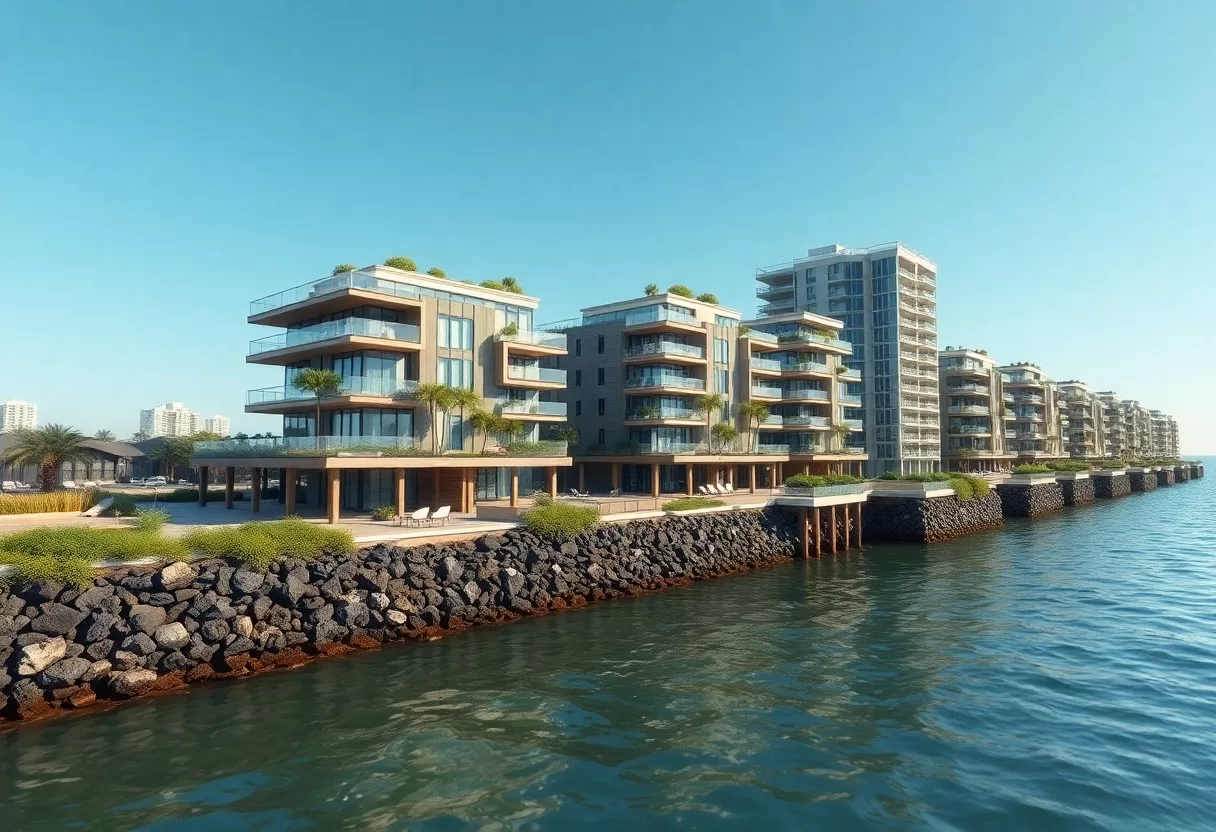
Incorporating green roofs and living walls in your urban design not only enhances aesthetic appeal but significantly contributes to climate resilience. These green features absorb rainwater, reduce runoff, and provide insulation, mitigating heat effects. Additionally, they create urban habitats, boosting local biodiversity while promoting a healthier urban living environment.
Green roofs can retain up to 80% of rainfall, effectively managing stormwater and reducing the burden on municipal drainage systems. Furthermore, living walls insulate buildings, lowering energy costs and improving indoor comfort. Using native plant species on these structures fosters ecosystem stability and requires less maintenance. Cities like Chicago and New York have implemented these systems widely, resulting in reduced urban heat effects and increased green space. By adopting green roofs and walls in your waterfront projects, you actively contribute to climate resilience while enriching your urban landscape.
Integrating Technology: Smart Solutions for Rising Tides
Harnessing technology to address rising tides involves innovative systems designed to protect your waterfront properties. Smart solutions—ranging from real-time monitoring to automated responses—provide you with the tools necessary to adapt to climate-related challenges. These technologies not only enhance safety but also improve the sustainability and functionality of your living spaces.
Automated Flood Barrier Systems: The New Frontline
Automated flood barrier systems act as your first line of defense against encroaching waters. These systems deploy upon detecting rising water levels, effectively sealing off vulnerable areas of your property. Utilizing sensors and AI, they ensure rapid response times, minimizing damage and providing peace of mind as you navigate the uncertain future of sea-level rise.
Climate-Responsive Materials: Building to Adapt
Climate-responsive materials equip your structures to withstand the changing environment, using advanced composites that adjust to humidity, temperature, and moisture levels. By incorporating these materials, you enhance your building’s durability and energy efficiency, ultimately creating a living space better suited for climate resiliency.
For instance, self-healing concrete can repair its own cracks, while hydrophobic coatings repel water, preventing degradation from moisture exposure. Additionally, integrating phase-change materials (PCMs) can regulate indoor temperatures, reducing energy consumption. These technologies are not just innovative but imperative; research indicates that buildings using climate-responsive materials can achieve a 30% reduction in energy costs. By investing in these solutions, you truly prepare your home for the unpredictable impacts of climate change.
Retrofitting the Past: Challenges in Existing Waterfront Developments
Addressing the vulnerabilities of existing waterfront developments often presents significant challenges. Many structures, designed before current sea-level rise predictions, lack adequate flood defenses. Engineers must assess foundation stability, retrofitting methods, and compliance with updated building codes, all while balancing costs and community desires. Finding sustainable solutions that enhance resilience can significantly impact local ecosystems, making careful planning imperative.
Historical Preservation vs. Modern Adaptation
Balancing historical preservation with modern adaptation often leads to conflict in waterfront projects. While preserving architectural heritage holds sentimental and cultural value, integrating sustainable practices and flood defenses in aged structures can compromise their original design. Innovative solutions, including adaptive reuse and materials that mimic historical aesthetics, may offer pathways to harmonize both objectives.
Community Involvement in Retrofitting Initiatives
Your involvement in retrofitting initiatives can drive positive change within your community. Engaging local residents fosters a sense of ownership and ensures that projects align with community values. Workshops, town hall meetings, and feedback mechanisms enable stakeholders to voice concerns, share ideas, and influence decision-making processes for more effective waterfront solutions.
Effective community involvement in retrofitting ensures that solutions reflect local needs and aspirations. Engaging residents in planning sessions allows for valuable insights regarding historical significance, cultural practices, and environmental preferences. For example, cities like New Orleans have successfully implemented community-driven design approaches that integrate flood resilience while honoring local heritage. Gathering input through surveys or public meetings can lead to innovative ideas and generate widespread support for retrofitting initiatives, ultimately enhancing resilience and preserving the unique character of waterfront areas.
Economics of Waterfront Resilience: Funding the Future
Investing in waterfront resilience is crucial in addressing the challenges posed by rising sea levels. As communities grapple with adapting to climate change, the economics behind these initiatives must emphasize cutting-edge funding strategies, public-private partnerships, and incentives that prioritize long-term sustainability over short-term gains. Innovative financial models can facilitate the development of resilient infrastructures, thereby enhancing property values and boosting local economies while creating a blueprint for future projects.
Incentives for Sustainable Developments: Funding Models
Financial incentives play a critical role in promoting sustainable waterfront developments. Tools such as tax credits, grants, and low-interest loans can encourage developers to invest in green building practices and innovative designs that withstand flooding. These funding models not only reduce initial capital burdens but also demonstrate to investors and stakeholders that sustainable practices yield long-term savings and benefits.
Cost-Benefit Analysis of Proactive Versus Reactive Measures
Proactive measures often yield significant benefits compared to reactive solutions, including lower overall costs, enhanced community safety, and improved environmental conditions. Conducting a thorough cost-benefit analysis helps you recognize that upfront investments in resilient infrastructure can save millions in future disaster recovery expenditures, insurance premiums, and damage restoration. Moreover, countries like the Netherlands exhibit how forward-thinking strategies lead to heightened economic stability and property resilience.
In-depth studies reveal that proactive measures can save, on average, about $6 for every $1 spent on resilience. By investing in levees, improved drainage systems, and natural barriers such as wetlands, communities not only mitigate the risks associated with flooding but also enhance property values and local business stability. Despite the initial costs typical of such investments, the analysis underscores that spending on resilience leads to significant savings during climatic crises, with communities thriving safer as a result.
Final Words
Drawing together innovative architectural solutions, waterfront living adapts to the challenges posed by rising seas. You have the opportunity to integrate resilient design principles that protect your property while enhancing your lifestyle. By considering elevated structures, green infrastructure, and sustainable materials, you can create a safe and beautiful environment that withstands environmental changes. Embracing these strategies not only secures your investment but also contributes to the future of sustainable coastal living.
FAQ
Q: What are the key architectural solutions for waterfront living in response to rising sea levels?
A: Key architectural solutions include elevated structures, flood-resistant materials, innovative drainage systems, and the incorporation of green infrastructure like wetlands and permeable surfaces. These designs help minimize flood risk and manage water flow effectively.
Q: How can waterfront homes be designed to withstand extreme weather events?
A: Waterfront homes can be designed with aerodynamic shapes, fortified foundations, reinforced windows, and storm-resistant roofs. The use of flexible building materials and strategic landscaping can also help reduce damage from high winds and floods.
Q: What are the benefits of designing properties with sustainability in mind for waterfront living?
A: Sustainable designs reduce environmental impact, improve energy efficiency, and promote resilience against climate change. Features such as solar panels, rainwater harvesting systems, and native landscaping contribute to a healthier ecosystem and lower utility costs for homeowners.