
Vertical Vegetable Gardens – Maximizing Your Harvest In Small Spaces
It’s a fantastic time to explore vertical vegetable gardens as a solution for maximizing your harvest, especially if you’re limited on space. By utilizing vertical gardening techniques, you can not only save space but also increase your yields and enjoy fresh produce right at your fingertips. You might discover that layering your plants can enhance your garden’s aesthetic while keeping your veggies accessible. If you’re looking for budget-friendly tips, this blog post is for you.
Key Takeaways:
- Vertical gardening techniques enable gardeners to make the most of limited space by utilizing wall space, trellises, and vertical planters.
- Choosing the right plants is crucial; opt for varieties that thrive in vertical systems, such as climbing beans, tomatoes, and herbs.
- Effective watering strategies, including drip irrigation or soaker hoses, can help maintain moisture while preventing overwatering in vertical systems.
- Soil quality and nutrient management play a significant role in plant health, so consider using high-quality potting mixes and organic fertilizers.
- Regular maintenance, including pruning and pest control, is key to ensuring bountiful harvests from vertical gardens over time.
Transforming Vertical Space into Productive Gardens
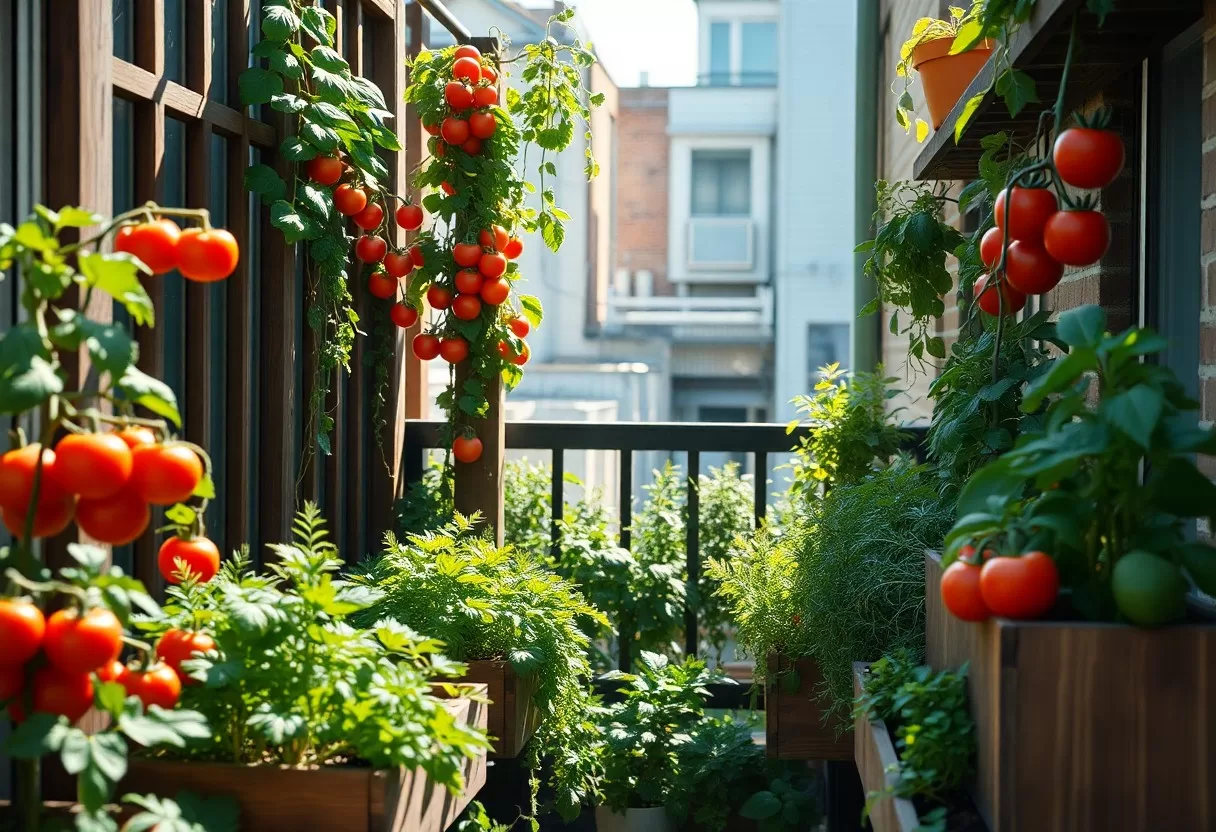
Utilizing your vertical space can redefine how you approach gardening, especially in limited areas. Climbing frames, wall-mounted planters, and trellises create layers of planting that not only beautify but also significantly increase your usable area. Positioning these structures wisely, such as along sunny walls or near windows, allows airflow and sunlight to reach your plants easily, maximizing growth potential and harvest yields. With a few key structures, you can turn even a small balcony or narrow patio into a thriving vegetable garden.
Innovative Structures for Vertical Gardening
Harnessing creativity in your vertical garden design can lead to remarkable results. Options like vertical pallets, stackable pots, and hydroponic systems allow you to utilize every square inch. DIY projects can include repurposing old wooden crates or using hanging shoe organizers for herb gardens. Each of these structures not only provides support for your plants but also adds visual interest, making your garden a more enjoyable space.
Choosing the Right Plants for Vertical Growth
Selecting the appropriate plants is important for a thriving vertical garden. Look for varieties that naturally climb or vine, such as cucumbers, peas, tomatoes, and pole beans. Additionally, herbs like basil and mint can thrive in vertical systems. Ensure you pick plants with manageable growth habits and support needs, allowing them to flourish without overwhelming your structure.
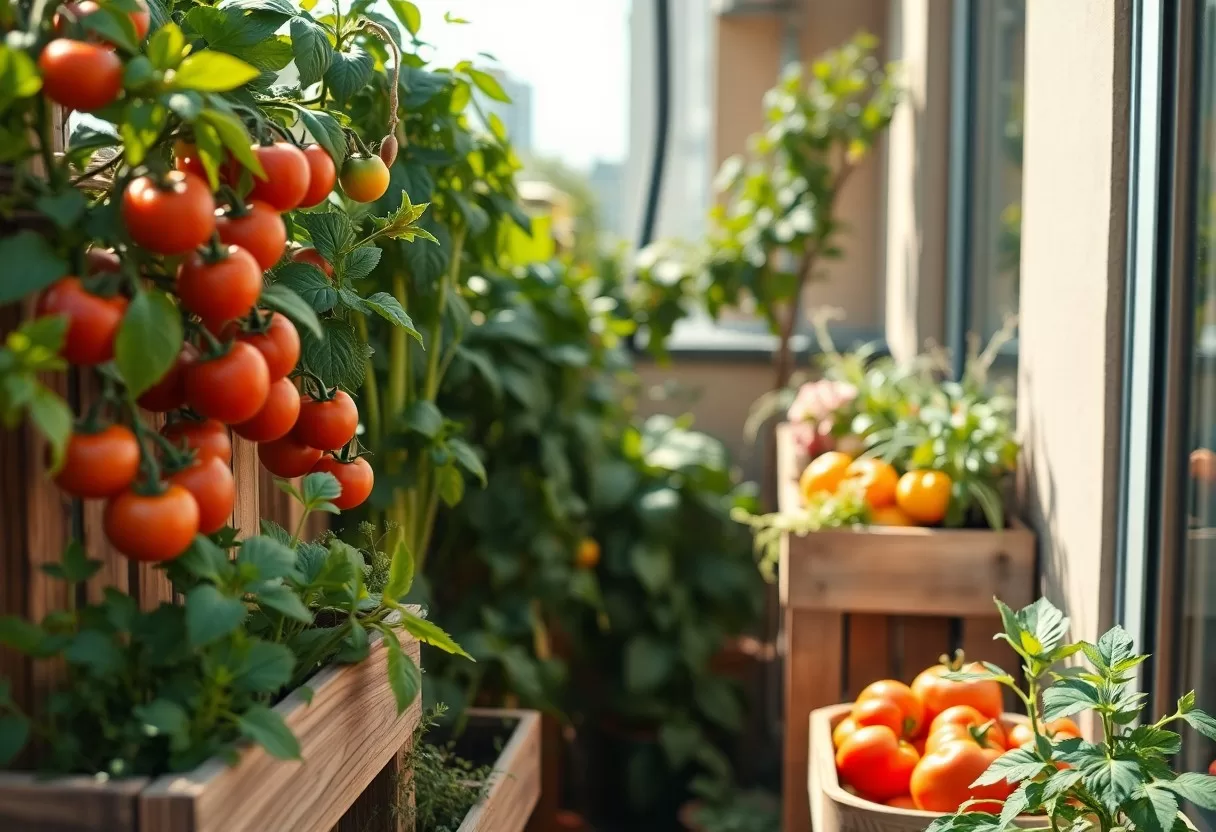
Focusing on plants that have adapted well to vertical growth is key. For instance, cherry tomatoes and snap peas not only climb well but also yield abundantly in confined spaces. Herbs like thyme and oregano are ideal choices due to their compact growth and minimal support needs. Consider the sunlight and moisture needs of your plants, too. Grouping plants with similar requirements will simplify your care routine and enhance overall garden health.
The Art and Science of Soil and Fertilization
Mastering soil and fertilization techniques will significantly enhance your vertical gardening success. The blend of art and science comes into play as you select the right soil mix and manage nutrient levels to suit your plants’ needs. Different vertical systems may require tailored approaches, ensuring that your plants thrive in confined spaces. With proper soil and fertilization strategies, you’ll set the stage for robust growth and impressive yields.
Soil Composition for Vertical Systems
Soil composition in vertical gardens should focus on lightweight and well-draining materials to accommodate the confined spaces while supporting healthy root systems. A mixture of quality potting soil, compost, and additives like perlite or coconut coir can provide the right texture and aeration. Aim for a blend that offers stability and moisture retention—promoting ideal growth conditions without the risk of becoming too compact or waterlogged.
Nutrient Management in Limited Spaces
Nutrient management differs significantly in vertical gardens, primarily due to their reduced volume of soil. You’ll want to prioritize the use of slow-release fertilizers with a balanced N-P-K ratio, typically around 10-10-10, to provide a steady nutrient supply. Regularly incorporate organic matter, such as worm castings or compost tea, to replenish nutrients and enhance microbial life, fueling your plants’ growth.
In limited spaces, your approach to nutrient management becomes paramount for sustaining healthy plants. Consider using a liquid fertilizer for quick nutrient assimilation, particularly during peak growth seasons. Regular feeding every two weeks, especially for hungry crops like tomatoes or cucumbers, will ensure your plants have access to vital nutrients without overwhelming them. Testing your soil periodically helps in adjusting your fertilization strategy, keeping nutrient levels balanced and fostering a thriving vertical garden.
Watering Strategies: Efficiently Hydrating Your Garden
Establishing effective watering strategies is crucial for the health of your vertical vegetable garden. With plants growing upward, their needs can vary significantly from traditional plots. Targeted watering that focuses on root zones minimizes waste and maximizes absorption. Using a consistent schedule helps you monitor moisture levels and adjust accordingly, ensuring your vegetables thrive even in smaller spaces.
Irrigation Methods Designed for Vertical Gardens
A drip irrigation system tailored for vertical gardens can deliver water directly to the roots, reducing evaporation and runoff. Alternatively, soaker hoses can be secured along the vegetation, allowing a slow release of moisture. Frequent monitoring helps you ensure that each plant receives adequate hydration without overwatering. These methods optimize water use, especially in areas with limited space.
Rainwater Harvesting Techniques for Sustainability
Implementing rainwater harvesting is an outstanding way to conserve resources while providing crucial hydration to your vertical garden. Utilizing barrels or cisterns to collect rainfall runoff from gutters offers a sustainable and cost-effective water source. Make sure to place these systems strategically to catch the most runoff while minimizing waste.
To get the most out of your rainwater harvesting, consider installing a mesh filter to keep out debris and insects. Position your collection barrels beneath downspouts to ensure you’re capturing the maximum amount of rainfall. With the right setup, you can save thousands of gallons per year, which can be particularly advantageous during dry spells. Additionally, rainwater is generally free of chlorine and other chemicals found in tap water, making it ideal for nurturing your vertical vegetables. This sustainable practice not only supports your garden’s ecosystem but also reduces your water bill, allowing you to cultivate a flourishing space without added expenses.
Seasonal Planting: Extending Your Harvest Timeline
By implementing a thoughtful approach to seasonal planting, you can significantly extend your harvest timeline. Incorporating a diverse range of vegetables and fruits, such as leafy greens in spring and root vegetables in fall, ensures a continuous supply throughout the year. Techniques such as intercropping and succession planting create layered harvests, allowing you to take advantage of every inch of your vertical garden. For insights from an expert, check out Small Space Vegetable Gardening | Grow Vertical.
Year-Round Planting Strategies
To achieve year-round planting success, focus on your climate zone and seasonal conditions. Cold-hardy crops like kale and spinach can thrive in cooler months, while heat-loving plants such as tomatoes can be started indoors and transitioned outside in warmer weather. Utilizing techniques like row covers in winter can protect your plants from frost, keeping your vertical garden productive regardless of the time of year.
Companion Planting for Increased Yields
Companion planting maximizes yields by strategically pairing plants that benefit each other. For instance, growing basil alongside tomatoes can enhance their flavor while repelling insects. Onions and carrots can be grown together, as onions deter carrot flies. By understanding the relationships between various crops, you can cultivate a more productive vertical garden.
Research shows that certain combinations yield up to 20% more than lone plantings. For example, planting marigolds near your vegetables can deter pests, enabling healthier plants and better harvests. Additionally, incorporating legumes like beans can fix nitrogen in the soil, enhancing the fertility for neighboring plants. Such methods allow you to make the most of your space and improve your garden’s overall health and yield potential.
Overcoming Vertical Gardening Challenges
Vertical gardening, while space-efficient and visually appealing, comes with its own set of challenges. You might encounter obstacles like limited sunlight exposure, water drainage, and difficulty reaching all parts of your plants. Keeping your vertical garden healthy involves strategies tailored to these unique issues, ensuring you maximize both yield and enjoyment of your green space.
Pest Management in Compact Spaces
Pests often thrive in closely packed environments, making pest control in vertical gardens a necessity. Utilizing companion planting can help deter unwanted bugs, while introducing beneficial insects like ladybugs can maintain pest populations. Stay vigilant, regularly inspecting your plants for signs of infestations and employing organic solutions when necessary to protect your harvest without chemical residues.
Climatic Considerations for Optimal Growth
Adapting your vertical gardening techniques to your local climate can significantly impact your yield. Temperature, humidity, and seasonal variations play critical roles in determining which plants thrive in your setup. By understanding your environment, you can select plant varieties that align with your region’s conditions and optimize growth throughout the year.
For instance, in hotter climates, you’ll want to select heat-resistant varieties like cherry tomatoes and peppers that can withstand high temperatures. Conversely, in cooler areas, opting for leafy greens and herbs can ensure robust growth without the stress of extreme heat. Additionally, consider supplemental lighting during shorter days to maintain productivity and using reflective materials to increase light exposure for shade-tolerant plants. This tailored approach helps you create a flourishing vertical garden that yields abundant produce throughout the growing season.
Conclusion
Considering all points, vertical vegetable gardens offer an innovative solution for maximizing your harvest in small spaces. By utilizing vertical structures, you can grow a variety of vegetables while conserving ground space and enhancing your gardening environment. This method not only promotes better air circulation and sunlight exposure for your plants but also creates a visually appealing garden. If you implement these practices, you will find that even the smallest areas can yield a bountiful crop, empowering you to enjoy fresh produce right from your home.