
Creative Ideas for Vertical Gardening in Your Apartment
Just imagine transforming your small living space into a lush paradise with the magic of vertical gardening. This innovative approach allows you to make the most of your available wall space, turning any dull area into a vibrant horticultural display. With an array of creative ideas at your fingertips, you can easily incorporate greenery into your apartment, enhancing both the aesthetic and air quality of your home. Dive into this guide to explore how you can utilize vertical space for a stunning and functional garden, tailored to your unique style and living environment.
Key Takeaways:
- Maximize space by using wall-mounted planters or shelves to create a vertical garden, allowing for ample growing area without occupying floor space.
- Select appropriate plants for vertical gardening, focusing on herbs, succulents, or trailing plants that thrive in limited soil and light conditions.
- Incorporate recycled materials such as old crates, shoe organizers, or plastic bottles for eco-friendly and cost-effective planter solutions.
- Utilize hydroponics or aquaponics systems to grow plants vertically without soil, offering a clean and efficient alternative for indoor spaces.
- Incorporate lighting solutions, such as LED grow lights, to ensure plants receive adequate light, especially in apartments with limited natural sunlight.
Transforming Wall Spaces into Lush Gardens
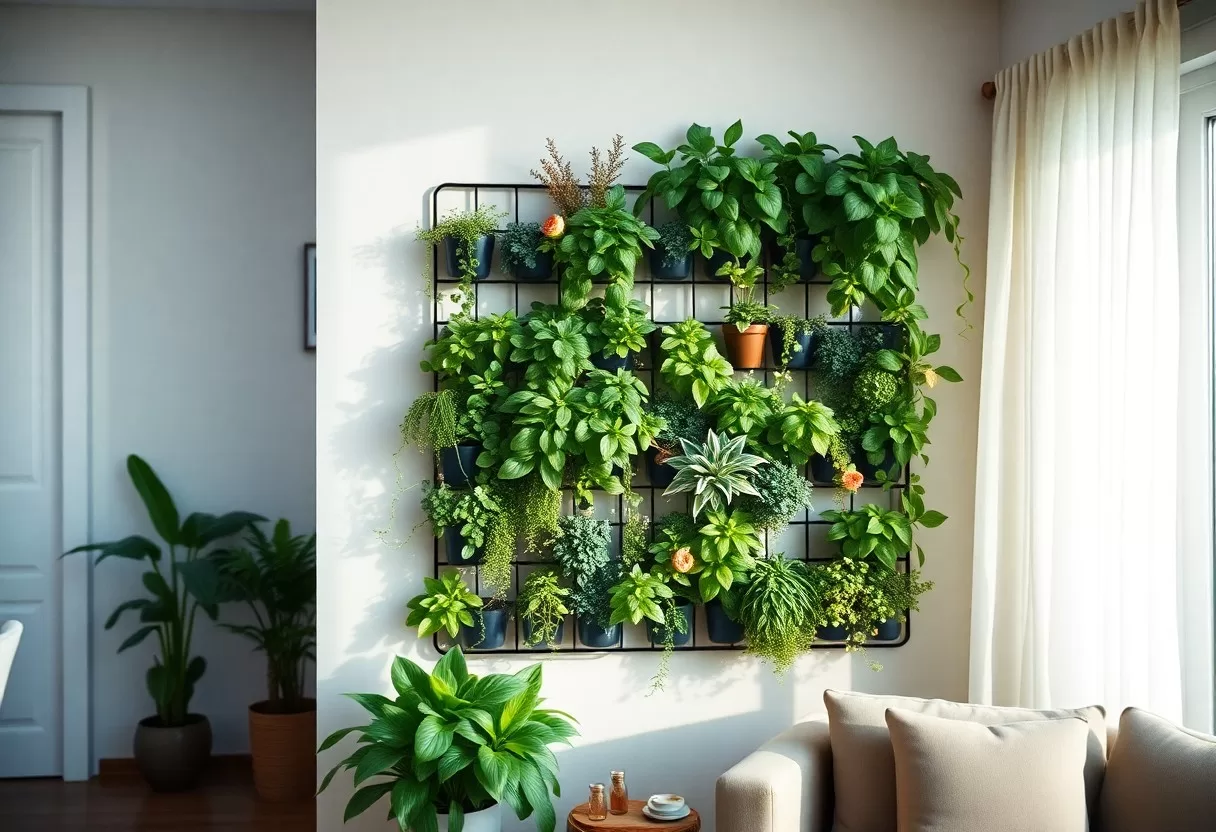
Utilizing wall spaces is a brilliant way to bring nature indoors, creating a vibrant ambiance without sacrificing precious floor space. Featuring diverse plants and creative designs, you can craft a dynamic vertical garden that acts as a stunning visual focal point. By incorporating various textures, colors, and sizes, your walls can shift from bland to breathtaking. Wall-mounted planters, hanging pots, and vertical frames are excellent options to consider when designing your new green haven.
Choosing the Right Vertical Planters
Selecting the appropriate vertical planters is vital for growth and maintenance. Focus on options that provide adequate drainage and support for your chosen plants. Materials such as recycled plastic, wood, and metal all have their benefits, so choose based on your aesthetic preferences and the type of plant you want to cultivate. Moreover, consider planters that allow you to arrange and rearrange easily as your greenery matures.
Maximizing Light Exposure in Limited Spaces
Ensuring your plants receive sufficient light is imperative, particularly in smaller apartments where natural sunlight may be limited. Opt for wall-mounted gardens that can be positioned near windows, and incorporate mirrors to reflect light. Consider using grow lights to supplement daylight, especially during winter months or in darker rooms. Strategically selecting plants that thrive in your specific light conditions will also aid in achieving a flourishing vertical garden.
Incorporating mirrors into your design dramatically enhances light availability. Positioning mirrors adjacent to your planters not only reflects natural sunlight but also creates the illusion of a more spacious area, which is a fantastic bonus in smaller apartments. If your plants require more intense light, consider adjustable LED grow lights that can be mounted above your vertical garden. These allow you to customize light exposure depending on the specific needs of each plant species, ensuring they thrive even in more shaded corners of your living space.
Selecting the Best Plants for Apartment Vertical Gardens
Choosing the right plants is key to achieving a thriving vertical garden in your apartment. Opt for species that adapt well to limited sunlight and space, such as vines, ferns, and certain herbs. Look for plants with compact growth habits that won’t overshadow neighbors. Succulents and air plants are also excellent choices due to their low maintenance needs and unique aesthetic appeal, combining beauty with functionality.
Ideal Indoor Plants for Vertical Settings
Indoor vertical gardens benefit from plants like pothos, spider plants, and philodendrons. These low-light tolerant species grow quickly and adapt well to vertical structures. Their trailing vines can elegantly cascade down shelves or wall hangers, creating a stunning visual effect. Additionally, ferns, such as the Boston and maidenhair ferns, thrive in humid indoor environments, enhancing the lush look of your garden.
Edible Plants That Thrive in Small Spaces
For an enriching experience, consider growing edible plants that flourish in compact areas, such as herbs, strawberries, and cherry tomatoes. These plants not only brighten your space but also provide fresh ingredients for your meals. With a bit of creativity, you can create an edible vertical garden that thrives even in limited light and shallow soil.
Herbs like basil, mint, and parsley are perfect for vertical gardens as they require minimal space and can be snipped regularly for cooking. Strawberries are another delightful option, producing vibrant hanging fruits that add charm to your setup. Cherry tomatoes can also thrive in vertical settings when adequately supported, offering bountiful harvests in a small footprint. With regular watering and a little care, these edible plants can contribute both beauty and flavor to your home while maximizing your use of space.
Innovative Techniques for Vertical Gardening
Embracing innovative techniques elevates your vertical gardening game and transforms ordinary spaces into extraordinary green sanctuaries. Exploring alternative growing methods like hydroponics, utilizing wall-mounted systems, and tapping into DIY projects can all contribute to a thriving apartment garden. Not only do these strategies create an exciting visual impact, but they also improve plant health and optimize the use of available space. Let’s explore some of these cutting-edge options that can ignite your creativity and efficiency when cultivating your vertical garden.
The Power of Hydroponics and Soil-less Gardening
Hydroponics and soil-less gardening allow you to grow plants without traditional soil, providing several advantages for apartment dwellers. This method uses nutrient-rich water solutions, which facilitate faster plant growth while minimizing the mess often associated with soil gardening. By controlling the nutrients, oxygen, and moisture levels, you create an ideal environment for plants to thrive. Plus, because it uses vertical stacking systems, you maximize your available space efficiently, making it perfect for small apartments.
Utilizing Wall-mounted Systems and DIY Projects
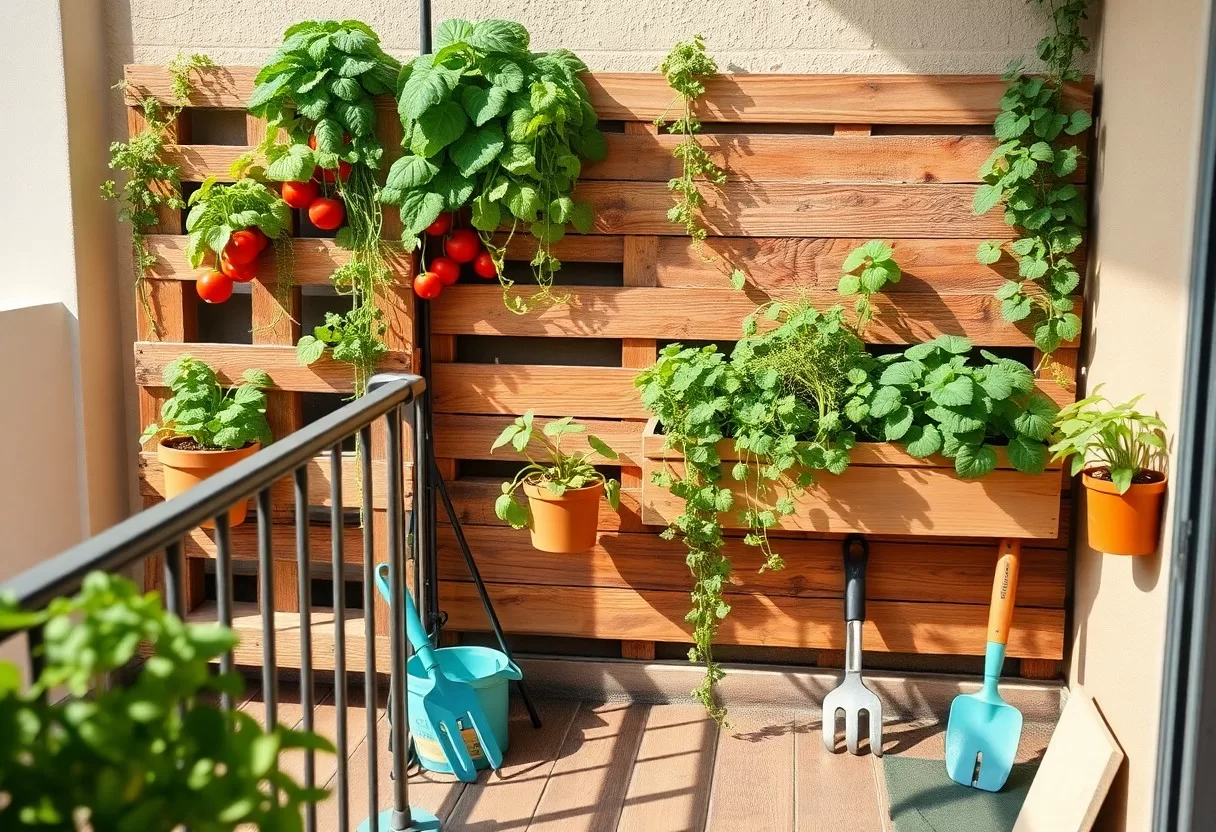
Wall-mounted systems are an innovative approach to vertical gardening that allows you to create impressive displays of greenery while saving floor space. You can explore an array of options, from modular planting systems to pocket planters, which are designed specifically for vertical growth. Engaging in DIY projects not only allows you to customize your garden to fit your style, but it also empowers you to repurpose materials you already have at home. Consider using wooden pallets, old shoe organizers, or even recycled bottles to create unique and functional wall gardens.
Wall-mounted systems can be incredibly versatile, allowing you to adapt various styles and materials to fit your aesthetic and functional needs. For instance, using a simple wooden pallet lined with landscape fabric can be an economical yet stylish way to showcase your herb garden. Alternatively, purchasing a modular planting system lets you mix and match plant varieties to create eye-catching patterns. You can also customize the height of the installations to ensure you have easy access to your plants while maximizing light exposure. DIY projects not only keep costs low but also invite a personal touch into your vertical garden, making it a unique expression of your creativity.
Creative Design Ideas to Enhance Aesthetics
Your vertical garden isn’t just about growing plants; it’s also an opportunity to enhance the aesthetics of your living space. A well-designed vertical garden can become a stunning focal point, reflecting your personal style and bringing a touch of nature indoors. By thoughtfully selecting plant varieties, arranging them in visually appealing patterns, and incorporating accessories, you can achieve a captivating display that complements your apartment’s decor.
Vertical Garden Arrangements that Pop
Bold plant choices can make your vertical garden stand out significantly. Opt for plants with striking colors or unique leaf shapes to create a vibrant arrangement. Using contrasting textures, like the smooth leaves of succulents juxtaposed with the fuzzy foliage of ferns, draws the eye and adds layers to your design. Staggering heights and groupings can further enhance this appeal, making your garden feel dynamic and engaging.
Incorporating Art and Texture with Natural Elements
Add dimension and personality to your vertical garden by incorporating art and natural textures. Wooden frames, woven baskets, or ceramic pots can lend an artistic flair while providing functional plant support. Consider introducing sculptures or decorative elements that resonate with your personal style, creating a seamless blend between greenery and artistry.
Utilizing natural materials in your vertical garden can create an immersive experience that captivates the senses. For instance, a wooden trellis adorned with climbing plants harmonizes with the rustic charm of your space. Incorporating textured elements, such as moss or stones, alongside bright, lush foliage, enhances the visual interest and richness of your garden. A small, artistic water feature can also introduce a soothing sound element, blending nature and artistry effectively. By carefully selecting these components, your vertical garden becomes a seamless extension of your personal aesthetic, infusing your apartment with vibrancy and relaxation.
Maintaining Your Vertical Paradise: Tips and Tricks
To keep your vertical garden thriving, devote time to ongoing maintenance and care. Ensure your plants receive adequate light, and regularly check for pests or diseases. Keep your watering schedule consistent, adjusting as needed based on the season. Utilize self-watering systems for convenience, and consider rotating your plants to promote even growth. Remember to regularly prune and trim to encourage healthy development. Incorporating these practices will enhance not only the beauty of your space but also contribute to a flourishing environment for your plants. Knowing these imperative tips will help you maintain your vertical paradise effectively.
Effective Watering Solutions for Vertical Gardens
Watering your vertical garden requires attention to the specific needs of each plant. Use a drip irrigation system to distribute water evenly, ensuring that each plant gets the moisture it requires without water pooling at the base. Periodically check the moisture levels of the soil to adjust your watering schedule accordingly. Automated timers can simplify the process, providing regular hydration without daily effort.
Fertilization and Pest Control Fundamentals
Adequate fertilization and prompt pest control are key to a vibrant vertical garden. Use a balanced, slow-release fertilizer to nourish your plants over time. Monitor plants for signs of pests and deploy organic solutions such as neem oil or insecticidal soap to address any infestations immediately. Keeping your environment clean will deter potential pests and diseases as well.
With respect to fertilization, understanding the unique needs of your plants is imperative. For example, cacti require nutrient-dense fertilizers during their active growth period, while herbs might thrive in low-nutrient conditions. A soil test can guide you on the necessary amendments. Regular inspection for pests, such as aphids or spider mites, ensures that you can intervene early, preventing major damage. Establishing a routine check-up can help maintain a balanced ecosystem that nurtures your vertical garden.
Conclusion
Following this guide, you now have a wealth of creative ideas for vertical gardening in your apartment. By maximizing vertical space and choosing the right plants, you can transform your living area into a vibrant green oasis. Whether you opt for wall-mounted planters, hanging gardens, or repurposed items, the possibilities are endless. Embrace your creativity, and enjoy the journey of building a stunning indoor garden that reflects your personality and enhances your living environment.
FAQ
Q: What are the benefits of vertical gardening in an apartment?
A: Vertical gardening in an apartment offers numerous benefits, including maximizing limited space, improving air quality, and creating a more inviting atmosphere. It allows you to grow herbs, flowers, or even vegetables in smaller areas, contributing to a greener living environment. Additionally, vertical gardens can enhance privacy, reduce noise, and act as natural insulators.
Q: What types of plants work best for vertical gardening indoors?
A: When choosing plants for indoor vertical gardening, opt for low-light tolerant species such as pothos, peace lilies, spider plants, or ferns. Herbs like basil, mint, and thyme also thrive in vertical arrangements and can be useful in the kitchen. Consider selecting a mix of trailing and upright plants to create visual interest and depth in your vertical garden.
Q: How do I set up a vertical garden in a small apartment?
A: To set up a vertical garden in your apartment, start by assessing your available wall space and light conditions. Create or purchase a vertical gardening system, such as wall planters, hanging pots, or a trellis. Use lightweight materials and ensure that the system is secure. Position it in an area that receives adequate sunlight and arrange your plants based on their size and light needs for optimal growth.
Q: What maintenance is required for vertical gardens in apartments?
A: Vertical gardens require regular maintenance to ensure plant health. This includes watering based on the needs of the plants, typically every few days. Inspect for pests and diseases, and trim back any overgrown foliage to encourage healthy growth. Regularly rotate plants to ensure even light exposure, and consider occasional fertilization to provide crucial nutrients.
Q: Can I create a vertical garden without drilling holes in my walls?
A: Yes, you can create a vertical garden without drilling holes by utilizing freestanding vertical planters, leaning shelves, or using adhesive wall hooks for lightweight planters. Additionally, consider using tension rods or repurposing items like ladders and crates to create a vertical structure that can hold your plants without damaging your walls.