
Universal Design – Accessible Features for Comfortable Living at Any Age
Over time, your living environment significantly impacts your daily experiences and overall well-being. By incorporating universal design principles, you can create spaces that enhance accessibility and safety. Features like wider doorways, non-slip surfaces, and adjustable lighting can prevent accidents and provide comfort, ensuring you feel at home regardless of age. Adopting these design elements not only promotes independence but also fosters a welcoming atmosphere for all your guests.
Key Takeaways:
- Universal design promotes inclusivity by creating environments accessible for people of all ages and abilities.
- Key features include step-free entrances, wide doorways, and adjustable furniture to enhance comfort and usability.
- Implementing universal design principles can improve safety and independence in everyday living spaces.
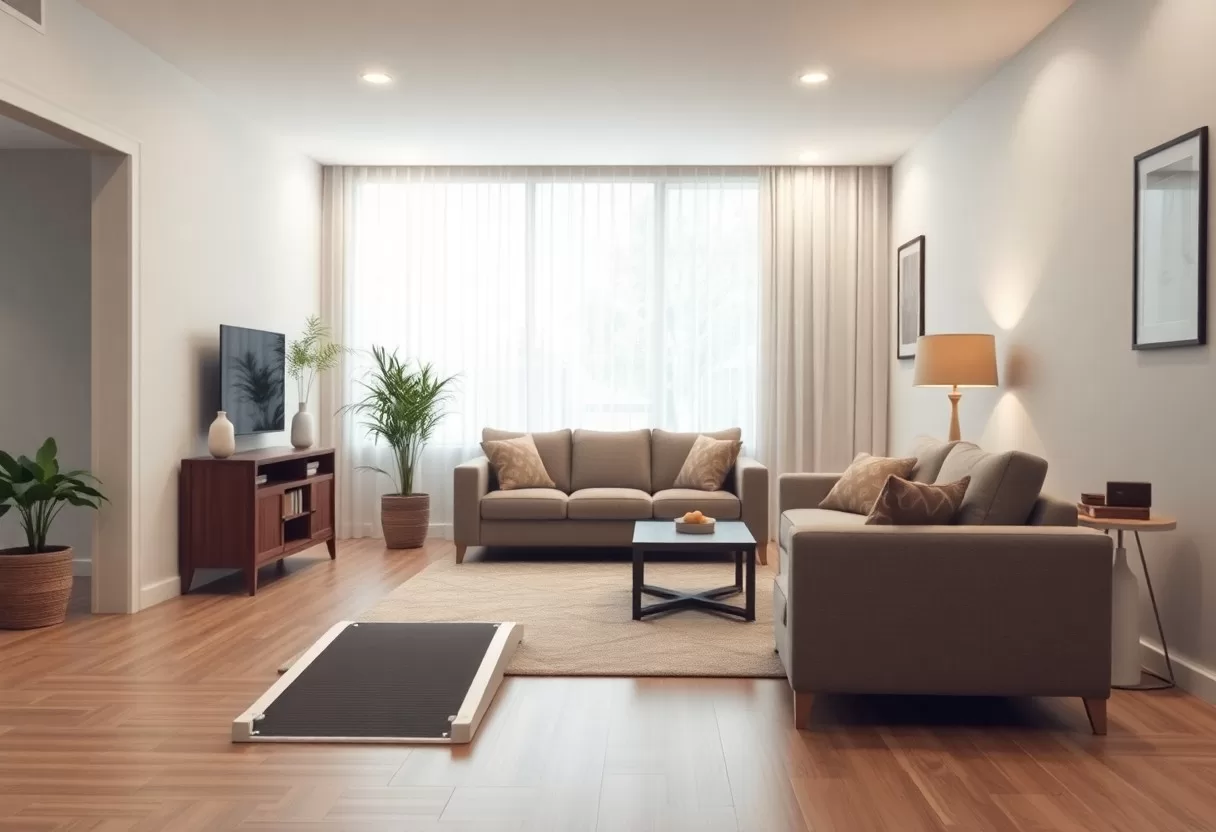
Understanding Universal Design
Universal design encompasses the creation of products, environments, and experiences that are usable by all people, regardless of age, ability, or status. This approach recognizes the diversity of human needs and strives to promote independence and comfort in everyday living. By incorporating universal design principles, spaces can be made more welcoming and practical, enhancing the functionality for everyone.
Definition and Principles
Universal design is defined by seven key principles: equitable use, flexibility in use, simple and intuitive use, perceptible information, tolerance for error, low physical effort, and size and space for approach and use. Each principle aims to ensure accessibility, creating environments that cater to a wide range of abilities and preferences. These principles enable designers to think inclusively, ensuring that everyone can navigate spaces seamlessly.
Importance for All Ages
Universal design benefits individuals across the lifespan, addressing the evolving needs associated with aging, disabilities, and temporary impairments. Features like wider doorways, lever-style door handles, and non-slip flooring promote a safer environment for children, adults, and seniors alike. By implementing universal design, you foster spaces that adapt to various life stages, supporting autonomy regardless of physical ability.
The significance of universal design extends beyond mere accessibility; it actively enhances your quality of life. For instance, homes featuring built-in grab bars and step-free entrances are not only beneficial for seniors but also support parents with strollers or anyone carrying items. In public spaces, clear signage and tactile pathways streamline navigation for individuals with visual impairments while improving overall flow for everyone. This inclusive approach ensures that as you change, the environment aligns to your evolving needs, reducing frustration and fostering a sense of belonging.
Key Accessible Features
Accessible features play a vital role in enhancing comfort and safety in living spaces. These elements are designed to facilitate ease of use for everyone, regardless of age or ability. Incorporating intuitive designs not only improves functionality but also fosters independence, allowing you to navigate your home effortlessly.
Entryways and Exits
Entryways and exits should be wide and barrier-free to ensure smooth transitions into and out of your home. Incorporate zero-step entrances and large doorways to accommodate wheelchairs and mobility aids. Installing automatic door openers enhances ease and accessibility while minimizing physical strain.
Interior Spaces
Designing interior spaces with accessibility in mind involves thoughtful arrangement and selection of materials. Ensure pathways are at least 36 inches wide to allow easy movement. Utilize adjustable furniture and non-slip flooring to provide safety and comfort. Effective lighting is vital, with fixtures placed to minimize shadows and glare, making navigation simpler.
Consider also the placement of switches and outlets, which should be reachable without stretching or bending. For kitchens, opt for pull-out shelves and knee space under counters to accommodate different needs. In bathrooms, installing grab bars near toilets and in showers can significantly enhance safety and confidence, ensuring you can move freely without fear of falling. These deliberate choices create spaces that not only meet universal design standards but also enhance your overall quality of life and comfort.
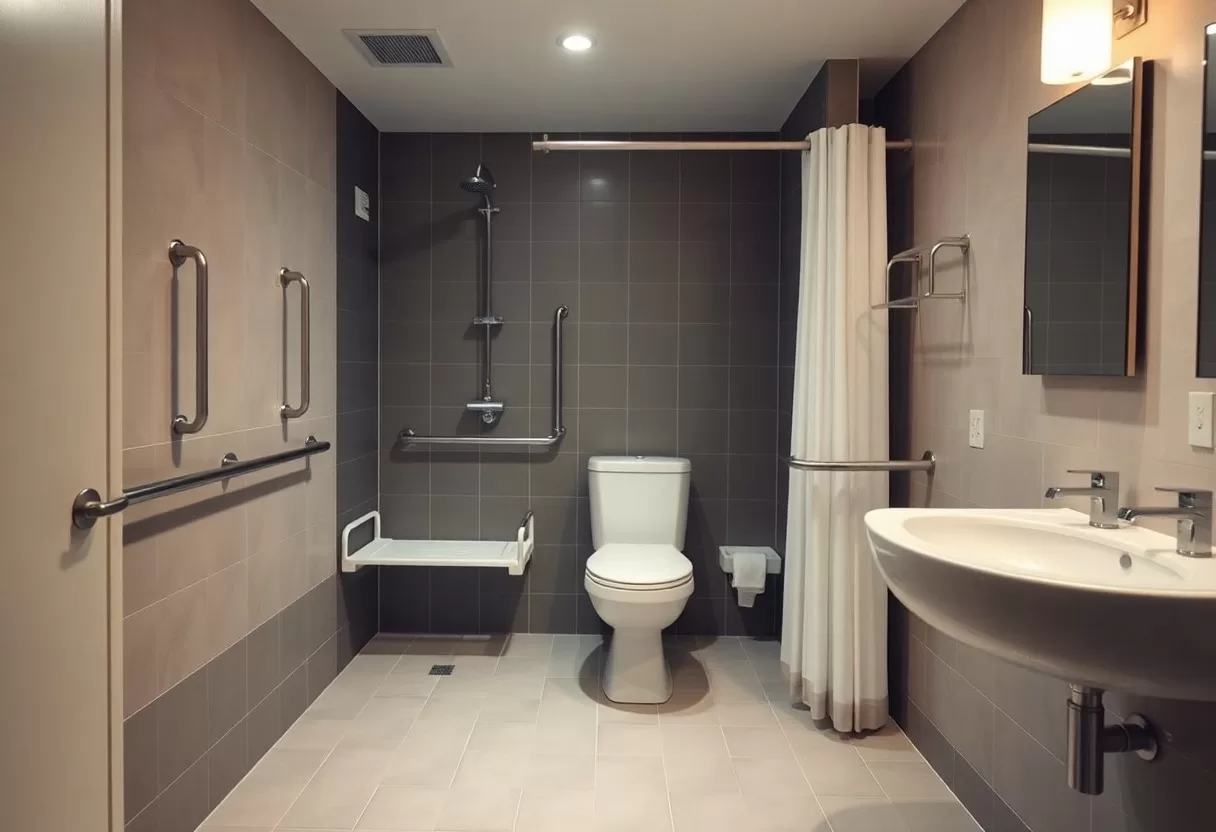
Bathroom Accessibility
Innovative bathroom designs enhance comfort and usability for individuals of all ages and abilities. Features such as wider doorways, step-free access, and adjustable fixtures can transform standard bathrooms into accessible spaces. Ensuring that imperatives like faucets, showerheads, and storage are at reachable heights promotes independence and ease of use.
Design Considerations
Focus on an open layout that accommodates mobility aids like wheelchairs. Opt for curbless showers and adjustable vanities to ensure accessibility. Non-slip flooring and adequate lighting play significant roles in enhancing visibility and safety, allowing for better navigation in tight spaces.
Safety Features
Integrating safety features is imperative for minimizing hazards in your bathroom. Consider grab bars positioned next to the toilet and inside the shower for stability. Non-slip mats also help prevent slips, making the space safer for everyone.
Statistics indicate that approximately 235,000 injuries occur in bathrooms each year, often due to slips and falls. Installing grab bars can reduce this risk significantly. Opt for motion-activated lights to enhance visibility at night, and use touch-control faucets to prevent scalding. Incorporating these safety features ensures that your bathroom remains a secure space, promoting confidence and reducing the likelihood of accidents.
Kitchen Adaptations
Incorporating adaptive features in your kitchen can enhance usability and safety, accommodating individuals of all ages and abilities. Features such as lower countertops and pull-out shelving allow ease of access, while non-slip flooring reduces the risk of falls. Open layouts promote space for maneuvering, ensuring you can navigate freely. These adjustments not only support functional needs but also create a welcoming environment for family gatherings and daily meals.
Ergonomic Design Elements
Ergonomic design elements prioritize your comfort during food preparation and cooking tasks. Items like adjustable-height countertops enable you to work while seated or standing, reducing strain on your back and legs. Furthermore, utilizing lever-style faucets and appliance placements at accessible heights enhances convenience, allowing you to engage in meal prep without discomfort.
Accessibility Tools
Accessibility tools in the kitchen can significantly enhance your daily cooking experience. Innovative devices like one-handed can openers, raised dishwashers, and specialty knives offer greater independence and ease. Integrating these tools into your kitchen design can streamline tasks and empower you to cook with confidence.
Examples of useful accessibility tools include color-coded cutting boards and utensil grips, which cater to varying dexterity levels, making food preparation safer and more efficient. Additionally, voice-activated appliances provide a hands-free solution, allowing you to focus on cooking without hindrance. Innovations like these foster an inclusive kitchen environment, making it accessible for everyone, regardless of age or ability, thus enhancing both functionality and enjoyment in your culinary space.
Community and Public Spaces
Designing community and public spaces with inclusivity in mind fosters a sense of belonging and accessibility for individuals of all ages and abilities. You can navigate these environments with ease and feel empowered to participate in civic life, thanks to elements like adaptable pathways, accessible benches, and well-placed signage. These features enhance not only individual experiences but also strengthen the social fabric of your neighborhood.
Importance of Inclusivity
Inclusivity in community spaces ensures that everyone, regardless of physical ability or age, can engage fully in their surroundings. This approach creates an environment where diversity is celebrated and barriers to participation are minimized, resulting in richer interactions and a deeper sense of community. As a result, you contribute to a vibrant, thriving local culture.
Examples of Successful Implementation
Successful examples of inclusive design in public spaces can be seen in cities like Barcelona and Vancouver, where universal design principles have been incorporated. Features such as curb cuts, tactile paving, and sensory gardens create welcoming environments. Public transportation systems are often equipped with low-floor buses and audio-visual aids, ensuring that everyone can navigate the city seamlessly.
In Barcelona, the Superblocks initiative has transformed urban neighborhoods, reducing car traffic and enhancing walkability, while adding green spaces that cater to all ages. Similarly, Vancouver’s public parks include inclusive playgrounds designed for children of all abilities, providing imaginative play opportunities for everyone. Such initiatives not only bolster community interaction but also improve overall well-being, encouraging you to enjoy and engage more deeply with public spaces.
Technologies Enhancing Accessibility
Advancements in technology are transforming how you interact with your living space, enhancing accessibility through innovative solutions. Products designed with Universal Design: A Step toward Successful Aging – PMC principles prioritize user-friendly designs that cater to your evolving needs, making it easier to live independently and comfortably.
Smart Home Innovations
Smart home technologies like voice-activated assistants and automated lighting systems enable you to control your environment effortlessly. These innovations allow for integration of various devices, streamlining tasks and enhancing safety through features such as emergency alerts and remote monitoring.
Assistive Devices
Assistive devices are pivotal in ensuring your daily activities remain manageable and safe. From mobility aids like walkers and canes to advanced hearing aids, these products are designed to best suit your specific requirements and preferences.
Examples of assistive devices include smart mobility scooters equipped with GPS and stairlifts that provide easy access to multi-story homes. Devices are customized to offer not just assistance but also a sense of independence, allowing you to maintain an active lifestyle. With proper guidance, selecting the right assistive technology can significantly enhance your quality of life, making everyday tasks more accessible and enjoyable.
To wrap up
Hence, embracing universal design in your living environment enhances accessibility and comfort, accommodating your needs at any age. By incorporating features that promote ease of use, you not only improve your quality of life but also create a welcoming space for guests. Investing in these design principles ensures that your home remains both functional and inviting, allowing you to navigate your surroundings with confidence and independence. Ultimately, universal design empowers you to enjoy your living space fully, regardless of any physical limitations you may encounter throughout your life.
FAQ
Q: What is Universal Design?
A: Universal Design refers to the process of creating spaces and products that are accessible and usable by people of all ages and abilities. It aims to make living environments comfortable and functional for everyone.
Q: What are some key features of Universal Design?
A: Key features include step-free entrances, wider doorways, lever-style door handles, adjustable-height fixtures, non-slip flooring, and adequate lighting. These elements enhance usability and safety for all individuals.
Q: How does Universal Design benefit older adults?
A: Universal Design benefits older adults by reducing physical strain, promoting independence, and enhancing safety. Features like grab bars and walk-in showers minimize fall risks, allowing for easier mobility and daily living.
Q: Can Universal Design be applied to existing homes?
A: Yes, Universal Design can be retrofitted into existing homes. Simple modifications, such as adding ramps, improving lighting, and updating bathroom fixtures, can significantly enhance accessibility.
Q: Is Universal Design expensive to implement?
A: While some Universal Design features may have higher upfront costs, many modifications lead to long-term savings on healthcare and maintenance. Prioritizing these features can enhance home value and quality of life.