
Embracing Nature – How Biophilic Interior Design Transforms Your Living Space
Designing your living space with biophilic interior principles can significantly enhance your well-being and boost your mood. By incorporating elements that mimic nature, you create a harmonious environment that fosters relaxation and creativity. From natural light to plant life and organic materials, these features not only beautify your home but also connect you to the outdoors, even when you’re inside. In this post, we will explore how embracing nature through design can fundamentally transform your living experience and provide practical tips to seamlessly integrate these principles into your space.

Key Takeaways:
- Biophilic design integrates natural elements such as plants, natural light, and organic materials to enhance well-being and foster a connection to the outdoors.
- This design approach encourages a healthier living space by improving air quality, reducing stress, and increasing overall comfort through the use of nature-inspired aesthetics.
- Incorporating biophilic elements can increase property value and appeal by creating an inviting, serene atmosphere that resonates with modern lifestyles and sustainability goals.
Reconnecting With Our Roots: The Essence of Biophilic Design
Biophilic design goes beyond mere aesthetics; it fosters a deep connection with nature that resonates within your living space. This design philosophy celebrates the innate bond that humans have with the natural world, integrating elements like natural light, organic materials, and plant life into your interiors. By weaving these elements into your home, you create a sanctuary that nurtures your well-being while promoting a holistic lifestyle. Embracing biophilic design allows you to experience the tranquility of nature, sparking joy and inspiration in your everyday life.
The Psychological Benefits of Nature in Indoor Spaces
Surrounding yourself with natural elements can significantly enhance your mental health. Numerous studies indicate that spending time in nature reduces stress, anxiety, and depression. Incorporating plants and natural light in your indoor environment fosters feelings of calmness and revitalization. The mere presence of greenery has been shown to elevate your mood and improve cognitive function, making your home a restorative haven. You’ll feel more focused and creative, allowing for a more productive daily experience.
The Science Behind Biophilia and Its Impact on Well-being
Research reveals that biophilia goes beyond mere preference; it’s a fundamental aspect of human psychology. Studies show that environments infused with nature can lead to a decrease in blood pressure, improved mood, and greater overall satisfaction. For instance, a study published in the journal “Environmental Psychology” found that individuals who worked in spaces with natural elements reported a 25% increase in productivity and engagement. By harnessing the science of biophilia, you not only enhance your living space but also cultivate a healthier mind and body.
Delving deeper into the science, the concept of biophilia suggests that our evolutionary history contributes to our affinity for nature. As humans, we spent tens of thousands of years living in close harmony with the natural environment, which is reflected in our psychological and physiological responses today. Biophilic design taps into this inherent connection, activating neural pathways that promote relaxation and happiness. By integrating features like indoor greenery, natural textures, and even water elements, you create a space that nurtures your innate longing for connection with the natural world, ultimately improving both your mood and health.
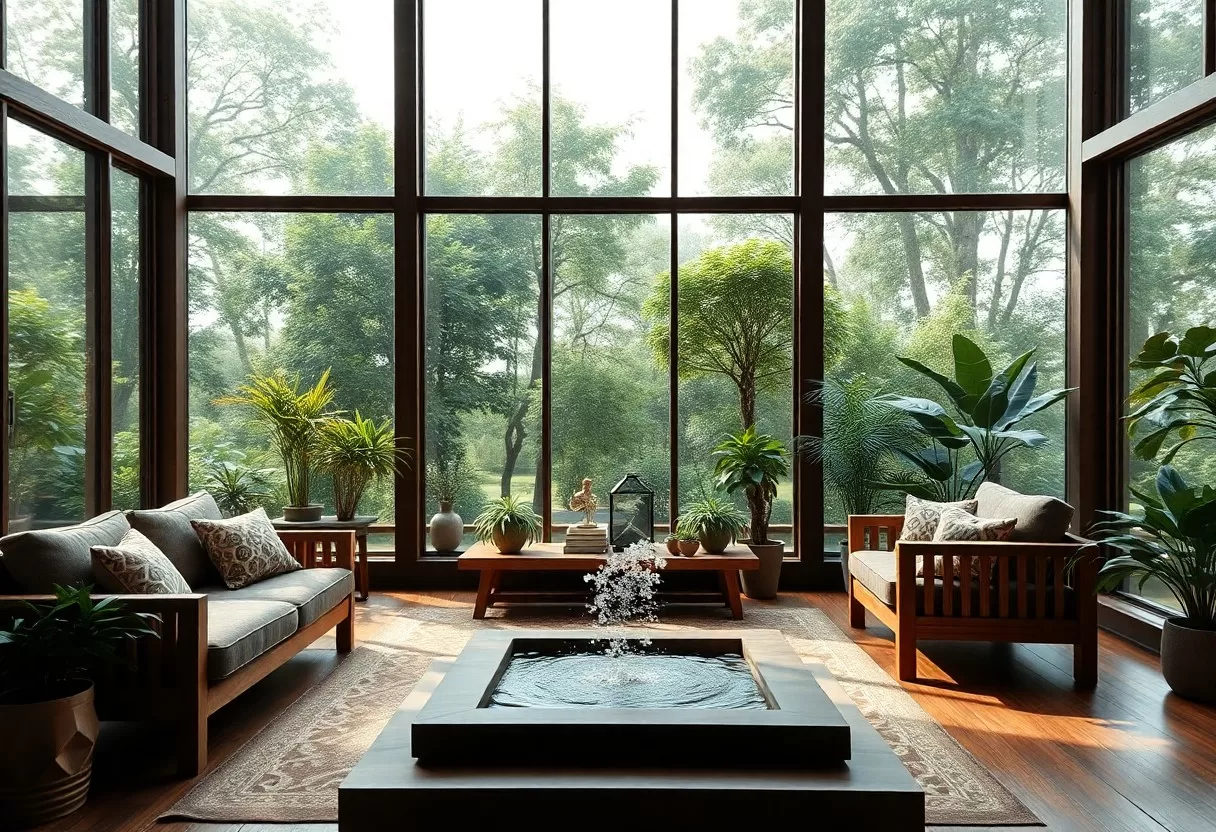
Crafting Your Sanctuary: Key Elements of Biophilic Interior Design
By incorporating biophilic design elements, you can create a personal sanctuary that brings the wonders of the natural world indoors. Key aspects such as natural materials, abundant greenery, and thoughtful layouts can transform your space into a haven that boosts your mood and enhances your well-being. Dive deeper into this trend by exploring Embracing Biophilic Design.
Integrating Natural Materials and Textures
Utilizing materials like wood, stone, and bamboo establishes a tactile connection to the earth. You might choose reclaimed wood for your furniture or accent walls, enhancing warmth and character while reducing environmental impact. Textures like jute or wool in textiles add depth, inviting a sensory experience that mimics outdoor environments.
Utilizing Natural Light and Open Spaces
Maximizing natural light and creating open spaces fosters a feeling of freedom and connection to the outdoors. Large windows or glass doors can flood your home with sunlight, heightening your senses and improving your overall mood. Open floor plans allow for seamless transitions between indoor and outdoor living, making your space feel larger and more inviting.
Consider incorporating skylights or strategically placing mirrors to reflect sunlight, brightening darker corners of your home. The power of natural light cannot be understated; studies show that exposure to sunlight can improve focus, enhance creativity, and promote a more energized atmosphere. By designing with free-flowing spaces, you not only maximize light but also create an inviting environment that encourages relaxation and socialization, bridging the gap between the inside and the vast beauty of nature beyond your walls.
Nature as a Muse: Inspiration for Innovative Design Choices
Nature serves as an endless source of inspiration for innovative design choices in your living space. By observing the intricate patterns found in leaves, the vibrant hues of a sunset, or the texture of tree bark, you can integrate these organic elements into your interiors. Drawing from the natural world not only enhances aesthetic appeal but also showcases the harmony between your environment and personal style. Embracing nature as your muse empowers you to create a unique and serene atmosphere tailored to your preferences.
Incorporating Plant Life: The Power of Greenery
Incorporating plants into your interior design can have a transformative impact on your space. Greenery not only purifies the air but also elevates your mood and reduces stress levels. Choose a variety of plants, such as succulents, ferns, and flowering species, to create a dynamic display that reflects your personality. Positioning plants in different areas of your home can enhance connectivity to nature, fostering a sense of tranquility and well-being.
Water Features and Their Calming Effects
Water features can serve as a magnificent focal point in your interior space, promoting a sense of calm and relaxation. The gentle sound of flowing water creates a serene atmosphere that can reduce stress and enhance mindfulness. Options range from small tabletop fountains to larger installations, providing you with various ways to introduce this calming element into your home. The soothing properties of water can help turn your living space into an oasis of tranquility, allowing you to unwind amidst the hustle and bustle of everyday life.
Consider incorporating a small indoor fountain or aquascape into your design. Research shows that the presence of water can lower cortisol levels and promote relaxation, making it an ideal addition. Adding lighting to your water feature can enhance its aesthetic appeal, creating a mesmerizing interaction between light and flowing water. The impression of serenity that emerges from dynamic water movement can transform your home into a peaceful retreat, reminding you of the tranquility of nature itself.
Beyond Aesthetic: The Functional Advantages of Embracing Nature
Incorporating biophilic design into your living space offers numerous functional advantages that extend beyond visual appeal. Exposure to natural elements can significantly enhance your well-being, leading to reduced stress and improved mental health. The integration of nature not only elevates the ambiance of your home but also promotes a more harmonious lifestyle, ensuring that your living environment works in tandem with your needs and aspirations. By embracing these designs, you cultivate a sanctuary that nurtures both body and mind.
Energy Efficiency and Sustainability in Biophilic Design
Biophilic design emphasizes sustainability through the incorporation of energy-efficient materials and practices. Utilizing natural light reduces reliance on artificial lighting, while strategically placed greenery aids in temperature regulation. Moreover, these elements help improve air quality, contributing to a healthier indoor environment. By choosing sustainable materials and home improvements that harmonize with nature, you’re making a commitment to eco-friendliness that benefits not just your home, but the planet as well.
Boosting Productivity and Creativity Through Nature
Natural elements in your living space can profoundly impact your productivity and creativity levels. Studies show that environments enriched with plants, natural light, and organic shapes foster greater cognitive function and inspire innovative thinking. For instance, a workplace infused with greenery can increase productivity by up to 15%. Surrounded by nature-inspired elements, you find it easier to concentrate, brainstorm, and generate new ideas, reshaping your overall approach to work and creativity.
Evidence strongly supports the claim that nature significantly enhances cognitive performance. Research from the University of Exeter reveals that employees in workplaces with plants report higher levels of concentration and creativity. Even simple additions, like a desk plant or large windows, can decrease stress levels and increase overall happiness. Establishing a strong connection with nature encourages a sense of calm and clarity, making it easier for you to tackle challenges and unleash your creative potential. Transforming your space with these elements not only elevates your mood but also paves the way for breakthroughs in your projects and daily tasks.
Navigating Challenges: Implementing Biophilic Principles in Urban Environments
Urban environments often pose unique challenges to implementing biophilic design principles. Factors such as limited access to green spaces, high population density, and the prevalence of concrete structures can hinder your ability to integrate nature within your living space. Despite these obstacles, many innovative strategies can enhance your environment, allowing you to cultivate a more nature-inspired lifestyle even in bustling cities.
Space Limitations and Solutions for Small Areas
Even in compact living areas, you can incorporate biophilic elements with smart design strategies. Utilizing vertical gardens, hanging planters, and multi-functional furniture that incorporates greenery are effective ways to maximize your space. Mirrors can visually expand your area while reflecting plants and natural light, creating a more open and inviting environment.
Balancing Biological and Urban Design Elements
Achieving harmony between biophilic and urban design elements can transform your living space into a harmonious retreat. Urban architecture often emphasizes functionality and aesthetics; blending these aspects with natural elements requires a thoughtful approach. For instance, integrating natural materials like wood and stone within your interiors can complement sleek, modern lines while providing a sense of warmth. Additionally, using color palettes inspired by nature can evoke feelings of tranquility and well-being, even amidst the hustle and bustle of city life.
When you successfully balance biological and urban design elements, your space becomes a sanctuary that supports both your lifestyle and your connection to nature. Creative use of light through skylights or larger windows can invite daylight while highlighting natural beauty. Incorporating greenery within designed spaces, such as biophilic offices with living walls or residential interiors with indoor gardens, promotes health benefits and fosters a sense of calm. You can stimulate positive emotions while maintaining your urban lifestyle by ensuring that both elements work together cohesively.
To wrap up
Drawing together the elements of biophilic interior design can significantly enhance your living space, allowing you to reconnect with nature and foster well-being. By incorporating natural elements, you create a tranquil atmosphere that brings life and energy into your home. Consider exploring more about the concept in The Rise of Biophilic Design: Bringing Nature Indoors, which can inspire you to embrace nature in your design choices and transform your environment into a serene sanctuary.