
Transform Your Outdoors – Creating the Ultimate Outdoor Living Space
Many homeowners underestimate the potential of their outdoor spaces, missing the opportunity to create a stunning outdoor living area that enhances both relaxation and entertainment. By strategically planning and incorporating elements such as seating, lighting, and landscaping, you can transform your backyard into a functional and inviting retreat. This blog post will guide you through vital tips and ideas to elevate your outdoor experience, ensuring that your space is not only beautiful but also safe and practical for all occasions.
Key Takeaways:
- Design your outdoor space to reflect your lifestyle, incorporating functional areas for relaxation, dining, and recreation.
- Choose durable materials and furnishings that can withstand the elements while adding aesthetic value to your outdoor environment.
- Integrate plants and landscaping to create a natural ambiance, enhancing both the beauty and tranquility of the outdoor living space.
Designing the Perfect Layout for Your Outdoor Haven
Crafting the ideal layout for your outdoor space involves a thoughtful blend of functionality and aesthetics. Start by envisioning how each area will serve its purpose, whether for entertaining guests or finding solace in nature. A well-planned arrangement not only accentuates the beauty of your surroundings but also enhances your daily experience. Prioritize accessibility, ensuring that pathways connect distinct areas seamlessly while also allowing for privacy in more intimate settings.
Assessing Space and Natural Elements
Begin by evaluating your outdoor area, taking note of existing features like trees, slopes, and sunlight patterns. These natural elements can greatly influence your layout decisions, as they provide both beauty and practicality. For example, positioning seating areas in shaded spots can create a comfortable environment during sunny days. Utilize these aspects to your advantage, incorporating them into your design for a space that aligns with the landscape.
Creating Zones for Relaxation and Recreation
Establishing defined zones within your outdoor area helps to promote various activities while also ensuring a sense of flow. Consider incorporating a lounge area equipped with comfortable furniture for relaxation alongside a designated dining space for meals and gatherings. Integrating a playful zone for activities, such as a fire pit or a children’s play area, can help cater to family enjoyment. By clearly distinguishing these functional zones, you enhance the overall experience while accommodating diverse needs and interests.
Within your relaxation and recreation zones, think about incorporating complementary elements that enhance their purpose. For instance, adding soft lighting to your lounge area creates a cozy ambiance for evenings, while a vibrant rug can define your dining space, making it inviting and comfortable. Combining various textures, colors, and focal points in each zone invites exploration and interaction. Emphasize versatility by allowing spaces to serve multiple functions—for example, a shaded patio can transition from a quiet reading nook during the day to a lively dining area at night, delivering maximum enjoyment from your outdoor haven.
Elevating Aesthetics with Hardscape Features
Incorporating hardscape features significantly enhances the appeal of your outdoor space. These elements, including patios, walkways, and walls, not only provide structure but also contribute to the overall design aesthetic. For example, the contrast between natural elements like plants and the clean lines of stone or concrete can create a stunning visual experience. By carefully selecting and integrating hardscape features, you can transform your backyard into a stylish and functional oasis.
Choosing the Right Materials for Durability and Style
Selecting the right materials for your hardscape is important for blending durability with style. Natural stone, pavers, and poured concrete are excellent choices depending on your desired look and budget. Flagstone, for instance, provides a rustic charm, while concrete pavers can offer a modern, clean finish. Consider factors such as weather resistance and maintenance when making your choice to ensure your outdoor space remains stunning for years to come.
Integrating Pathways and Structures for Flow and Function
Developing a seamless flow in your outdoor space is key to enhancing function. Incorporating pathways and functional structures, such as pergolas and gardens borders, allows for easy navigation and visually connects different areas. Consider creating winding paths that lead to seating areas, fire pits, or water features, encouraging exploration within your yard. You can also use hardscaping to define spaces, ensuring each area is purposeful while maintaining a cohesive look.
Pathways should consider both form and function; they act as a guide through your outdoor space, enhancing the overall experience for you and your guests. Opt for materials that complement your garden while providing a sturdy and slip-resistant surface. An aesthetic transition, such as a stone pathway leading from a deck to a garden, integrates the elements effectively. Don’t shy away from using curves versus straight lines, as they can instill a sense of movement and energy, leading your eyes through the landscape and unveiling hidden gems within your property.
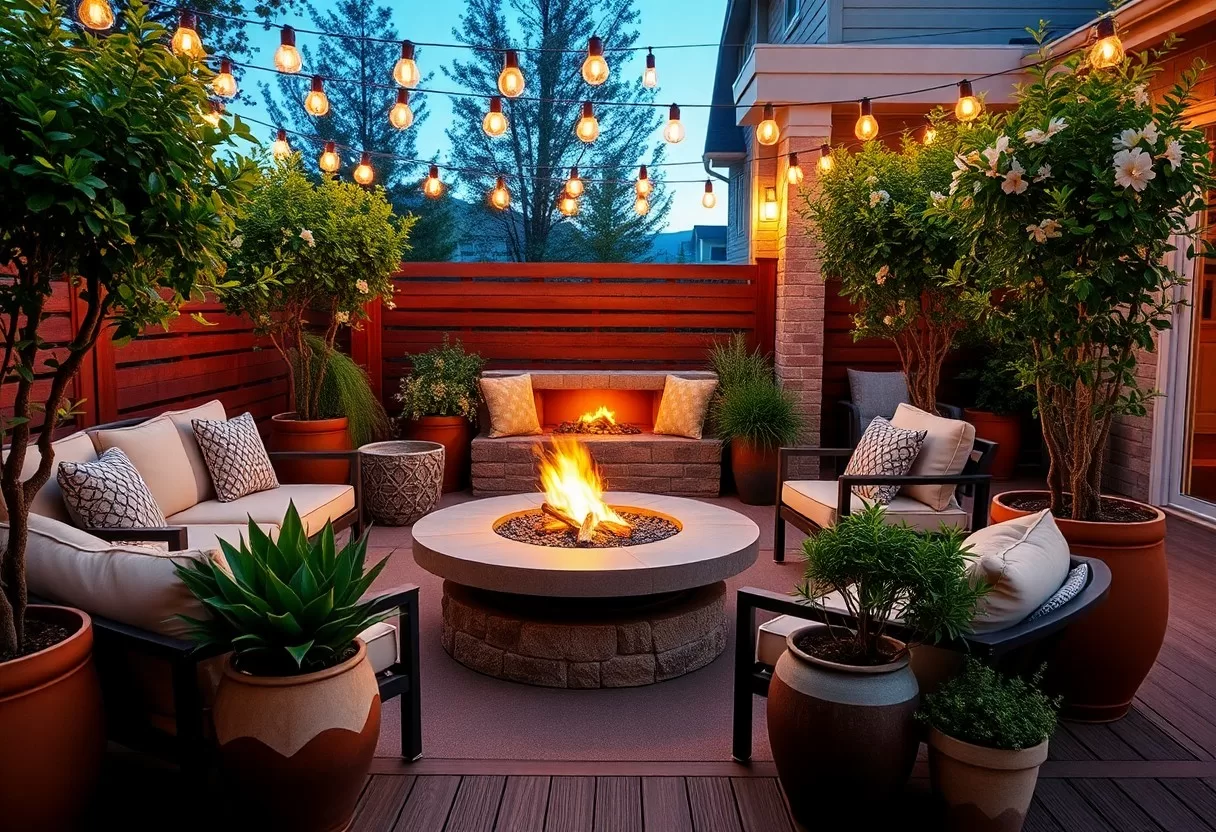
Bringing Life to Your Outdoor Space with Greenery
Integrating greenery into your outdoor space not only adds vibrant color but also enhances the ambiance and ecological balance. From lush trees to delicate flowers, the right selection of plants can create a serene atmosphere that invites relaxation and enjoyment. By thoughtfully layering flora, you cultivate a lively environment that changes with the seasons and supports local wildlife, making your outdoor haven a true sanctuary.
Selecting the Best Plants for Beauty and Maintenance
Opt for low-maintenance plants that complement your aesthetic vision while thriving in your region. Consider native species, as they are well-acclimated to local conditions and often attract beneficial pollinators. Incorporate a mix of perennials for lasting color and annuals for seasonal splashes. Striking a balance between beauty and care will ensure your outdoor space flourishes effortlessly.
Designing Gardens that Flourish Year-Round
A successful garden design incorporates a variety of plants that bloom in different seasons. To achieve year-round interest, include evergreen shrubs for winter structure, spring-flowering bulbs for early color, summer-blooming perennials for warmth, and autumn-hued foliage for vibrant transitions. This diversity ensures that your garden consistently offers visual appeal and habitat for wildlife throughout the year.
Think about layering your garden with plants that offer differing heights, foliage textures, and bloom times. For example, plant earlier blooming flowers like crocuses and daffodils alongside later bloomers such as asters and sedums. Including evergreens such as boxwoods or holly can provide a lush backdrop even in the colder months. This thoughtful combination not only keeps your garden vibrant year-round but also creates a dynamic landscape that evolves naturally, providing you with an endlessly enchanting outdoor retreat.
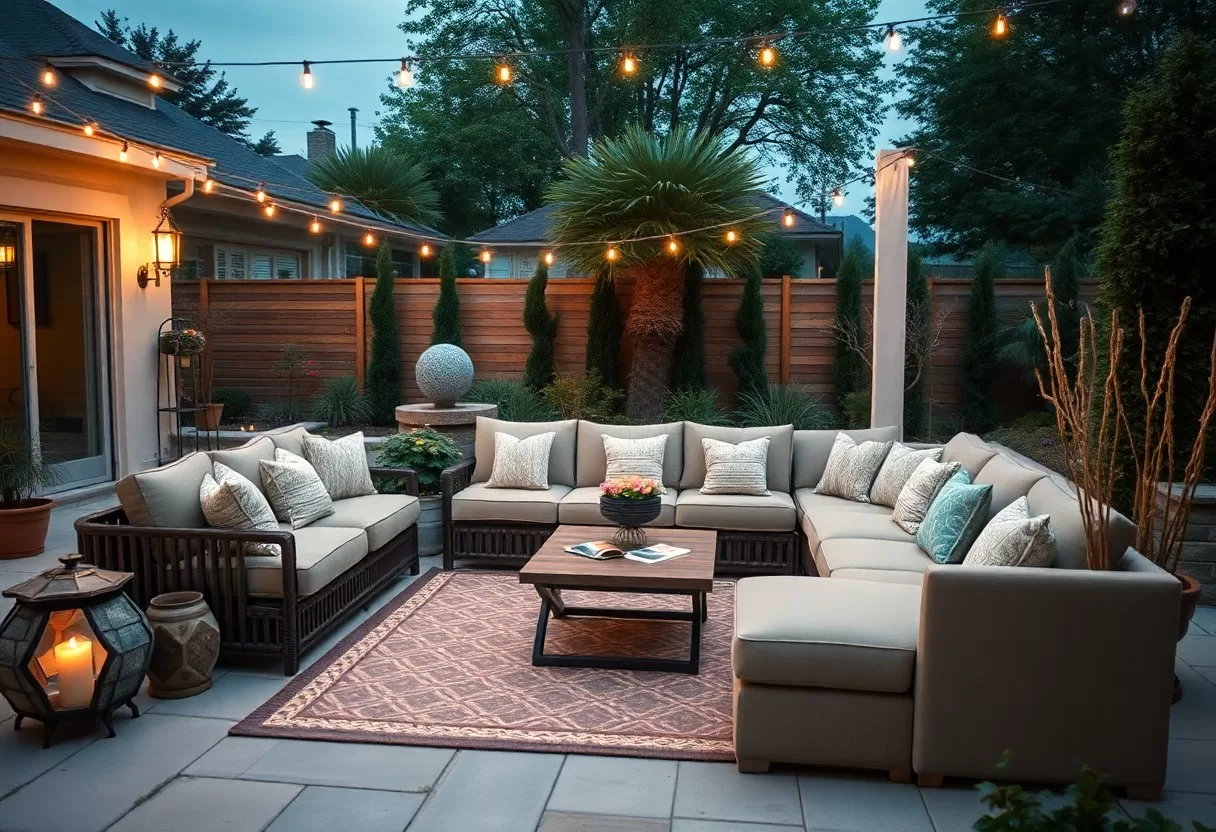
Comfort and Functionality: Essential Outdoor Furnishings
Comfort and functionality are paramount when selecting outdoor furnishings. Your choices should promote relaxation while also catering to the various activities you anticipate in your outdoor space. Opt for weather-resistant materials that blend style with durability, ensuring your furnishings withstand seasonal changes while providing a warm, inviting atmosphere.
Furniture Selection that Enhances Experience
Selecting outdoor furniture that enhances your experience revolves around prioritizing comfort without compromising style. Consider modular seating that can be reconfigured for gatherings or smaller, intimate moments. Adding plush cushions and durable fabrics can elevate comfort levels, creating an inviting ambiance that encourages you and your guests to linger longer.
Incorporating Lighting for Ambiance and Safety
Strategically placed lighting enhances safety and sets the mood for your outdoor area. Incorporate diverse lighting options, such as pathway lights, string lights, and accent lamps, to create a multilayered effect that delivers both function and charm.
Layering your outdoor lighting design means combining different types of lighting to highlight distinct areas and features of your space. For example, solar pathway lights not only illuminate walkways to ensure safe navigation but also add subtle elegance. String lights draped overhead create a cozy, enchanting atmosphere for evening gatherings, inviting guests to enjoy the ambiance. Additionally, spotlights can draw attention to your favorite landscaping elements or hardscape features, further enhancing the aesthetic appeal of your outdoor spaces. By thoughtfully incorporating lighting, you achieve a perfect balance between safety and beauty, transforming your outdoors into a versatile haven day and night.
Creating a Year-Round Retreat with Weather Considerations
Designing your outdoor living space requires thoughtful consideration of various weather conditions to ensure it remains a comfortable retreat throughout the year. Incorporating elements that shield against sun, rain, and wind can transform your patio or garden into a versatile space that you can enjoy regardless of the season. Strategically placed features can enhance both your comfort and the aesthetic appeal of your area while extending its usability year-round.
Incorporating Shade and Shelter Solutions
Integrating shade and shelter solutions significantly enhances your outdoor experience. Options like retractable awnings, pergolas, or shade sails provide protection from the sun’s intense rays, allowing for relaxation during hotter months. Moreover, installing outdoor umbrellas or using natural shade from trees ensures you can enjoy meals or gatherings comfortably without overheating. In addition, consider windbreaks, such as outdoor curtains or strategically placed planters, to create a cozy environment even on breezy days.
Designing for Seasonal Changes and Use
Your outdoor space should seamlessly adapt to seasonal changes. Using dynamic furnishings allows you to tailor the area for warm summer nights or cooler autumn evenings. For example, cozy outdoor heaters or fire pits can extend your time outside well into the fall. Additionally, consider using durable materials that withstand various conditions, like weather-resistant fabrics on cushions and rugs, ensuring they retain their appeal regardless of seasonal wear.
Creating a functional year-round retreat revolves around embracing the unique characteristics of each season. Selecting plants that bloom in different times of the year can add consistent beauty, while movable planters let you adjust your landscape. Choosing versatile furniture is key; opting for storage ottomans and tables that can be rearranged makes it easy to host gatherings in summer and cozy up around a fire in winter. Adding layers with throws and blankets invites warmth and comfort during cooler months, ensuring your space remains inviting and usable, no matter the weather.
Final Words
Following this guide, you now have the tools to transform your outdoors into a stunning and functional living space. By thoughtfully considering design, materials, and features, you can create an inviting area that enhances your lifestyle and adds value to your home. Whether it’s cozy seating, vibrant landscaping, or an entertaining patio, your ideal outdoor haven is within reach. Embrace your creativity and make the most of your outdoor environment to enjoy every moment outside.
Q: What are the key elements to consider when designing an outdoor living space?
A: When designing an outdoor living space, it’s important to consider various elements such as functionality, layout, and aesthetics. Start by determining how you intend to use the space—whether for entertaining, relaxing, or dining. Next, assess your available area and create defined zones for different activities, such as seating areas, dining tables, and fire pits. Additionally, choose materials that complement your home’s architecture while ensuring durability against outdoor elements. Lastly, incorporate landscaping, lighting, and decor to enhance the overall ambiance.
Q: How can I make my outdoor living space more comfortable and inviting?
A: To create a comfortable and inviting outdoor living space, focus on furniture selection and layout. Opt for comfortable seating options with cushions and arrange them to promote conversation and relaxation. Consider adding an outdoor rug to define the space and provide warmth. Incorporate soft lighting, such as string lights or lanterns, to create a cozy atmosphere in the evenings. Moreover, adding features like outdoor heaters, shade canopies, or pergolas can greatly enhance comfort while ensuring the space is enjoyable throughout different seasons.
Q: What plants and landscaping features work best for an outdoor living area?
A: Choosing the right plants and landscaping features significantly elevates the appeal of your outdoor living area. Incorporate a mix of perennials, annuals, and ornamental grasses to provide year-round color and texture. Native plants are also a great option as they require less maintenance and are more resilient to local climate conditions. Incorporating raised garden beds, container gardens, or vertical planters can add dimension and interest. Accessorize with features like water elements, stone pathways, and decorative planters to create a harmonious blend of nature and outdoor living.