
Timeless Traditions – Architecture That Honors the Past
Most architectural styles evolve from a rich tapestry of historical influences, and understanding them can enhance your appreciation of the built environment. By exploring timeless traditions, you can connect with the craftsmanship and cultural narratives that shape structures around you. This blog post probes into how these enduring designs not only celebrate the past but also inform modern practices, underscoring the importance of preserving heritage while embracing innovation. You will gain a deeper insight into the lasting impact of architecture that honors its origins.
Echoes of the Past: The Cultural Significance of Historical Architecture
Historical architecture serves as a tangible connection to your cultural heritage, reflecting the values, beliefs, and lifestyles of previous generations. Each structure tells a story, embodying the societal norms and artistic expressions of its time. As you explore these buildings, you encounter the craftsmanship and materials that shaped your community’s history, fostering a sense of belonging and continuity amidst modernization. The preservation of these sites not only honors the past but also educates future generations, ensuring that history remains a vital part of your identity and community’s narrative.
The Role of Design in Social Identity
Design intricately weaves into the fabric of your social identity, showcasing how architectural styles influence cultural narratives. From gothic cathedrals to minimalist urban homes, each design choice reflects not just aesthetic preferences, but also collective values and historical contexts. You find yourself connecting more profoundly with spaces that resonate with shared experiences, reinforcing your community bonds and personal identity.
The Influence of Tradition on Community Aesthetics
Tradition plays a pivotal role in shaping the aesthetics of your community, influencing everything from urban planning to individual home styles. Historic motifs often dominate public spaces, establishing a cohesive visual language that reinforces cultural identity. This aesthetic continuity fosters a sense of pride and belonging, as you navigate through areas that respect and preserve their unique architectural heritage.
In your community, traditional aesthetics manifest in various ways, from vibrant murals that celebrate local history to architectural styles mirroring regional heritage. You see the lasting impact of such designs in neighborhoods that prioritize historical preservation over modernism, resulting in spaces that feel lived-in and authentic. These environments not only attract tourism, enhancing local economies, but they also encourage residents to embrace and share their cultural legacy. The visual narrative created through these architectural choices resonates deeply, inviting you to participate in a living history that is both beautiful and meaningful.
The Art of Preservation: Techniques That Stand the Test of Time
Preservation of historical architecture requires a deep understanding of both the original materials and construction methods. Techniques such as masonry consolidation, where damaged stone or brick is carefully repaired and reinforced, not only restore aesthetics but also enhance structural integrity. Moreover, the application of natural hydrophobic agents protects surfaces from water damage without compromising historical authenticity. Incorporating these age-old methods ensures that the building’s essence remains as you honor its legacy.
Modern Innovations in Restoration Practices
With the advent of technology, modern restoration practices incorporate advanced methods such as 3D scanning and computer modeling to create precise replicas of architectural elements. These innovations allow you to document and replicate original features with extraordinary accuracy, ensuring that even the most intricate details are preserved. Additionally, techniques like laser cleaning provide a safe approach to remove pollutants without damaging the underlying material.
Balancing Originality with Contemporary Needs
Striking a balance between maintaining the integrity of historical architecture and accommodating contemporary requirements can be challenging. Solutions often involve integrating modern amenities subtly, like installing climate control systems within existing structures. This ensures functionality while preserving the original character. You find that creating adaptable spaces allows for a harmonious blend of old and new, ensuring usability without compromising aesthetic values.
In many successful projects, design adjustments are made discreetly to retain the building’s sense of place. For instance, adding glass partitions within a historic space allows natural light to filter through while respecting original wall structures. By prioritizing sustainable materials that reflect the original character, you achieve modern conveniences without overshadowing the building’s historical significance. This thoughtful approach reassures both stakeholders and the community that you value the past while embracing future functionality.
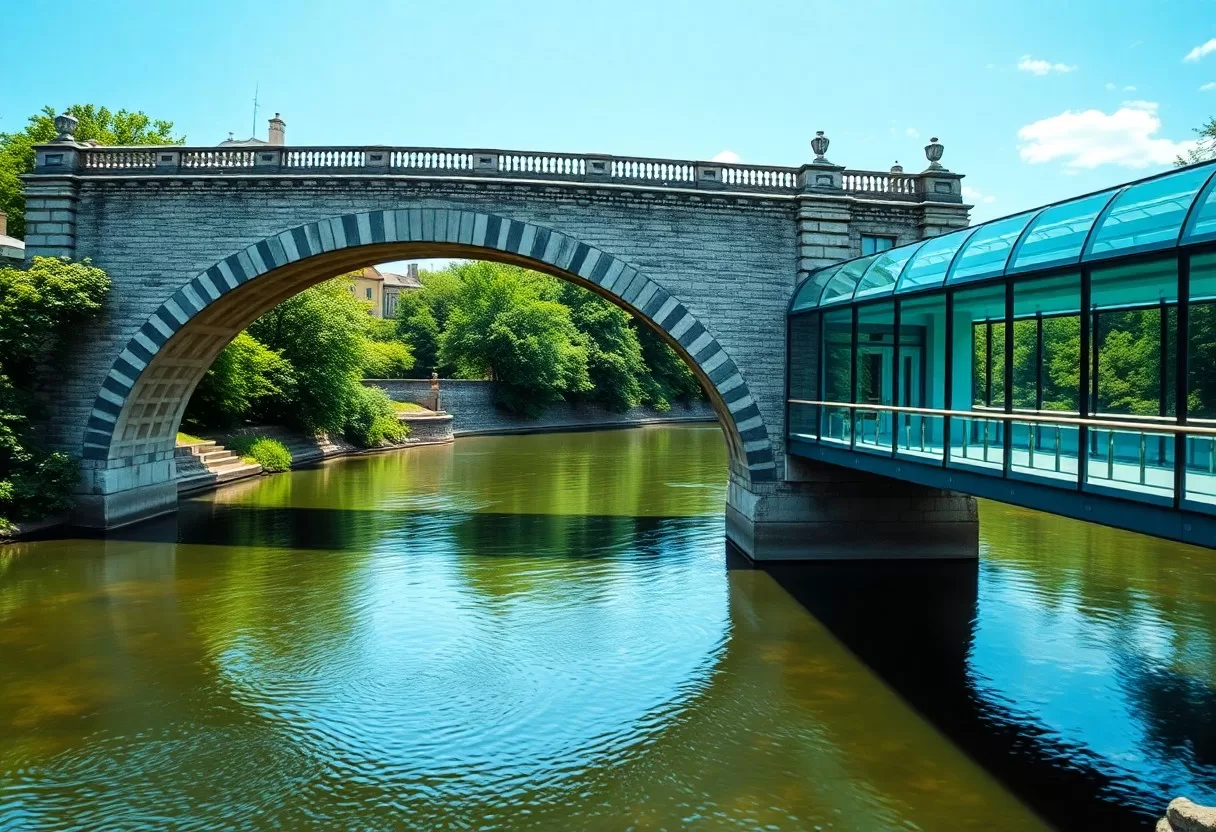
Building Bridges: The Synergy Between Old and New
Integrating historical architecture with contemporary design fosters a dialogue between eras, enhancing the cultural fabric of our cities. You can see this synergy in projects that respect the past while embracing modern needs, resulting in spaces that are both functional and rich in historical context. This blend not only preserves heritage but also revitalizes urban landscapes, demonstrating that respecting history can ignite innovation.
Successful Examples of Adaptive Reuse
Adaptive reuse projects exemplify successful integration of old and new design, such as the transformation of the High Line in New York City. This abandoned railway has evolved into a vibrant public park, embracing its industrial roots while serving modern recreational needs. Another notable case is the Tate Modern in London, where a former power station now houses contemporary art, showcasing how history can enhance creativity.
The Impact of Historical Elements on Modern Design
Incorporating historical elements into modern design enriches your architectural vocabulary, creating a narrative that resonates with viewers. Elements such as ornate facades, arched doorways, and traditional materials not only enhance aesthetics but also reinforce local identity. New structures that draw inspiration from their historical counterparts foster a sense of place, encouraging community engagement and pride.
The impact of historical elements on modern design can be profound. By weaving in architectural features from the past, you enhance the emotional resonance of your projects. Buildings that incorporate historical motifs or replicate traditional craftsmanship often evoke nostalgia, bridging the gap between generations. For instance, the use of local stone or brick in new constructions creates a sense of continuity with the surrounding environment, while contemporary reinterpretations can revitalize and repurpose these styles for modern sensibilities. Projects like the Louvre Abu Dhabi illustrate this concept beautifully, merging light and space with cultural homage, offering a seamless integration of past and future.
The Economics of Heritage: Valuing Timeless Traditions
Preserving architectural heritage offers substantial economic benefits that extend beyond simply maintaining beauty. You can enhance property values and increase community appeal, making neighborhoods more attractive for investment and everyday life. This valuation of heritage plays a pivotal role in sustainable urban development, ensuring that historical significance and modern needs coexist harmoniously.
The Financial Incentives for Preserving Architectural Heritage
Many governments offer tax incentives, grants, and financial assistance programs to encourage the preservation of historic buildings. By taking advantage of these opportunities, you not only contribute to maintaining cultural landmarks but can also reduce renovation and maintenance costs. This alignment of financial benefits with heritage conservation fosters an environment where your commitment to preservation can yield tangible returns.
Tourism and Its Role in Supporting Preservation Efforts
The influx of visitors to historically significant sites provides a vital financial lifeline for preservation initiatives. As tourism expands, funds flow into local economies, allowing you to reinvest in the maintenance and restoration of architectural heritage. Engaging tourists also raises awareness of the importance of preservation, creating a collective responsibility within the community.
Tourism’s influence extends beyond mere visitor numbers; it directly impacts job creation and local business growth. With a Harvard study noting that historic preservation can increase property values by as much as 30%, you see that investing in heritage not only protects the past but also strengthens local economies. The revenue generated from entrance fees, guided tours, and local artisan markets equips you to engage in ongoing maintenance and enhancement projects, ensuring that heritage sites remain not only pillars of cultural identity but also sustainable economic assets well into the future.
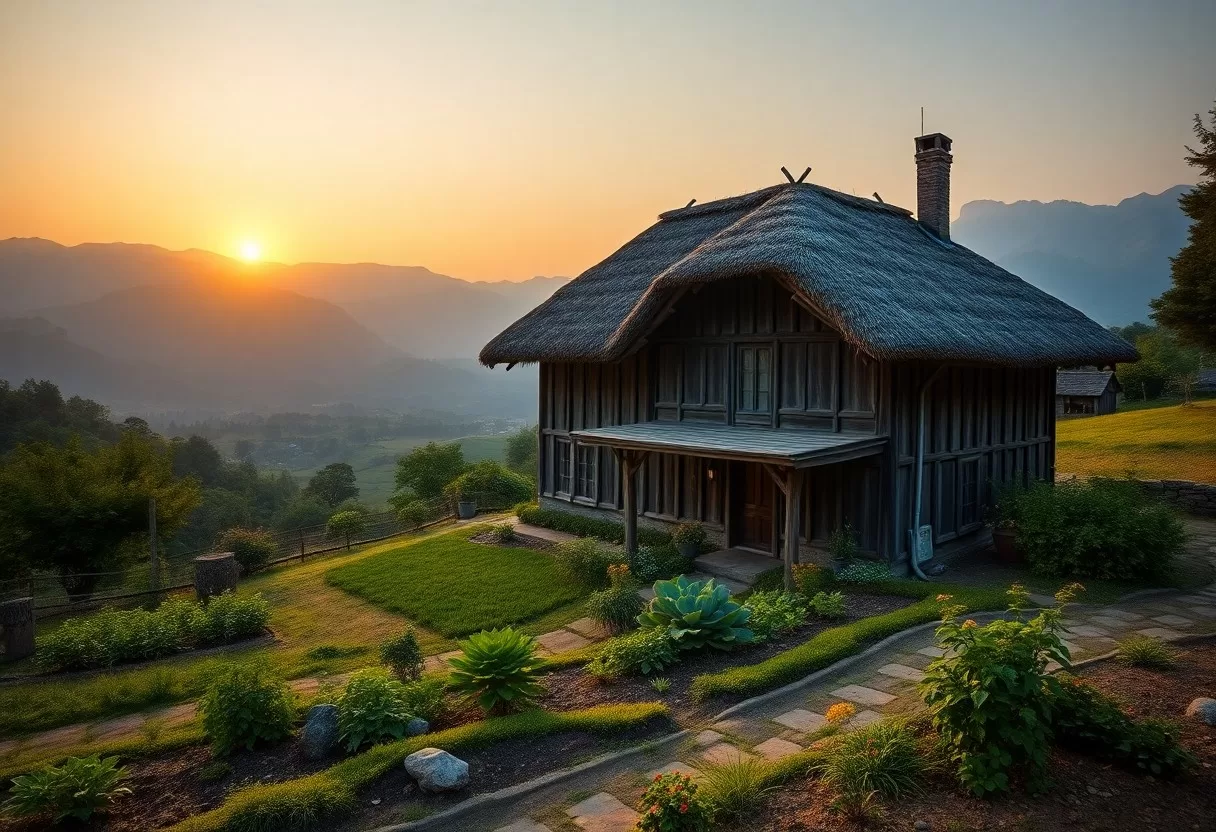
Reflections on Sustainability: Lessons from the Past
Exploring historical architecture reveals how past practices can guide modern sustainability efforts. The integration of local materials and techniques emphasizes a connection between human habitation and the environment. Your understanding of these traditions can lead to a more sustainable approach today, ensuring that benefits are not only for the present but for future generations as well.
Eco-Friendly Practices Rooted in Historical Techniques
Many architectural traditions utilized locally sourced materials and designed structures that enhanced natural climate control. Techniques such as thick walls for thermal mass and strategic window placements for natural light and ventilation are examples of how you can draw from these methods. By adopting these practices, your projects can achieve energy efficiency while resonating with local heritage.
How Tradition Can Inspire Sustainable Urban Development
Incorporating traditional design elements in urban planning fosters a sense of community while promoting conservation. You can look to successful examples like the adaptive reuse of warehouses in urban environments, combining historical integrity with modern functionality. This approach not only preserves cultural identity but also reduces the demand for new materials, aligning with sustainability goals.
Your exploration of traditional methods can enhance urban spaces. Cities that embrace mixed-use development and pedestrian-friendly layouts seen in historical neighborhoods can create vibrant communities. For instance, the revitalization of Greenville, South Carolina prioritized walkable areas filled with shops and homes, reflecting the charm of its past while addressing contemporary needs. By integrating public green spaces and employing collective transport options, you contribute to reducing carbon footprints, preserving local character, and engaging residents in community stewardship. This model demonstrates that urban development can be both innovative and respectful of the past.
Final Words
Conclusively, embracing timeless traditions in architecture allows you to create spaces that not only honor the past but also enrich your present. By integrating historical influences and techniques, you foster a sense of continuity and connection within your environment. Your architectural choices can reflect a legacy of craftsmanship and cultural significance, ensuring that the essence of the past informs your future. Ultimately, these designs enhance your surroundings, providing a lasting impact that resonates with both you and the community.
FAQ
Q: What characterizes the architectural style of Timeless Traditions?
A: Timeless Traditions is characterized by an emphasis on historical architectural details, the use of classic materials such as brick and stone, and design elements that evoke nostalgia. This style often incorporates symmetry, ornate moldings, and craftsmanship that honor the building techniques of the past.
Q: How does Timeless Traditions impact modern architecture?
A: Timeless Traditions offers a framework for modern architects to create buildings that resonate with cultural heritage while incorporating contemporary functionality. This approach encourages the preservation of historical styles and promotes sustainable practices through the reuse of traditional materials and techniques.
Q: What influences the choice of materials in Timeless Traditions architecture?
A: The choice of materials in Timeless Traditions architecture is influenced by regional availability, historical significance, and durability. Materials like wood, stone, and brick are often selected for their aesthetic appeal and their ability to withstand the test of time while reflecting the local architectural vernacular.