
Timeless Fusion – Merging Historic Styles With Modern Elements in Architecture
You will discover how timeless fusion in architecture allows you to blend historic styles with modern elements, creating unique spaces that resonate with both heritage and innovation. This approach not only enhances the aesthetic appeal of your environment but also strengthens the cultural narrative inherent in your surroundings. By embracing these fusion techniques, you can achieve a balance that respects the past while fostering a progressive outlook, ensuring your spaces remain relevant and captivating for generations to come.
Key Takeaways:
- Historic architectural styles can enhance modern designs by adding character and depth.
- The integration of traditional materials with contemporary technologies promotes sustainability and longevity.
- Successful fusion creates spaces that resonate with both heritage and modern functionality, appealing to diverse audiences.
The Historical Context of Architectural Styles
Understanding the historical context of architectural styles is imperative for appreciating their impact on modern designs. Each era reflects the cultural, social, and technological advancements of its time. From the grandeur of Ancient Greek temples to the intricacy of Gothic cathedrals, these styles tell stories of their respective societies and influence contemporary architecture. Recognizing these foundations allows you to better integrate traditional elements into your modern interpretations.
Key Historical Movements
Architectural history is marked by significant movements, each characterized by distinct aesthetics and techniques. The Renaissance revived classical forms, while Baroque emphasized drama and grandeur. The Industrial Revolution introduced new materials, transforming urban landscapes. These movements serve as a wellspring of inspiration for current architects seeking to harmonize the past with modernity.
Influential Architects Through the Ages
Many architects have shaped the course of architectural history, influencing styles and techniques you may incorporate today. Figures like Vitruvius, often regarded as the father of architecture, laid foundational principles in his treatise, while the visionary Frank Lloyd Wright revolutionized the idea of organic architecture, blending buildings with their surroundings.
Exploring the contributions of architects such as Le Corbusier, who championed functionalism and modernist ideals, or Zaha Hadid, known for her futuristic designs, unveils a dialogue between past and present. Understanding their philosophies allows for a more informed approach in your architectural endeavors, blending historic insights with contemporary needs. Each of these figures invites you to explore diverse approaches, illustrating how the tapestry of architecture has been enriched over centuries, and empowers you to push your own creative boundaries.
Understanding Modern Architectural Elements
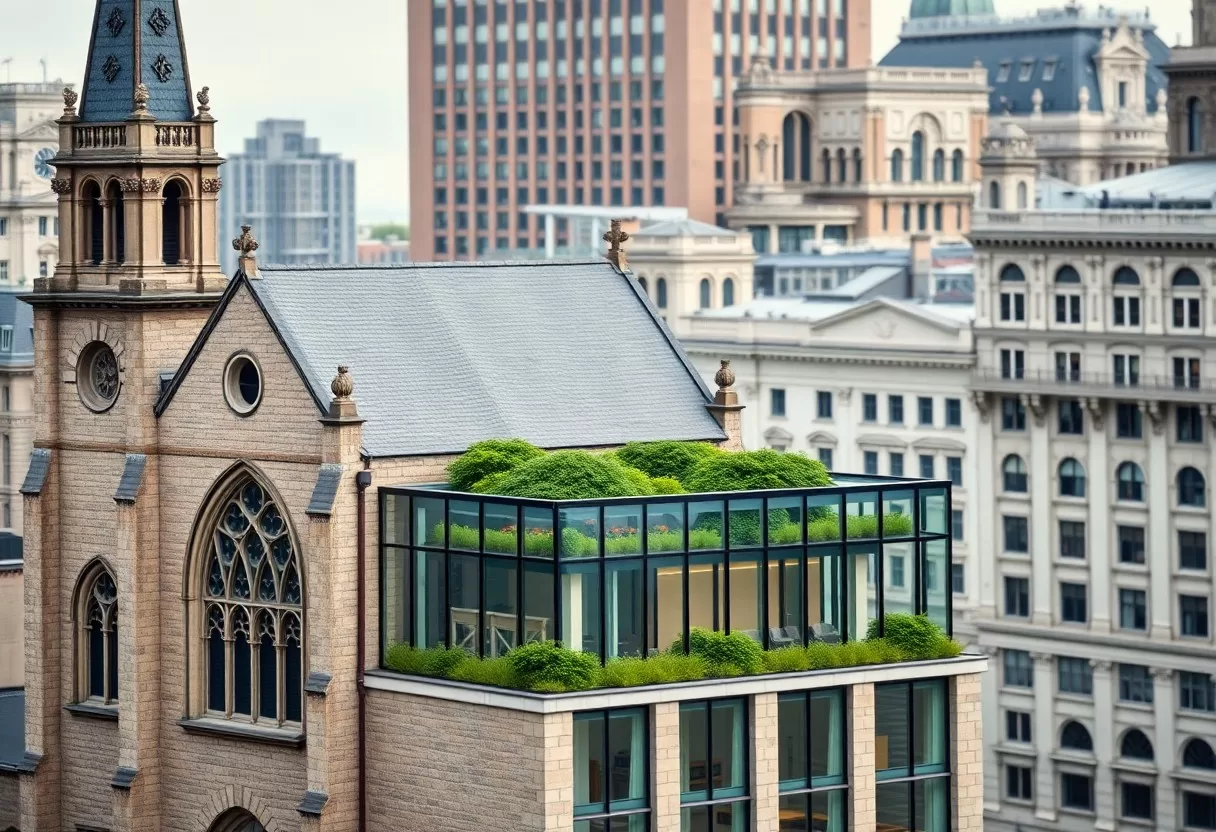
Modern architectural elements emphasize simplicity, functionality, and the innovative use of space. You will find characteristics such as open floor plans, large windows, and minimalistic design features that prioritize natural light and the blurring of indoor and outdoor living. These elements often incorporate clean lines and geometric shapes, providing a stark contrast to the elaborate details typical of historic styles, which fosters a unique blend when combined thoughtfully with traditional aesthetics.
Defining Modernism in Architecture
Modernism in architecture arose in the early 20th century, rejecting past styles in favor of innovation. This movement values functionality over ornamentation, emphasizing efficiency and the use of modern materials like steel and concrete. You can see its influence everywhere, from residential homes to urban skyscrapers, showcasing a commitment to simplicity and the idea that form follows function.
Innovations in Building Materials and Techniques
Innovations in building materials and techniques have revolutionized modern architecture, enabling you to explore new possibilities in design and functionality. Advanced materials like cross-laminated timber and self-healing concrete not only improve structural integrity but also offer a sustainable approach to construction. Techniques such as 3D printing and prefabrication streamline the building process, cutting down time and costs while enhancing customization options.
For instance, cross-laminated timber has emerged as a popular choice for its sustainability and strength, allowing for taller wooden structures that challenge traditional notions of what materials can achieve. Self-healing concrete, infused with bacteria that produce limestone when cracked, addresses longevity and maintenance concerns, making buildings more resilient over time. Additive manufacturing tech, such as 3D printing, can create intricate designs quickly and efficiently, catering to your specific aesthetic needs while minimizing waste. These advancements highlight a shift towards environmentally conscious practices, where innovation and sustainability work hand in hand.
The Art of Merging Styles
Merging historic and modern architectural styles requires a deep understanding of both aesthetics and functionality. By blending elements such as symmetry and ornamentation from the past with contemporary materials and layouts, you create a dialogue between eras that honors tradition while embracing innovation. This balance not only captivates the eye but also fosters an emotional connection, enriching the spaces you inhabit.
Successful Examples of Historic-Modern Fusion
Notable projects like the Seattle Central Library and Altar a la Patria in the Dominican Republic exemplify successful historic-modern blends. The library, with its striking glass and steel facade, draws inspiration from surrounding traditional buildings, while seamlessly incorporating cutting-edge technology and sustainable practices. Such projects demonstrate how careful architectural synthesis can yield spaces that are both visually stunning and functionally relevant.
Challenges and Considerations in Design
Designing a building that successfully merges historic and modern styles often presents several challenges. Issues may arise regarding material compatibility, preservation regulations, and the need to achieve a cohesive aesthetic that satisfies both historical significance and contemporary utility. Thoughtful planning must ensure that modern adaptations do not overshadow the essence of the original structure.
When addressing these challenges, thorough research is key. You must evaluate local regulations concerning preservation, ensuring compliance while navigating the complexities of integrating modern solutions into older frameworks. Additionally, understanding the original architectural language aids in making informed decisions about how new materials or design elements can coexist without compromising the historical integrity. Engaging with specialists can provide insights into balancing modern needs with the preservation of cultural heritage, maintaining a harmonious relationship between the past and present.
The Role of Cultural Identity in Architectural Fusion
Your cultural identity significantly influences architectural fusion by imbuing structures with unique significance and meaning. It promotes a dialogue between the past and the present, allowing modern designs to reflect historical contexts while embracing contemporary needs. This synthesis enhances not just the aesthetic appeal but also the cultural resonance of the built environment, ensuring that spaces remain relevant and rooted in the community’s heritage.
Regional Variations and Traditions
Regional architectural variations showcase the diverse interpretations of cultural identity. For instance, Spanish colonial styles in the Americas merge with local indigenous designs, creating unique adaptations. In Asia, the integration of traditional timber structures with modern materials like glass illustrates how local traditions can inform contemporary practices, resulting in vibrant expressions of place.
Case Studies from Around the World
Examining global case studies reveals how cultural identity shapes architectural fusion. Notably, the Burj Khalifa in Dubai incorporates Islamic design elements, harmonizing with its ultramodern stature. Similarly, the Sagrada Família in Barcelona represents a fusion of Gothic and Art Nouveau styles, illustrating the rich tapestry of architectural influences over time.
- Burj Khalifa, Dubai – Height: 828 meters, completed in 2010, blends Islamic architecture with modern skyscraper technology.
- Sagrada Família, Barcelona – Designed by Antoni Gaudí, combines Gothic and Art Nouveau styles; under construction since 1882.
- Guggenheim Museum, Bilbao – Designed by Frank Gehry, exemplifies organic architecture that reflects local/Bask culture.
- Lotus Temple, Delhi – Finished in 1986, this Bahá’í House of Worship employs Lotus flower symbolism in its modern dome structure.
- The Sydney Opera House – Finished in 1973, features a modernist design inspired by indigenous Australian elements and was developed in response to its coastal surroundings.
Through diverse case studies, you can observe how different regions have employed cultural elements to reshape their skylines. The Burj Khalifa effectively represents the melding of traditional Islamic aesthetics and high-rise architecture, while the Guggenheim Museum highlights the organic forms representative of the Bask culture. Each building tells a story of its environment, proving that architectural fusion can capture both history and innovation.
Sustainability in Timeless Fusion
Merging historic styles with modern elements offers a pathway towards sustainable architecture. By prioritizing energy-efficient designs and materials, you not only preserve the beauty of the past but also minimize environmental impact. This approach embraces the idea of longevity, promoting structures that withstand the test of time while integrating renewable technologies that enhance their functionality.
Eco-Friendly Practices in Historical Renovation
Adopting eco-friendly practices during historical renovations significantly reduces waste and conserves resources. You can incorporate reclaimed materials, utilize natural insulation methods, and ensure proper ventilation to enhance energy efficiency. Renovations like these respect the original architecture while meeting contemporary sustainability standards.
The Importance of Adaptive Reuse
Adaptive reuse revitalizes buildings by transforming them for new purposes without demolishing them. This approach minimizes waste, conserves energy, and maintains cultural heritage. You benefit by saving time and resources, as repurposed structures often require less investment compared to new constructions.
In numerous cases, adaptive reuse has proven economically viable and environmentally responsible. For example, the High Line in New York City repurposed an abandoned railway into a thriving urban park, exemplifying how you can breathe new life into historic structures. This reuse not only preserves the architectural landscape but also reinforces local communities, fostering pride and encouraging the sustainable evolution of urban areas. By choosing adaptive reuse, you contribute to a circular economy where existing resources are valued, thus reducing the demand for new materials and the carbon footprint associated with new constructions.
Public Perception and Acceptance
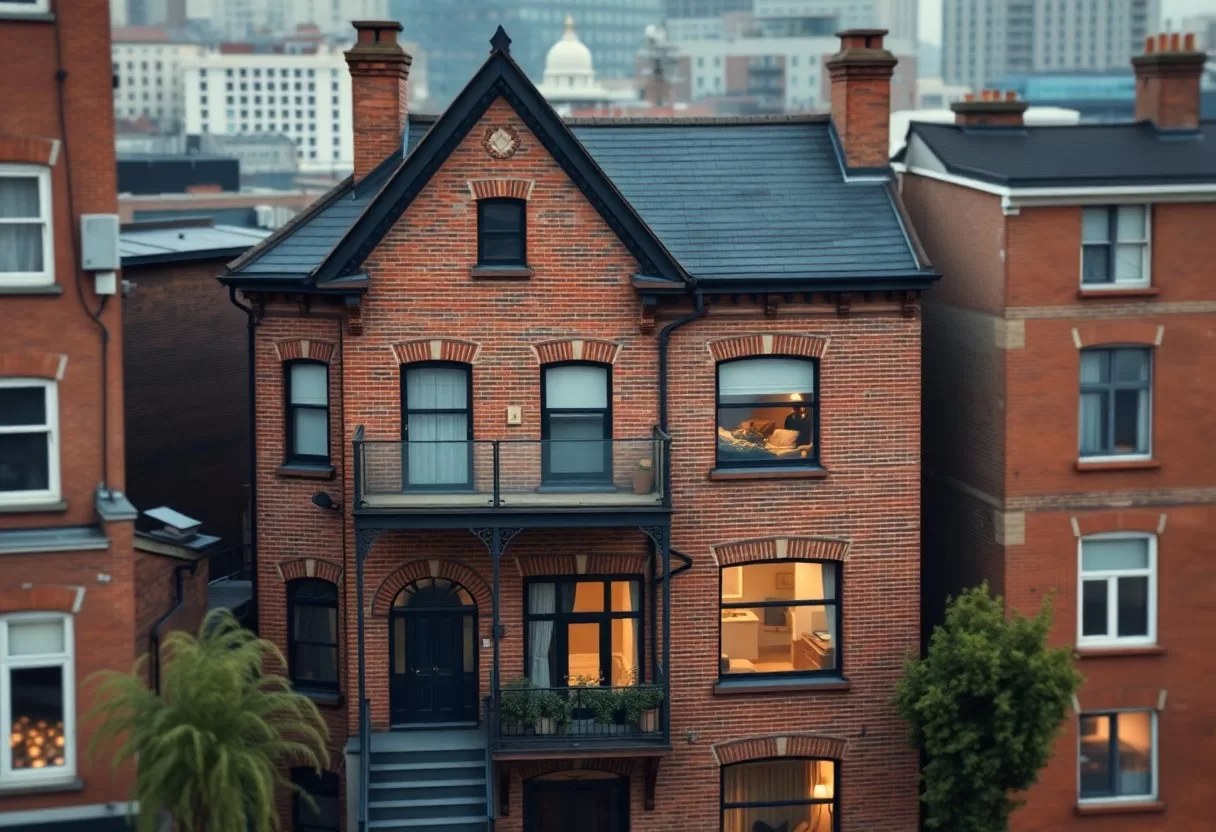
Public perception of fusion architecture can vary widely, influenced by individual experiences and community identity. As you explore Timeless Elegance Meets Modernity: Integrating Historical … designs, you’ll notice that positive reactions often stem from a sense of nostalgia and familiarity, as historic styles resonate with many. However, resistance might arise from the notion of compromising traditional aesthetics, showcasing the need for dialogue and education around this architectural fusion.
How Communities React to Fusion Architecture
Your community’s reaction to fusion architecture plays a significant role in shaping its acceptance. Innovative projects that successfully combine historical and modern elements often foster appreciation and pride among residents. However, mixed reactions can occur, with some members advocating for preservation while others embrace contemporary adaptations. Engagement with community stakeholders through workshops can facilitate understanding and promote inclusivity in decision-making.
The Impact of Education and Awareness
Educational initiatives greatly influence how the public perceives fusion architecture. By promoting awareness of the benefits of merging historical styles with contemporary design, you can counter apprehensions and highlight the environmental and cultural advantages. Projects showcasing successful case studies often garner support, as they provide tangible evidence that respecting architectural heritage and innovative design can coexist harmoniously.
Providing educational resources, such as community seminars or online content, helps demystify fusion architecture. Case studies from various regions illustrate how blending styles can enhance urban landscapes and contribute to sustainable practices. Progress through these educational efforts leads to broader acceptance, ultimately resulting in a transformation of community perspectives, creating a harmonious appreciation for *both* historical and cutting-edge design. As awareness grows, you witness an evolution in public sentiment, fostering a newfound pride in architectural diversity.
Final Words
Upon reflecting on the interplay between historic styles and modern elements in architecture, you can appreciate how this timeless fusion enhances your surroundings. By integrating classical aesthetics with contemporary functionality, your spaces can transcend mere utility, creating environments that evoke both nostalgia and innovation. This approach not only showcases your appreciation for architectural heritage but also caters to current lifestyles, ensuring that your living and working spaces are both beautiful and practical. Embracing this design philosophy allows you to craft a narrative that resonates with personal history while celebrating modernity.
FAQ
Q: What is Timeless Fusion in architecture?
A: Timeless Fusion is an architectural approach that combines historic design elements with contemporary features, creating structures that respect tradition while embracing modern functionality and aesthetics.
Q: How can historic styles influence modern architecture?
A: Historic styles provide a rich vocabulary of forms, materials, and ornamentation that can be reinterpreted in modern contexts. This blending enriches the visual appeal and cultural significance of new buildings.
Q: What are some examples of modern elements used in Timeless Fusion?
A: Modern elements may include open floor plans, energy-efficient materials, technology integration, and minimalist designs, all of which can harmonize with classical styles for a cohesive look.
Q: What are the benefits of merging historic styles with modern architecture?
A: Benefits include preserving cultural heritage, creating unique and engaging spaces, enhancing the character of neighborhoods, and appealing to diverse aesthetic preferences among occupants and visitors.
Q: How does Timeless Fusion address sustainability in architecture?
A: Timeless Fusion promotes sustainability by utilizing modern building technologies and materials that improve energy efficiency while integrating traditional design elements that ensure longevity and relevance over time.