
Timber Renaissance – The Return of Wood in Modern Architecture
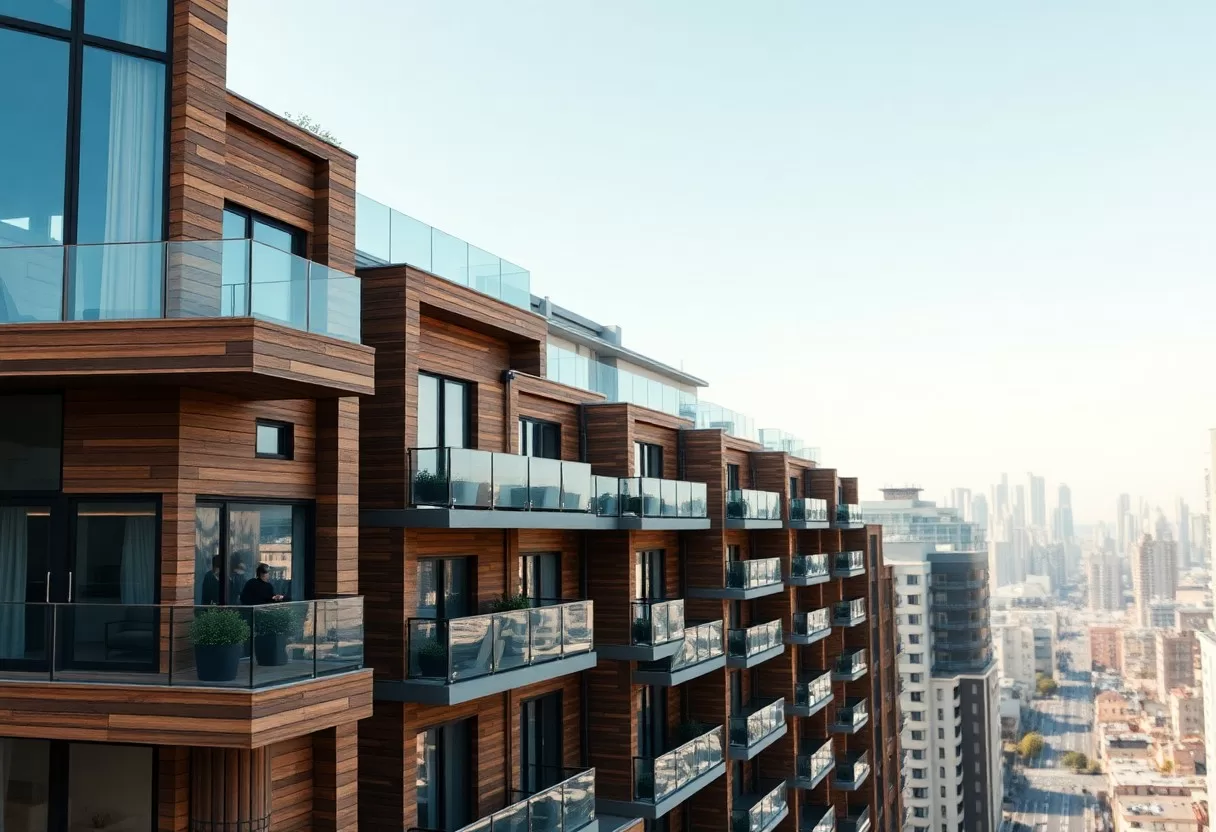
Most architects and builders today are embracing a Timber Renaissance, where wood is once again celebrated as a key material in modern construction. You’ll discover that this movement not only enhances aesthetic appeal but also significantly contributes to sustainability efforts. By choosing timber, you can reduce carbon emissions and promote renewable resources, making your projects more environmentally friendly. As you explore this trend, you’ll find that wood offers natural beauty and versatility that synthetic materials simply can’t match.
Key Takeaways:
- Wood is being reintroduced in modern architecture due to its sustainability and environmental benefits.
- Advancements in timber technology, such as cross-laminated timber (CLT), enable taller and more complex wooden structures.
- Design aesthetics are enhanced by wood, offering warmth and natural beauty while promoting better indoor air quality.
Timber’s Resurgence: A Harmony of Tradition and Innovation
Wood is experiencing a remarkable revival, combining traditional craftsmanship with cutting-edge design and sustainability. The harmony between ancient building techniques and modern architectural demands has brought timber back to the forefront of construction, creating striking structures that resonate with both history and contemporary aesthetics. You’ll find this resurgence not only in residential designs but also in commercial projects, where timber serves as a sustainable solution that aligns with environmental goals.
Historical Context: Wood’s Role in Architecture Through the Ages
Throughout history, wood has been a primary architectural material, dating back to ancient civilizations that utilized it for its availability and workability. From the timber-framed houses of medieval Europe to indigenous longhouses, wood has shaped cultural identities and architectural styles. Its enduring strength and natural beauty have made it a favorite in diverse regions, facilitating a connection with nature while fulfilling practical construction needs.
Technological Advances: Modern Materials and Building Techniques
Recent innovations have transformed how you approach timber in architecture. Advances in engineered wood products, such as cross-laminated timber (CLT) and laminated veneer lumber (LVL), have significantly improved wood’s load-bearing capacities and fire resistance. These engineered materials allow for larger, more open spaces in building designs while maintaining sustainability. You can achieve complex shapes and ensure durability using modern construction techniques and digital modeling, making timber a versatile option for contemporary architecture.
The advent of prefabrication techniques further enhances the efficiency of timber construction. Off-site manufacturing allows for precise cuts and reductions in waste, leading to quick assembly times on-site. In cities like Vancouver, projects such as the Brock Commons Tallwood House showcase how timber can achieve heights comparable to concrete or steel buildings, with a reduced carbon footprint. You can see how these advancements not only optimize the usage of wood but also expand its potential in high-rise architecture, transforming urban landscapes and promoting greener building practices.
Sustainability at Its Core: The Eco-Friendly Appeal of Timber
Timber stands out as a sustainable choice in modern architecture, offering a renewable resource that has minimal environmental impact when sourced responsibly. Its natural insulation properties enhance energy efficiency, reducing reliance on fossil fuels. As cities seek greener solutions, incorporating timber not only lowers energy costs but also enhances the aesthetic quality of spaces, appealing to both architects and environmentally conscious homeowners.
Carbon Footprint: How Wood Contributes to a Greener Future
Wood plays a significant role in reducing your carbon footprint. During its growth, trees absorb carbon dioxide, storing it within their fibers and effectively sequestering carbon over their lifespan. Utilizing timber in building construction helps lock away carbon for decades, reducing the overall greenhouse gas emissions associated with conventional materials.
Sourcing and Certification: Ensuring Responsible Timber Practices
Prioritizing sustainable sourcing is imperative for the environmental integrity of timber. Certifications such as the Forest Stewardship Council (FSC) ensure that wood originates from responsibly managed forests, promoting ethical consumption. Transparent supply chains not only foster ecological stability but also support local economies and foster biodiversity conservation.
Certification systems like FSC or PEFC guide you in selecting timber that meets strict environmental and social standards. These organizations evaluate forest management practices, ensuring that timber harvesting does not compromise the ecosystem. Engaging with these certifications guarantees that your projects contribute to forest conservation, promote the longevity of timber resources, and align with global sustainability goals while empowering communities that depend on forestry for their livelihoods.
Architectural Masterpieces: Celebrating Iconic Wooden Structures
Throughout history, wooden structures have not only defined cultural identities but also showcased innovative design approaches. Today, architects are reimagining wood in striking forms, resulting in stunning examples like the Hassell’s Timber Tower in Melbourne and the Treet building in Norway. These architectural masterpieces embody craftsmanship and sustainability, drawing attention to timber’s aesthetic potential and environmental benefits. By blending artistry with functionality, these designs capture your imagination while inspiring others to embrace wood as a primary building material in modern architecture.
Case in Point: Landmark Projects Redefining Skylines with Wood
Landmark projects like the Canadian Wood Centre in Vancouver and the Brock Commons Tallwood House at the University of British Columbia illustrate timber’s transformative power in urban settings. Rising to heights of over 18 stories, these structures challenge preconceived notions of wood’s limitations, offering visually stunning alternatives to traditional steel and concrete buildings. Your skyline becomes a testament to sustainability and innovation, showing that wood can endure and thrive in towering architectures.
Lessons from Nature: Biomimicry and Organic Design Principles
Biomimicry plays a pivotal role in contemporary wooden architecture, fostering designs inspired by nature’s inherent systems. You’ll find architects embracing shapes and functionalities observed in trees and other flora, leading to optimized structural integrity and energy efficiency. Techniques such as using cross-laminated timber emulate natural forms, enhancing resilience while maintaining lightweight characteristics that reduce material usage.
Architects studying natural forms discover innovative approaches to design. For instance, you might consider the efficiency of tree growth patterns—a framework that informs not just aesthetics but stability in timber structures. Structures like the Mjøstårnet in Norway, the world’s tallest timber building, bluntly demonstrate how organic designs can cater to modern needs, offering strategic advantages in thermal performance and sustainability. This adherence to natural principles enables you to create spaces that harmonize with the environment, inviting occupants to engage with their surroundings in a more profound way.
The Aesthetic Edge: Why Wood Is the Material of Choice for Modern Designers
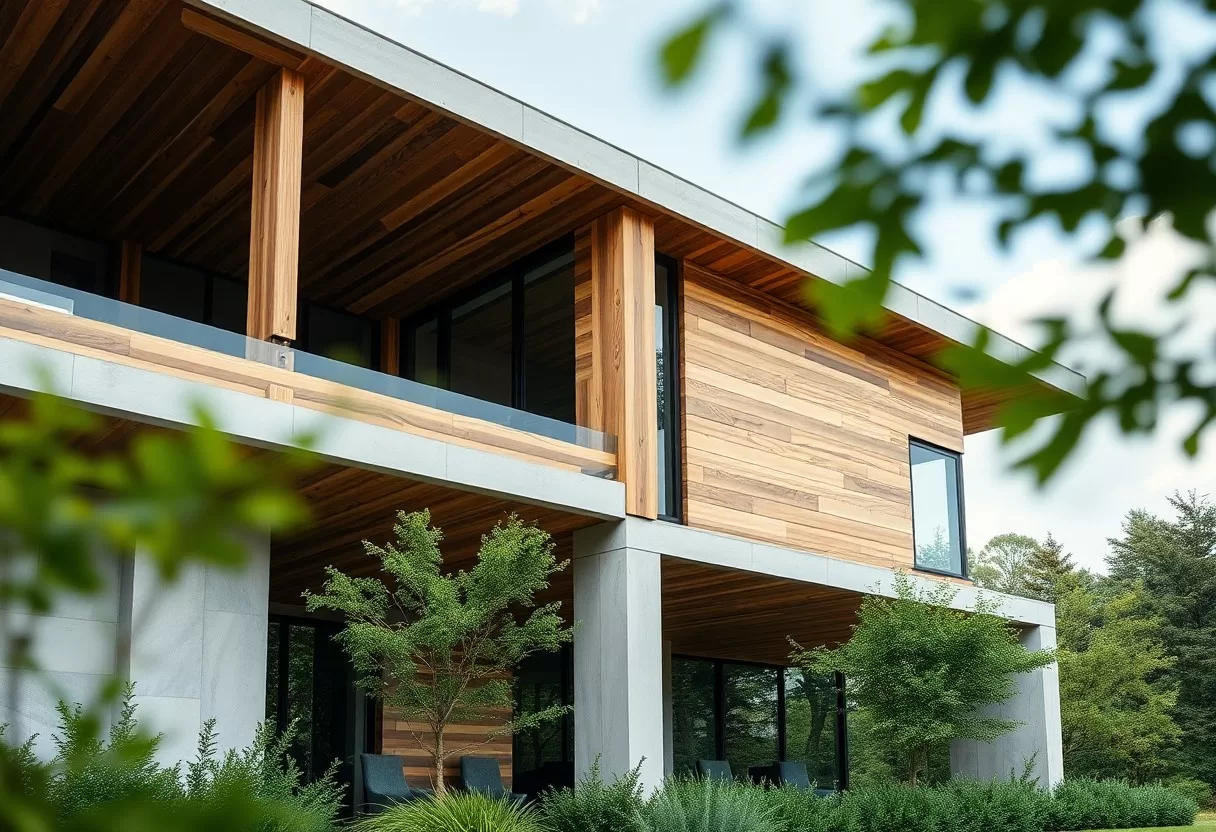
Wood offers an irreplaceable aesthetic appeal, seamlessly merging with myriad design styles and ensuring that each project exudes warmth and sophistication. Its natural grains and textures enhance the beauty of both indoor and outdoor environments, while innovations in treatment and finishing have expanded its color palette and applications. The organic character of timber creates inviting atmospheres, making it a preferred choice for designers eager to evoke emotional connections through their spaces.
Versatility in Design: From Rustic to Contemporary
Timber’s versatility allows it to adapt beautifully to various design sensibilities, ranging from rustic charm to sleek, modern lines. You can utilize reclaimed wood for a vintage feel or polished hardwood to achieve a minimalist aesthetic. Each method showcases timber’s ability to harmonize with other materials, elevating the overall design and offering a unique focal point that aligns with your vision, whether it’s a cozy cabin or a chic urban loft.
The Sensory Experience: How Timber Transforms Spaces
Timber fundamentally alters the sensory experience of any environment, influencing not just visuals but also touch and sound. The tactile nature of wood invites interaction, creating a sense of comfort and familiarity. You’ll notice how the warm tones resonate in a space, making it feel alive, while its ability to absorb sound enhances acoustic quality, resulting in quieter and more peaceful interiors.
Studies demonstrate that natural materials like wood can positively affect wellbeing, reducing stress and fostering tranquility. Incorporating timber elements—such as exposed beams, wooden flooring, or feature walls—can create a sense of connection to nature, known as biophilic design. This approach not only makes your space inviting but also promotes cognitive function and creativity, proving that wood’s appeal extends beyond aesthetics into emotional and psychological benefits.
Overcoming Challenges: The Future of Timber in Architecture
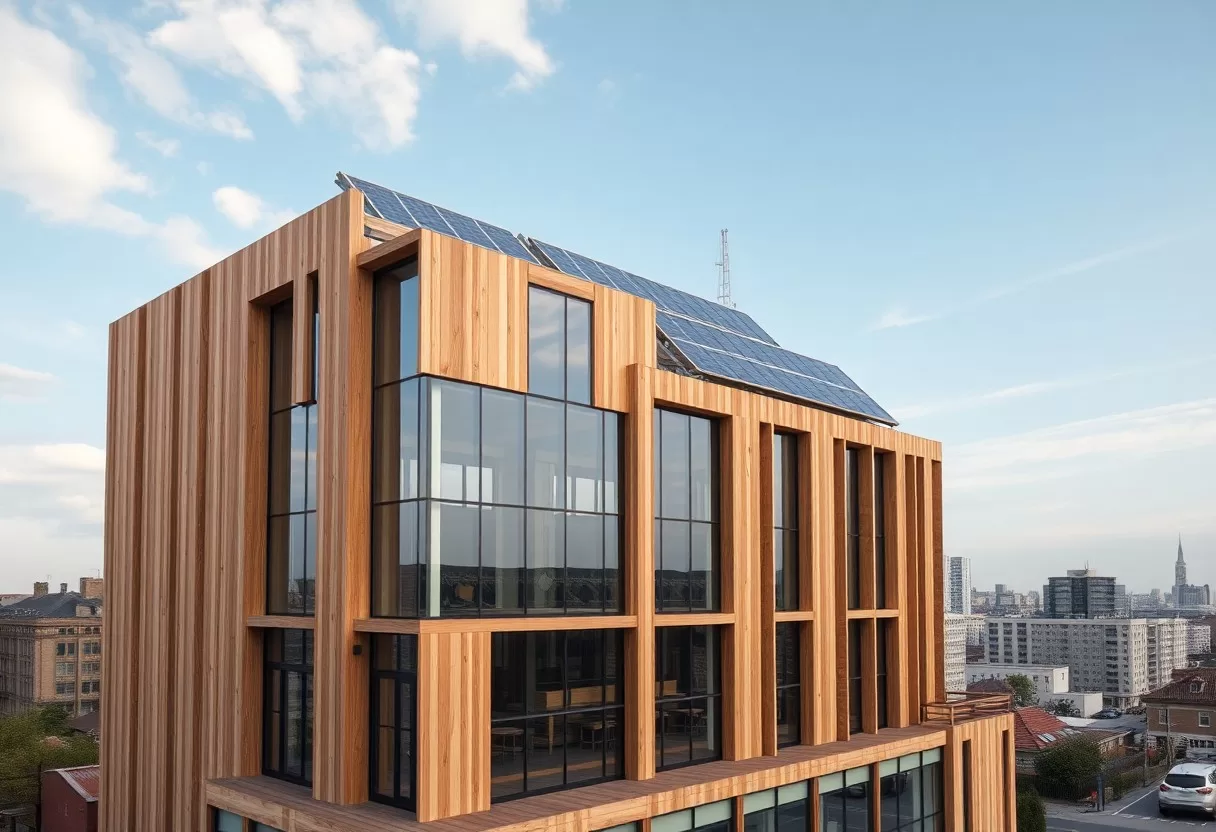
As the demand for sustainable materials grows, the future of timber in architecture hinges on overcoming challenges related to durability, safety regulations, and public perception. Innovations in engineered wood and hybrid construction techniques are paving the way for taller wooden structures, signaling a renaissance in the field. However, to fully embrace timber’s potential, you must address these pressing concerns head-on through research, advocacy, and collaboration within the industry.
Addressing Longevity and Maintenance Concerns
Timber’s longevity and maintenance depend significantly on treatment processes and environmental factors. Advances in wood preservation, such as chemical treatments and improved coatings, enhance resistance to rot and pests. Your choice of wood species also plays a role, as naturally durable varieties like cedar or redwood can withstand the elements better. Ultimately, selecting the right materials and ensuring proper maintenance will help maintain the aesthetic and structural integrity of timber architecture.
Regulatory Hurdles: Navigating Building Codes and Safety Standards
Building codes and safety standards often lag behind innovations in timber construction, creating challenges in project approvals. You may encounter fire safety regulations that restrict the height of wooden buildings or mandates for non-combustible materials. Engaging with local authorities and advocacy groups can help push for updated codes that reflect the latest advancements in timber technology, ensuring that your projects meet safety benchmarks while fostering modern timber architecture.
Navigating regulatory hurdles requires understanding local building codes that can vary widely. For example, many jurisdictions impose strict fire safety standards due to the traditional perception of wood as a combustible material. These regulations can limit the height and design of timber structures, creating barriers for innovative architects. However, emerging technologies, such as cross-laminated timber (CLT) and fire-resistant treatments, demonstrate increased safety and performance, providing evidence needed to engage with policy-makers. Your involvement in advocacy for updated codes can influence change, enabling you to realize your timber architecture vision while maintaining safety and compliance.
Final Words
Now, as you embrace the Timber Renaissance, you are witnessing the remarkable resurgence of wood in modern architecture. This movement not only highlights sustainability and innovation but also revitalizes the aesthetic appeal of spaces you inhabit. By incorporating timber into your designs, you contribute to a harmonious relationship between nature and urban life, enhancing both functionality and beauty. The embrace of wood reflects a broader commitment to eco-friendly living, positioning you at the forefront of architectural evolution. As you navigate this journey, let the warmth and versatility of timber inspire your next project.
FAQ
Q: What is Timber Renaissance?
A: Timber Renaissance refers to the growing trend of using wood as a primary building material in modern architecture. This shift highlights the sustainable qualities of timber, its aesthetic appeal, and advancements in engineering techniques that allow for taller and more complex wooden structures.
Q: Why is wood becoming popular again in architecture?
A: The resurgence of wood in architecture is driven by its environmental benefits, including carbon sequestration, lower carbon footprint compared to concrete and steel, and renewable sourcing. Additionally, wood offers unique aesthetic qualities and contributes to healthier indoor environments, making it a favored choice among architects and builders.
Q: What are the engineering advancements that support timber construction?
A: Recent advancements in timber engineering include the development of cross-laminated timber (CLT) and glulam, which provide enhanced strength and stability. These innovations enable architects to design taller wooden buildings and overcome traditional limitations associated with wood, allowing for creative and innovative structures.