
Textured Walls Are In – From Limewash to Plaster for a Tactile Makeover
Just as you seek to elevate your living spaces, textured walls offer a stunning way to enhance your home’s aesthetic. From the natural beauty of limewash to the elegant finish of plaster, these finishes provide a unique tactile experience that can transform any room. By incorporating these materials, you not only create visual interest but also contribute to your home’s ambiance and character. Discover how these trendy options can bring depth and warmth to your interior design.
Key Takeaways:
- Textured wall finishes like limewash and plaster add depth and interest to interior spaces, enhancing aesthetics.
- These materials promote a tactile experience, inviting interaction and engagement in the home environment.
- Choosing the right texture can complement various design styles, from rustic to modern, providing versatility in decor.
Understanding Textured Walls
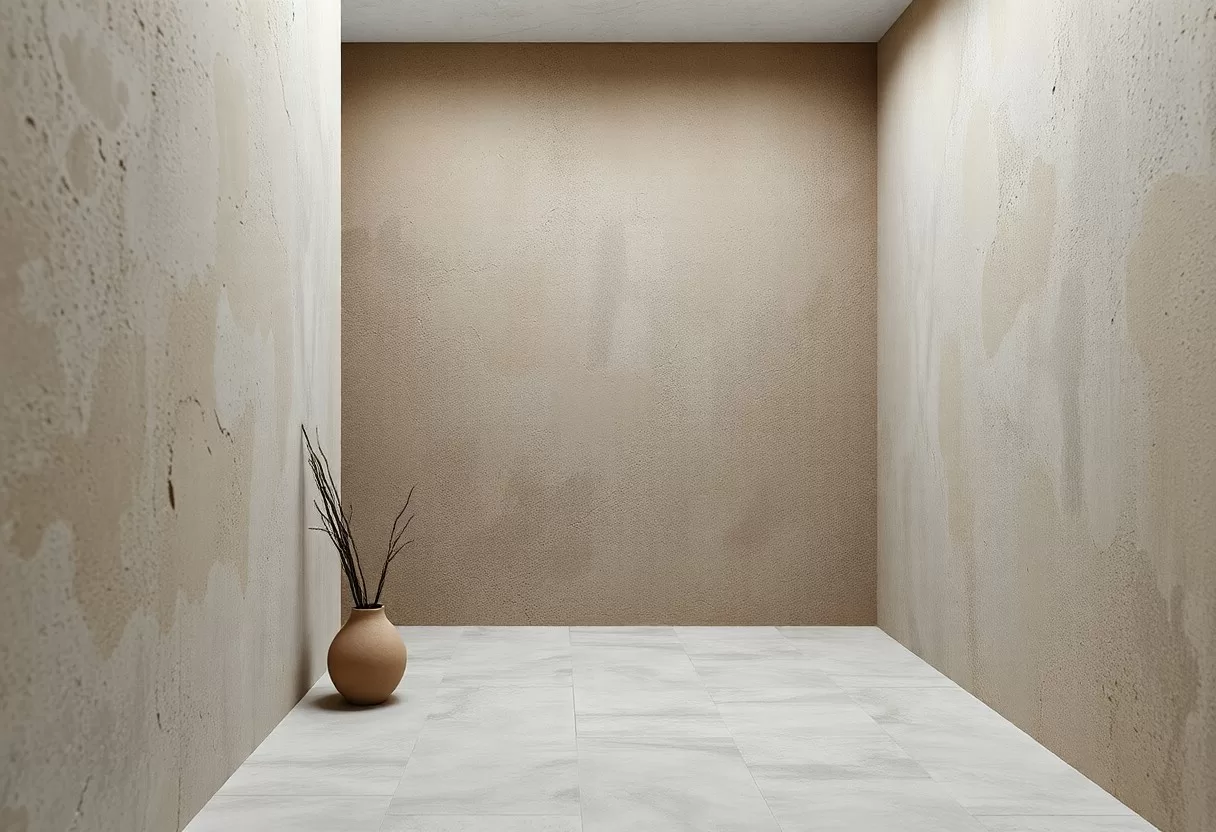
Textured walls create depth and character in your spaces, transforming flat surfaces into visually engaging canvases. Their varied finishes, from robust plaster to soft limewash, invite touch and stimulate the senses, enhancing your interaction with the environment. With the right choice, these surfaces can reflect your personal style while providing a moment of serenity and warmth, making them increasingly popular in contemporary interiors.
The Appeal of Tactile Surfaces
Tactile surfaces are becoming more desirable in interior design due to their ability to evoke emotion and connection. You may find that these textures add an inviting quality to your spaces, making them feel more lived-in and cozy. Unlike glossy finishes, textured walls encourage interaction, allowing you to appreciate the nuanced craftsmanship that goes into each application.
Historical Context and Trends
Your understanding of textured walls can be enriched by exploring their historical significance. These surfaces date back centuries, showcasing various techniques across cultures, from ancient Roman plasterwork to the bold styles of mid-century modern design. As trends cycle every few decades, the current movement towards natural materials elevates the revival of limewash and plaster techniques, seamlessly merging tradition with contemporary aesthetics.
Historically, textured walls found prominence in different eras, often reflecting societal values and available materials. The Greeks utilized intricate plasterwork to showcase artistry, while the Japanese embraced simplicity with their shoji screens and earthen walls. Fast forward to the 20th century, and you see textured finishes flourishing in Art Deco and mid-century homes. Today, as a response to minimalism’s starkness, there’s a renewed appreciation for these textured applications, tying past craftsmanship to modern sensibilities. This revival signals not just a design choice but a deeper longing for authenticity in our living environments.
Limewash: A Natural Choice
Limewash offers a unique, eco-friendly solution for enhancing textured walls, adding a soft, earthy tone to your interiors. This breathable material not only adapts well to various textures, but it also promotes a healthier indoor environment. If you’re curious about the benefits of this mineral-based paint, you can find more information in this article about Is Limewash Good For Textured Walls?.
Benefits of Limewash
Choosing limewash for your textured walls brings several advantages, such as natural breathability, which prevents moisture buildup and mold growth. It’s also highly durable yet remains flexible, allowing it to withstand the natural movements of your home. Additionally, limewash’s low-VOC composition makes it an environmentally friendly choice, ensuring healthier air quality indoors.
Application Techniques
Applying limewash effectively requires some technique, often starting with thorough preparation of the surface. You should first clean the wall to remove dust and debris, followed by a lime-based primer if you’re working with a particularly porous texture. Using a brush, roller, or even a sponge can help achieve the desired finish and texture. For optimal results, apply multiple thin coats rather than one thick layer, allowing each coat to dry fully before proceeding to the next.
For best results, consider mixing your limewash with water to achieve the right consistency, typically around a 1:1 ratio. Start with a brush for edges and intricate areas, gradually switching to a roller for broader sections. Always test your technique on a small surface first to judge how the texture responds. A light mist of water can help with application on highly textured walls, ensuring better adhesion while maintaining the desired finish.
Plaster Finishes
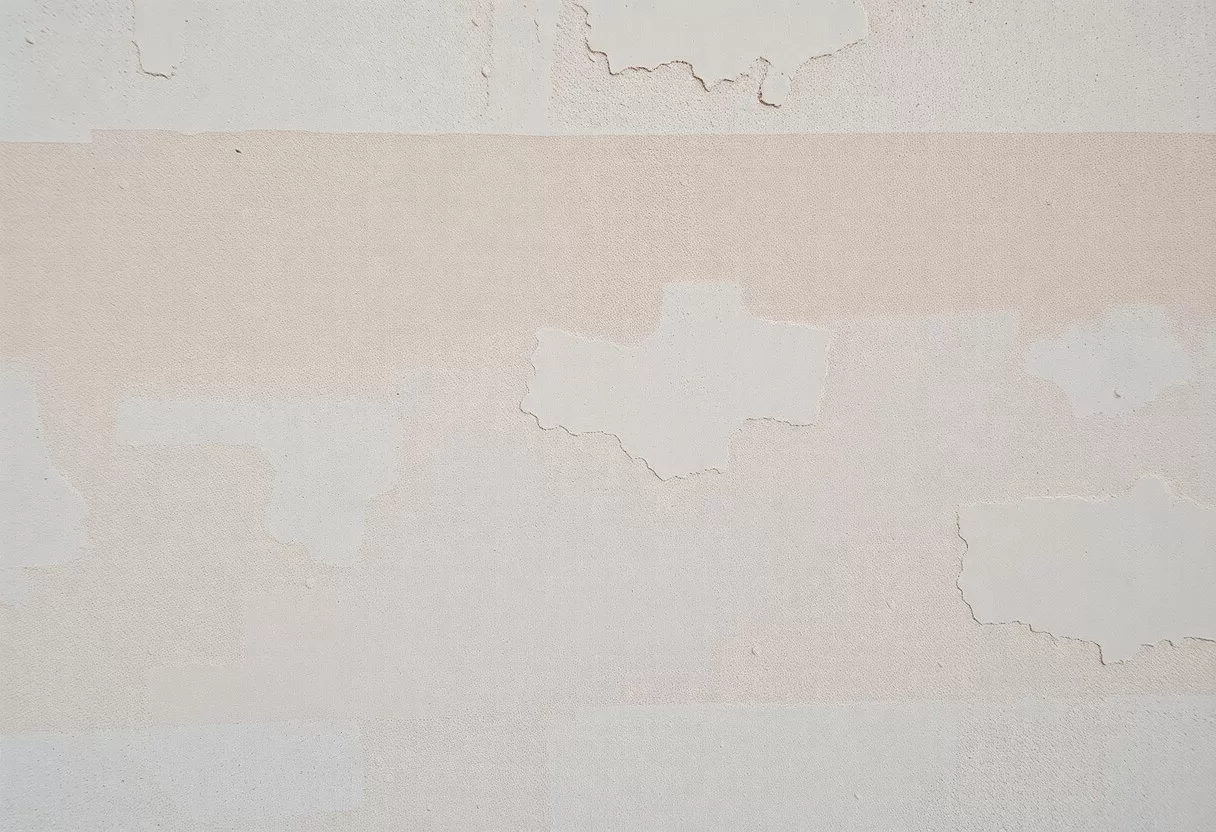
Plaster finishes provide a unique, sophisticated layer to your walls, combining aesthetics with durability. From rustic charm to sleek modernity, these finishes can complement any style. As you explore various options, you’ll discover how they can accentuate the overall beauty of your spaces while offering a strong protective barrier against wear and tear.
Various Types of Plaster
| Gypsum Board | Commonly used for interior walls, lightweight and easy to install. |
| Venetian Plaster | Offers a marble-like finish, ideal for luxurious settings. |
| Clay Plaster | Environmentally friendly option that promotes indoor air quality. |
| Stucco | Durable exterior finish providing texture and weather resistance. |
| Traditional Lime Plaster | Breathable, flexible, and perfect for historical restorations. |
The tactile quality of plaster finishes enhances your home’s ambiance.
Creative Applications and Textures
Incorporating plaster textures into your design offers endless creative opportunities. You can experiment with various techniques like rolling, troweling, or sponging to achieve different effects. From sleek, modern surfaces to distressed, rustic looks, how you apply plaster can drastically alter the atmosphere of a room. Custom textures can also serve as statement walls or accents, making your spaces truly one-of-a-kind.
Maintenance and Care
Owning textured walls means embracing a certain level of maintenance to keep them looking their best. Regular inspections for signs of wear and gentle cleaning routines will help maintain their appeal. For specific techniques, check out this link where Lime washed walls have been my new favorite technique discussed by fellow enthusiasts. Keeping up with maintenance ensures your investment continues to shine and provides lasting tactile beauty.
Long-Term Durability
When properly maintained, textured walls can deliver exceptional longevity. Both limewash and plaster are known for their durability; limewash naturally ages well, developing more character over time, while plaster provides a robust layer that withstands the test of time, resisting cracking and peeling when applied correctly.
Cleaning Techniques
To keep your textured walls impeccable, utilize gentle cleaning methods. Dust can accumulate in grooves and ridges, so start with a soft-bristled brush or a microfiber cloth. For deeper cleans, a damp sponge can remove stubborn dirt, but avoid harsh chemicals that could damage the surface.
For cleaning, avoid scrubbing too hard, as this may disrupt the texture. Use a solution of water and mild soap, testing it in an inconspicuous area first. For limewash, it’s necessary to apply only the slightest moisture to prevent discoloration. If stains persist, consider consulting professionals who specialize in textured wall care to avoid potential damage.
Color and Finish Options
Your choice of color and finish can dramatically alter the mood of a room. Textured walls invite you to experiment with various hues, from muted pastels to bold statements. Each color complements the texture, creating a dynamic interplay of light and shadow. For instance, soft whites and earth tones enhance the natural qualities of limewash, while deep, rich tones can emphasize the complexity of plaster finishes, adding warmth and depth.
Choosing the Right Palette
Selecting the right palette is important for harmonizing your textured walls with overall design. Consider the room’s purpose and lighting; warmer colors can make spaces feel cozy, while cooler tones often create an expansive feel. You might find that pairing textured finishes with a monochromatic scheme allows the surfaces to shine, while contrasting colors can add excitement and drama to your design.
Customizing Textures
Textured walls can be further personalized through innovative techniques, engaging your creative flair. Whether opting for an expert trowel finish or incorporating stenciling alongside traditional textures, customization allows you to express your style. Consider techniques like Venetian plaster for a high-gloss finish or sand finishes for a more rustic look. This level of customization not only elevates aesthetics but also provides a tactile experience that enhances the overall ambiance of your space.
For example, combining various textures in one space can create an intriguing visual narrative. Imagine a living room with a smooth, polished plaster accent wall contrasted by a rough, limewashed fireplace. Such combinations enable you to highlight features you love, while allowing for playful creativity. You can even incorporate techniques like sponging or dragging to produce layered effects, resulting in walls that are not only visually stunning but also rich in character and depth.
Incorporating Textured Walls in Design
Integrating textured walls into your design enhances visual interest and elevates the overall ambiance. Whether through limewash, veneer plaster, or stucco, these materials create dynamic focal points in any room. Positioning textured walls strategically can influence the perception of space, adding warmth and richness while allowing for creativity in color selection and layering.
Complementary Decor Styles
Your choice of decor style plays a pivotal role in how textured walls complement the broader aesthetic. Industrial designs favor rougher, more unfinished textures, while Scandinavian decor embraces softer, muted tones for warmth. Bohemian styles can be enhanced by intricate textures that add depth, whereas modern minimalism benefits from subtle textures that keep spaces feeling light and airy.
Case Studies and Inspiration
Exploring real-world applications of textured walls can ignite your creativity and confidence in design choices. From urban lofts to coastal escapes, here are some impactful case studies that highlight the versatility and aesthetic appeal of textured walls:
- Loft in Chicago: Utilized limewash on bare brick, enhancing the industrial vibe while improving indoor air quality.
- Modern Home in California: Employed plaster for a seamless look, resulting in a 20% increase in perceived space and warmth.
- Bohemian Retreat in Bali: Used stucco walls adorned with natural pigments, creating a harmonious connection to the surroundings.
- Minimalist Apartment in New York: Applied textured wallpaper, which contributed to a 30% improvement in sound dampening.
- Rustic Cabin in Vermont: Combined wood paneling with decorative plaster, leading to increased visual warmth during colder months.
Integrating case studies into your design narrative serves not only as inspiration but also as proof of the transformative power of textured walls. Analysis reveals that homes with textured walls often see improved acoustics, boosted aesthetic appeal, and enhanced ambiance. The statistical data gathered indicates a trend towards sustainable materials, providing both beauty and functionality. When you understand these real-life applications, you can make informed decisions about your own space, leading to an environment that is both personal and inviting.
Conclusion
The choice to incorporate textured walls using limewash or plaster can transform your space into something truly unique and inviting. By embracing these materials, you not only enhance the aesthetic appeal of your home but also create a tactile experience that adds depth and character. As you consider your options, think about how these finishes can reflect your personal style and elevate your living environment. A tactile makeover with textured walls is not just a trend; it’s a lasting investment in the ambiance of your home.
FAQ
Q: What are the benefits of using limewash for textured walls?
A: Limewash offers a unique aesthetic with a natural, breathable finish that enhances the texture of walls. It is eco-friendly, allowing for moisture regulation which helps in preventing mold and decay. Additionally, limewash develops a beautiful patina over time, adding character to interiors.
Q: How do I choose between limewash and plaster for my wall textures?
A: The choice between limewash and plaster depends on desired aesthetics and functionality. Limewash provides a softer, more organic look with a matte finish, while plaster offers durability and can achieve a range of finishes including smooth and polished textures. Consider the room’s humidity and usage when making your decision.
Q: What is the application process for textured walls using plaster?
A: The application of plaster involves preparing the wall surface, applying a bonding agent if necessary, followed by the plaster application in layers. Each layer should be allowed to dry before the next is applied. Finish with texture tools or trowels for the desired look, and seal for protection if required.