
Teal Bloom – Bold Colorful Plants Transform Home Gardens
Teal hues can bring a sensational pop to your garden, making it a vibrant retreat. By incorporating bold colorful plants into your landscaping, you can enhance the visual appeal of your outdoor space while creating a unique atmosphere that reflects your personal style. From striking flowers to lush foliage, these plants can seamlessly elevate your garden’s design.
Key Takeaways:
- Teal Bloom emphasizes the use of bold, vibrant plants to create striking focal points in home gardens.
- The design principles encourage creative layering and combination of colors and textures for visual interest.
- Indoor gardening concepts are also explored, promoting color and liveliness within living spaces.
The Allure of Teal Bloom Plants
Teal bloom plants offer a captivating blend of colors that can dramatically enhance your garden’s aesthetic. Their striking turquoise and green hues stand out against traditional floral palettes, providing a sense of tranquility and vibrancy. By incorporating these plants into your landscape, you create a dynamic focal point that invites curiosity and admiration. The visual impact they deliver goes well beyond mere decoration, making your outdoor space feel more alive and engaging.
Unique Color Palette
The unique color palette of teal bloom plants rests at the intersection of blue and green, marrying the calming qualities of both colors. This eye-catching hue not only harmonizes with other garden shades but also creates a refreshing contrast against warm-toned blooms. You’ll find that teal’s versatility allows it to work beautifully in various settings, from coastal gardens to exotic botanical collections.
Popular Varieties
Among the most popular teal bloom plants are the Echeveria and Hoya species, celebrated for their striking foliage and flowers. Others include the Aloe Blue Elf and Blue Moon Phlox, both known for their vibrant teal hues and resilience in diverse climates. Each variety brings its unique charm, ensuring there’s a perfect fit for your personal style and gardening needs.
For example, Echeveria are succulent plants that not only have beautiful teal rosettes but also thrive in drought conditions, making them low-maintenance. Hoya plants, or wax plants, produce stunning blooms that are not just visually stunning but also fragrant, adding layers of sensory appeal to your garden. On the other hand, the Aloe Blue Elf features unique foliage that transitions through shades of teal, making it a standout choice for succulent enthusiasts. Embracing these varieties allows you to curate a garden that is both colorful and uniquely yours.
Design Ideas for Incorporating Teal Blooms
Integrating teal blooms into your garden design transforms ordinary spaces into vibrant escapes. You can create focal points or serene retreats by strategically placing these bold-colored plants. Use a combination of heights, textures, and colors to allow the rich teal shades to pop against other plants. Consider seasonal flowering patterns to ensure year-round interest, mixing annuals and perennials to achieve a cohesive look that highlights the teal accents beautifully.
Container Gardens
Container gardens serve as an excellent solution for bringing teal blooms to patios or small spaces. Select pots in contrasting colors or materials to highlight the teal foliage, ensuring that the blooms become the centerpiece of your arrangement. Group various-sized containers for visual interest, and combine teal flowers with complementary plants like silvery succulents or deep purple foliage to create dynamic displays.
Garden Borders and Accents
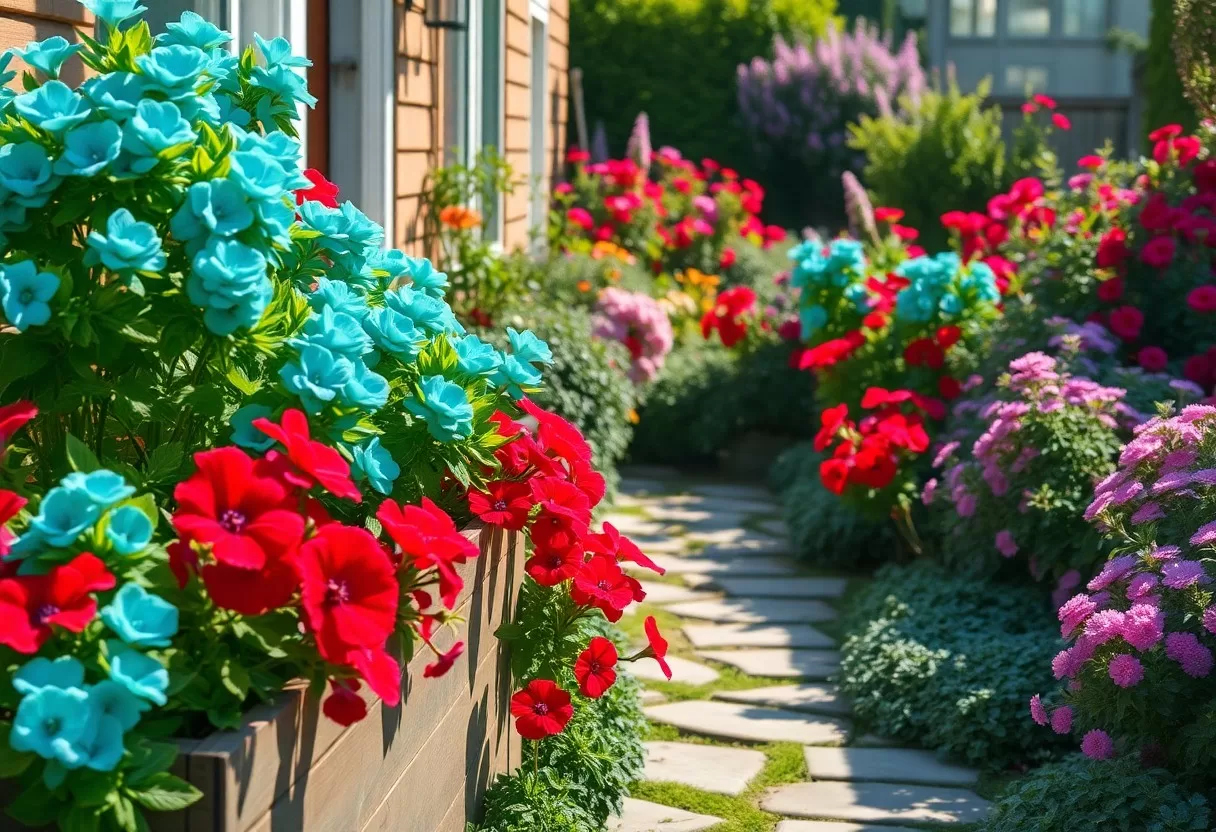
Using teal blooms as garden borders enhances the visual appeal of pathways and flower beds. You can plant teal varieties such as Delphinium or Agapanthus to form striking borders that define your yard’s layout while providing bursts of color. Edging your garden with these vibrant hues creates a welcoming frame, guiding the eye and adding dimension to your landscape. Mixing your teal blooms with lower-growing plants can soften hard lines and make your garden feel more inviting.
Incorporating teal blooms into your garden borders and accents offers striking visual contrasts. Using plants like Vinca or Hydrangeas alongside teal flowers creates a vibrant tapestry that draws attention. Aim for a mix of heights to create layers that add depth, while also ensuring that the boldness of the teal shades stands out. For enhanced appeal, consider planting in irregular patterns or interspersing teal points with white or yellow flowers, which can elevate the overall aesthetic of your garden while maintaining a cohesive design.
Care and Maintenance of Teal Bloom Plants
Successfully nurturing teal bloom plants hinges on understanding their specific care and maintenance needs. Regular attention to soil quality, watering patterns, and pest management ensures your plants thrive, showcasing their stunning colors and robust health. Establish a routine that emphasizes these critical elements for flourishing teal blooms.
Soil and Watering Requirements
Teal bloom plants prefer well-draining soil rich in organic matter, which supports their growth. Aim for a soil pH between 6.0 and 7.5 for optimal health. Water your plants deeply but infrequently, allowing the top inch of soil to dry out between sessions. Overwatering can lead to root rot, while under-watering may stress your plants, so striking the right balance is vital.
Pest Management Strategies
Vigilant pest management protects your teal bloom plants from common threats. Regularly inspect your plants for signs of pests such as aphids, spider mites, and whiteflies. Introduce natural predators like ladybugs or plant insect-repelling companions such as marigolds to reduce infestations. Should pests appear, use targeted organic insecticides that are safe for your plants and the environment.
Integrating pest management strategies can significantly bolster your garden’s health. Regular monitoring allows you to catch infestations early, while maintaining plant diversity can enhance natural resilience. Employing techniques like crop rotation or companion planting not only deters pests but also enriches your soil. Using insecticidal soap can be effective against soft-bodied pests, while introducing beneficial insects creates a balanced ecosystem around your teal blooms. This holistic approach minimizes chemical use and promotes long-term plant vitality.
Seasonal Considerations for Planting
Understanding the right timing for planting teal bloom plants can significantly impact their growth and vibrancy. Each plant species thrives during specific seasons, so aligning your planting schedule with their natural life cycle ensures optimal results. Spring often serves as the ideal time for introducing new teal varieties, allowing them to establish strong root systems before the heat of summer. Additionally, late summer planting can help certain species prepare for the cooler months ahead, ensuring your garden remains engaging and colorful throughout the year.
Best Seasons for Teal Blooms
Teal blooms typically flourish in spring and early summer, when temperatures are mild and rainfall supports healthy growth. For example, plants like the Teal Morning Glory or Teal Salvia show their vibrant colors most effectively during these months. However, late summer can also be advantageous for planting species that require heat to initiate their blooming phases.
Seasonal Color Cohesion
Achieving a harmonious garden involves not just selecting plants but also considering their seasonal variations. By staggering your teal bloom plantings, you create a dynamic color palette that shifts throughout the year. In spring, the rich tones of blooming teal flowers contrast beautifully with early greens, while in autumn, they pair stunningly with warm hues as your garden transitions.
For effective seasonal color cohesion, think about both plant height and bloom timing. Pairing teal bloom plants like Teal Phlox and Teal Agapanthus that flower at different times helps maintain visual interest. Use perennials that bloom in early spring alongside annuals that peak in mid-summer, creating layers of color that enrich your garden’s aesthetic. This strategic planning promotes a seamless flow between seasons, allowing your teal blooms to stand out against a backdrop of varying foliage and flower hues.
Enhancing Biodiversity with Teal Plants
Teal plants not only beautify your garden, but also contribute significantly to biodiversity. By incorporating these vibrant specimens, you create habitats for various species, encouraging a balanced ecosystem. Diverse plant life supports insects, birds, and other wildlife, contributing to a healthier environment. Your garden can become a sanctuary for nature, all while showcasing stunning teal hues.
Attracting Pollinators
Teal plants can be a magnet for pollinators like bees and butterflies. Many of these species thrive on the nectar and pollen that teal blooms provide. By selecting plants such as *Echinops ritro* or *Agastache*, you not only enhance your garden’s aesthetic appeal but also foster a lively pollinator presence. This interaction is vital for crop pollination and overall garden productivity.
Supporting Local Ecosystems
Teal plants play a significant role in supporting local ecosystems. They offer food sources and shelter for a variety of wildlife, creating a harmonious balance in your garden. Native teal flora, such as *Mertensia virginica*, can provide crucial nutrients and habitats for local fauna, helping to maintain indigenous species. By choosing plants that thrive in your region, you contribute to the resilience of local ecosystems.
Testimonials and Success Stories
Real Transformations
Your garden’s potential can be unlocked by teal plants, as illustrated by countless testimonials from satisfied gardeners. One homeowner reported a 300% increase in pollinator activity after incorporating various teal blooms, transforming their yard into a thriving ecosystem. Another shared that their weekly family gatherings now take place amidst vibrant teal and emerald foliage, creating an inviting atmosphere. Local community gardens have also noted increased participation, with more families eager to experience the visual appeal and environmental benefits of these striking plants. These successes highlight how teal blooms can inspire and elevate your gardening experience.
Final Words
From above, it’s clear that incorporating teal bloom plants into your garden can redefine your outdoor space. Their vibrant hues not only create visual interest but also enhance the overall aesthetics of your home. By selecting the right varieties and arranging them thoughtfully, you can cultivate a stunning and inviting environment. Embrace these bold colors to transform your garden into a lively sanctuary that reflects your personal style and brings joy to your outdoor experience.
FAQ
Q: What are Teal Bloom plants?
A: Teal Bloom plants are vibrant, colorful varieties that add bold accents to home gardens. They feature teal hues along with other striking colors, enhancing the visual appeal of outdoor spaces.
Q: How do I care for Teal Bloom plants?
A: Teal Bloom plants typically thrive with regular watering, well-draining soil, and ample sunlight. It’s important to monitor each plant’s specific needs regarding temperature and humidity.
Q: Can Teal Bloom plants thrive indoors?
A: Yes, many Teal Bloom plants can be successfully grown indoors as long as they receive sufficient light and are provided proper care. It’s recommended to place them near windows or under grow lights.
Q: Are Teal Bloom plants suitable for all climates?
A: While many Teal Bloom plants are adaptable, some are specific to warmer climates. It’s imperative to check the hardiness zone and climate requirements for each plant before planting.
Q: How can I integrate Teal Bloom plants into my garden design?
A: Teal Bloom plants can be used as focal points, in borders, or as accents among neutral-colored plants. Mixing them with complementary colors can create a striking visual impact in your garden.