
Sustainable Skylines – The Rise of Eco-Friendly Architecture
Most architects today are shifting towards sustainable design practices, recognizing the urgent need for eco-friendly structures that minimize environmental impact. As you explore this evolution in architecture, you will discover innovative techniques and materials that not only enhance energy efficiency but also reduce carbon footprints. This rise of green buildings marks a significant move towards creating healthier urban environments, aligning with your growing awareness of sustainability in daily life. Embracing this trend allows you to contribute to a more sustainable future while enjoying the benefits of modern, aesthetically pleasing designs.
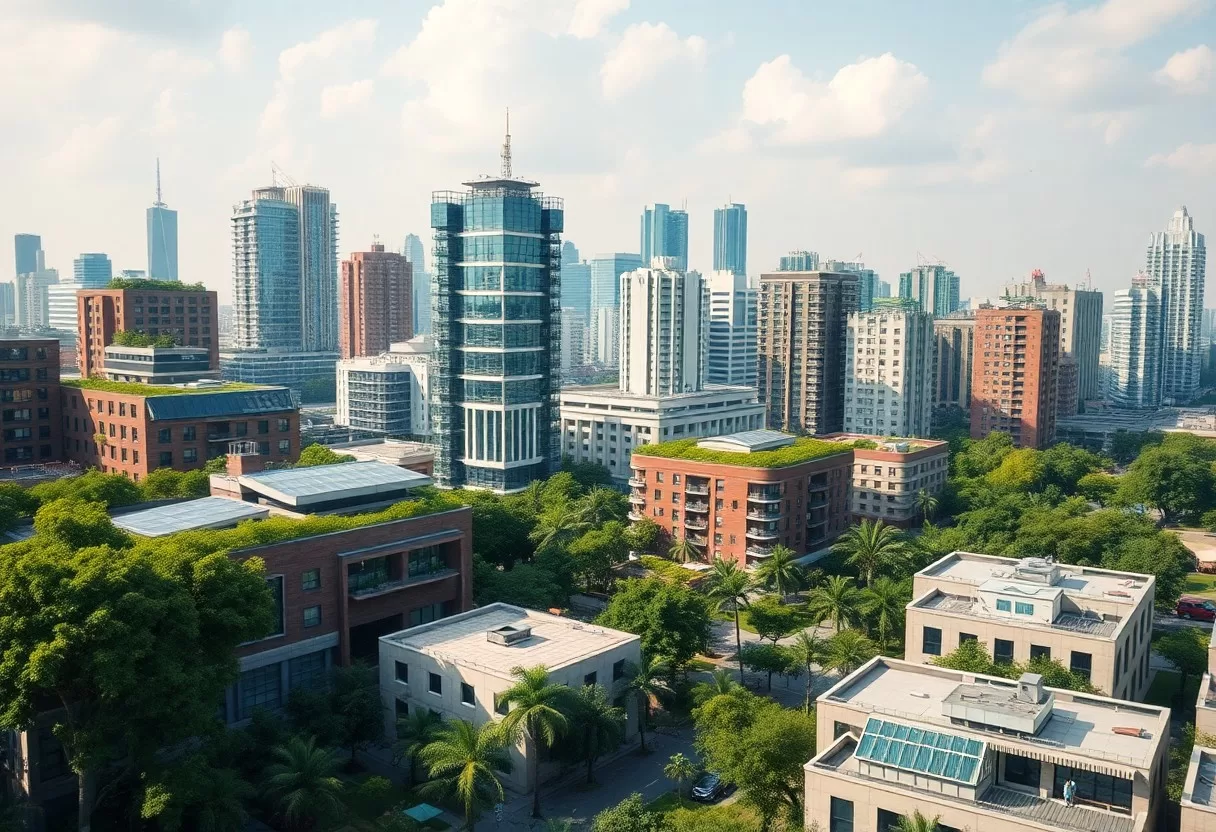
Urban Jungle: The Necessity of Sustainable Architecture
You may not realize it, but the urban landscape actively influences both your health and the environment. Sustainable architecture emerges as a necessary response, integrating green spaces and eco-friendly materials into designs that not only meet aesthetic demands but also foster a healthier living space. By prioritizing sustainability, new structures can significantly reduce your carbon footprint and promote biodiversity, ultimately creating an urban jungle where nature and humanity coexist harmoniously.
Environmental Impact of Traditional Building Practices
Traditional building practices often lead to significant environmental degradation, requiring vast amounts of non-renewable resources and producing substantial waste. Conventional materials like concrete and steel contribute to greenhouse gas emissions, with the construction industry accounting for approximately 39% of global CO2 emissions. Heavy reliance on fossil fuels during production exacerbates this issue, making it imperative to explore sustainable alternatives that minimize ecological impact.
Shifting Urban Populations and Their Demands
Your experience in urban living has changed drastically, with a growing population seeking sustainable alternatives. In fact, cities are projected to house nearly 68% of the world’s population by 2050. This shift demands architecture that not only accommodates more residents but also prioritizes energy efficiency and innovative green design. Faced with challenges like increased density and limited resources, your expectations extend towards eco-friendly developments that enhance quality of life while encouraging community engagement.
The shift in urban populations is reshaping how you interact with your environment. With more people moving to cities, there is an urgent need for infrastructure that meets higher demand while addressing environmental concerns. Consider the rise of co-housing projects or vertical gardens, which not only make optimal use of space but also foster community. Sustainable architecture becomes a necessity rather than a preference, as you and your neighbors increasingly seek spaces that deliver not just functionality but also a commitment to sustainable living practices.
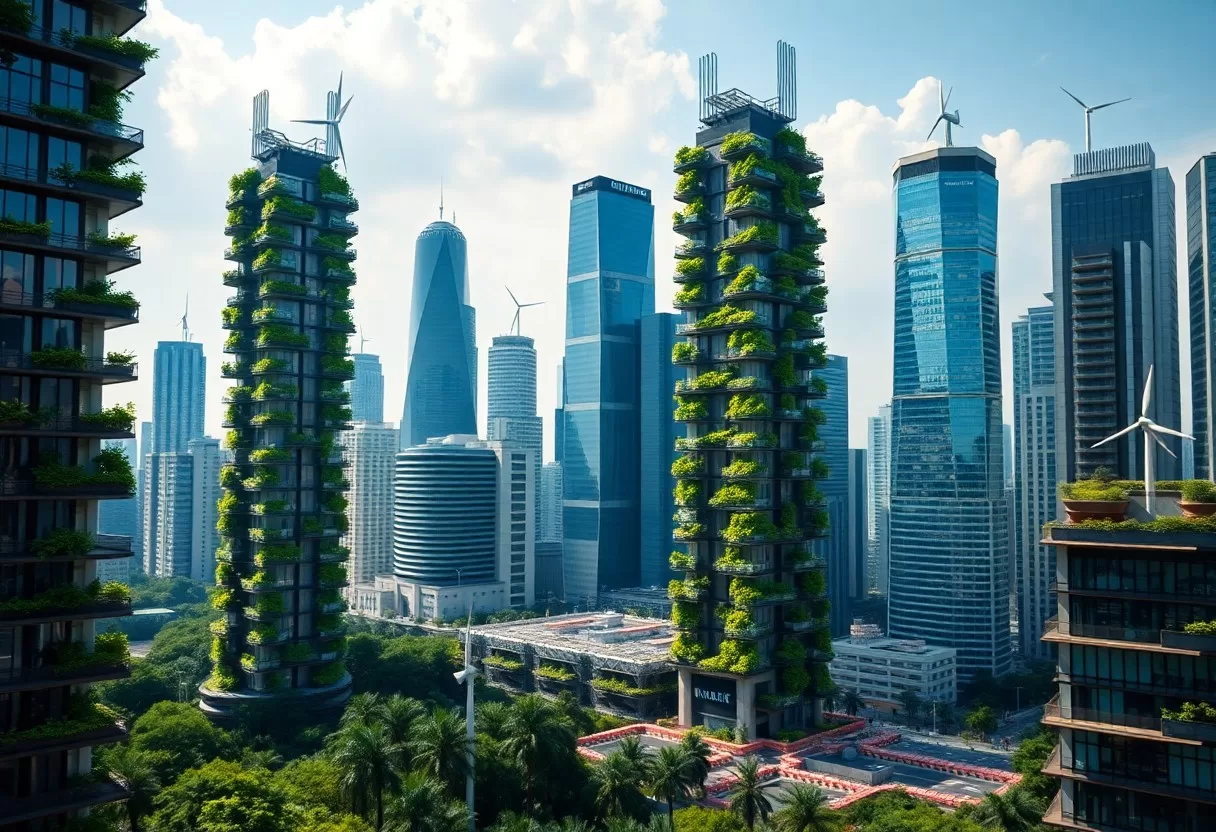
Green Innovations: Technologies Shaping Eco-Friendly Building
Innovative technologies are revolutionizing eco-friendly architecture, enabling you to create buildings that not only reduce environmental impact but also enhance functionality and aesthetic value. From solar panels integrated directly into building materials to advanced energy-efficient heating, these developments play a pivotal role in reducing energy consumption. You can now utilize smart systems that monitor and adjust energy use, ensuring your building operates at peak efficiency, providing a sustainable and cost-effective solution for modern living.
Renewable Materials and Their Role in Construction
Incorporating renewable materials in construction significantly minimizes environmental impact while promoting sustainability. Materials such as bamboo, reclaimed wood, and recycled metal offer viable alternatives to traditional options, reducing dependence on finite resources. You can enhance your building’s sustainability by choosing materials that emit fewer toxins and require less energy to produce, fostering a healthier indoor environment while supporting eco-friendly initiatives.
Smart Design Principles that Enhance Sustainability
Utilizing smart design principles can dramatically elevate the sustainability of your building projects. Concepts such as passive design leverage natural light and ventilation to minimize energy consumption. Integrating green roofs or walls can improve insulation while enhancing biodiversity in urban areas. Adapting your design to the local climate and topography not only reduces energy costs but also creates a more harmonious relationship between your structure and its environment.
Focusing on smart design principles involves strategic planning that prioritizes energy efficiency and ecological balance. For instance, optimizing window placement allows for maximum natural lighting, reducing the need for artificial illumination. Employing high-performance insulation materials ensures temperature control year-round, lowering heating and cooling demands. You can also consider water conservation techniques, like rainwater harvesting systems, which further complement your building’s eco-friendly profile. When these elements are harmoniously integrated, they create spaces that are not just sustainable but also comfortable and enjoyable for occupants.
Financial Gains: The Economics of Going Green
Investing in eco-friendly architecture not only contributes to environmental sustainability but also presents significant financial advantages. You can expect to see a reduction in operational costs, increased property value, and potential tax incentives. By prioritizing green building practices, you position yourself favorably within a growing market that increasingly values sustainable living.
Cost Savings Through Energy Efficiency
Energy-efficient buildings drastically reduce utility costs, allowing you to save money in the long run. By incorporating smart technology and renewable energy sources, you may see reductions of up to 30-50% in energy consumption. These savings can significantly offset initial investment costs, making it a financially sensible decision.
The Market Value of Eco-Friendly Properties
Eco-friendly properties command higher market prices. Homes with green certifications can sell for up to 10% more than traditional counterparts. Buyers are increasingly willing to invest in sustainable features due to lower operating costs and a healthier living environment, enhancing your potential returns.
Research shows that eco-friendly properties not only sell for higher prices but also have a faster turnover rate compared to standard buildings. For instance, a Zillow report indicated that homes with green features spent 10-15% less time on the market. This swift market movement enhances liquidity for your investments, making eco-conscious choices not just an ethical obligation but a lucrative strategy as well.
Exemplars of Excellence: Pioneering Projects Redefining Skylines
Leading the charge in sustainable architecture, exceptional projects around the globe illustrate innovative approaches to eco-friendly design. From the vertical forests in Milan to the zero-energy buildings in Scandinavia, these structures not only minimize environmental impact but also enhance urban aesthetics. You can draw inspiration from these advancements, as they seamlessly blend sustainability with functionality, paving the way for future developments.
Notable Buildings Leading the Way
The Bosco Verticale in Milan showcases how vertical greenery can combat urban pollution while providing residents with nature-infused living spaces. Similarly, the One Central Park in Sydney incorporates solar energy and rainwater harvesting into its design, emphasizing the integration of nature with urban life. These buildings demonstrate that you can achieve a harmonious balance between sustainability and modern architecture.
Lessons from Global Eco-Centric Developments
Analyzing successful eco-centric projects reveals multifaceted strategies you can implement in your own endeavors. Insights include the importance of local materials, community involvement, and innovative energy solutions, all of which heighten sustainability. Furthermore, adaptive reuse of existing structures can significantly reduce waste and carbon footprints, proving that sustainability can often be tied to restoration.
Project examples like the High Line in New York City emphasize the benefits of transforming neglected urban spaces into thriving green areas, fostering community engagement and ecological awareness. Meanwhile, the Bullitt Center in Seattle stands as a model for net-zero energy buildings, achieving its goal through meticulous design and renewable energy integration. These developments inform you that combining creativity with practical sustainability leads to successful, innovative solutions in modern architecture.
The Future of Our Cities: Visionaries and Their Voices
Your cities are evolving, driven by innovative thinkers who prioritize sustainability. Visionaries in architecture and urban planning are utilizing cutting-edge technologies, such as 3D printing and smart materials, to create eco-friendly structures that breathe life into urban spaces. This movement is characterized by a collective commitment to not only aesthetics but also the well-being of the environment, paving the way for a greener future.
Architects and Planners Driving Change
Visionary architects and urban planners are leading change by integrating renewable energy solutions into their designs. For instance, firms like Bjarke Ingels Group and Foster + Partners embrace biophilic design, harmonizing buildings with nature and significantly reducing carbon footprints. Their focus on energy efficiency and sustainable materials demonstrates a commitment to creating environments that benefit both people and the planet.
Community Engagement: The Key to Sustainable Development
Engaging with local communities ensures that sustainable development initiatives reflect the desires and needs of residents. Collaborative workshops and feedback sessions help shape urban projects, fostering a sense of ownership and accountability among citizens. Such participation can lead to designs that are not only environmentally sound but also enrich the cultural and social fabric of neighborhoods.
Community engagement initiatives, such as the Participatory Budgeting in various cities, empower residents to decide how funds are allocated for local projects. When communities are involved, sustainable development becomes more than a concept; it transforms into tailored solutions that resonate with people’s lives. Through shared visions and collective efforts, cities can evolve into vibrant, resilient environments that reflect their inhabitants’ aspirations while addressing environmental challenges.
Conclusion
Upon reflecting on the rise of eco-friendly architecture, you can see how it transforms urban landscapes into sustainable skylines that benefit both the environment and communities. By embracing innovative design and sustainable materials, you contribute to a healthier planet and a harmonious balance between nature and city living. Your choices in supporting these initiatives can lead to a greener future, where your city thrives, and quality of life improves for all residents. Engaging with sustainable architecture paves the way for resilient urban spaces that prioritize ecological integrity and social well-being.
FAQ
Q: What is eco-friendly architecture?
A: Eco-friendly architecture focuses on designing buildings that minimize environmental impact. It incorporates sustainable materials, energy-efficient systems, and practices that reduce waste, lower carbon footprints, and enhance the well-being of occupants.
Q: How does eco-friendly architecture contribute to urban sustainability?
A: Eco-friendly architecture promotes urban sustainability by utilizing green building techniques, reducing energy consumption, and improving air quality. It fosters biodiversity through the integration of green spaces and encourages sustainable transportation options, leading to healthier cities.
Q: What are some examples of eco-friendly building materials?
A: Examples of eco-friendly building materials include recycled steel, bamboo, reclaimed wood, straw bales, and low-VOC (volatile organic compound) paints. These materials not only reduce environmental impact but also often enhance the aesthetic appeal and durability of buildings.