
A Greener Home Office – Sustainable Products and Practices for Remote Work
Over the past few years, transforming your workspace into a more sustainable environment has gained importance, especially as remote work becomes the norm. By adopting eco-friendly products and implementing intentional practices, you can significantly reduce your carbon footprint while enhancing your productivity. Simple changes, such as using energy-efficient equipment and choosing sustainable materials for your office setup, can lead to a healthier, more positive home working atmosphere. Prioritizing these adjustments not only benefits the planet but also contributes to your overall well-being.
Key Takeaways:
- Utilize energy-efficient devices to reduce electricity consumption.
- Incorporate sustainable office materials, such as recycled paper and eco-friendly furniture.
- Implement waste reduction practices, including digital documentation and recycling programs.
- Opt for indoor plants to enhance air quality and promote a calming workspace.
- Encourage a minimalist approach to reduce clutter and unnecessary purchases.
Understanding Sustainability in the Home Office
Sustainability in your home office means creating an environment that minimizes your carbon footprint while maximizing efficiency. This encompasses your choice of materials, energy consumption, and waste management practices. By incorporating sustainable products and practices, you not only improve your workspace but also contribute positively to the planet, aligning your professional life with ecological responsibility.
The Importance of Sustainable Workspaces
A sustainable workspace significantly reduces resource consumption and promotes a healthier work-life balance. Research indicates that energy-efficient lighting and ergonomic furniture can enhance productivity by as much as 20%. Furthermore, creating an eco-friendly office contributes to your well-being, increases morale, and signals your commitment to sustainability to colleagues and clients alike.
Key Principles of Sustainability
Focusing on the key principles of sustainability—reduce, reuse, and recycle—helps you create an eco-conscious office. By minimizing waste and opting for durable, multifunctional items, you decrease your environmental impact. Your sustainable choices, from furniture to electronics, should prioritize renewable resources and consider the lifecycle of products to ensure long-lasting eco-friendliness.
When applying the principle of reduce, aim to limit single-use items and unnecessary purchases, focusing instead on quality and durability. The reuse aspect encourages you to repurpose or upcycle items whenever possible, reducing landfill contributions. Finally, implementing a robust recycling system for paper, plastics, and electronics in your home office not only declutters your space but also fosters a more sustainable mindset, ensuring that your work environment reflects your commitment to the planet.
Eco-Friendly Furniture Choices
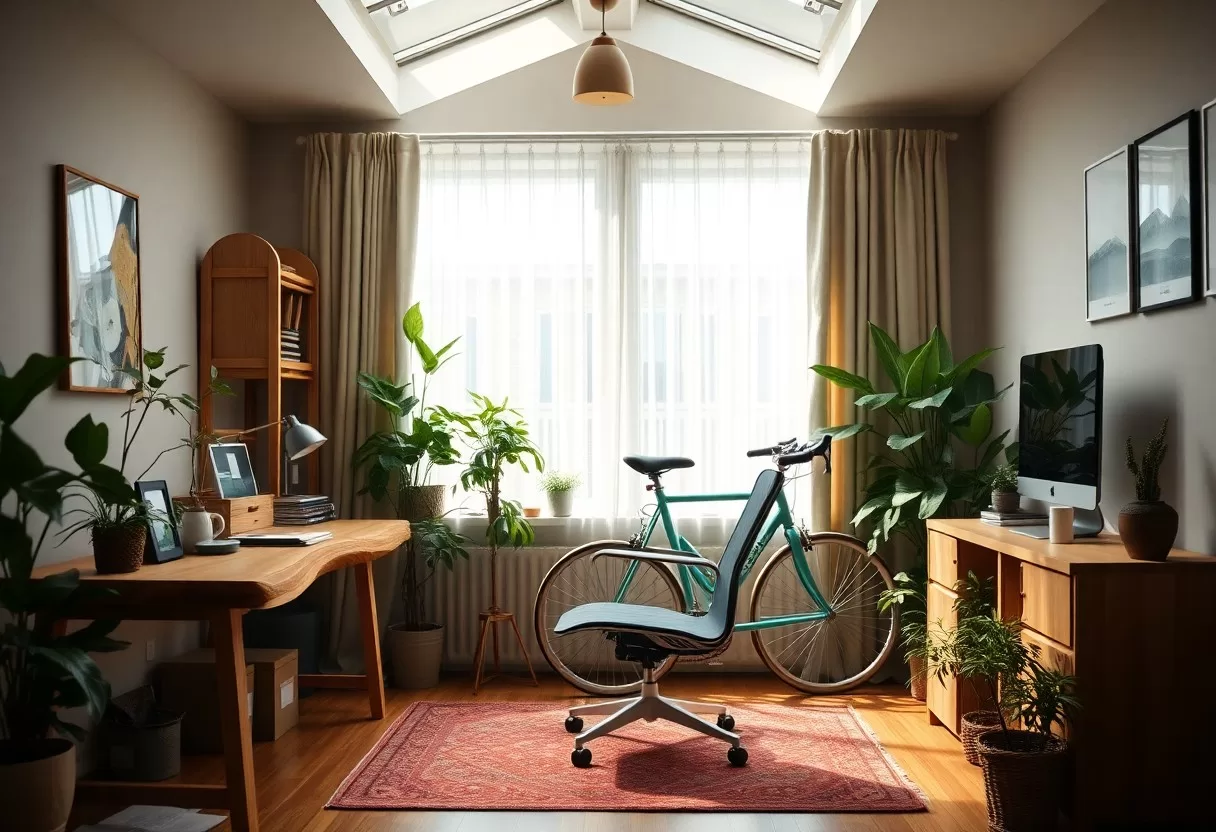
When choosing furniture for your home office, prioritizing eco-friendly options contributes significantly to sustainability. Seek out furnishings made from renewable materials and those produced with minimal environmental impact. Consider pieces that promote a healthy working environment, such as ergonomically designed desks and chairs made from sustainably sourced wood or recycled materials. By making these choices, you not only support the planet but also enhance your productivity and well-being.
Materials to Look For
Focus on materials like bamboo, reclaimed wood, and recycled metals when choosing office furniture. Bamboo grows quickly and absorbs more CO2 than traditional woods, while reclaimed wood offers a unique aesthetic and helps reduce waste. Additionally, look for furniture with certifications such as FSC (Forest Stewardship Council) that ensures responsible sourcing. These options create an attractive workspace while being gentle on the environment.
Sustainable Brands and Designers
Choose brands that prioritize sustainability to support eco-friendly practices. Companies like IKEA, West Elm, and BenchMade Modern offer a variety of eco-conscious furniture options. Each brand has taken steps to implement sustainable practices in their production processes, sourcing materials responsibly and ensuring their products meet high environmental standards. Shopping from these brands can align your home office setup with your sustainability goals.
Sustainable brands are not just focused on product quality but are committed to reducing their ecological footprint. For instance, IKEA has set a target to use only renewable or recycled materials in their products by 2030. West Elm partners with artisans to create unique pieces that reflect local craftsmanship while promoting fair labor practices. By supporting these brands, you actively participate in a larger movement towards sustainable consumption and help drive the demand for more environmentally friendly furniture solutions in the marketplace.
Energy Efficiency in Remote Work
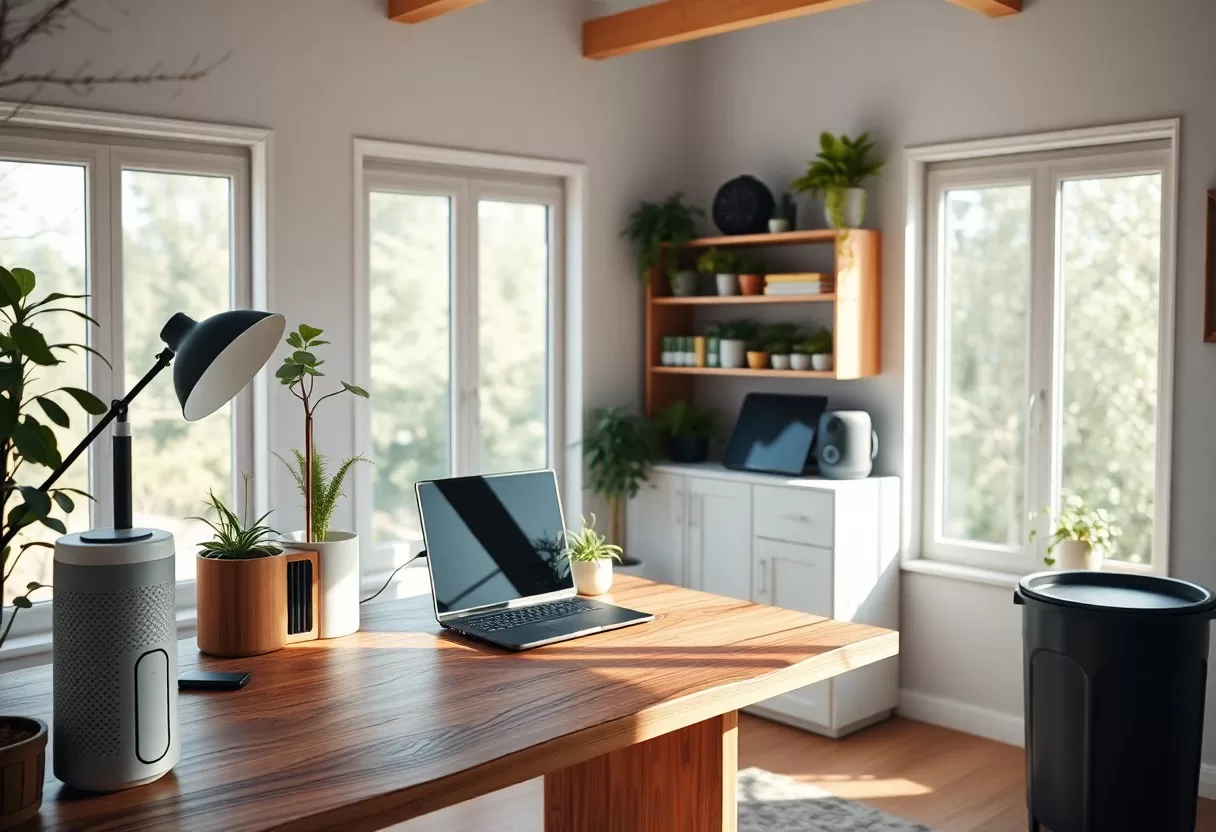
Enhancing energy efficiency in your remote workspace not only reduces your carbon footprint but also saves you money. Simple practices like utilizing Going Green With Your Paperwork: Tips for the Remote Office can make a significant difference. By optimizing energy use, you contribute to a sustainable future while ensuring a productive work environment.
Smart Home Technology
Incorporating smart home technology can dramatically enhance your home office’s energy efficiency. Devices such as smart thermostats and lighting systems allow you to monitor and control energy use remotely. For instance, programming your smart thermostat to adjust temperatures according to your work schedule ensures you only use energy when needed, resulting in a more efficient workspace.
Tips for Reducing Energy Consumption
Implementing strategies to reduce energy consumption in your home office can yield significant savings. Start by switching to LED lighting, as it uses up to 75% less energy than traditional bulbs. Unplug devices when not in use to avoid phantom energy loss, and consider using energy-efficient appliances. Explore more options to promote sustainability, such as solar panels if possible.
- Optimize lighting by using natural sunlight whenever you can.
- Invest in energy-efficient appliances to lower overall consumption.
- Utilize power strips to easily turn off multiple devices at once.
Being proactive about energy consumption can significantly impact both your expenses and the environment. Regularly review your electricity use to identify areas for improvement, like turning off unnecessary devices or setting timers for those that tend to be left on. Small efforts accumulate over time, leading to substantial benefits. Thou should aim for constant improvement for a greener lifestyle.
- Adopt a minimalist approach to home office equipment to reduce energy usage.
- Educate yourself on local energy-saving programs that may offer incentives.
- Participate in energy audits to pinpoint inefficiencies in your system.

Sustainable Office Supplies
Sourcing sustainable office supplies is a smart decision that enhances your eco-friendly workplace. Look for products made from recycled materials, refillable items, and those that are biodegradable. Opting for suppliers committed to sustainability can further ensure that your choices positively impact the environment, promoting a greener approach to your daily tasks.
Choosing Eco-Friendly Stationery
Selecting eco-friendly stationery involves prioritizing products made from recycled paper, plant-based inks, and sustainable manufacturing processes. Brands like Post-it® Recycled Notes and Pens made from recycled plastics exemplify how you can achieve functionality while minimizing your environmental footprint. Your choices reflect a commitment to sustainability, proving that even small items significantly contribute to a greener office.
Digital Solutions to Minimize Paper Use
Embracing digital solutions can drastically reduce your reliance on paper. Utilizing cloud storage services like Google Drive or Dropbox instead of physical filing systems not only saves trees but also increases your workspace efficiency. Digital tools for note-taking, project management, and invoicing can further eliminate the need for printing, leading to a streamlined, environmentally friendly workflow.
Transitioning to digital solutions to minimize paper use goes beyond basic storage systems. Implementing note-taking apps such as Evernote or Microsoft OneNote allows you to organize your thoughts without paper. Explore electronic invoicing through platforms like QuickBooks or FreshBooks, which not only eliminate paper waste but also streamline financial management. By adopting these technologies, you contribute to significant reductions in paper consumption while enhancing your productivity and organization.
Creating a Green Workspace Environment
To cultivate a sustainable workspace, focus on the materials and technology you use daily. Opt for energy-efficient lighting, ergonomically sourced furniture, and eco-friendly office supplies. Leveraging digital tools reduces your reliance on paper, promoting a minimalist setup. For more detailed guidance, check out these best practices for eco-friendly remote work.
Incorporating Plants and Greenery
Integrating plants into your workspace significantly enhances air quality and can boost your mood and productivity. Consider low-maintenance options like succulents or spider plants, which require minimal care and thrive indoors. A well-placed plant not only beautifies your setting but also symbolizes your commitment to a greener lifestyle.
Reducing Waste and Encouraging Recycling
Lowering waste in your home office involves conscious choices about the materials you consume. Prioritize reusable items—such as refillable pens and cloth wipes—over disposable ones. Establish a recycling system for paper, plastics, and electronics to prevent waste from ending up in landfills and support the circular economy.
Practicing effective waste reduction strategies can lead to substantial environmental benefits. Start by evaluating your daily habits; for instance, aim to print less by using digital solutions for documentation and notes. Set up clearly labeled recycling bins in your workspace for easy disposal of recyclable materials. Many companies now provide programs for e-waste recycling—ensure you take advantage of these to dispose of old electronics responsibly, reducing harmful landfill contributions.
Health and Well-Being in a Sustainable Home Office
Your home office should not only be functional but also promote your overall health and well-being. This includes integrating sustainable practices that prioritize physical comfort and mental clarity, allowing for increased productivity and a positive work environment. By focusing on ergonomic solutions and optimizing your space for natural elements, you can create a workspace that supports both your work and your well-being.
Ergonomics and Comfort
Investing in ergonomic furniture is necessary for maintaining comfort during long work hours. This includes adjustable chairs that support your spine and desks that accommodate standing or sitting positions. Incorporate accessories like footrests and wrist supports to further enhance your posture, reducing strain and improving circulation. Making these adjustments can significantly boost your productivity and overall satisfaction in your remote work setup.
The Role of Natural Light and Air Quality
Natural light is vital for enhancing mood and productivity. It helps regulate your circadian rhythms, making it easier to focus throughout the day. Additionally, ensuring good air quality—by incorporating plants, using air purifiers, or regularly ventilating your space—can mitigate fatigue and promote clearer thinking. A healthy environment leads to both physical and mental well-being, necessary for sustaining your work performance.
Studies show that exposure to natural light can reduce eye strain and fatigue, increasing your energy levels and improving your mood. You might consider positioning your desk near a window or using full-spectrum bulbs to mimic natural sunlight. As for air quality, plants like spider plants and snake plants can absorb toxins and release oxygen, enhancing your workspace. The American Society of Interior Designers highlights that well-ventilated spaces can increase productivity by up to 10%, underscoring the importance of fresh air and light in your sustainable home office.
To wrap up
With this in mind, creating a greener home office is not only beneficial for the environment, but it also enhances your well-being. By incorporating sustainable products and practices—such as energy-efficient lighting, eco-friendly office supplies, and mindful waste management—your remote workspace can support both productivity and ecological responsibility. Embrace these changes to not only reduce your carbon footprint but also to inspire others in your community, fostering a more sustainable lifestyle as you navigate your remote work journey.
FAQ
Q: What are some sustainable products I can use in my home office?
A: Consider using energy-efficient LED lighting, recycled office supplies, bamboo desks, and eco-friendly laptop stands. Additionally, look for sustainable materials in furniture and storage solutions such as reclaimed wood or modular designs that minimize waste.
Q: How can I reduce my carbon footprint while working from home?
A: To reduce your carbon footprint, use energy-efficient devices, unplug electronics when not in use, and implement a paperless system by utilizing digital tools and cloud storage. Incorporating indoor plants can also help improve air quality while enhancing your workspace.
Q: What practices can I implement to create a greener remote work environment?
A: Adopt practices such as recycling paper and plastic, using sustainable office supplies, practicing conscious consumption, and setting up a home composting system. Also, create a schedule that includes breaks to step away from screens and engage in mindfulness activities, promoting both mental wellness and a balanced lifestyle.