
How to Keep Your Home Organized When You’re Always Busy
Many people struggle to maintain an organized home amidst their hectic schedules. You can transform your living space with effective strategies that prioritize efficiency and simplicity. By implementing a few smart habits and time-saving tools, you will create a more manageable environment that allows you to focus on what truly matters. This guide will empower you to streamline your organization efforts, ensuring your home remains a peaceful retreat, even on your busiest days.
Key Takeaways:
- Set specific times for organizing tasks and treat them as appointments.
- Utilize storage solutions that are easy to access and maintain.
- Implement a one-in, one-out rule for items to avoid clutter accumulation.

Understanding the Importance of Home Organization
Home organization directly affects your quality of life, influencing everything from your mental clarity to your time management. When *your space is orderly*, you can focus on what truly matters, relieving stress and enhancing productivity. An organized environment not only fosters a sense of calm but also allows you to navigate your day-to-day tasks efficiently, leading to greater overall satisfaction in your busy life.
The Benefits of an Organized Home
An organized home leads to increased efficiency and reduced stress. You will *find things more easily*, which saves you valuable time. Studies show that a clutter-free environment can enhance your focus and creativity, allowing you to tackle tasks effectively. Moreover, inviting friends or family over becomes less daunting when everything has its place, enriching your social life.
Common Challenges When Busy
Balancing a busy schedule often results in neglecting home organization. You might find that *time slips away* between work, family obligations, and personal commitments. As a result, clutter accumulates rapidly, making tasks seem overwhelming. It’s easy to prioritize immediate tasks over organizing your home, leading to stress and eventually impacting your well-being.
For many, challenges stem from a lack of time rather than a lack of motivation. You may feel that even small organizing tasks require more time than you can spare, leading to procrastination. It’s tempting to put off sorting through that pile of mail or decluttering your kitchen when other responsibilities take precedence. Additionally, *guilt can arise* from not maintaining your space to your standards. The key is to approach organization in bite-sized increments that fit within your busy schedule, making it manageable and sustainable.
How to Prioritize Organization Tasks
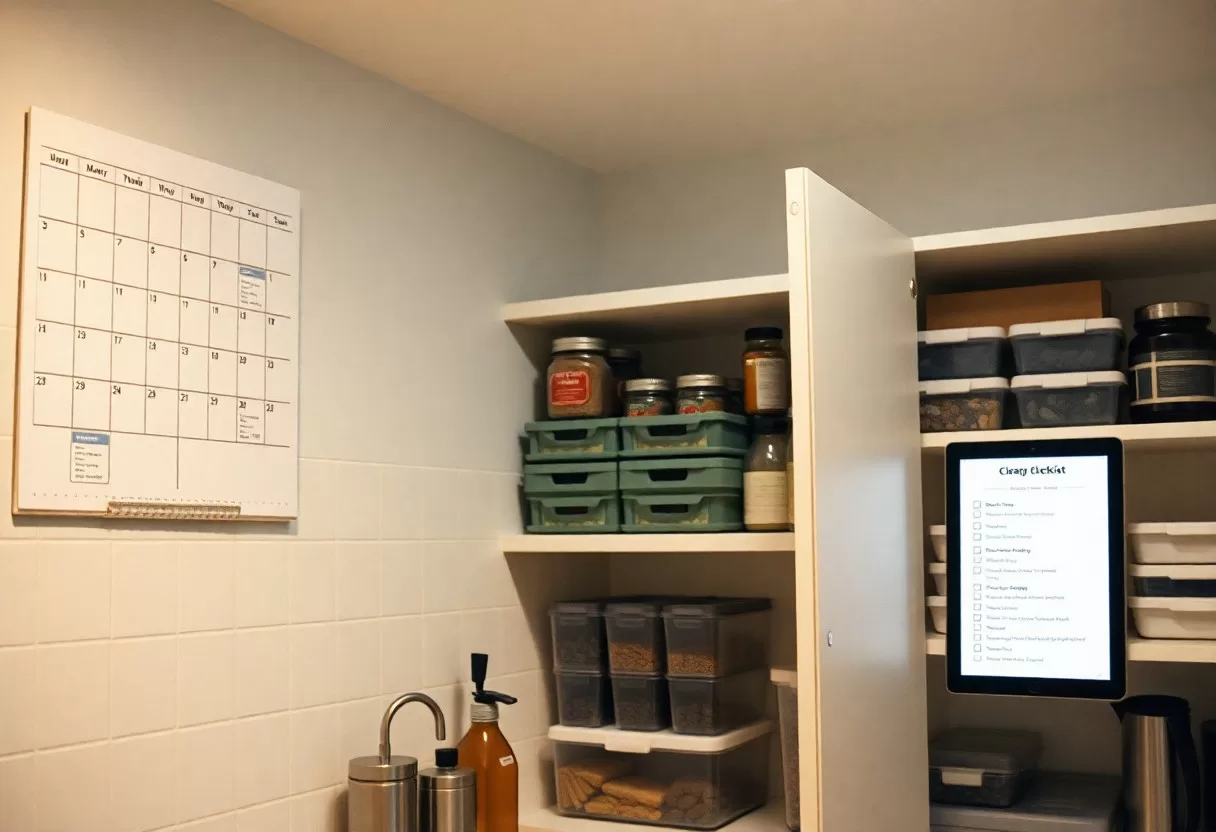
Prioritizing your organization tasks can transform chaos into a streamlined living space. Start by analyzing areas that impact your daily life most, such as the kitchen or bedroom, where your routine begins and ends. By focusing on these key spaces first, you enhance your productivity and reduce stress, making the organization a priority rather than an afterthought.
Identifying Key Areas to Organize
To effectively organize your home, pinpoint areas that cause the most frustration. This might include cluttered countertops, overflowing closets, or messy garages. Assess each room and list spaces that require immediate attention, allowing you to tackle the most critical zones first and create a significant impact on your overall environment.
Setting Realistic Goals
Set achievable goals to keep your organization efforts on track. Break down larger projects into smaller, manageable tasks that you can complete within a short timeframe, such as organizing one drawer a day or dedicating 15 minutes to declutter. By doing this, you’ll maintain motivation without feeling overwhelmed, ensuring progress becomes a consistent part of your busy schedule.
For instance, if you aim to declutter your entire living room, start by selecting just one corner or shelf to clear out each day. This gradual approach not only makes the task less daunting but also allows you to celebrate small victories along the way. Establish a timeline that aligns with your availability, ensuring that even amidst a hectic schedule, organization remains within your reach. Consistency is key, so carving out just a few minutes daily can yield impressive results over time.
Practical Tips for Maintaining a Tidy Home
To keep your home organized despite a busy schedule, adopt routines that fit seamlessly into your day. Focus on integrating the following practical strategies:
- Declutter regularly to prevent chaos from accumulating.
- Designate specific homes for all your items.
- Use storage solutions that are both functional and visually appealing.
- Limit new items coming into your space to maintain balance.
- Establish a 15-minute daily tidy routine.
Knowing these tips will facilitate a more organized atmosphere even during your busiest times.
Daily Habits to Encourage Organization
Integrate small daily habits that foster organization into your routine. Make it a practice to do a quick tidy-up session at the end of each day, focusing on high-traffic areas. This might include putting away shoes, clearing countertops, or organizing your workspace. Break up larger tasks into bite-sized actions, like spending five minutes sorting mail or straightening up one room. These simple habits can lead to significant improvements over time, making it easier for you to keep your home in order.
Quick Clean-Up Strategies
Adopting effective quick clean-up strategies can save you time and stress. Consider the “one-minute rule”: if a task takes less than a minute, do it immediately, such as wiping down a surface or hanging up a jacket. Keep cleaning supplies handy in multiple areas of your home to make it easier to tackle messes right away. Additionally, you can have designated baskets or bins to quickly collect items that belong elsewhere, allowing for a swift return to organization.
When you’re pressed for time, effective strategies matter. Using a timer can help you stay focused; challenge yourself to finish a task before the timer goes off. Designate specific cleaning zones for each person in your household, making it easier to share the load. Try to declutter as you go—put things back as you finish using them. These methods can significantly streamline your cleaning routine, keeping your home more organized without demanding a significant time commitment.
Utilizing Storage Solutions Effectively
Implementing effective storage solutions is vital for maintaining organization in a busy home. By using storage options tailored to your lifestyle, you can create a clutter-free environment that enhances productivity. Consider the types of storage that fit within your available space and make it easier for you to find and stow away your belongings.
Types of Storage Options
| Type | Description |
| Bins | Stackable and labeled for easy identification. |
| Shelves | Maximize vertical space for books and decorative items. |
| Dewatering cabinets | Ideal for hiding less attractive items. |
| Collapsible furniture | Provides flexibility in limited spaces. |
| Wall organizers | Keep vitals readily accessible. |
Perceiving how these storage options work together can enhance both function and aesthetics in your home.
Maximizing Space in Small Areas
Small spaces require savvy organization techniques to maximize functionality. Utilize every nook and cranny by incorporating multi-purpose furniture, like ottomans with storage or beds with drawers. Floating shelves can free up floor space while adding display areas. Hooks and pegboards can transform walls into functional spaces for tools, bags, or kitchen items. Additionally, consider under-bed storage solutions to effectively use hidden spaces.
Using the vertical space in your home can significantly enhance storage capabilities. For instance, a ladder shelf can serve both as a display and storage unit, while door-mounted racks can keep often-used items within reach. Optimize your closet with tiered hangers and space-saving hangers to avoid excess clutter. Investing in these simple yet innovative solutions will make your space feel larger and more organized.
Involving Family Members
Integrating your family members in the organization process can ease your burden and promote teamwork at home. By delegating tasks and fostering a shared sense of responsibility, you create a supportive environment that enhances organization while reducing stress. Encourage open discussions about chores and schedules so everyone feels invested in maintaining a tidy space.
Sharing Responsibilities
Assign age-appropriate tasks to each family member, which not only distributes the workload but also teaches accountability and life skills. For instance, younger kids can be tasked with picking up toys, while older children can handle their laundry or help with meal prep. By outlining clear expectations, you ensure that everyone contributes to the household’s organization.
Creating a System that Works for Everyone
Design an organization system that accommodates your family’s unique dynamics and routines. This may involve using visual chore charts or digital reminders to keep everyone aligned. Tailoring the approach according to each member’s preferences fosters participation and minimizes resistance. Regular family meetings to tweak the system can further ensure everyone feels heard and engaged.
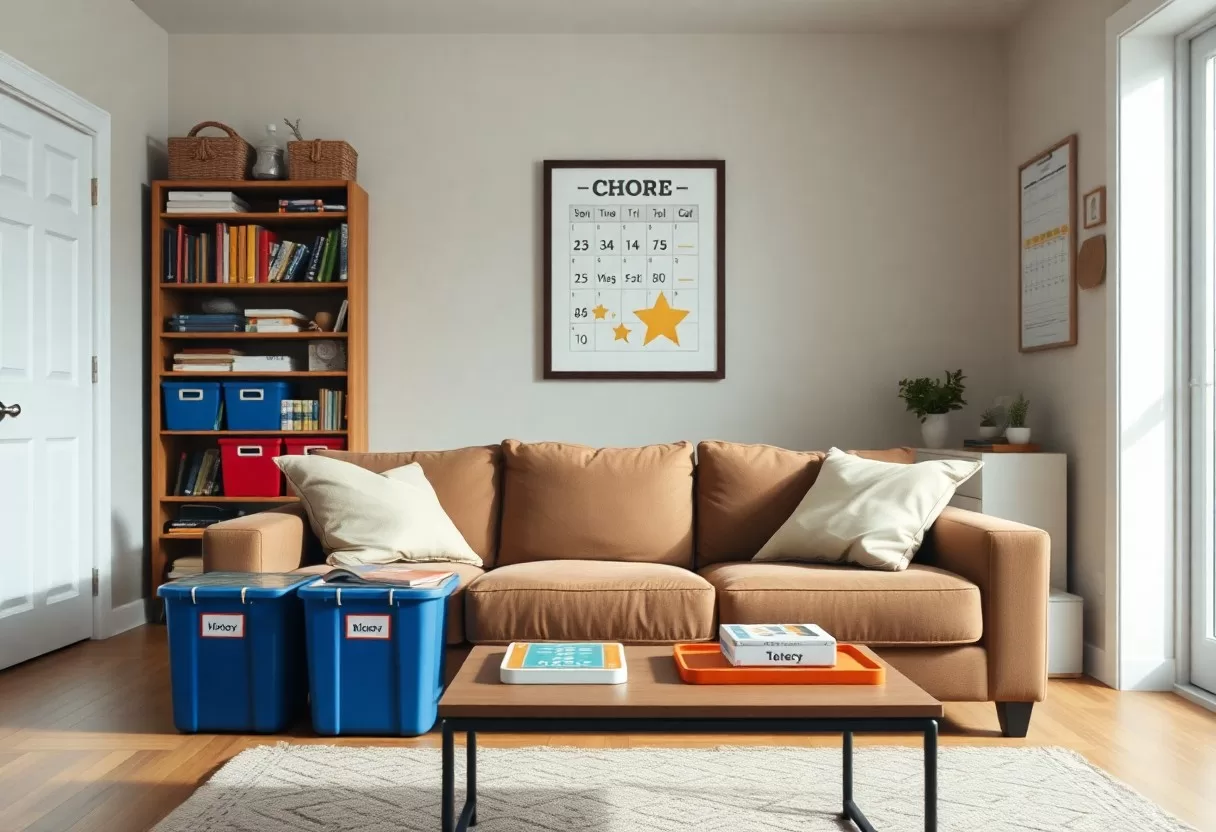
Effective organization systems prioritize clarity and simplicity. For example, using color-coded bins can help younger family members easily identify where items belong, streamlining the cleanup process. Additionally, adopting a “one in, one out” policy when adding new items can help maintain order and prevent clutter accumulation. Consistency is key; ensuring everyone adheres to these simple guidelines not only keeps your home organized but also instills a sense of unity among family members.
Technology and Tools to Aid Organization
Leveraging technology can significantly streamline your organizational efforts. Various tools and resources are available to assist you in managing your time and space, helping to keep chaos at bay even on your busiest days. From smart home devices to organizational apps, integrating these solutions into your routine can lead to a more functional and efficient home environment.
Apps and Gadgets to Consider
Explore apps like Todoist and Trello to simplify task management, keeping all your to-dos in one place. Smart home gadgets such as wireless charging stations and label makers can further enhance your organization, allowing you to streamline workflows and create efficient habits. With these tools, you can minimize clutter and maximize productivity effortlessly.
Time Management Tools
Time management tools can help you allocate your day effectively, ensuring important tasks aren’t overlooked. Tools like RescueTime track how you spend your time, providing insights for better decision-making. Consider implementing digital planners or calendar apps to schedule your responsibilities in advance, enabling you to approach your tasks with clear priorities.
Using time management tools allows you to break down your day into manageable segments, enhancing focus on individual tasks. Setting specific time blocks for work, family, and personal activities fosters a balanced approach to your schedule. For instance, utilizing techniques like the Pomodoro Technique can enhance productivity by promoting work intervals followed by short breaks. Moreover, integrating reminders and alerts into your routine can help keep your important commitments in check, reducing stress and improving overall time efficiency.
Final Words
Conclusively, maintaining an organized home amidst a busy schedule is achievable by implementing simple strategies like daily decluttering, utilizing storage solutions, and establishing a routine. Prioritize tasks and dedicate a few minutes each day to tidying up, ensuring your space remains manageable. You may also find helpful techniques by exploring any time-saving decluttering tips for busy people? to further streamline your organization efforts and reclaim control over your environment.
FAQ
Q: How can I maintain organization in my home with a busy schedule?
A: Establish a specific time each week for organizing tasks. Utilize storage solutions like bins and baskets, and label everything to make it easier to find and put away items quickly. Prioritize decluttering by removing items you no longer need.
Q: What are some quick daily habits that can help keep my home tidy?
A: Implement a “five-minute rule” where you take five minutes daily to put things back in their designated places. Create a nightly routine that includes tidying common areas and preparing for the next day, which can significantly reduce clutter over time.
Q: How can I involve my family in keeping the home organized?
A: Assign small tasks to each family member based on their abilities, such as making their beds, putting away dishes, or sorting laundry. Establish a weekly family organization session to address clutter together and make it a fun bonding activity.