
How to Start a Thriving Vegetable Garden in a Small Urban Space
Over time, you can transform your small urban space into an abundant vegetable garden, yielding fresh produce right from your home. By utilizing smart gardening techniques, maximizing vertical space, and selecting appropriate plants, you can create a thriving garden even in limited areas. This guide will provide you with the imperative steps and tips to ensure your garden flourishes, giving you not just delicious vegetables but also a rewarding gardening experience. Let’s investigate the world of urban gardening and discover how you can create your green oasis.
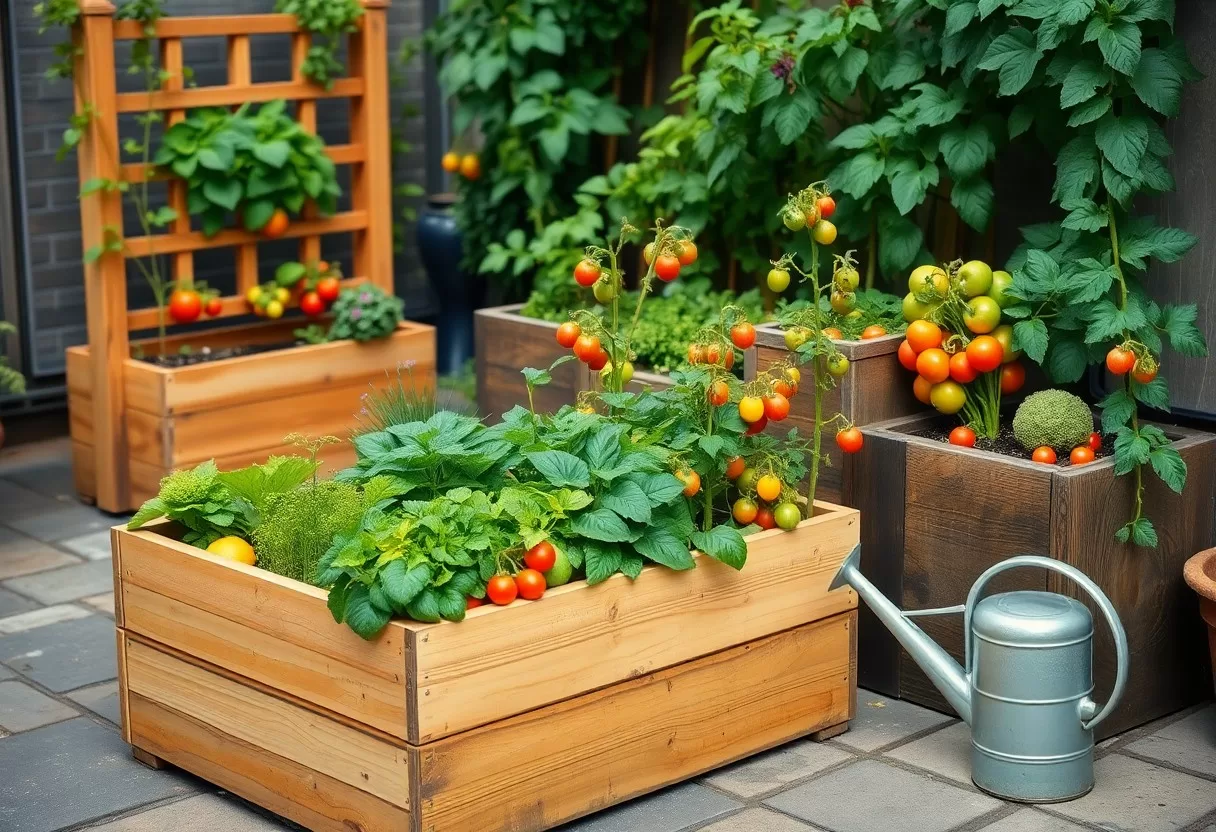
Key Takeaways:
- Choose the right location with adequate sunlight, ideally receiving 6-8 hours of direct sunlight daily.
- Select space-efficient gardening methods such as container gardening or vertical gardening to maximize limited space.
- Opt for soil that is rich in nutrients, utilizing raised beds or high-quality potting mixes to support healthy plant growth.
- Implement a watering schedule that ensures consistent moisture without pooling, utilizing drip irrigation or self-watering containers when possible.
- Grow a mix of fast-maturing vegetables and herbs to optimize yield and enjoy a continuous harvest throughout the growing season.
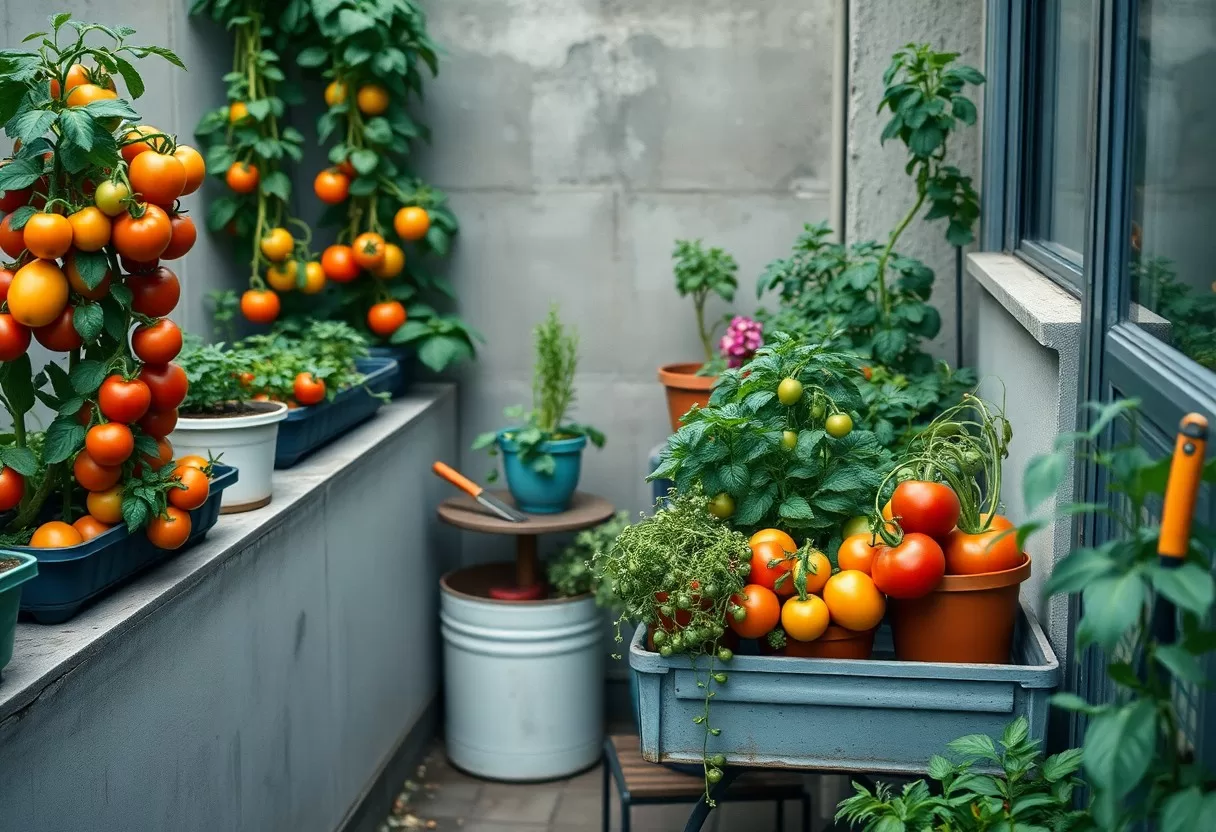
Finding Your Green Thumb: Assessing Your Space
Assessing your outdoor space is the first step towards a successful vegetable garden. Take a closer look at the dimensions, light conditions, and elements that will ultimately dictate what can grow and where. Your goal is to create an enriching environment that maximizes productivity, even in a confined area. Examine every nook and cranny and think creatively; underutilized spaces can often yield impressive results.
Evaluating Sunlight and Microclimates
Sunlight is a game changer for your vegetable garden. Identify the areas that receive at least 6-8 hours of sunlight daily, as this is necessary for most vegetables. Additionally, look for microclimates—these are subtle variations in temperature and moisture within your area. A south-facing wall, for instance, may offer warmth, while shaded corners can be cooler and suitable for leafy greens.
Measuring Soil Quality and Accessibility
Soil health plays a key role in the success of your vegetable garden. Conduct a soil test to determine its pH, nutrient content, and drainage capabilities. This can be done with home testing kits available at garden centers. Also, assess how easily you can access your garden space; it should be convenient enough for you to tend to regularly without hassle.
The condition of the soil directly impacts plant growth, so consider incorporating organic matter like compost to improve its quality. Well-draining soil is vital for preventing root rot and promoting healthy plants. If your area is limited, raised beds can help optimize drainage and soil quality. You might consider using vertical gardening systems for herbs or climbing vegetables, which will also simplify access when maintaining your garden. A functional layout will make it easy to nurture your plants and to harvest them when they’re ready, ensuring you get the most from your green space.
Choosing the Right Plants: The Urban Farmer’s Selection
In a small urban garden, selecting the right plants can dramatically impact your yield and the enjoyment of your gardening experience. Focus on varieties that not only thrive in limited space but also cater to local climate conditions. Opting for plants that suit your culinary preferences ensures you’ll be inclined to tend to them regularly, resulting in a lush and productive garden. Additionally, consider seasonal planting techniques to maximize your harvest throughout the year. Your choices will determine how efficient and successful your urban gardening endeavor becomes.
Selecting High-Yield, Compact Varieties
Your best bet for small urban spaces lies in high-yield, compact varieties of vegetables. Consider crops like bush beans, baby carrots, and salad greens, which not only require minimal horizontal space but also produce abundantly. Examples include dwarf or patio versions of popular vegetables, such as patio tomatoes or mini bell peppers, allowing you to grow a variety of flavors without dominating your precious square footage.
Incorporating Companion Planting for Success
Companion planting can significantly boost your small vegetable garden’s productivity. Pairing plants like tomatoes and basil, or carrots and onions, can optimize space and deter pests while enhancing flavor. The synergistic relationships aid in improving soil health and encouraging natural pest control, ultimately reducing the need for chemical interventions. This strategy aligns perfectly with urban gardening, where limited space and environmentally friendly practices are important.
By adopting companion planting, you’ll create a diverse ecosystem in your garden that fosters plant growth and health. For instance, the aromatic compounds released by basil can repel harmful insects away from your tomatoes, resulting in a more fruitful harvest without insecticides. Moreover, planting marigolds among your vegetables serves a dual purpose; they not only attract beneficial insects but also deter nematodes and other pests. This strategy not only maximizes your growing potential but also enhances the resilience of your garden against pests and diseases, ultimately leading to a more bountiful yield.
Maximizing Urban Potential: Innovative Gardening Techniques
Small spaces in urban environments can be transformed into lush vegetable gardens through innovative techniques. Applying creative solutions, you can utilize every corner of your space effectively. Techniques like vertical gardening and container gardening can make your gardening dreams a reality while ensuring you engage in sustainable practices. These methods allow you not only to maximize your growing potential but also to enhance the beauty of your surroundings.
Vertical Gardening Solutions for Small Spaces
Vertical gardening is a game changer for urban dwellers, as it utilizes wall space and structures to grow plants upward rather than outward. By installing wall planters, trellises, or using vertical frames, you can cultivate an impressive variety of vegetables such as beans, peas, and cucumbers without consuming valuable ground space. With a little creativity, even herb gardens can bloom in vertical formations, enriching both your cooking and your environment.
Utilizing Container Gardening for Flexibility
Container gardening offers remarkable flexibility, allowing you to grow vegetables virtually anywhere in urban settings. Choose various-sized pots or planters to accommodate your plants’ growth needs and to fit in tight spots like balconies or patios. This method lets you control soil quality and drainage, crucial factors for thriving plants. Additionally, moving containers to take advantage of sunlight throughout the day becomes an effortless task.
The versatility of container gardening can turn any urban space into a mini oasis. Whether you opt for large planters or hanging baskets, you can customize your garden according to the types of vegetables you want to grow and the available sunlight. Group containers of different heights for a visually appealing arrangement while maximizing sunlight exposure for all plants. With this approach, you can experiment with various veggies, herbs, and even flowers, creating a vibrant and productive garden tailored to your lifestyle.
Nurturing Growth: The Essentials of Urban Gardening Care
Nurturing your urban garden requires attention to several key elements that contribute to your plants’ growth and health. Regular monitoring and a thoughtful approach to watering, nutrition, and pest management ensure your vegetable garden thrives even in limited space. By integrating effective care techniques, you’ll foster an environment where your plants can flourish, resulting in bountiful harvests and a satisfying gardening experience.
Watering Wisely in Limited Spaces
In tight urban settings, efficient watering is important to ensure your plants receive adequate moisture without wastage. Implement a systematic watering schedule, aiming for early mornings or late afternoons to reduce evaporation. Use drip irrigation systems or soaker hoses to deliver water directly to the roots, minimizing leaf wetness and potential disease. Mulching around your plants also helps retain soil moisture, making your watering efforts more effective.
Nutrition: Fertilizers, Composting, and Organic Practices
Providing important nutrients to your plants forms the basis of a productive urban garden. Incorporating organic fertilizers and practicing composting enriches the soil, enhancing its fertility. By utilizing kitchen scraps and garden waste, you not only reduce waste but also create a nutrient-dense compost that supports plant health. Many urban gardeners successfully adopt holistic methods, such as crop rotation and companion planting, to naturally enrich the soil and minimize pests.
Seek out organic fertilizers that provide slow-release nutrients tailored to the needs of your plants. For instance, fish emulsion or seaweed extract offers an excellent source of micronutrients. Building a compost pile is a rewarding approach, allowing your kitchen scraps, lawn clippings, and dried leaves to decompose into rich soil amendment. On top of that, regular assessments of your soil pH and nutrient levels can guide your fertilization strategy, ensuring your plants always receive what they need to thrive.
Pest Management: Protecting Your Urban Harvest
Managing pests in your urban garden can be a significant challenge, but with the right strategies, you can protect your bounty. Regular monitoring of your plants for signs of damage, such as holes in leaves or discolored foliage, will help you catch any pest problems early on. Employing physical barriers like row covers or fine mesh can keep unwanted insects at bay. Additionally, using companion planting can help deter pests while promoting healthy growth among your vegetables.
Recognizing Common Pests and Solutions
Identifying common pests that target urban gardens is key to effective management. Aphids, whiteflies, and slugs often invade vegetable patches. You can spot aphids by their tiny green bodies, while whiteflies resemble small white moths. A mixture of water and dish soap can create an effective remedy for aphids, and placing copper tape can deter slugs. Immediate action is necessary for minimizing damage.
Natural Predators and Eco-Friendly Strategies
Incorporating natural predators into your urban gardening practices can significantly reduce pest populations. Ladybugs, lacewings, and certain birds are effective at controlling aphid populations. Attracting these beneficial insects involves planting native flowers and herbs that provide them with food and shelter. Additionally, introducing a diverse ecosystem in your garden can lead to healthier plants and fewer pests overall.
By fostering a balance in your garden, you enhance resilience against pests. For instance, planting marigolds can deter nematodes, while flowering herbs like fennel or dill provide habitat and nectar for friendly insects. Creating a habitat that encourages these predators not only helps with pest control but also adds beauty to your garden. Regularly monitoring for pest activity and adapting your strategies will lead you to a thriving and fruitful urban garden.
Conclusion
Drawing together the insights on starting a thriving vegetable garden in your small urban space, you can create a lush green sanctuary right at home. By selecting the right plants, utilizing vertical gardening techniques, and ensuring proper care, your garden can flourish even in limited areas. Consider the local climate, plan your layout effectively, and engage in regular maintenance to reap the benefits of your efforts. With patience and dedication, you can transform your urban living environment into a productive and enjoyable gardening experience.
FAQ
Q: What vegetables are best suited for a small urban garden?
A: When opting for vegetables for a small urban garden, consider compact and vertical-growing plants. Leafy greens like spinach and lettuce, herbs such as basil and parsley, and small fruiting plants like cherry tomatoes and peppers work well. Additionally, radishes, carrots, and beans can thrive in smaller spaces. Look for dwarf varieties or offer support for vining plants to maximize your gardening space.
Q: How can I maximize my limited gardening space?
A: To make the most out of your small garden, utilize vertical gardening techniques. Install trellises for climbing plants, use hanging pots or wall planters, and opt for tiered plant stands. Consider interplanting species with varying growth habits and heights, ensuring that taller plants do not overshadow shorter ones. Container gardening is another effective way to utilize every inch of space.
Q: What soil type is ideal for an urban vegetable garden?
A: Urban gardens often benefit from well-draining soil that retains moisture while providing necessary nutrients. A mix of high-quality potting soil, compost, and garden soil can create the right environment for your vegetable plants. Look for soil labeled as organic and check for good drainage characteristics. Regularly amending soil with compost will also enhance fertility over time.
Q: How do I keep pests away from my vegetable garden without harsh chemicals?
A: To manage pests in an environmentally friendly way, consider using companion planting, where certain plants repel insects. Regularly inspecting plants for early signs of pests is also helpful. Homemade sprays using neem oil or soap solutions can deter pests effectively. Additionally, welcoming beneficial insects like ladybugs and lacewings can assist in naturally managing pest populations.
Q: How much sun do my vegetables need for optimal growth?
A: Most vegetables require at least 6 to 8 hours of direct sunlight each day for healthy growth. If your urban space has limited sunlight, choose shade-tolerant varieties, such as leafy greens and herbs. Position taller plants in a way that they do not block sunlight from smaller plants nearby. Observing sun patterns in your space will help you plan accordingly for varied sunlight exposure throughout the day.