
Quiet Comfort – Soundproofing and Soundscaping Ideas for a Calm Home
There’s a profound impact that noise can have on your well-being and productivity. You can transform your living space into a haven of tranquility with effective soundproofing and soundscaping techniques. By incorporating simple strategies and materials, you will not only block out unwanted sounds but also enhance the soothing ambiance of your home. Explore these ideas to create a peaceful environment that supports your relaxation and focus.
Key Takeaways:
- Utilize soundproofing materials such as acoustic panels and soundproof curtains to reduce noise transmission.
- Incorporate indoor plants to enhance sound absorption and create a tranquil atmosphere.
- Implement soft furnishings like rugs and cushions to diminish echo and add comfort.
- Use white noise machines or calming music to mask unwanted sounds and promote relaxation.
- Design spaces with layout considerations that minimize noise travel, such as strategic furniture placement.
Understanding Soundproofing
Soundproofing involves a series of strategies designed to minimize sound transmission between spaces. By employing specific materials and techniques, you can create a more serene environment in your home, shielding it from external disturbances or unwanted noise pollution. The effectiveness of soundproofing often relies on a combination of elements, emphasizing the need for a thoughtful approach to achieving your desired acoustic comfort.
Types of Soundproofing Materials
Choosing the right materials is vital for effective soundproofing. Consider the following options:
- Mass Loaded Vinyl (MLV)
- Acoustic Panels
- Soundproof Curtains
- Resilient Channels
- Soundproof Drywall
Assume that integrating a combination of these materials in your space significantly enhances sound isolation and creates a tranquil atmosphere.
| Material | Purpose |
| Mass Loaded Vinyl | Blocks sound transmission |
| Acoustic Panels | Absorbs sound energy |
| Soundproof Curtains | Reduces outside noise |
| Resilient Channels | Helps decouple walls |
| Soundproof Drywall | Adds mass for noise reduction |
Techniques for Effective Soundproofing
Implementing soundproofing techniques is vital for maximizing your home’s tranquility. Strategies include sealing gaps, applying mass and damping systems, and using sound-absorbing materials strategically throughout your space. Each method targets unique pathways for sound transmission, ensuring a multi-faceted approach to noise reduction.
Effective soundproofing techniques encompass more than just the materials you choose. Focus on sealing cracks and gaps around windows and doors, as even small openings can let significant noise in. Utilizing double-pane windows and door sweeps can greatly enhance overall sound isolation. In addition, consider the layout of your furniture; placing bookshelves against shared walls can provide extra mass. Ultimately, a combination of these strategies allows you to create an environment that deeply contributes to your personal sense of calm.
The Benefits of Soundscaping
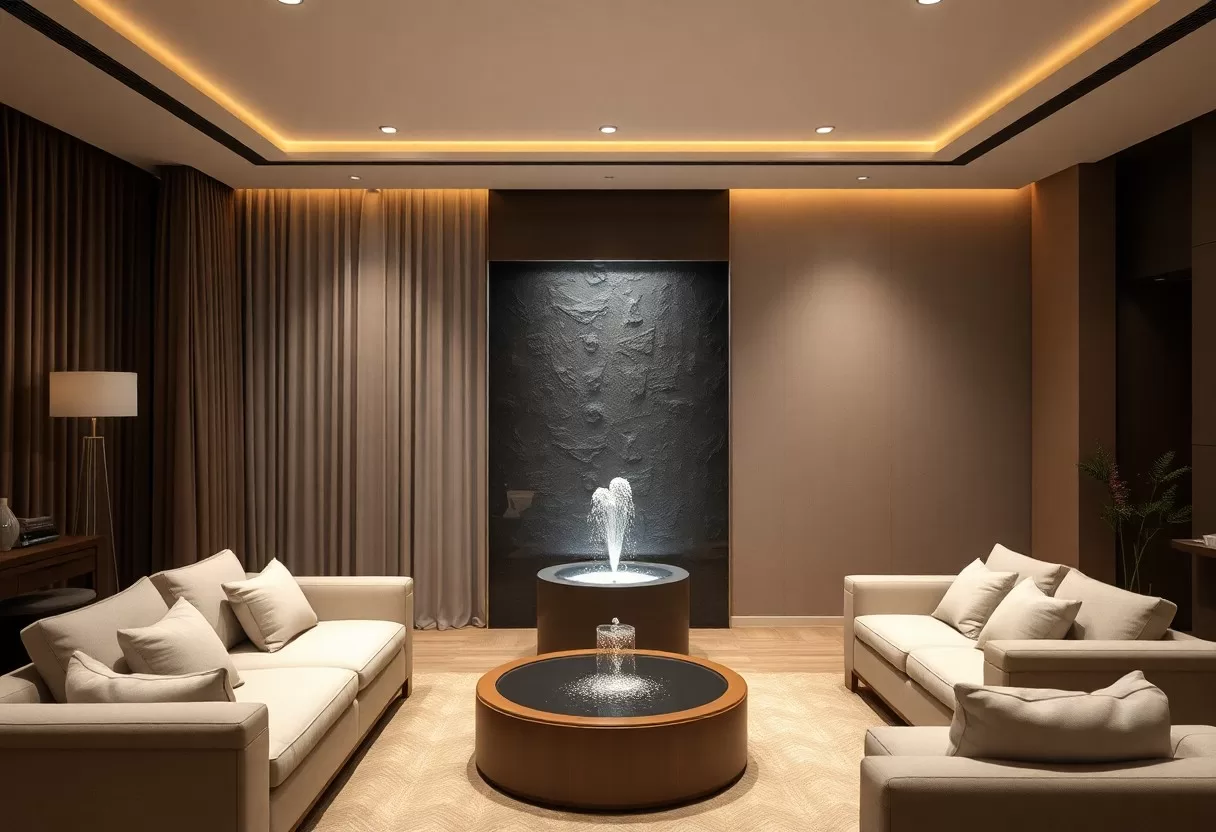
Soundscaping enhances your living space by reducing noise pollution, promoting relaxation, and improving overall well-being. Effective soundscaping can transform a chaotic environment into a serene retreat, which can lead to increased productivity and better sleep quality. Elements like natural sounds from water features or the strategic placement of sound-absorbing materials can mitigate intrusive noises. For additional practical tips, check out Not Ugly Sound-Dampening Hacks To Quiet The Noises ….
What is Soundscaping?
Soundscaping involves the intentional design and arrangement of sounds within an environment to create a desired auditory experience. This practice considers the natural and artificial audio elements that contribute to the atmosphere of your home, aiming to evoke feelings of peace and tranquility.
Elements of Effective Soundscaping
Effective soundscaping integrates various elements such as background music, white noise machines, and natural sound sources like water features or plants. You can also utilize soft furnishings, rugs, and curtains that absorb sound, helping to create a layered acoustic environment. By thoughtfully combining these elements, you can tailor the auditory landscape to suit your preferences.
Additionally, consider the role of architectural features in your soundscape. For instance, high ceilings may amplify sound, while lower ceilings can offer a cozier, more intimate atmosphere. You can also use movable partitions or bookshelves to break up sound waves. Integrating technology, such as smart speakers that play soothing sounds, can further enhance your environment. Keep in mind, each room can present unique challenges and opportunities, so assess how sound interacts with your space and adjust accordingly for a truly personalized soundscape.
Designing Quiet Spaces
Creating quiet spaces in your home involves strategic choices in layout and materials to enhance tranquility. Start by identifying noise-prone areas and consider using heavy rugs, dense curtains, and acoustic wall panels. Optimizing furniture placement can also contribute; positioning bookshelves against walls can help block sound. Incorporating sound-absorbing materials not only dampens external noise but also fosters a serene environment for relaxation and focus.
Bedrooms and Rest Areas
Your bedroom should be a sanctuary for sleep and relaxation. Utilize soundproof curtains to block outside noise and consider installing acoustic panels on the walls for added sound absorption. Incorporating soft furnishings, such as plush rugs and cushions, can further reduce noise, creating a soothing atmosphere conducive to restful sleep.
Home Offices and Workspaces
In your home office, minimizing distractions is key to productivity. Choose silent office equipment, like noise-cancelling headphones or quieter printers, to reduce background noise. Consider adding a white noise machine or soothing ambient sounds to mask interruptions and help maintain focus throughout your workday.
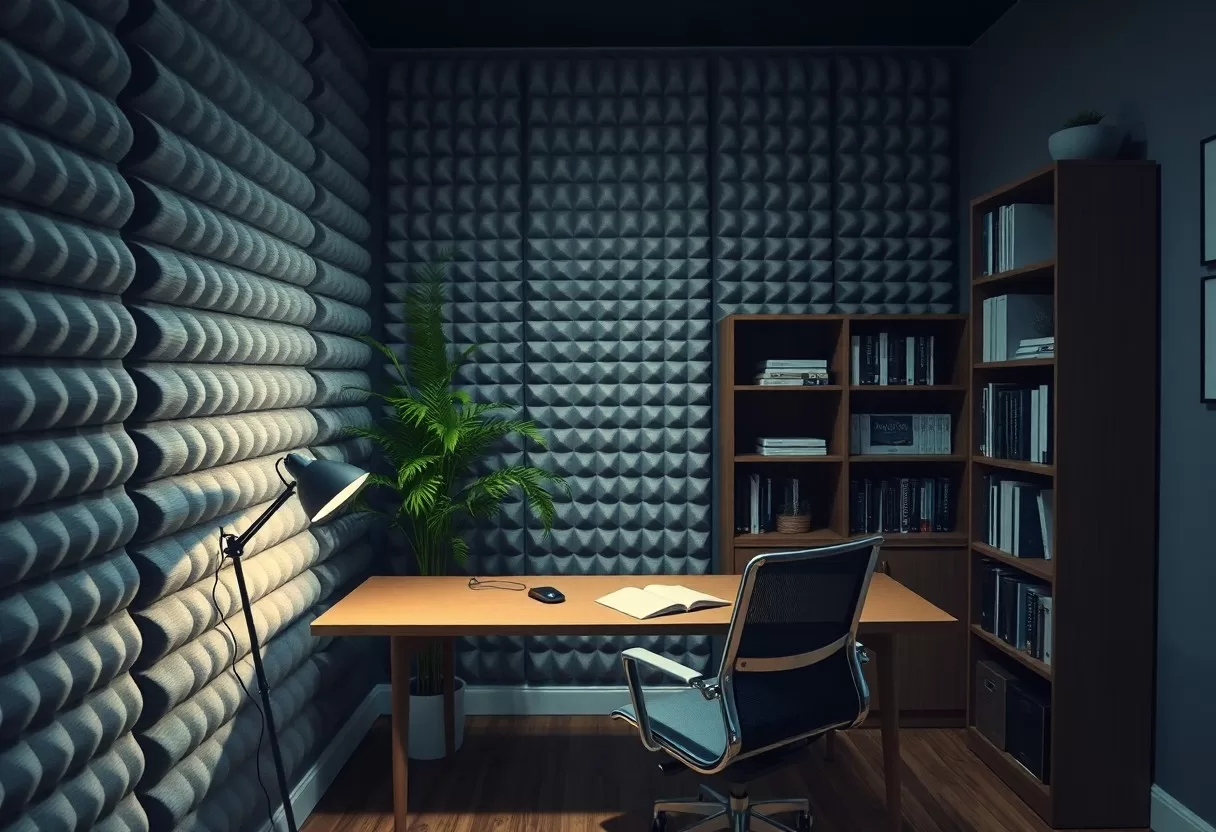
Transforming your home office into a quiet haven can be achieved through a few simple adjustments. Opt for a dedicated workspace that separates you from household noise. Installing acoustic wall panels can significantly lower sound levels, while thicker carpets absorb footsteps and external noise. Choose furniture that has soft edges and fabrics to minimize reverberation, making the space more inviting and less distracting. Investing in a few indoor plants can also enhance air quality and contribute to a calming atmosphere, allowing for greater concentration and productivity.
Choosing the Right Decor for Sound Control
Decor plays a pivotal role in managing sound within your home. Opting for the right elements can significantly reduce noise while enhancing your interior aesthetic. Consider not only the aesthetic appeal but also how textures, materials, and layouts influence sound absorption and reflection. For maximum effectiveness, integrate pieces that combine style with sound-conscious design.
Furniture Considerations
Your furniture selection directly impacts sound management in your space. Plush, upholstered pieces absorb sound better than hard surfaces, which tend to reflect sound. Arranging furniture strategically can block or dampen noise as well, while larger pieces, like bookcases or sofas against walls, act as barriers to sound transmission, making your environment more tranquil.
Impact of Textiles and Color
Textiles are necessary for effective sound control; soft materials such as carpets, curtains, and cushions absorb sound waves, reducing echo and noise levels. Choose muted colors and natural fibers, as they not only enhance aesthetic appeal but also contribute to a calm ambiance. Darker hues can absorb sound better, while lighter colors may reflect it, creating different auditory atmospheres.
The right textiles can transform your space into a serene retreat. For instance, a thick area rug can reduce footstep sounds and create warmth, while heavy, lined drapes can block outdoor noise effectively. Consider incorporating multiple layers of fabrics—like linen and velvet pillows or a mix of cotton and wool throws—for enhanced sound absorption. If you love color, opt for earthy tones that promote relaxation and serenity, as studies show they can positively affect your mood and overall comfort in your living environment.

Outdoor Sound Management
Effective outdoor sound management enhances your home’s tranquility by minimizing intrusive noise. Implement strategies that include designated quiet zones and use sound-masking elements like water features or soft music, creating a serene environment. By thoughtfully designing your outdoor space, you’ll cultivate a peaceful retreat that contrasts with any surrounding disturbances, allowing you to fully enjoy nature without interruption.
Creating Tranquil Outdoor Spaces
To cultivate a tranquil outdoor space, incorporate elements such as comfortable seating, greenery, and ambient lighting. Position your seating areas away from noise sources and utilize soft textiles like outdoor cushions to absorb sound. Consider adding a gazebo or pergola for sheltered relaxation while creating visually appealing spots that invite restful moments amidst nature.
Using Natural Barriers for Noise Reduction
Natural barriers play a significant role in reducing noise pollution in your outdoor spaces. Trees, shrubs, and earth mounds act as effective sound barriers, absorbing and deflecting sound waves. A well-planned landscape design that includes dense foliage and varying heights can significantly diminish the impact of external noise, providing a peaceful atmosphere for you and your family.
For optimal results, consider planting a mix of evergreens and deciduous trees as they provide year-round coverage and visual appeal. For instance, a double row of Arborvitae can offer a dense green wall that blocks noise from nearby roads or busy neighbors. Additionally, dense shrubbery can further dampen sounds, while earth mounds or berms create additional elevation, enhancing sound insulation. This layered approach not only reduces noise but also enhances privacy, creating a serene sanctuary in your backyard.
Tech Solutions for Sound Control
Incorporating technology into your sound management strategy offers practical ways to enhance your home’s tranquility. Smart devices can help you manage noise, from active noise-cancelling systems to apps that control ambient sounds. Explore How to Soundproof Your Home with Smart Interior Design … for deeper insights into effective solutions.
Soundproofing Innovations
Recent advancements in materials, such as sound-absorbing panels and acoustic glass, provide enhanced performance in reducing noise transmission. Products incorporating these innovations can significantly cut down on ambient sound, making a noticeable impact in your living space.
Smart Soundscaping Tools
Utilizing smart soundscaping tools transforms your environment into a personalized oasis. Devices like white noise machines and smartphone apps, which generate specific frequencies, not only mask unwanted sounds but can also promote relaxation and focus in your home.
These smart soundscaping tools range from simple white noise generators to sophisticated software that tailors sound profiles to your preferences. Many apps allow you to customize background noise by blending soothing nature sounds with gentle music or mimic the calming sounds of rainfall. Setting these tools on a timer can help you create a peaceful atmosphere during specific times, enhancing your comfort daily.
Summing up
Ultimately, enhancing your home’s tranquility through soundproofing and soundscaping can significantly improve your well-being. By implementing effective soundproofing techniques and integrating calming soundscapes, you create a serene environment that fosters relaxation and focus. Whether you choose to use acoustic panels, plants, or soothing background sounds, your efforts will transform your living space into a peaceful retreat that nurtures both your mind and body.
FAQ
Q: What are the most effective materials for soundproofing a home?
A: Effective materials include acoustic foam panels, mass loaded vinyl, soundproof curtains, and double-glazed windows. These materials help to absorb and block sound waves, reducing noise pollution in your living spaces.
Q: How can I create a calm atmosphere using soundscaping?
A: You can create a calm atmosphere by incorporating natural sounds such as water features, wind chimes, or soft instrumental music. Additionally, using sound machines or apps that play ambient sounds can enhance the serenity of your environment.
Q: What are some DIY soundproofing techniques I can implement?
A: DIY techniques include sealing gaps around doors and windows with weather stripping, adding rugs or carpets to absorb sound, and using heavy drapes to block external noise. You can also fill bookshelves with books to help reduce sound transmission.