
Soft Geometry – Curves and Arches Reshaping Modern Interiors
Most homeowners and designers are increasingly embracing the influence of soft geometry in contemporary interiors, where curves and arches redefine the aesthetics of spaces. You’ll find that these fluid shapes foster a sense of warmth and comfort, contrasting sharply with traditional, rigid designs. By incorporating soft geometry into your living spaces, you not only enhance visual appeal but also create an inviting atmosphere that promotes well-being. As you explore this innovative design trend, consider how it can transform your environment into a harmonious sanctuary.
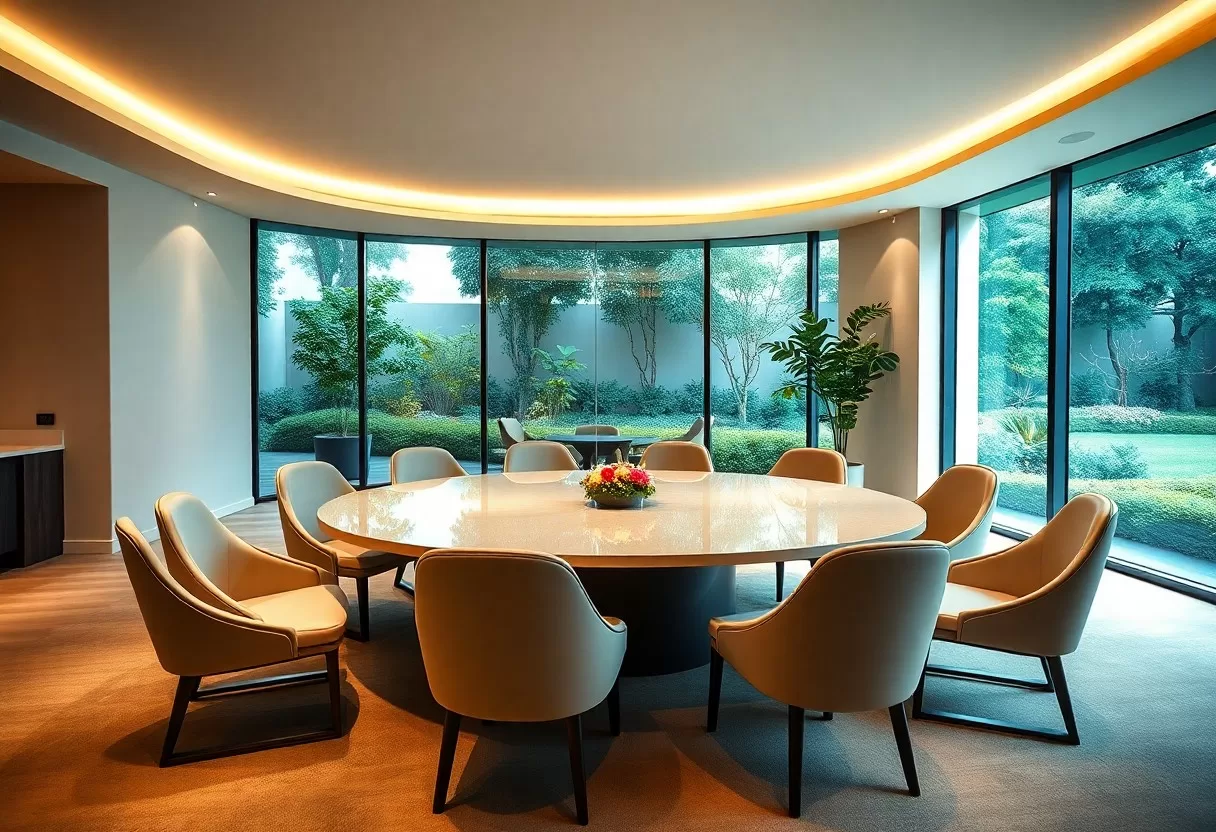
Key Takeaways:
- Soft geometry emphasizes the use of organic shapes, such as curves and arches, to create more inviting and fluid spaces.
- This design approach enhances spatial flow and comfort, making interiors feel less rigid and more harmonious.
- Incorporating soft geometric elements can also contribute to improved acoustics and aesthetics in modern interiors.
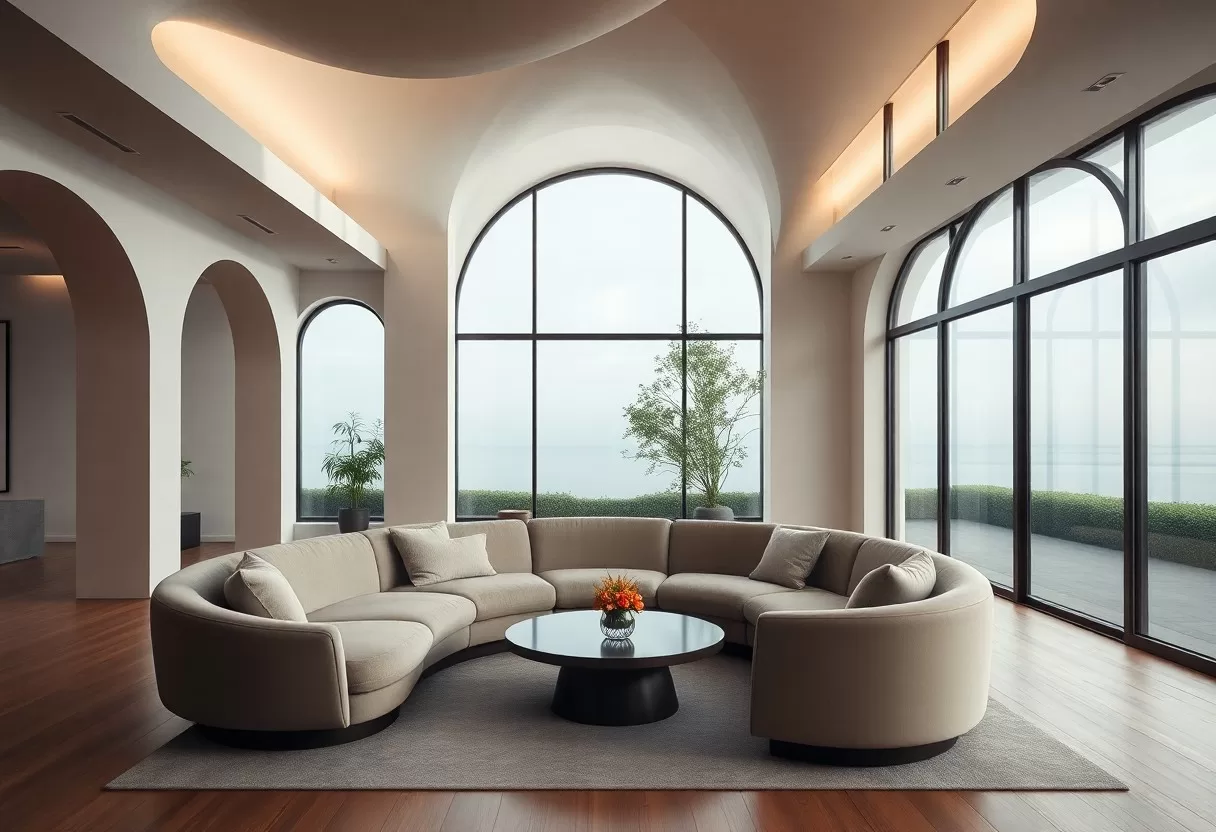
The Allure of Curves: Aesthetic Appeal in Design
The integration of curves into design transforms spaces, infusing them with a sense of warmth and fluidity. Curved elements soften stark lines, creating an inviting atmosphere that draws the eye and fosters comfort. Embracing soft geometry enhances visual flow, encouraging a connection between different areas within a home. Whether in furniture, wall designs, or architectural features, curves evoke a unique blend of elegance and playfulness that resonates deeply with modern sensibilities.
The Psychology of Curves in Spatial Design
Curves in spatial design significantly impact your emotional response to a space. They evoke feelings of comfort and serenity, contrasting the rigidity of straight lines. Research indicates that spaces with rounded shapes often promote relaxation and enhance well-being. You may find yourself more inclined to linger in areas defined by soft geometry, as these spaces inherently feel more inviting and less imposing.
Historical Context: Curves Through the Ages
The use of curves in architecture and design has deep historical roots, dating back to ancient civilizations. From the graceful arches of Roman aqueducts to the organic forms of Art Nouveau, curves have always played a pivotal role in human expression. As styles evolved, the significance of curves persisted, symbolizing not just aesthetic appeal, but also fundamental principles of balance and harmony in design.
Throughout history, various architectural movements have celebrated curves, reflecting cultural and technological advancements. The Baroque period embraced curvilinear forms to embody grandeur, while the Modernist era sought simplicity with subtle curves in furniture design. The fluid lines of mid-century modernism exhibit how curves can capture attention without overwhelming a space. By examining these historical contexts, you can appreciate how curves continue to influence contemporary design trends and invite a sense of continuity across time.
From Rigid to Fluid: The Evolution of Interior Architecture
The shift in interior architecture from rigid, angular designs to fluid forms reflects a broader cultural move toward comfort and accessibility. This evolution prioritizes human experience, encouraging you to engage with your environment in a more organic manner. Spaces are being reimagined to foster relaxation and creativity, moving away from the confines of straight lines and sharp edges. As a result, architects and designers are now focusing on how curves can enhance functionality while providing aesthetic appeal, anticipating your needs in an increasingly dynamic world.
Transitioning from Straight Lines to Organic Shapes
Your living environment has transformed as the design philosophy evolves. Curvilinear elements replace sharp edges, making spaces feel more inviting. The use of organic shapes conveys a sense of flow and movement, drawing the eye and inviting exploration. You see walls that undulate gracefully, furniture that mimics natural forms, and open plans that create a cohesive harmony between structure and sensation, inviting a deeper connection to the surrounding area.
The Role of Technology in Embracing Soft Geometry
Advancements in technology have revolutionized how you can incorporate soft geometry into interior design. Digital modeling and advanced manufacturing techniques facilitate the creation of complex curves, enabling you to visualize and realize unique design concepts without traditional limitations.
Innovative tools like 3D printing and computer-aided design (CAD) allow you to experiment with customized materials and forms, enhancing your creative possibilities. These technologies have made it feasible for designers to create more intricate, fluid forms that would have been difficult or impossible to achieve with conventional construction methods. Projects like the Heydar Aliyev Center in Baku demonstrate how technology empowers architects to push boundaries, showcasing elaborate curves that reflect the flow of natural landscapes. Consequently, you benefit from interiors that are not only visually striking but also tailored to your preferences and lifestyle.
Functional Benefits of Arches and Curved Surfaces
The integration of arches and curved surfaces in modern interiors offers numerous functional benefits. These designs not only enhance the aesthetic appeal but also transform the way space is utilized, allowing for more fluid movement and interaction. Arches provide structural support while softening harsh lines, creating an inviting atmosphere that encourages social engagement and relaxation.
Enhancing Space Utilization and Flow
Curved surfaces promote a smoother transition between areas, optimizing space utilization in your home. Unlike traditional straight lines, which can create rigid barriers, arches guide movement and visually connect different spaces. This is particularly effective in smaller homes, where maximizing square footage is necessary, as curves can help to create the illusion of larger, more open areas.
Acoustic and Lighting Advantages of Soft Geometry
Soft geometry significantly impacts acoustics and lighting in your interior spaces. The rounded shapes of arches and curves can help diffuse sound waves, reducing echo and creating a more serene environment. Additionally, these forms can influence how light enters and reflects within a room, promoting natural illumination while minimizing harsh shadows.
Acoustic benefits often manifest in spaces such as home theaters or open-concept living areas, where sound control is paramount. Curved surfaces, such as domed ceilings or rounded walls, trap and physically redirect sound waves, enhancing sound quality and reducing noise pollution. Likewise, the interplay of light with curved elements can transform your rooms. For instance, a vaulted arch can capture sunlight, cascading soft illumination throughout the space while avoiding the jarring glare that flat surfaces produce. The result is a harmonious balance of acoustics and lighting that enhances your overall living experience.
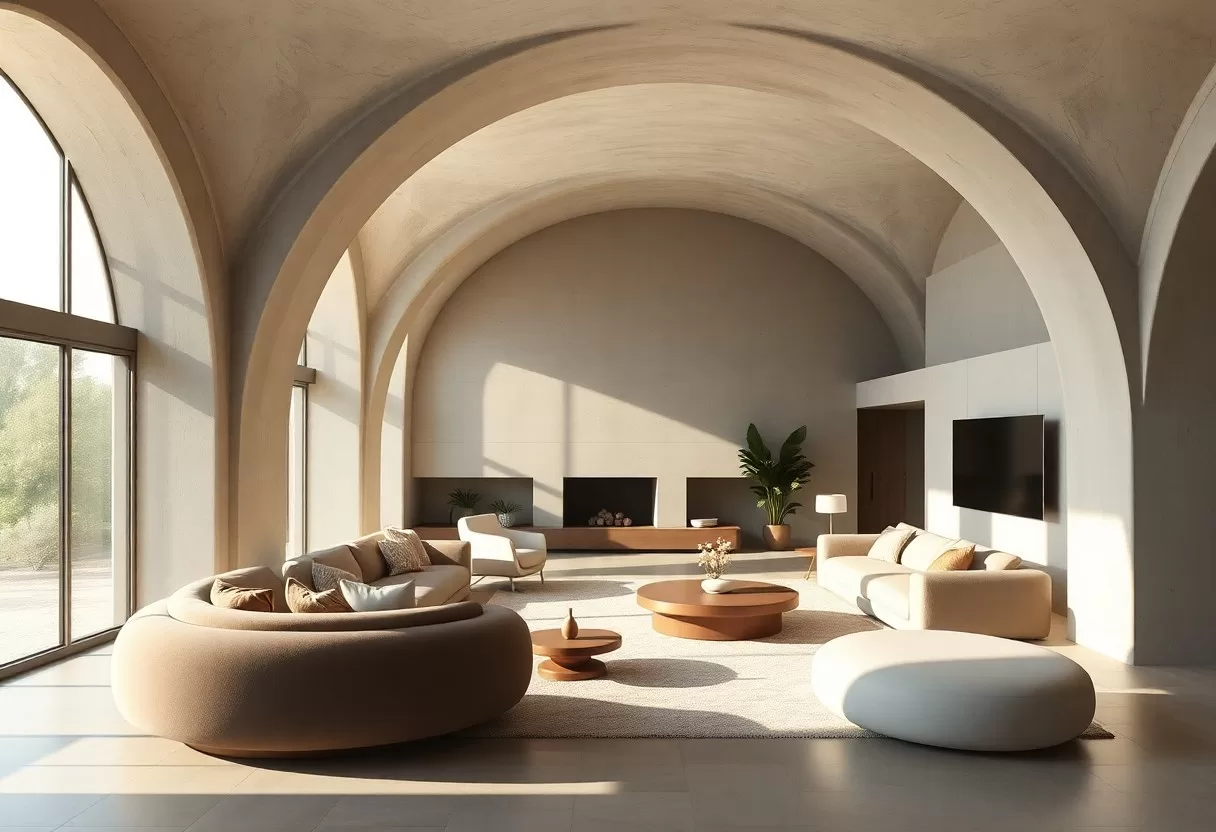
Material Innovations: Shaping the Future of Interiors
Advancements in materials are redefining how you incorporate curves and arches into your spaces. Innovative technologies, such as 3D printing and smart materials, allow for the creation of curvilinear elements that blend aesthetics with functionality. Lightweight composites and flexible metals are enabling designers to explore complex shapes previously deemed impractical, leading to the emergence of dynamic interior spaces that captivate and inspire.
Advancements in Materials that Embrace Curvilinear Forms
New materials such as thermoplastics and bio-based composites cater to curvilinear designs, allowing you to achieve smoother transitions and fluid forms. These materials are not only versatile but also inherently adaptable, giving your interiors the capability to transform in response to changing needs while maintaining their elegant curves.
Sustainability and the Push for Eco-friendly Curved Designs
The movement towards eco-friendly curved designs is gaining momentum, with designers prioritizing sustainability in their choices. Utilizing recycled materials and regenerative sources allows you to create stunning interiors while minimizing your environmental footprint. You can achieve beautiful, functional spaces without compromising your commitment to the planet.
Many designers are now sourcing sustainable materials specifically for curved designs, such as reclaimed wood and bamboo, which not only enhance the aesthetics of a space but also showcase a commitment to environmental stewardship. Innovations like mycelium-based products present exciting opportunities for lightweight, biodegradable elements, perfect for fluid forms. Eco-conscious design principles contribute to the creation of spaces that embody both beauty and responsibility, allowing you to embrace modernity without sacrificing your values.
The Human Experience: How Curved Interiors Affect Us
Curved interiors significantly shape your emotional and physical wellbeing, influencing everything from mood to stress levels. Spaces featuring soft geometry promote relaxation and comfort, allowing you to feel more at home. The harmonious flow of curves can invite you to explore and engage in the environment, fostering a sense of connection and community that sharp angles often inhibit.
Emotional Responses to Soft Geometry in Living Spaces
The gentle lines of curved designs evoke feelings of tranquility and security. You may find that these shapes reduce anxiety and create an inviting atmosphere, encouraging social interaction and relaxation. A study conducted by the University of Kent revealed that soft geometries can lead to heightened feelings of happiness and satisfaction in personal spaces, ultimately enhancing your quality of life.
Health and Wellness: Curves in Homes as a Therapeutic Signature
Incorporating curves into your living spaces can significantly impact your health and wellness. Research shows that environments featuring soft geometry contribute to reduced stress levels and increased feelings of wellbeing. The absence of harsh edges and sharp angles in your surroundings can lessen cognitive overload and promote a calming atmosphere, crucial for recovery and rejuvenation.
Spaces designed with curves can also encourage better movement and flow within your home, impacting not only your physical health but also your mental state. According to a study by the Spatial and Natural Environment Research Group, homes featuring curved walls and furniture foster a sense of openness and connection, leading to a 20% increase in reported happiness levels among residents. Furthermore, these spaces can promote better air circulation and natural light, which are key factors in enhancing your overall wellness and quality of life. Adopting soft geometry in your home not only beautifies but also nurtures a healthier lifestyle.
To wrap up
Hence, embracing soft geometry in your interior design can transform spaces, fostering a sense of serenity and elegance. Curves and arches not only enhance aesthetic appeal but also promote a harmonious flow, allowing you to connect more profoundly with your environment. By incorporating these elements, you elevate your surroundings into a modern sanctuary that feels both inviting and timeless. Make sure to consider the balance between functionality and beauty, as this will ultimately define the success of your design choices.
FAQ
Q: What is Soft Geometry in modern interior design?
A: Soft Geometry refers to the use of fluid shapes, curves, and arches in interior design that contrasts with traditional straight lines and sharp angles. This approach emphasizes a more organic and inviting atmosphere, promoting comfort and a sense of flow in living spaces.
Q: How do curves and arches influence the ambiance of a room?
A: Curves and arches create a more harmonious and dynamic environment, reducing visual tension and promoting relaxation. They allow for interesting spatial interactions and encourage movement, which can make rooms feel larger and more inviting.
Q: What materials are commonly used to implement Soft Geometry in interiors?
A: Common materials for Soft Geometry include sculptural textiles, molded plastics, light wood, and smooth stone. These materials can be shaped into curved furniture, decorative elements, and architectural features, enhancing the overall aesthetic and tactile experience.