
How to Share Your Home Design Ideas With Your Partner Without Arguing
Many couples face challenges when discussing home design ideas, often leading to frustration and conflict. To avoid these dangerous misunderstandings, it’s important to approach the conversation with empathy and clarity. By employing effective communication strategies, you can promote a positive collaborative atmosphere that values both partners’ opinions. This guide will provide you with practical tips to ensure your design discussions remain constructive and harmonious.
Key Takeaways:
- Focus on collaborative brainstorming instead of presenting final decisions.
- Use visual aids, such as inspiration boards, to communicate ideas effectively.
- Establish ground rules for discussions to keep the conversation constructive and respectful.
Understanding Each Other’s Perspectives
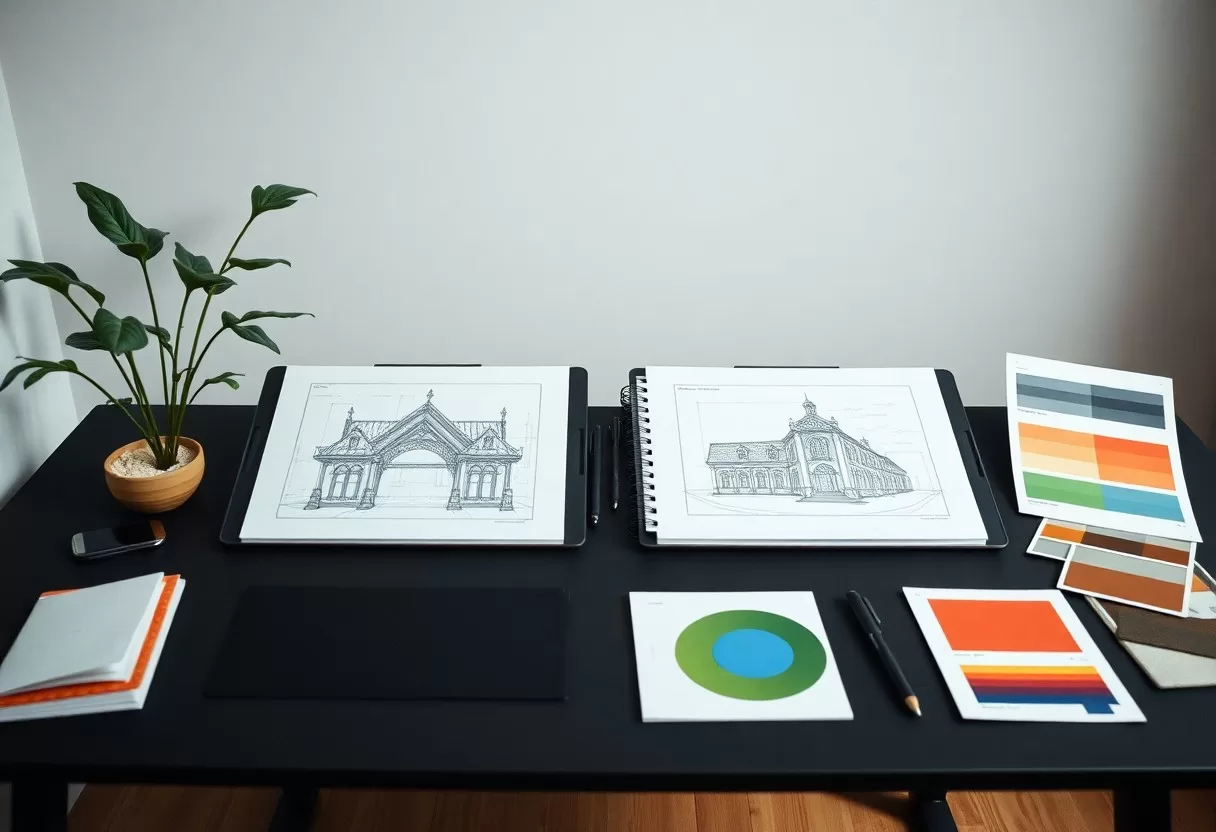
In any discussion, recognizing your partner’s viewpoint is vital for collaborative success. When designing your home, acknowledging unique preferences and emotions associated with certain styles can help diffuse tension. Try to view the situation from your partner’s perspective and express genuine interest in their ideas. This mutual understanding lays the foundation for respectful dialogue and decision-making.
How to Listen Actively
Active listening involves truly focusing on your partner’s words rather than preparing your response. Make eye contact, nod appropriately, and clarify their points by summarizing what you’ve heard. This not only shows engagement but also helps to avoid misunderstandings, ensuring both partners feel valued in the conversation. Assume that your partner’s input is just as important as your own.
Tips for Empathetic Communication
Empathy is important in effective home design discussions. Be open to your partner’s feelings and thoughts, and communicate your own in a sensitive manner. Use “I” statements to express how you feel rather than placing blame. For example, say, “I feel overwhelmed when…” instead of “You always make me feel…” This approach fosters a more constructive atmosphere. Assume that both of you are working toward a common goal.
- Empathy fosters connection.
- Open dialogue encourages sharing without fear.
- “I” statements maintain a positive atmosphere.
- Assume that open communication leads to understanding.
Incorporating empathy can transform discussions. When you validate feelings by acknowledging your partner’s concerns and reinforcing their ideas, it nurtures a sense of teamwork. Tailor your communication style to suit their preferences, whether they appreciate directness or require a gentle touch. Assume that being considerate will enhance your shared experience of designing a home that reflects both your styles.
- Active validation enhances trust.
- Flexibility leads to compromise.
- Courage to be vulnerable strengthens bonds.
- Assume that understanding fosters a healthier partnership.
Setting the Stage for Collaboration
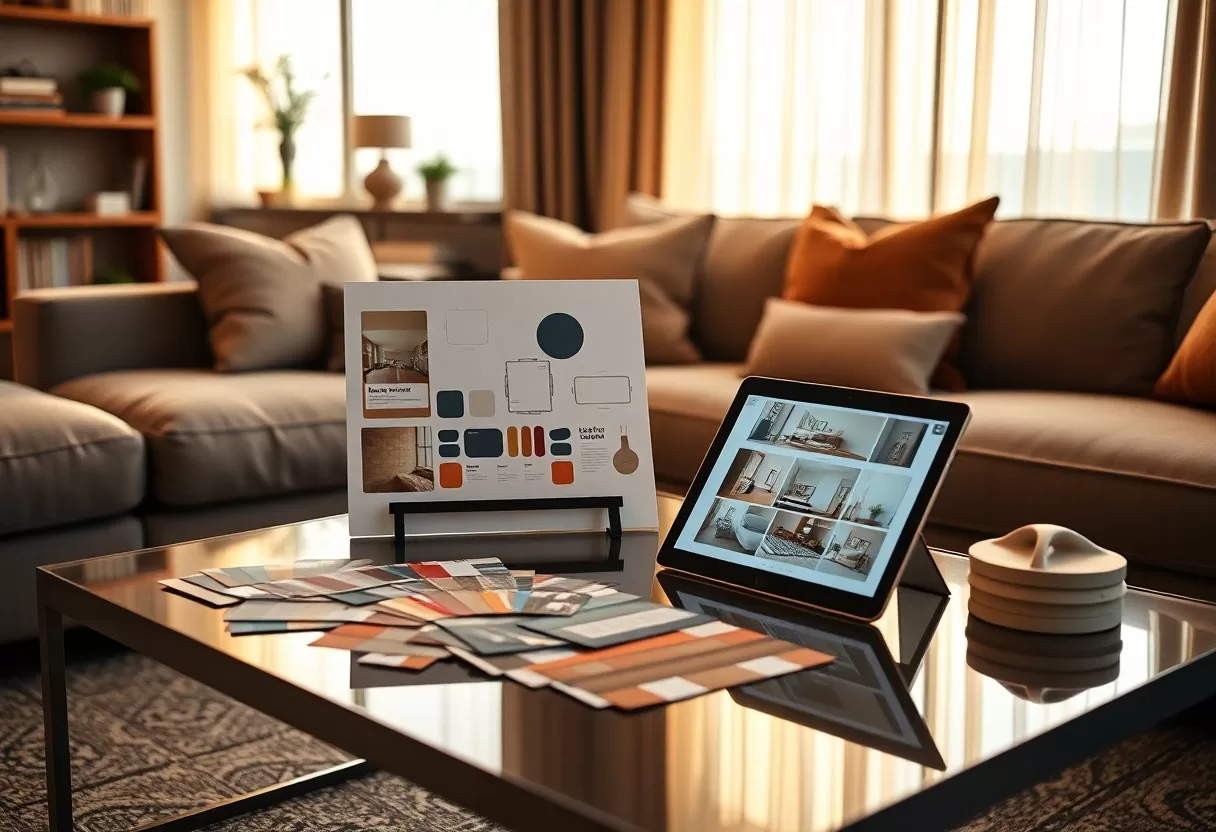
Creating a collaborative atmosphere is vital for discussing home design ideas. By establishing an open mindset, you both can explore creative possibilities without feeling pressured. Ensure that you approach each discussion as a team, looking for innovative ways to blend your styles. This foundation fosters respect and encourages compromise, making it easier to address differences while focusing on shared goals.
Creating a Comfortable Environment
To enhance communication, create a comfortable space for your discussions. Choose an area in your home where you both feel relaxed and inspired, such as a cozy living room or a sunny patio. A pleasant atmosphere reduces tension, allowing you to express your ideas freely. Incorporate elements that resonate with both of you, such as snacks, warm beverages, or even soft music, to further encourage a sense of ease.
Choosing the Right Time to Discuss
Selecting the right moment to discuss home design is vital for productive conversations. Avoid initiating discussions during stressful times or when either of you is preoccupied with other tasks. Instead, choose a time when you can both dedicate your attention to the topic, like a weekend afternoon or an evening when your schedules are clear. This ensures that both parties are fully engaged and open to exploring each other’s ideas.
For optimal results, aim for a time when both of you are at your best—whether that’s after a shared meal, during a relaxing weekend, or even after a fun outing. Avoid late nights when fatigue sets in, as a fresh mindset can reduce misunderstandings. Consider setting aside regular “design dates” as a commitment to explore ideas together, promoting ongoing collaboration rather than one-off conversations. These dedicated times can serve as the catalyst for meaningful discussions about your vision for your home.
Sharing Ideas Effectively
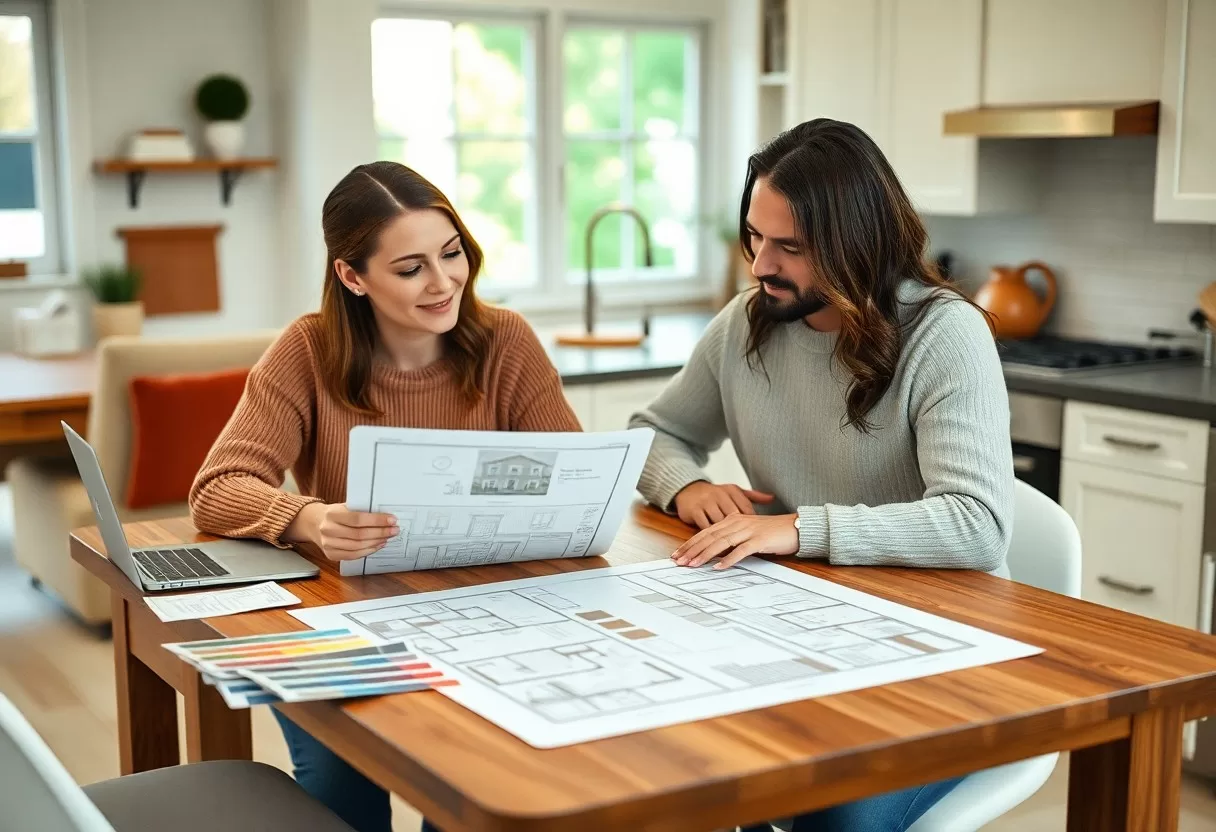
To share your home design ideas successfully, utilize a mix of visual aids, clear verbal communication, and an open mindset. Engage in discussions that encourage a collaborative approach, allowing both you and your partner to express preferences and concerns. Your goal is to foster a productive exchange that combines creativity with practicality, making sure both of you feel heard and appreciated in the design process.
Using Visual Aids
Visual aids like mood boards, Pinterest boards, or sketches can significantly enhance your discussions. When you present your ideas visually, it reduces misinterpretations and provides a tangible reference that sparks inspiration. For instance, showing a color palette can help convey your vision more effectively than words alone.
Verbalizing Ideas Clearly
Clear verbalization of your ideas is necessary in ensuring mutual understanding and respect. Use straightforward language, and be specific about what you like and dislike. For example, instead of saying “I want a cozy living room,” describe specific elements—“I envision a living room with warm tones, a comfortable sectional, and layered textures for a welcoming vibe.” This clarity aids in aligning your vision with your partner’s expectations.
When verbalizing your ideas, focus on details that matter. Incorporate specific elements like colors, materials, and furniture styles when discussing your design preferences. Use examples from magazines or websites to illustrate your points, making it easier for your partner to grasp what you envision. Aim for a tone that is open and inclusive, inviting feedback rather than presenting a monologue. Ultimately, effective communication is about being both articulate and receptive, cultivating an environment where both partners feel comfortable sharing their visions.
Navigating Differences in Taste
With respect to home design, you and your partner may have very different styles and preferences. Acknowledging these differences is crucial to creating a harmonious space. Embracing diverse tastes can lead to innovative solutions that reflect both of your personalities, turning potential clashes into opportunities for collaboration. Engage in open discussions about what each of you values in design, allowing for a deeper understanding of one another’s perspectives.
Finding Common Ground
To discover shared tastes, start by exploring design styles that appeal to both you and your partner. Use mood boards tailored to incorporate elements you both enjoy, such as color schemes or furniture styles, and look for recurring themes. By identifying these overlapping elements, you can establish a foundation that honors both of your preferences, minimizing conflict while enhancing mutual happiness.
Compromise Strategies
Implementing compromise strategies can effectively bridge your differing tastes in home design. Focus on blending styles by choosing a neutral base that allows for personalized accents from both of your preferred aesthetics. Alternately, designate specific areas in your home where each partner’s taste can shine, enabling individual expression while maintaining a cohesive atmosphere overall.
Consider creating a rule where you alternate decisions for key design elements. For instance, if you handle the living room, let your partner craft the bedroom. This fosters a spirit of collaboration while giving each person space to express their individuality. Additionally, you could agree on a budget for each space, which empowers decisions that feel fair and balanced. Ultimately, by actively seeking solutions that cater to both tastes, you can cultivate a beautifully designed home that resonates with both of you, fostering an atmosphere of cooperation and respect.
Incorporating Feedback
Incorporating feedback is crucial for creating a harmonious home design that reflects both your tastes. Start by discussing which changes resonate with each of you to find overlapping preferences. Acknowledging your partner’s ideas ensures they feel valued, which can lead to a more collaborative design process. Regularly revisiting past discussions helps track progress and incorporates evolving perspectives as you move forward.
How to Solicit Input
To effectively solicit input, ask open-ended questions that invite your partner to share their thoughts freely. For instance, inquire about their favorite colors or specific features they envision in a room. Create a comfortable environment for discussion, such as during a casual evening at home. You can also provide examples of designs you like to stimulate conversation and gauge their reactions.
Tips for Positive Reinforcement
Offering positive reinforcement encourages an open exchange of ideas and builds a supportive atmosphere. Acknowledge the strengths in your partner’s suggestions, which can boost their confidence and willingness to contribute further. Utilize phrases like, “I love how you think about the practicality of this design,” to affirm their input. Also, regularly express gratitude for their involvement, which strengthens your partnership while fostering a cooperative design dialogue.
- Acknowledgment fosters a sense of importance.
- Affirmation builds trust in shared decisions.
- Gratitude enhances collaboration.
- Encouragement motivates continued feedback.
Incorporating these strategies will create a positive feedback loop, enhancing your design discussions. Sharing specific examples of effective teamwork can also inspire your partner. Highlight their contributions consistently, which validates their efforts. Create a habit of referencing positive past outcomes from collaboration, subtly linking successful projects to ongoing feedback. Any small reinforcement can lead to greater participation later.
- Teamwork demonstrates unique strengths.
- Specific cases provide relatable context.
- Building habits stimulates continued engagement.
- Future projects benefit from established dynamics.
Establishing a Joint Vision
Building a shared vision for your home design lays the foundation for a collaborative process. Initiate discussions by openly expressing your individual preferences and inspirations. Engage in brainstorming sessions to find common ground, ensuring both partners feel heard and valued. A visual representation, such as a mood board or Pinterest board, can effectively illustrate your ideas, leading to a cohesive design strategy that embodies your joint aspirations.
Defining Shared Goals
To effectively define shared goals, pinpoint aspects of design that resonate with both of you. Discuss what sensations or functionalities you seek in each space. Aim for balance by considering how aesthetics and practicality intertwine, ensuring that your home reflects both your personalities and lifestyle needs. Setting precise objectives allows you both to have a clearer roadmap in achieving your ideal space.
Factors to Consider for Cohesion
When aiming for cohesion in your home design, various factors come into play. You should focus on the colors, materials, and styles that create harmony throughout. Elements like wood tones, fabrics, and design motifs should align with both your preferences for a seamless flow. Consider how the choices reflect your joint personality while keeping functional aspects at the forefront. This ensures that every room feels connected yet uniquely individual.
- Colors
- Materials
- Styles
- Harmony
- Functionality
Cohesion is further enhanced when you both prioritize an overarching theme, perhaps leaning towards contemporary minimalism or rustic charm. Consider how each piece you select complements others in terms of both color and style; for instance, pairing warm wood tones with neutral fabrics can create a unified aesthetic. This will lead to an overall harmonious environment where every detail contributes to the bigger picture.
- Overarching Theme
- Contemporary
- Rustic
- Unified Aesthetic
- Complementary Details
To wrap up
As a reminder, effectively sharing your home design ideas with your partner involves open communication, active listening, and a willingness to compromise. Establishing a shared vision can lead to a more harmonious decision-making process. Approach discussions with empathy and a focus on collaborating rather than conflicting. For additional strategies, explore what to do when you don’t see eye to eye on home design to ensure a productive dialogue.
FAQ
Q: How can I start the conversation about home design ideas with my partner?
A: Begin by choosing a comfortable setting and a relaxed time to talk. Express your excitement about sharing ideas and emphasize the importance of both opinions in the decision-making process. Ask open-ended questions to encourage your partner to share their thoughts and preferences.
Q: What if we have different styles or preferences?
A: Acknowledge the differences in styles and use them as a basis for collaboration. Suggest finding common ground by discussing elements from each style that both of you like. Create a mood board together to visualize how different elements can complement each other.
Q: How can we handle disagreements constructively?
A: Establish ground rules for discussions, such as focusing on the topic at hand and avoiding personal critiques. If disagreements arise, take a break to cool down and revisit the topic later. Try to focus on solutions rather than problems, and look for compromises that incorporate both partners’ ideas.