
Shadow Play – Using Natural Light to Redefine Your Rooms
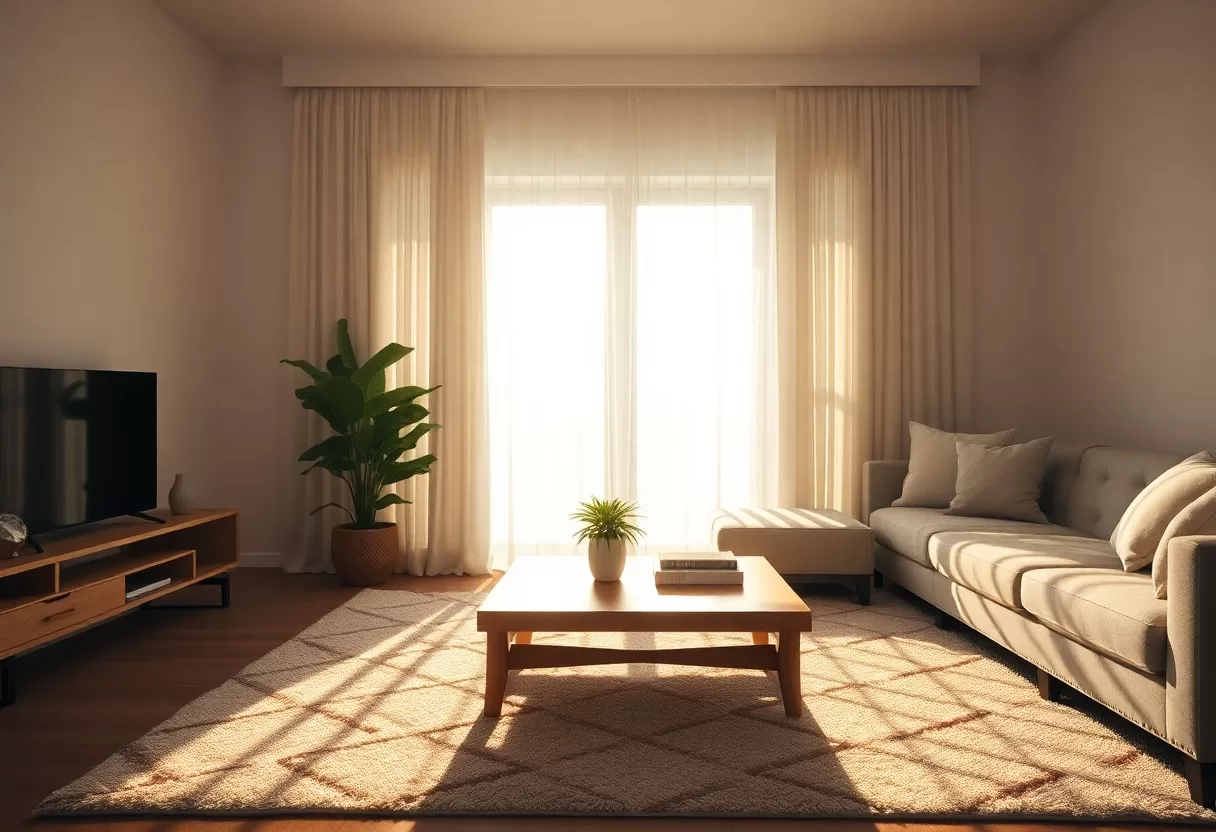
You can transform your spaces by embracing the art of shadow play, which utilizes natural light to create dramatic effects in your rooms. By strategically placing mirrors and using light-colored furnishings, you can enhance brightness and make your areas feel more expansive. This technique not only adds depth but also contributes to your overall well-being. Be mindful of how the sun moves through your space, as it can highlight textures and features, creating an inviting atmosphere while avoiding harsh glares and overpowering brightness.
Key Takeaways:
- Natural light can transform the ambiance of a room, enhancing its appearance and mood.
- Shadows play a significant role in defining space and can be manipulated through furniture arrangement and window treatments.
- Using varying light sources and reflective surfaces can create dynamic shadow patterns, enriching the visual experience in interiors.
The Magic of Natural Light
Natural light possesses an enchanting ability to alter the perception of your space, creating an inviting atmosphere. It acts as a dynamic canvas, shifting throughout the day, and casting varying shades and textures that can make your rooms feel more expansive and vibrant. This interplay between light and shadow not only enhances aesthetic appeal but can also influence your daily experiences, promoting well-being and comfort.
The Impact of Light on Perception and Emotion
Light fundamentally shapes how you perceive your space and can greatly influence your emotions. Bright, warm light can invigorate and uplift, while cooler tones may induce feelings of calm and tranquility. Studies indicate that exposure to natural light can boost mood and productivity, making it necessary to consider lighting when designing your interiors.
Harnessing the Power of Daylight in Interior Spaces
Incorporating daylight into your interiors can dramatically enhance how you interact with your environment. Strategically positioning mirrors to reflect sunlight or using translucent window treatments allows natural light to permeate deeper into your space, creating a stunning interplay of light and shadow. Maximizing daylight not only reduces reliance on artificial lighting but also fosters a connection to the outside world, enriching your daily experience.
To effectively harness daylight, evaluate your room’s orientation and seasonal light patterns. For instance, south-facing windows may provide maximum sunlight in winter, while overhanging structures can offer shade in the hotter months. Utilizing elements like skylights or light wells can draw additional sunlight into darker areas of your home. Incorporate lighter-colored surfaces and reflective materials to amplify natural light, ensuring your spaces are bright, airy, and engaging throughout the day.
Crafting Shadows: Design Techniques
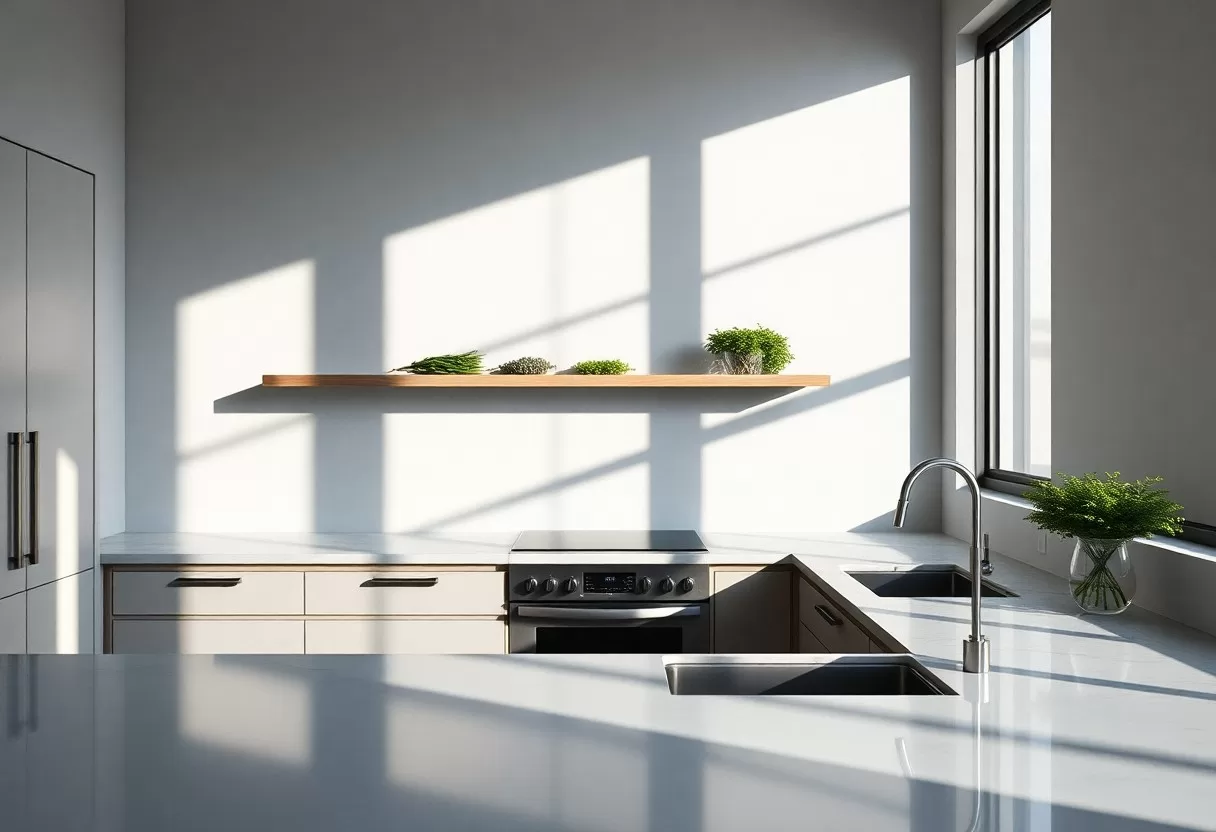
Mastering shadow play in your rooms involves intentional design techniques that enhance the interplay between light and dark. By manipulating elements such as furniture placement, color choices, and textiles, you can sculpt shadows to create depth and dimension. Adequate understanding of how natural light moves throughout the day allows you to design spaces that capitalize on these dynamics, transforming your atmosphere while crafting visual interest.
Sculpting Spaces with Light and Dark
You can create a stunning contrast in your rooms by pairing light walls with dark furniture or accessories. Such techniques not only highlight architectural details but also draw the eye towards focal points. The interplay between light and shadow accentuates textures, offering a richer experience in your space. This balance fosters a sense of depth, making your interior design more dynamic and appealing.
Utilizing Architectural Features for Enhanced Shadow Play
Architectural features can greatly influence how shadows interact within your space. Elements such as beams, molding, and alcoves can cast dramatic shadows, establishing character and focal points. By strategically placing your furnishings or decor near these features, you enhance the existing play of light and shadow, enriching the visual narrative of your room.
Considering your architectural layout is necessary for maximizing shadow play. For example, deep window sills or decorative ledges can create bold lines where shadows fall, offering opportunities to highlight artworks or statement pieces. Textured walls will reflect light uniquely, adding complexity to the shadows cast. This thoughtful integration of architectural elements can transform bland spaces into captivating environments, inviting intrigue and depth. Utilize these features to create a unique rhythm in your living area, enhancing both aesthetics and functionality.
Color and Texture: The Companions of Light
Color and texture profoundly influence how natural light interacts with your space, creating a dynamic interplay that enhances your room’s aesthetic. Well-chosen hues can amplify the warmth of sunlight, while varying textures can capture and diffuse light in captivating ways. This synergy helps to establish mood and depth, making it imperative to consider both elements when designing your environment.
Choosing the Right Palette for Illumination
Selecting a color palette that complements your room’s natural light can dramatically alter its atmosphere. Light, soft hues such as pastels or whites reflect sunlight, creating an airy feel, while deeper shades can absorb light, adding warmth and intimacy. For optimal results, choose colors that resonate with the quality of your light, whether it’s bright and zesty or soft and subdued.
Textural Elements That Enhance Natural Light Dynamics
Incorporating varied textures into your space can significantly heighten the effects of natural light. Surfaces such as woven fabrics, textured wallpapers, and matte finishes can soften illumination and produce an intriguing contrast to glossy elements like glass or polished wood. Balancing these textures enables you to masterfully manipulate light’s journey through your room.
Textural elements not only enhance the beauty of your space but also serve a functional purpose. For instance, a rough stone wall can create striking shadow patterns and enhance the warm glow of sunlight, while soft drapery can filter harsh light, creating a gentle diffusion. Using different materials such as wood, metal, and textiles allows you to redirect light across your room, achieving a more dynamic and inviting atmosphere. Optimal layering and combinations of these textures amplify the natural light’s presence, making your room feel more spacious and alive.
Planning Your Space Around Light
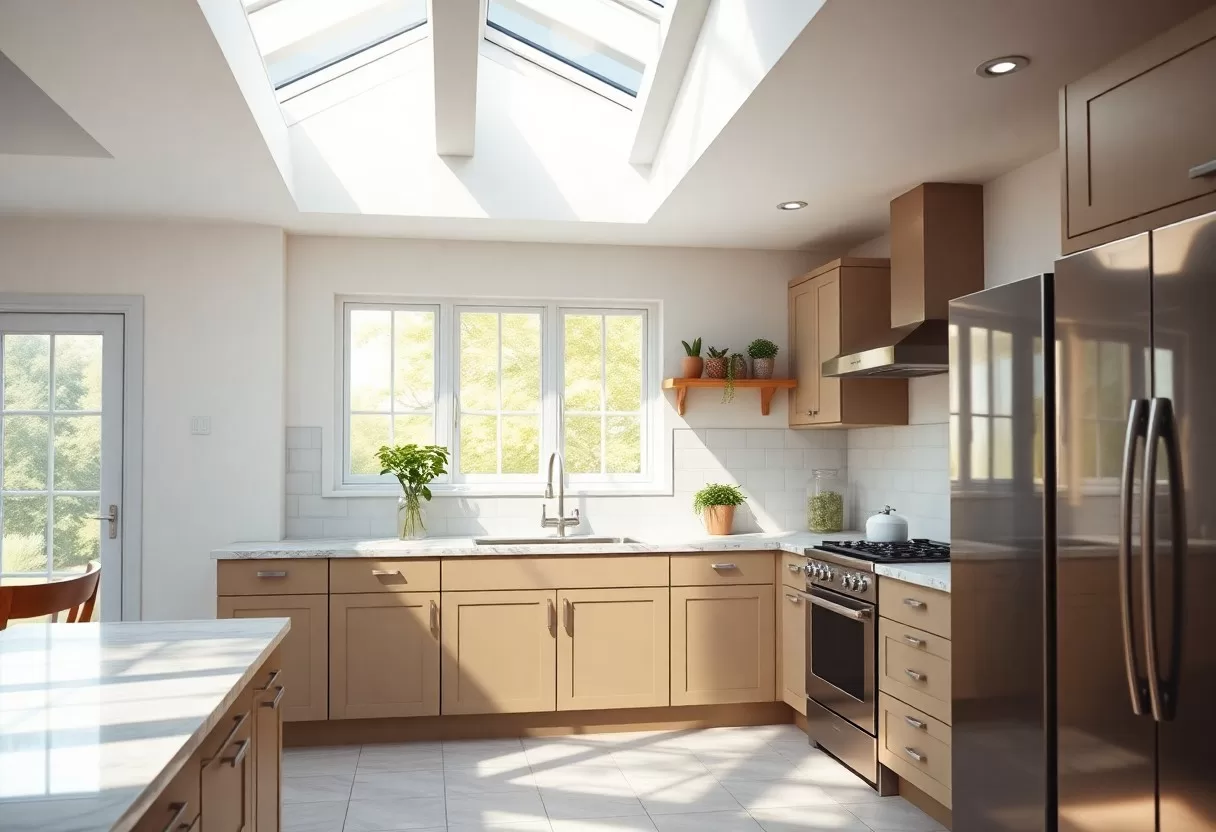
Your room’s layout can significantly influence how natural light flows through the space. Start by identifying the sources of light, such as windows and skylights, and how sunlight shifts throughout the day. Assess which areas benefit from direct sunlight and which may remain in shadow. By considering the time of day and season, you can strategically plan your furnishings, art placements, and color schemes to harmonize with the available light, creating a more vibrant and welcoming environment.
Positioning Furniture for Maximum Light Exposure
Arrange your furniture to take advantage of sunlight and minimize shadows. For instance, position sofas and chairs near windows to create cozy reading nooks illuminated by natural light. Reflective surfaces, such as mirrors and glass tables, can amplify the brightness of the room. Choose lighter colors for upholstery and decor to enhance the effect of sunlight and establish an airy atmosphere that makes your space feel more open and inviting.
Seasonal Adjustments: Adapting to Changing Light Conditions
As the seasons change, so do the angles and intensity of sunlight in your home. Adjust your space by relocating furniture or switching out decor to maximize light exposure during shorter winter days or to create shade in the sweltering summer months. This adaptation not only enhances your comfort but also preserves the aesthetic harmony of your interiors, ensuring that your living spaces feel engaging and vibrant year-round.
To effectively adapt to shifting light conditions across seasons, consider utilizing adjustable window treatments such as blinds or sheer curtains that can modulate light penetration. During autumn or winter, allow maximum light to warm your space by opening curtains wide, while in the summer, closing them can help keep rooms cooler. Additionally, rotating accent decorations and plants can bring color and life into any room, taking advantage of the full spectrum of available natural light. Embrace the unique attributes each season brings to your room’s atmosphere, enhancing both functionality and visual appeal.
The Sustainability Edge: Energy Efficiency Through Natural Illumination
Integrating natural light into your spaces not only enhances aesthetics but also significantly boosts energy efficiency. By maximizing daylight, you can reduce reliance on artificial lighting, leading to substantial energy savings. Studies indicate that utilizing natural light can decrease energy costs by up to 30%, providing a compelling case for redesigning your environment to capture the sun’s rays.
Reducing Energy Costs with Strategic Lighting
Strategic placement of windows and reflective surfaces can minimize energy costs. By designing your space to harness daylight effectively, you create a balanced environment that reduces the need for electric lighting during the day. For instance, installing skylights in central areas can illuminate your home naturally, allowing you to cut back on lighting expenses and enjoy a brighter, more inviting atmosphere.
The Environmental Benefits of Embracing Natural Light
Embracing natural light not only affects your energy bills but also contributes positively to the environment. Implementing daylighting strategies reduces carbon footprints, as less reliance on artificial lighting translates into lower greenhouse gas emissions. Every hour you can substitute natural light for electric lighting helps lessen the overall demand on power grids, making your home a more sustainable place.
Research highlights that buildings utilizing natural light can lower energy consumption significantly. By incorporating daylight strategies, such as installing larger windows or open spaces that redirect light, your home requires less electricity, thereby cutting down on harmful emissions. Buildings designed with sustainability in mind often qualify for green certifications, boosting your property’s value and enhancing its marketability while promoting a healthier planet for future generations.
Final Words
On the whole, utilizing shadow play with natural light can dramatically transform your spaces, enhancing their aesthetic appeal and ambiance. By strategically positioning furniture and using reflective surfaces, you can create intriguing patterns and textures that breathe life into your rooms. Consider how different times of day affect light and shadow, and experiment with various arrangements to find what works best for you. Embracing this approach allows you to redefine your environment and cultivate a more inviting atmosphere in your home.
Q: What is shadow play and how can it enhance my room?
A: Shadow play is the use of natural light and shadow to create depth and interest in a room. By manipulating the position of curtains, furniture, and light sources, you can produce dynamic patterns that change throughout the day, adding visual intrigue and a sense of warmth to your space.
Q: How can I effectively use different times of day for shadow play?
A: Different times of day offer varying qualities of natural light. Early morning light is soft and diffused, while midday sun creates strong, defined shadows. By observing how light enters your space at different times, you can rearrange elements like art and furniture to maximize the impact of shadows during those times.
Q: What are some simple techniques to enhance shadow play in my home?
A: You can enhance shadow play by using sheer curtains to filter light, placing reflective objects near windows to bounce light, and incorporating plants to create interesting shapes with their shadows. Experimenting with furniture placement can also change how shadows are cast, providing a unique atmosphere in each room.