
Sensory Interiors – How Texture and Sound Shape Home Design
You may underestimate how texture and sound can profoundly influence your home’s design and your overall well-being. By understanding the role of tactile materials and acoustics, you can create spaces that not only look good but also feel inviting and serene. Integrating different textures can enhance visual interest, while sound-absorbing elements can minimize noise and improve your home’s atmosphere. This post will guide you through the important aspects of sensory interiors, helping you design a home that nurtures both your senses and your lifestyle.
Key Takeaways:
- Texture influences the perceived warmth and comfort of a space, impacting mood and interaction.
- Sound absorption materials can enhance acoustics, creating more tranquil and enjoyable environments.
- Combining various sensory elements promotes a holistic design approach, enhancing overall living experiences.
The Role of Texture in Emotional Well-Being
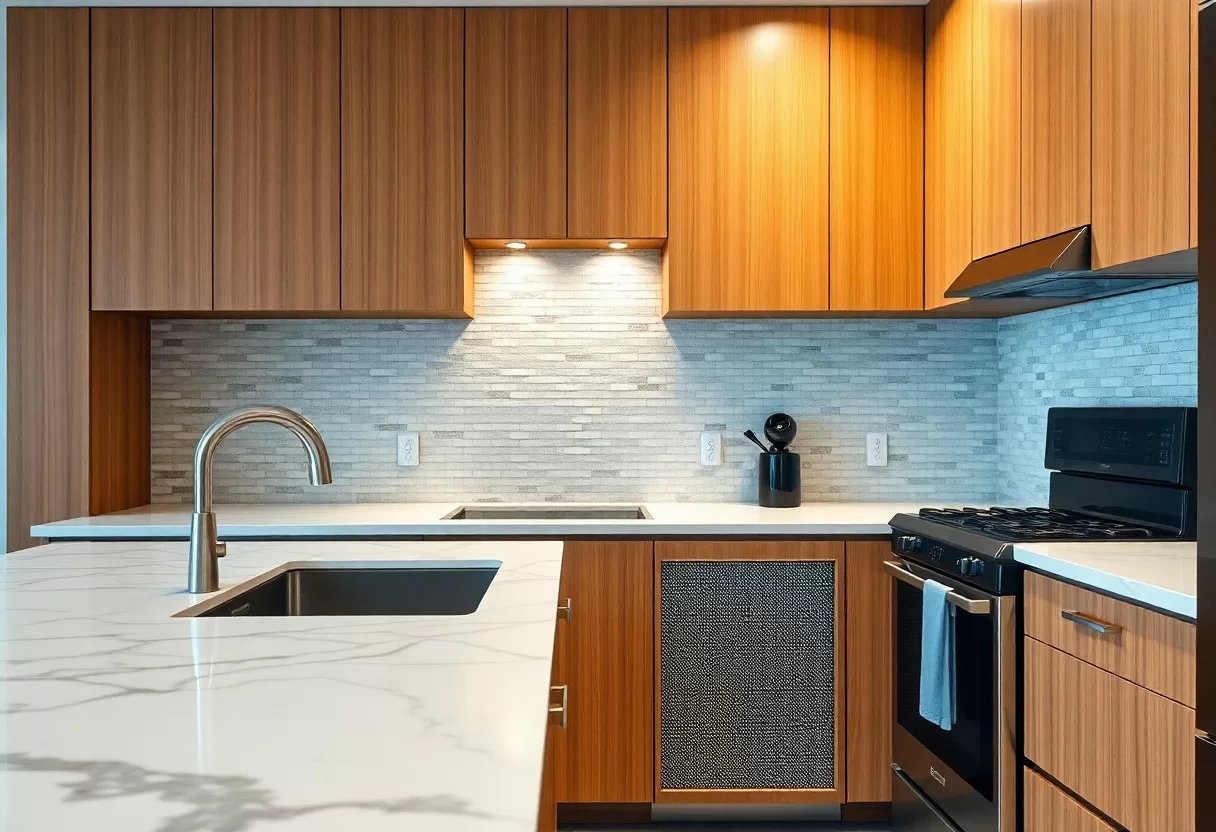
Texture plays a significant role in shaping your emotional landscape within a space. The tactile experiences created by different surfaces can evoke memories, stimulate your senses, and even influence your feelings of safety and comfort. For instance, a soft throw blanket can generate feelings of warmth, while sleek surfaces may enhance a sense of modernity and clarity, ultimately impacting your mental state and overall well-being.
How Surfaces Influence Mood
Surfaces contribute immensely to your mood by altering your environment’s perception. Rough textures, like exposed brick or reclaimed wood, can create a sense of rustic charm and authenticity, while smooth, glossy finishes may instill a feeling of sophistication and clean lines. The contrast of textures not only adds visual interest but also creates layers of emotional responses that inform your daily interactions within your home.
Textures that Promote Comfort and Relaxation
In your pursuit of a serene space, certain textures stand out for their calming effects. Soft fabrics, like fleece or velvet, invite you to sink in and feel at ease, while natural fibers, such as cotton and jute, contribute to a grounded atmosphere. Additionally, tactile elements like plush rugs and cozy cushions enhance comfort, creating inviting nooks where stress dissipates, and relaxation takes over.
Incorporating these comforting textures into your home introduces a gentle embrace that nurtures your well-being. Choose plush armchairs covered in soft fabrics for reading corners, add thick area rugs underfoot to muffle sound and provide warmth, or drape tactile throws across couches for visual depth and comfort. Layers of these materials, combined with thoughtful arrangements, transform sparse spaces into personal sanctuaries, important for unwinding after a hectic day and fostering a peaceful mindset.
Soundscapes: The Overlooked Element of Design
Soundscapes significantly influence your experience of a space, yet they often remain an overlooked element of design. Background noise, whether from traffic, busy streets, or even the hum of appliances, can disrupt your focus and relaxation. By intentionally incorporating sound elements, such as acoustic wall treatments or strategically placed soft furnishings, you can create a harmonious environment that nurtures your well-being, fosters productivity, and enhances your overall living experience.
The Impact of Acoustic Design on Space Perception
Acoustic design alters your perception of a space by manipulating how sound reverberates within it. Soft materials, like carpets and drapes, significantly reduce echo and create a sense of intimacy, while hard surfaces may increase noise and feelings of chaos. Studies indicate that spaces with lower sound levels can improve concentration by up to 30%, making thoughtful acoustic choices imperative for maximizing functionality and comfort in your home.
Creating Calming Environments Through Sound
Incorporating elements that promote calming sounds can transform your living space into a sanctuary. Natural soundscapes, such as the gentle whisper of a water feature or soft instrumental music, effectively reduce stress levels and enhance relaxation. By utilizing sound-absorbing materials and incorporating soothing audio elements, you can foster an environment that not only feels peaceful but also actively contributes to your mental well-being.
Creating calming environments through sound involves careful selection of audio cues that resonate with you. Incorporating sound machines or speakers that play nature sounds, like rain or ocean waves, can lower cortisol levels and induce a meditative state. Additionally, layering sound-absorbing elements, such as upholstered furniture, curtains, and acoustic panels, will minimize unpleasant noise interference. Engaging with soothing sounds transforms your space into a tranquil retreat, allowing you to escape the chaos of daily life and promote a healthier emotional atmosphere at home.
Integrating Texture and Sound for Cohesive Spaces
Creating spaces that resonate with both texture and sound allows you to experience heightened comfort and connection. By thoughtfully combining tactile materials with auditory elements, you can foster an environment that not only looks appealing but also feels serene. Incorporating soft textures in rugs or wall coverings alongside sound-absorbing designs like acoustic panels can minimize noise and enhance relaxation, making your home an oasis of tranquility.
Harmonizing Visual and Auditory Elements
Your visual and auditory experiences should complement each other to create a unified atmosphere. Selecting textiles in calming colors and natural patterns adds softness while simultaneously reducing echo and noise. Incorporating soundscape features like indoor water fountains or strategically placed plants contributes to both a visually pleasing environment and a soothing auditory background, encouraging relaxation and enhancing your overall well-being.
Innovative Techniques for Blending Design Aspects
Exploring unconventional materials and techniques can merge texture and sound harmoniously in your spaces. Think about textured wall panels made of sound-absorbing materials or decorative curtains that offer both aesthetic warmth and sound dampening. Integrating multi-functional furniture like acoustic sofas or sound-engineered lighting systems further enhances this interplay, providing not just beauty but also a uniquely comforting auditory experience in your home.
Innovative techniques such as using 3D-printed materials, which can be designed to include texture while also serving acoustic purposes, are changing the landscape of interior design. Textured surfaces can be tailored to diffuse sound waves or absorb noise, allowing for a customized approach to acoustics. Additionally, implementing multi-layered elements like upholstered ceilings or textured wall finishes can create engaging sound fields that add depth to your rooms. This integration fosters an immersive atmosphere, making it easier for you to relax and enjoy your surroundings.
Practical Applications: Transforming Homes with Sensory Awareness
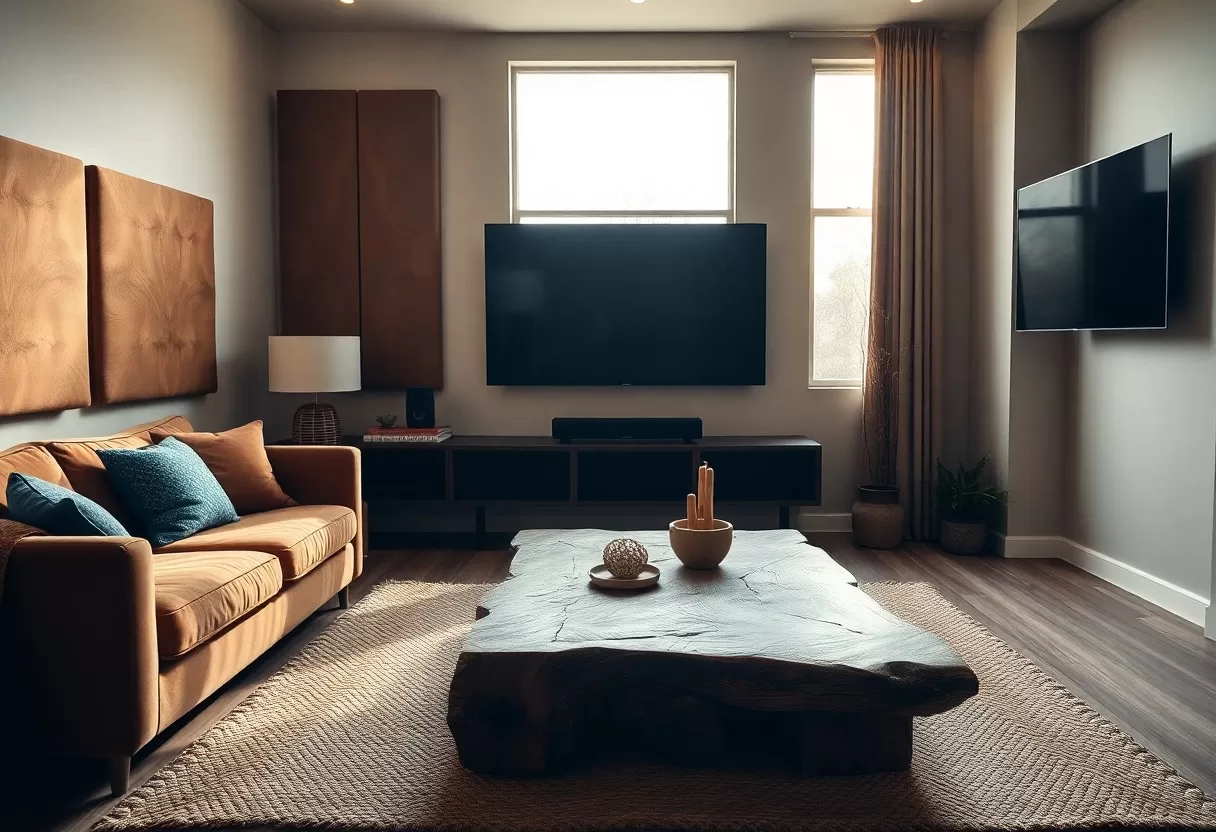
Creating a sensory-rich home environment involves mindful integration of textures and sounds that enhance your living space. By focusing on practical applications, you can not only elevate aesthetics but also improve emotional well-being. From adding tactile elements to implementing sound-enhancing solutions, transformative changes in your home can significantly impact your quality of life.
DIY Texture Projects that Elevate Interiors
Engaging in DIY texture projects allows you to personalize your space while fostering a comfortable atmosphere. Consider installing reclaimed wood panels for a rustic look or adding fabric wall hangings to soften acoustics and visual stimuli. Incorporating various materials, such as soft pillows or woven baskets, can create a layered and inviting environment that stimulates your senses.
Sound-Enhancing Furnishings and Decor
Your choice of furnishings can greatly influence the acoustics in your home. Opt for upholstered furniture, thick rugs, and heavy curtains to absorb sound and reduce echoes. By selecting sound-absorbing materials, you create a more peaceful living space where conversations flow freely, and distractions diminish, allowing for a tranquil and harmonious home environment.
Incorporating sound-enhancing furnishings extends beyond aesthetics; it directly affects your daily experiences. For example, using acoustic panels can significantly cut down noise pollution in busy households, enhancing focus and relaxation. Upholstered furniture not only adds comfort but also diminishes sound reflection, creating a cozy atmosphere. Thick drapes or patterned area rugs further contribute to sound absorption, making each room feel like a sanctuary tailored to your lifestyle. Through thoughtful selection of these elements, you transform your space into a calm oasis that nurtures both your mind and surroundings.
The Future of Sensory Design in Residential Spaces
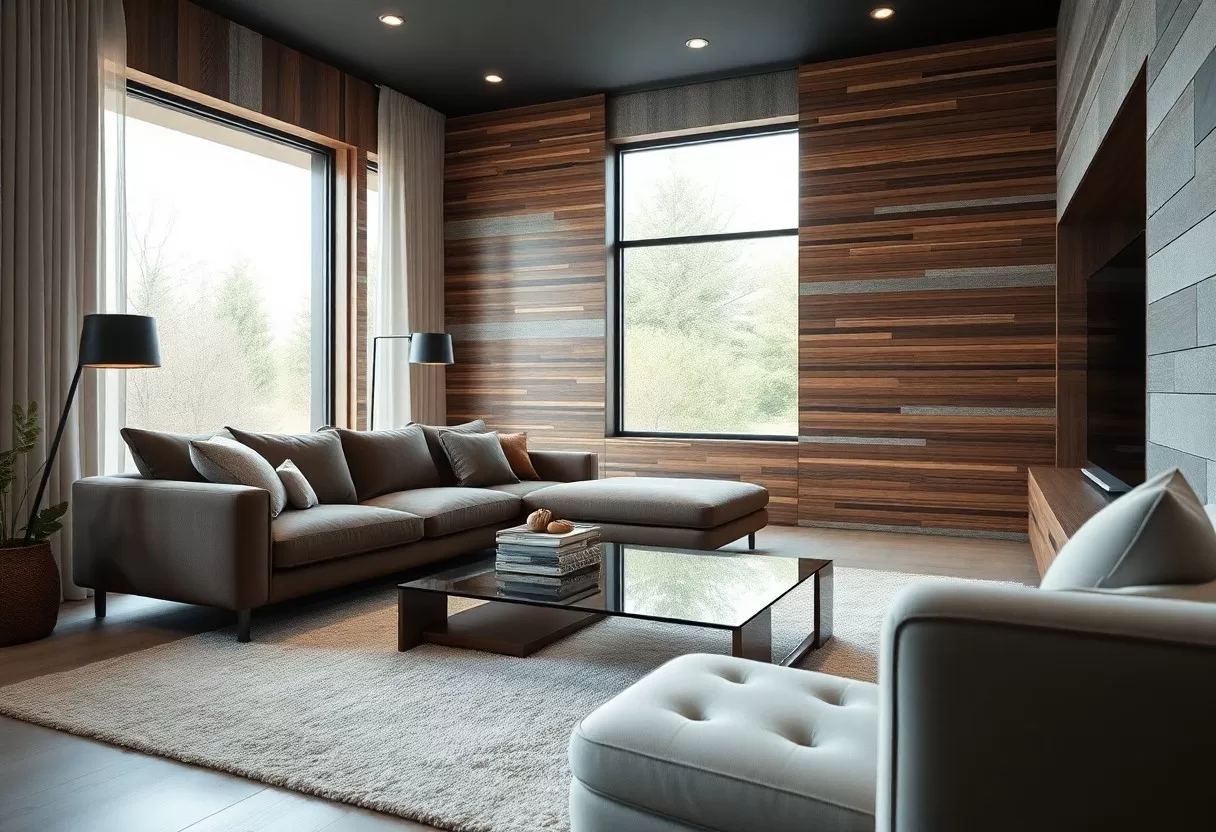
The evolution of sensory design in residential spaces promises to create environments that resonate with personal preferences and emotional well-being. As architects and interior designers increasingly integrate texture and sound into their projects, homes will transform into multi-sensory havens that not only look good but also feel and sound immersive.
Trends Driving the Sensory Interior Movement
Current trends include a focus on biophilic design, where natural textures and sounds enhance your connection to nature, and an emphasis on sustainability that prioritizes organic materials. These trends encourage you to create spaces that are not only visually appealing but also tactically and audibly engaging, fostering a deeper sense of tranquility and comfort.
How Technology is Shaping Sound and Texture Integration
Advancements in technology enable seamless integration of sound and texture, allowing for customizable sensory experiences. Features like smart home systems can adjust soundscapes to suit your mood, while textured surfaces, created using 3D printing, enhance tactile interaction, making spaces feel more dynamic and inviting.
Innovative technologies such as acoustic panels and sound-absorbing materials are increasingly used in modern homes to minimize noise pollution while improving auditory comfort. For instance, smart sound systems can create individualized audio experiences throughout your space, responding to preferences in real-time. Textured wall coverings, developed with cutting-edge technologies, not only add visual beauty but also influence acoustics, making your living environment more harmonious and personalized. As designers embrace these advancements, your home will become a sanctuary that actively engages your senses.
Summing up
So, as you consider your home design, integrating sensory elements like texture and sound can profoundly influence your well-being and comfort. By thoughtfully selecting materials and acoustics, you create a harmonious environment that reflects your personal style while enhancing livability. Embrace the power of sensory interiors to cultivate spaces that not only look good but also feel good, transforming your home into a sanctuary tailored to your needs.
FAQ
Q: How does texture influence the overall feel of a room?
A: Texture adds depth and warmth to a space, contributing to its ambiance. Different materials, such as soft fabrics or rough surfaces, create varied tactile experiences that can evoke comfort or energy, impacting the emotional response of those in the room.
Q: What role does sound play in home design?
A: Sound can significantly affect mood and functionality in a home. Acoustics influence how sound travels through spaces, while materials like carpets or sound-absorbing panels can help reduce noise levels, creating a more peaceful environment.
Q: How can I incorporate sensory elements into my home design?
A: Incorporating sensory elements involves blending various textures and materials while considering acoustic properties. Use fabrics like velvet or wool, introduce textured wall treatments, and select furnishings that enhance sound absorption to create a harmonious sensory experience.