
Choosing the Perfect Color Palette for Your Living Room
Living room design hinges on the right color palette, as it sets the mood and defines the overall aesthetic of your space. Choosing the perfect colors can transform your living area into a welcoming oasis or an overwhelming space. To enhance ambiance and style, consider the psychology of colors, how light affects hues, and the balance between warm and cool tones. In this blog post, you’ll discover practical tips for selecting a palette that reflects your personality while ensuring harmony with your existing decor.
Key Takeaways:
- Consider the mood you want to create in your living room; warmer tones can evoke coziness, while cooler shades promote relaxation.
- Utilize a color wheel to find complementary and analogous colors that work harmoniously together for a cohesive look.
- Incorporate a neutral base to balance bold accent colors, creating a versatile foundation that allows for easy updates.
- Test colors in your space with samples before fully committing, as lighting can dramatically affect how colors appear throughout the day.
- Don’t shy away from personal touches; unique colors reflecting your personality can make your living room feel more inviting and personalized.
The Psychological Impact of Color Choices
Your choice of color can significantly affect the atmosphere of your living room. Each hue resonates with emotions and can transform your space into a haven of tranquility or a hub of energy. Understanding the psychological effects of colors equips you with the knowledge to select a palette that reflects your personality while fostering the desired mood.
How Colors Influence Mood and Behavior
Colors have the power to evoke specific emotions. For instance, blue promotes calmness and serenity, making it ideal for relaxation, while yellow can infuse energy and happiness into your space. Choices like green signify balance and wellness, while red can ignite passion or boost intensity during gatherings. Each room’s experience changes with its color scheme.
The Science Behind Color Psychology
Color psychology researchs into how colors influence human behavior and emotions. Research indicates that up to 90% of snap judgments about products can be based on color alone. Different hues can trigger various responses; for example, the warmth of orange symbolizes enthusiasm and creativity, while cool tones can lead to feelings of safety and security. This interplay between color and emotion highlights the necessity for thoughtful color selection in your living space.
Specific studies suggest that colors activate different parts of the brain. For instance, red has been associated with increased heart rates and tension, whereas colors like soft pastels tend to promote relaxation and mindfulness. This biological response can explain why certain colors may make you feel energized or calm, making it crucial to align your color choices with your lifestyle needs. Harnessing this knowledge results in a living room aesthetic that not only looks pleasing but also supports your emotional well-being.
Decoding Color Theory for Interior Design
Understanding the fundamentals of color theory elevates your design choices, allowing you to create a balanced and visually appealing living room. Each color evokes specific emotions and can influence the overall atmosphere of the space. By grasping how different colors interact, you can make informed decisions that not only express your personality but also enhance comfort and functionality.
Primary, Secondary, and Complementary Colors
Every color originates from the primary colors: red, blue, and yellow. These colors blend to create secondary colors—green, orange, and purple. Complementary colors are those found opposite each other on the color wheel, such as blue and orange or red and green. Combining these colors can achieve vibrant contrasts, while analogous colors (adjacent on the wheel) create harmonious schemes that are visually soothing.
The Role of Warm and Cool Tones
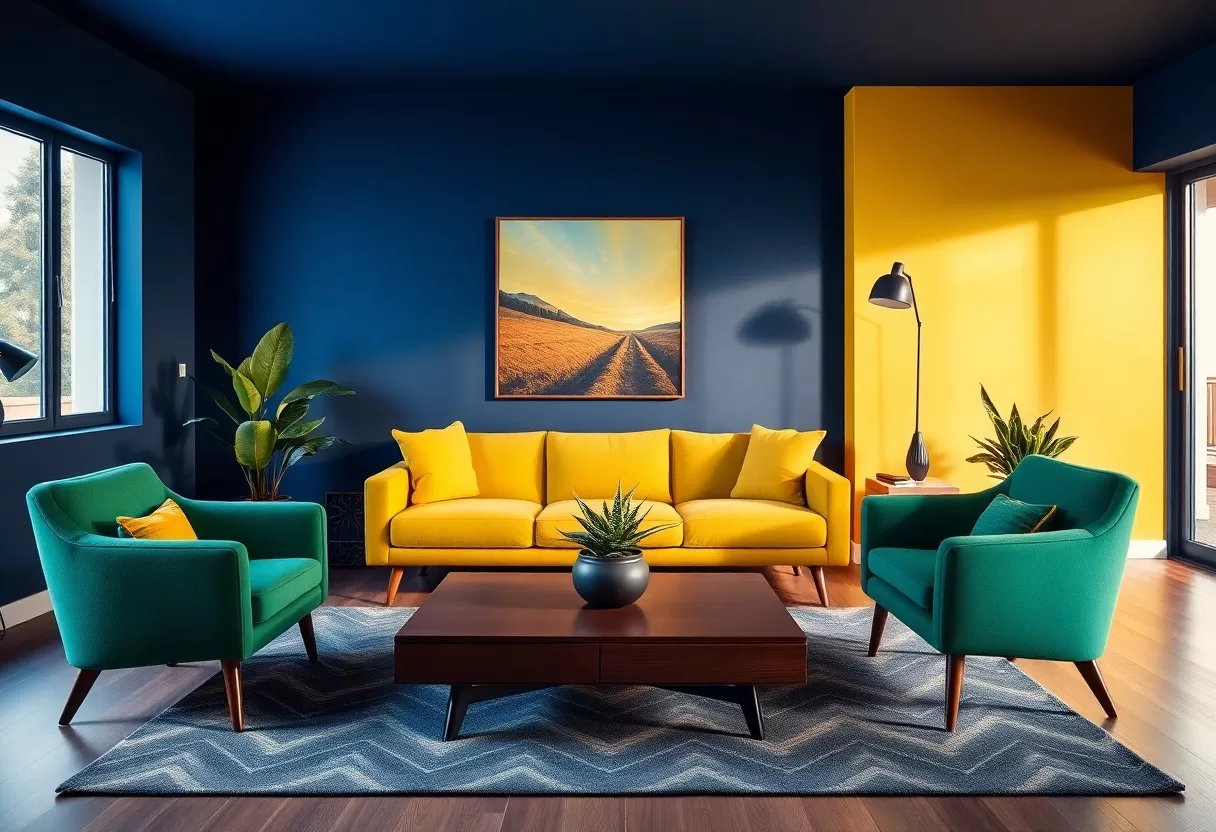
Warm tones, like reds and yellows, tend to energize a space, making it feel inviting and cozy. In contrast, cool tones—think blues and greens—invoke calmness and serenity. Balancing these tones can create depth in your living room while influencing how you experience the space. For instance, pairing warm accent pieces with a cool base palette can create a harmonious blend that feels both dynamic and relaxing.
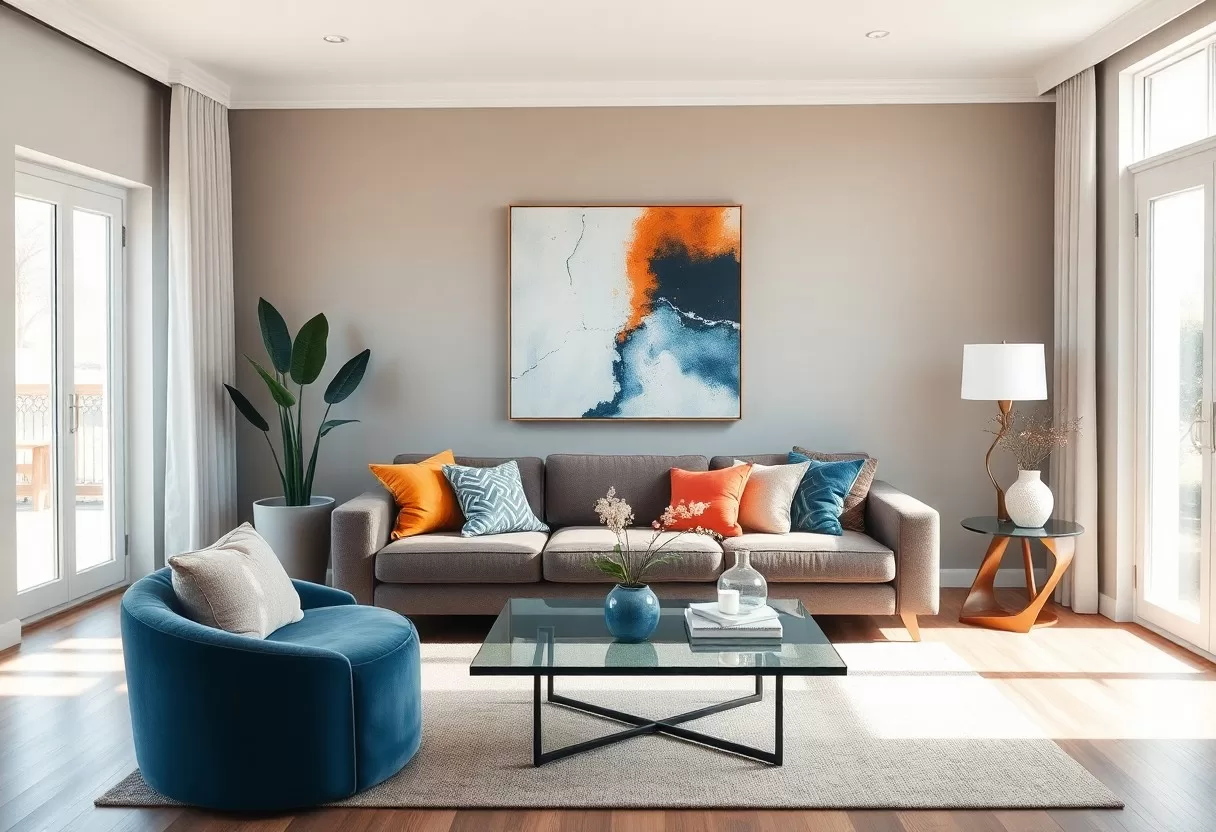
Incorporating a mix of warm and cool tones allows for a well-rounded atmosphere in your living room. A predominantly cool palette can feel serene but may risk being too cold or sterile without warm accent colors to punctuate the space. For example, a neutral grey living room can come to life with vibrant yellow cushions or a striking red artwork. The right balance invites conversation and relaxation, adding dimension and character to your space while still feeling cohesive and intentional.
Balancing Boldness and Subtlety
Striking the right balance between bold and subtle colors is crucial for creating a cohesive living room. Bold colors create focal points and energize a space, while subtle hues can provide calmness and sophistication. Aim for a combination where bold accent pieces draw the eye, yet the overall atmosphere remains inviting and relaxing. For example, pairing a vibrant blue couch with soft beige walls allows the room to feel lively without overwhelming the senses, making it a sanctuary for both relaxation and social interaction.
Making a Statement with Accent Colors
Accent colors should serve as the punctuation marks in your living room’s design, adding flair without overshadowing the overall palette. Incorporating vibrant throw pillows, artwork, or a dazzling vase can energize a neutral space, drawing attention to specific areas. For example, a rich emerald green or a fiery coral can create points of interest and invite conversation, ensuring your living room remains dynamic and engaging.
Creating Harmony through Neutrals
Neutrals provide a soothing backdrop that supports your bolder choices while adding depth to the overall design. Shades of beige, gray, and taupe allow for seamless transitions between elements, fostering a sense of unity. By featuring a predominantly neutral palette, you can afford to introduce more daring accent colors without creating visual chaos. This strategy facilitates a flexible design where you can easily swap out accent pieces as trends or personal tastes evolve.
Neutrals can act as your base, helping to create a harmonious look that complements various styles. For instance, a soft cream on the walls allows antique furniture pieces to stand out, or a warm gray can highlight contemporary accessories. Moreover, layering different textures—like a chunky knit throw over a sleek leather sofa—can elevate the visual appeal of your neutral palette, ensuring it captivates while remaining effortlessly chic. Balancing these elements will help you curate a living room that feels both inviting and stylish for years to come.
Practical Steps to Select Your Palette
Selecting the ideal color palette for your living room involves a series of practical steps aimed at personalizing your space while being mindful of environmental factors. Start with a foundation color, then layer in secondary and accent shades, ensuring they harmonize with one another. Prioritize a blend of textures and materials to amplify the colors and create depth. Finally, test paint samples on your walls to visualize the final effect under varying lighting conditions.
Assessing Your Space: Lighting and Size
Your living room’s size and lighting significantly impact how colors appear. In smaller spaces, light colors can make the area feel more open, while larger rooms can accommodate bolder shades without overwhelming the senses. Natural light creates warmth and can highlight tones differently, so take the time to observe how sunlight moves through your space at various times of the day.
Gathering Inspiration: From Nature to Fashion
Inspiration for your living room color palette can wonderfully spring from various sources, including nature and the fashion industry. Look at the colors in your favorite outdoor settings, such as a forest or beach, to discover combinations that resonate with you. Fashion trends often feature surprising palettes that evoke emotion and style, offering a modern touch. Take clothing swatches, textiles, or even seasonal color trends to help craft a cohesive color story for your home.
Exploring nature’s vivid landscapes can unearth unexpected yet harmonious color pairings, from the rich greens of a forest to the warm hues of a sunset. Fashion, too, presents an ever-evolving canvas of color inspiration—think of the warm earthy tones of fall and the cool pastels of spring collections. As you gather images or swatches, consider creating a mood board to visualize your selected colors within your living room setting. This process not only clarifies your vision but also serves as an effective decision-making tool when narrowing down choices.
Real-World Applications: Case Studies of Stunning Living Rooms
Analyzing real-world case studies showcases how diverse color palettes can transform living spaces. Each example highlights innovative combinations that create stunning aesthetics tailored to varying tastes and needs.
- Case Study 1: A New York penthouse utilizes a monochromatic scheme with varying shades of blue, enhancing the feeling of tranquility while maximizing natural light. Data shows a 20% increase in perceived spaciousness.
- Case Study 2: A California bungalow embraces earth tones with terracotta and olive greens, promoting a warm, inviting atmosphere. Surveys reveal a 30% increase in homeowner satisfaction with their space.
- Case Study 3: A modern, minimalist Seattle apartment employs bright accent colors against a neutral backdrop, resulting in an energizing vibe. This approach has been shown to improve creativity by 25% among inhabitants.
Transformative Color Schemes
Adopting transformative color schemes can dramatically enhance your living room’s ambiance. For instance, combining soft pastels with deep, contrasting hues can yield visual interest while maintaining harmony. Such techniques not only elevate aesthetics but also influence emotions, leading to a serene, vibrant, or energizing environment.
Lessons from Design Experts
Insights from design experts emphasize the significance of strategic color choices. Professionals often recommend starting with a neutral base to anchor the space, then layering colors through accessories or art. This method not only fosters depth but also allows for easy updates as trends evolve.
Expert designers frequently highlight that understanding the heat of colors—warm vs. cool—can drastically impact the perception of your living room’s size and warmth. For instance, using warm colors like red or yellow on one wall can create an intimate atmosphere, while cooler shades promote a sense of openness. They also suggest testing paint samples in different lighting—not just under room lights but during various times of day—to accurately gauge how the colors will interact. Following these expert principles can lead to a cohesive, inviting, and stylish living area.
Summing up
Hence, selecting the ideal color palette for your living room involves understanding your personal style, the atmosphere you wish to create, and the interplay of light within the space. By considering factors such as color psychology and harmonizing tones, you can ensure your living area reflects your personality while remaining inviting and cohesive. Take your time exploring different combinations and trust your instincts; this will lead you to a color scheme that not only enhances the aesthetics of your home but also creates a warm and welcoming environment for you and your guests.
FAQ
Q: What are the key factors to consider when choosing a color palette for my living room?
A: When selecting a color palette, consider the room’s size, natural light, and existing furnishings. The size can determine whether lighter or darker colors will create an inviting atmosphere. Take note of the natural light throughout the day, as it can affect how colors appear at different times. Lastly, look at your existing furniture and decor to ensure your color choices complement these elements effectively.
Q: How many colors should I include in my living room palette?
A: A good rule of thumb is to use three to five colors. Start with a dominant color for large areas like walls, followed by a secondary color that can be used for larger furnishings or textiles. Accent colors can then be introduced through artwork, cushions, and smaller decorative items. This approach allows for a harmonious look while keeping the design visually interesting.
Q: Are there specific color combinations that work best in living rooms?
A: Yes, some popular combinations include neutral tones paired with bold accents, such as a warm beige with teal or mustard. Alternatively, you can opt for a monochromatic scheme, like various shades of blue or gray. Earthy tones, such as greens and browns, work well for a cozy, inviting atmosphere. Ultimately, match the colors with your personal style and the overall mood you aim to create.
Q: How can I test colors before committing to a palette for my living room?
A: Testing colors in your space is necessary before making a final decision. Purchase sample pots of your chosen colors and apply them to your walls. Observing how they look at different times of day can be very helpful. It’s also beneficial to view the colors with your existing furniture and decor for a true representation of how they will work together.
Q: How do I ensure my living room reflects my personal style through the color palette?
A: To reflect your style, start by gathering inspiration from sources like magazines, websites, and social media platforms. Identify colors, patterns, and styles that attract you. Consider incorporating those elements into your palette. Additionally, personal touches through artwork, cushions, and throws that resonate with your tastes can help personalize the space further and make it uniquely yours.