
Scent‑scaping Interiors – How Aromas Influence Mood & Design
Just as light and texture define a room, scent shapes mood and behavior, so when you design interiors you must treat aroma as a deliberate layer of experience; natural, well-chosen aromas enhance comfort, focus, and brand identity, while synthetic fragrances can aggravate allergies and respiratory issues, requiring careful selection, placement, and intensity to align scent with your design goals.
Key Takeaways:
- Aromas strongly shape emotional and cognitive responses-select scents to promote calm, focus, or energy depending on a room’s function and occupant needs.
- Effective scent‑scaping is integrated with visual and material design-match scent intensity, notes, and diffusion method to scale, color palette, and brand identity.
- Prioritize occupant comfort and sustainability-test fragrances with users, manage concentrations to avoid irritation, and choose transparent, eco‑friendly formulations.
The Science of Scent
You perceive scent through roughly 400 functional olfactory receptor genes that transduce volatile molecules and send signals directly to the brain’s limbic centers. The olfactory bulb projects to the amygdala and hippocampus, so scent can bypass higher cortical filtering and trigger near‑instant emotional and memory responses-making aroma a uniquely powerful design tool for shaping atmosphere and behavior in seconds.
How Smell Affects Emotions
Odor-induced limbic activity modulates your autonomic nervous system, altering heart rate, breathing, and stress hormones. For example, lavender is repeatedly linked to reduced anxiety and improved sleep, while citrus and peppermint elevate alertness and perceived energy; at the same time, be aware that some synthetic fragrances can trigger asthma or migraines in sensitive individuals.
The Psychology of Aromas
You form rapid, durable associations between scent and context: a single whiff can transport you to childhood, a vacation, or a product experience. Brands leverage this-pairing signature aromas with service rituals to enhance recall and perceived value-so your scent choices should align with the emotional narrative you want occupants to adopt.
Beyond innate effects, conditioning shapes response: repeated pairing of a scent with calm, productivity, or luxury makes that aroma a cue for the same state. Practical examples include scented lobbies that increase dwell time and branded fragrances used by retailers and hotels; use low concentrations and hypoallergenic blends to gain positive association without risking adverse reactions.
Aromas in Interior Design
When you treat scent as a design layer, it interacts with texture, light, and layout to shape perception; use delivery methods rated for room size-reed diffusers for ~50-150 sq ft, electric diffusers for ~150-500+ sq ft and candles with a typical 6-10% fragrance load. For further trend context see The New Home Fragrance Trend? Scentscaping, and always test intensity for 24-48 hours before full deployment.
Enhancing Aesthetic Appeal
You can align scent families with visual styles: pair citrus or green notes with minimal, airy schemes, and choose leather, cedar or tobacco notes for industrial or masculine palettes. Apply a simple rule-use one dominant scent plus one subtle accent-and avoid more than three competing fragrances in adjacent zones to keep the olfactory composition coherent and enhance perceived material quality.
Creating Atmospheres with Fragrance
You design moods by selecting top, heart and base notes that support intended use: bergamot or lemon energizes kitchens and workspaces, lavender and chamomile calm bedrooms, while sandalwood or amber fosters intimacy in lounges. For events, slightly boost intensity but reduce concentration in sleeping areas to prevent disruption; choose delivery devices that allow fine control.
For deeper control, map scent zones to function-entryways carry a signature note at low intensity, transition areas use mid-weight florals, and core gathering spaces get warmer base notes. Size diffusers to space (small 50-150 sq ft, medium 150-350 sq ft, large 350+ sq ft), rotate scents seasonally (citrus in summer, spice and resin in winter), and layer components so the base anchors the room while top notes provide immediate impact.
Popular Scents and Their Effects
Different notes map to predictable responses: floral and herbal notes soothe, citrus and mint invigorate, and woody resins ground. You can pair evidence-based choices-lavender (clinical trials report ~20-30% reductions in self‑reported anxiety) and bergamot for evenings, citrus and peppermint for daytime-with design: place diffusers near task zones and vents. For practical tips see How to Scentscape Your Home for the Holidays, According to Experts. Avoid overexposure and diffusing around pets or infants.
Calming Scents for Relaxation
Lavender, chamomile, and vetiver reduce sympathetic arousal and support sleep onset; you’ll often see 15-30% drops in subjective anxiety in controlled aromatherapy trials. Use 2-4 drops in a bedroom diffuser 30-60 minutes before bed, combine with low lighting and soft textiles, and favor low concentrations to prevent headaches or sensitization. If you take sedatives or have respiratory issues, consult a clinician before heavy use.
Energizing Scents for Productivity
Peppermint, lemon, and rosemary reliably boost alertness, reaction time, and mood in lab settings-peppermint inhalation has improved task speed and accuracy in multiple small studies, and rosemary aroma is linked to better memory retrieval. Deploy these in short bursts during focused sessions, keep concentrations moderate, and rotate notes every 60-90 minutes to prevent olfactory fatigue. Avoid direct skin application of undiluted vital oils.
To maximize productivity effects, you should match scent to task: peppermint or lemon for attention and error reduction, rosemary for memory tasks; try 1-3 drops in a personal nebulizing inhaler or add 2 drops to a 100 ml ultrasonic diffuser for 20-30 minute intervals. Track objective outcomes-pomodoro cycles completed, error rate, or time-to-completion-to quantify benefit and adjust blends; stop use if headaches or respiratory symptoms occur.
Incorporating Scents into Interior Spaces
Mix delivery methods so scent supports function: use continuous diffusion in high-traffic zones and reserve candles for intimate settings. For example, a 100-200 ml ultrasonic unit can scent a 20-30 m² room for 4-8 hours per fill, while reed diffusers often last 3-6 months. You should map scent intensity to room volume and ventilation, test at typical occupancy times, and choose blends with 2-4 complementary notes to avoid olfactory fatigue and maintain a consistent perception across connected spaces.
Diffusers and Candles
Choose ultrasonic or nebulizing diffusers based on desired strength: nebulizers deliver high-intensity scent without water; ultrasonics run quietly for 4-8 hours per fill. Reed diffusers provide passive aroma for months, and soy candles commonly burn 30-60 hours. Place candles away from drafts and fabrics and never unattended because of the open flame hazard; also be aware that many important oils are toxic to pets, especially cats, so use pet-safe formulas or avoid diffusing when animals are present.
Scented Decor Elements
Incorporate sachets, aroma stones, potpourri, and scent-infused textiles to add discreet, localized scent: sachets work well in drawers and wardrobes and typically need refreshing every 6-8 weeks, while ceramic diffusers or scent necklaces can top a shelf or reception desk for continuous, low-level release. You should coordinate color and material so the scented object reads as décor, and select hypoallergenic options in shared or commercial spaces to reduce sensitivity reactions.
Place one small sachet per 2-3 drawers or one aroma stone per 8-15 m² to start, then adjust based on tests; rotate stronger accords like spice or resin to evenings and citrus or green notes to daytime. Maintain textiles by using microencapsulated scents when possible to avoid oil stains, launder removable covers monthly, and log replacements so you hit consistent scent strength-this operational approach preserves both aesthetic and scent integrity over time.
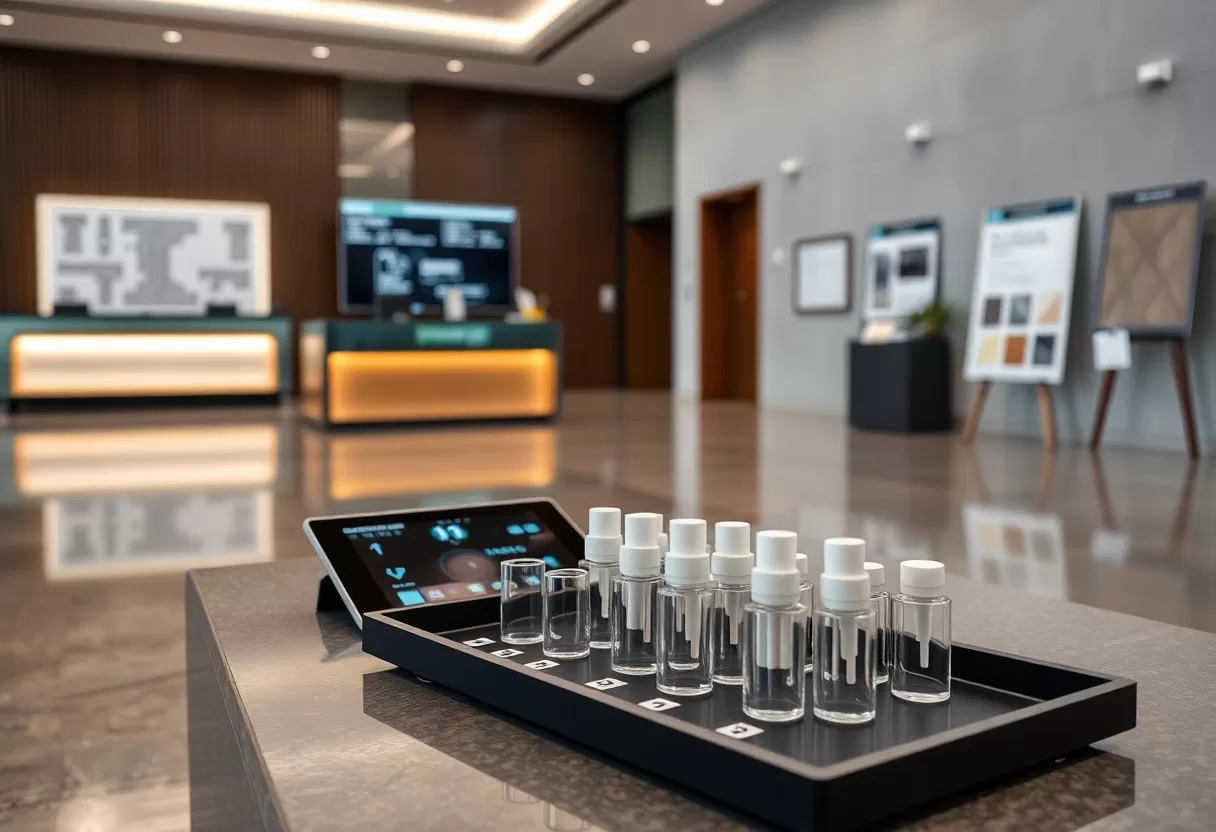
Case Studies: Successful Scent-Scaping
You can trace measurable business and wellbeing gains across settings where scent-scaping was applied deliberately. Several pilots reported concrete uplifts: retail dwell time rose by 12-22%, hotel booking conversion improved by 4-7%, and workplace focus metrics showed 5-9% gains after targeted aroma interventions. These outcomes illustrate how controlled olfactory design shifts mood and behavior when you align scent notes, intensity, and timing with user needs.
- 1. Boutique hotel chain (NYC): implemented a signature citrus-amber scent in lobbies and corridors; results showed a 6% increase in upsell revenue and a 0.4-star average improvement in review scores over 9 months.
- 2. European supermarket pilot: diffused a fresh-bakery aroma in produce aisles; reported 15% higher dwell time and 8% lift in fresh-produce sales across 12 stores.
- 3. Corporate HQ (San Francisco): subtle rosemary-citrus blend in open-plan zones; measured a 7% improvement in concentration-task completion and a 4% drop in reported afternoon fatigue over a 6-week trial.
- 4. Senior living facility (Sweden): calming lavender-vanilla scent in communal areas; patient agitation episodes decreased by 18% and resident satisfaction rose by 10 points on internal surveys.
- 5. Real-estate staging program (suburban market): neutral citrus notes during open houses; average time-on-site increased 22% and final sale price rose by an average of 1.7% compared to unstaged controls.
Residential Applications
When you plan scenting for homes, tailor blends to function: energizing citrus in entryways, calming lavender in bedrooms, and neutral wood or linen notes in living areas. Small pilots (20-50 homes) show that thoughtfully deployed scent-scaping can increase perceived cleanliness and ambiance, with visitors reporting a 10-25% uplift in overall appeal and faster offer timelines in staged properties.
Commercial Environments
In commercial settings you should match scent strategy to brand and customer journey: stronger signature notes in transition zones, subtler accords near point-of-sale, and time-synced boosts during peak hours. Retail and hospitality pilots commonly report 8-15% sales or conversion lifts and measurable improvements in review sentiment within 3-9 months of rollout.
More specifically, when you implement commercial olfactory design consider installation scale and ROI: upfront diffuser systems typically range from $2,000-$8,000 depending on HVAC integration, with monthly fragrance costs of $50-$300 per site. Operationally, you should monitor delivery via occupancy-linked schedules and keep concentrations low to avoid complaints-many operators dose at 10-30% of full-strength to remain perceptible without causing irritation. Case data indicate most programs reach payback within 6-18 months through increased spend, longer dwell time, and higher repeat visits, while compliance with allergy-safe formulations reduces risk and protects brand reputation.
Future Trends in Scent Design
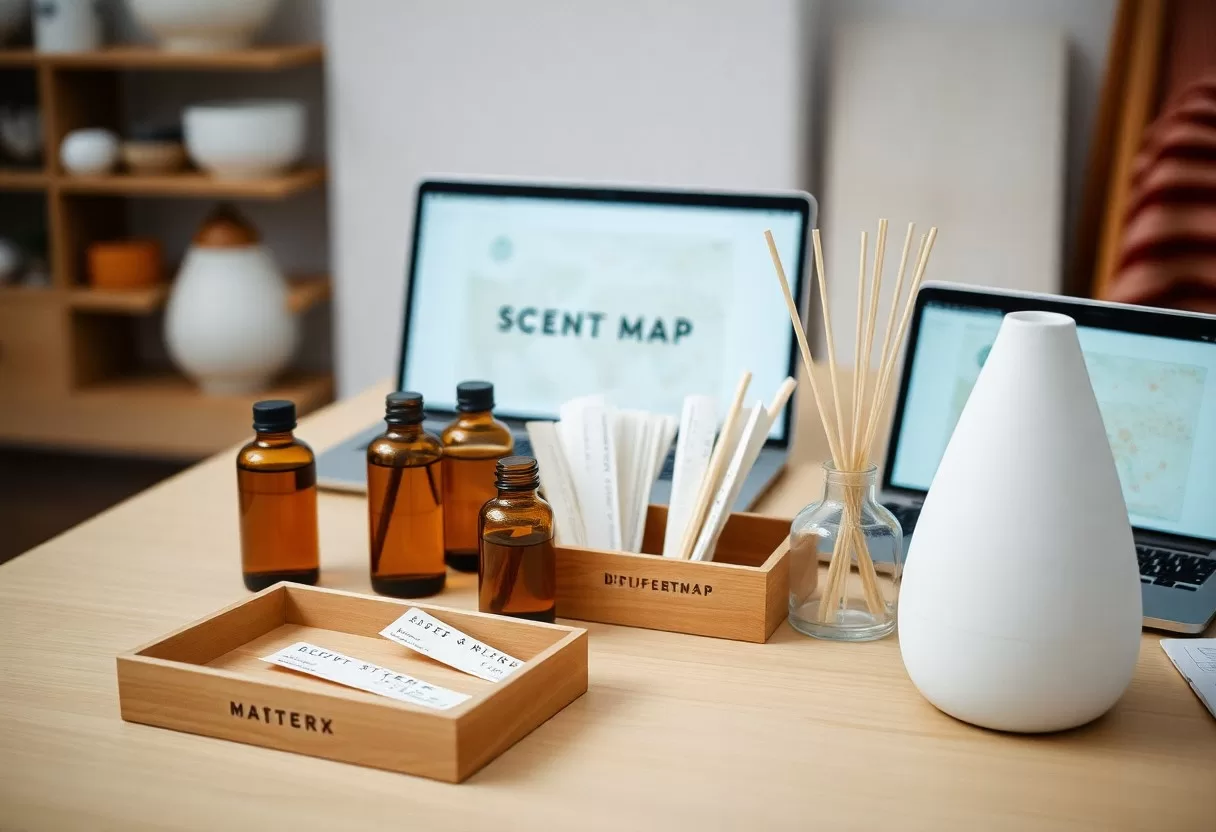
Data and delivery converge: you’ll see AI-driven scent profiles that adapt in real time to occupancy, biometric cues and sales data, while multisensory suites pair scent with dynamic lighting and spatial audio. Pilots in hospitality and retail already test personalized scent zones to boost dwell time, and increasing regulatory scrutiny on VOCs and indoor air quality will force tighter formulation and monitoring standards.
Technological Innovations
You’ll deploy precision hardware: piezoelectric and cold‑air diffusers produce droplets under 10 µm for consistent distribution, HVAC‑integrated scent modules enable true zonal control, and IoT platforms trigger fragrances via schedules, occupancy or POS events. Cartridge modularity with QR/NFC tracking allows you to audit usage, swap profiles remotely, and scale scent campaigns across multiple sites with predictable dosing.
Sustainable Scent Solutions
You should prioritize low‑VOC formulations, upcycled botanical extracts and fermentation‑derived aroma molecules to cut environmental impact while maintaining olfactory fidelity. Procurement now rates suppliers on biodegradability and lifecycle impact, and choosing biobased carriers and transparent sourcing reduces reliance on petrochemicals and aligns scent programs with corporate sustainability targets.
Concrete examples include fermentation‑produced vanillin and limonene from citrus peel upcycling; companies such as Givaudan and Firmenich are scaling biotech routes and circular sourcing. You can require suppliers to provide third‑party life‑cycle assessments and traceability data, and by tracking carbon and water footprints you ensure your scent strategy delivers measurable environmental benefits rather than hidden costs.
Summing up
With these considerations you can shape interiors through scent to reinforce mood, functionality, and brand identity; choose fragrances that align with spatial purpose, control intensity, and test across demographics and times of day, ensuring consistency with materials and lighting. By planning scent strategy alongside layout and color, you give occupants subtle cues that guide behavior and deepen experience.
FAQ
Q: How do aromas influence mood, behavior, and the perceived character of an interior?
A: Aromas interact directly with the limbic system, which governs emotion and memory, so specific scent profiles can quickly shift mood and cognitive states: floral and herbal notes often induce calm, citrus and mint family scents increase alertness and perceived cleanliness, while warm spices and woods create a sense of comfort and luxury. Beyond immediate emotion, scent alters perceptions of a space’s scale, temperature, and hygiene-clean, subtle notes can make a room feel fresher and larger, whereas dense, heavy fragrances can feel intimate or cluttered. Psychological associations, cultural background, and personal memory modulate response, so predictable emotional effects are strong at the group level but vary by audience.
Q: What process should designers follow to choose and integrate scents for different interior functions?
A: Start by defining the desired emotional and behavioral outcomes (relaxation, focus, increased dwell time, brand expression), then map those outcomes to scent families and intensity levels that suit the function and demographic. Conduct small-scale tests in situ to evaluate concentration, longevity, and interaction with furnishings and finishes. Coordinate scent with color, texture, sound, and lighting to form a coherent multisensory palette; for example, a spa pairs soft woody or green notes with muted tones and soft acoustics, while a retail space may use subtle citrus or ozonic accords aligned with bright visuals. Establish seasonal adjustments, fail-safes for scent overlap between zones, and clear protocols for escalation if occupants report discomfort.
Q: What practical methods, health considerations, and metrics should be used when implementing scent-scaping?
A: Choose delivery systems (HVAC injection, electronic nebulizers, cold-air diffusers, or passive scenting) based on space volume, zoning needs, and maintenance capability; ensure precise dosing and routine maintenance to prevent microbial growth. Screen fragrances for allergens and irritants, offer scent-free zones, and disclose fragrance use where required by policy or regulation. Measure impact with mixed methods: behavioral KPIs (dwell time, conversion rates), survey metrics (mood scales, satisfaction, net promoter score), and objective sensors (CO2, particulate, HVAC flow) to ensure distribution. Run A/B tests during pilot periods, log occupant feedback, and iterate scent profiles and intensities to balance effectiveness with health and accessibility.