
Repurposing and Upcycling – The Best Hacks for a Greener Home
Over time, you may have accumulated items that seem outdated or useless. However, repurposing and upcycling can transform these items into functional and attractive additions for your home while promoting sustainability. By utilizing your creativity, you can significantly reduce waste and minimize your environmental impact. This blog post will provide you with practical hacks to elevate your home decor and make eco-friendly choices, helping you to create a greener living space while also saving money. Embrace the potential of everyday objects, and let’s explore the world of repurposing!
Key Takeaways:
- Get creative by transforming old items into new, useful products, such as turning glass jars into storage containers or furniture scraps into decorative pieces.
- Explore sustainable materials and techniques that can minimize waste, including using natural dyes or eco-friendly paints for DIY projects.
- Incorporate a minimalist mindset to declutter your space, leading to less waste and a more efficient use of resources while also enhancing your home’s aesthetic.
Creative Conversions: Transforming the Old into the Extraordinary
Revamping items you no longer use can unlock limitless potential for your home. With imagination and a bit of effort, you can turn ordinary discarded objects into stunning, functional pieces. Embracing creative conversions not only reduces waste but also allows you to express your unique style. From outdated furniture to forgotten trinkets, discover how to breathe fresh life into the past, all while contributing to a greener planet.
Furniture Flips: Breathe New Life into Discarded Items
Transforming old furniture into eye-catching statements can be quite satisfying. A simple coat of paint, reupholstering chairs, or adding new hardware can give worn pieces a new lease on life. By combining aesthetics with functionality, you prevent these items from ending up in a landfill, while enriching your living space with character.
Textile Renewals: Crafting Fashion from Fabric Waste
Upcycling textiles is an innovative way to create fashionable items while minimizing waste. By repurposing old clothes or fabric scraps, you can make unique accessories, bags, and even home decor like cushion covers. This practice not only saves money but also allows you to express your personal style through one-of-a-kind pieces that reflect your creativity.
Diving deeper into textile renewals, consider the impact of fabric waste on our environment—over 92 million tons are discarded annually. Instead of tossing out that worn sweater or pair of jeans, think of how you can reimagine them. You might convert a denim jacket into a stylish tote or use old curtains for a cozy throw blanket. Workshops and online tutorials are abundant, so you can learn various sewing techniques that turn unwanted textiles into fashion statements. By engaging in textile upcycling, you contribute to a more sustainable clothing industry while creating chic, personalized items you’ll adore.
Sustainable Solutions: Everyday Items with a Second Life
Reimagining everyday items is a powerful way to minimize waste and contribute to a greener lifestyle. By considering how you can give new life to seemingly mundane products, you can transform your home while embodying sustainable practices. Embrace creativity and practicality by identifying items that no longer serve their original purpose and finding ways to incorporate them back into your environment in innovative ways.
Kitchen Cast-offs: Repurposing Glass Jars and Containers
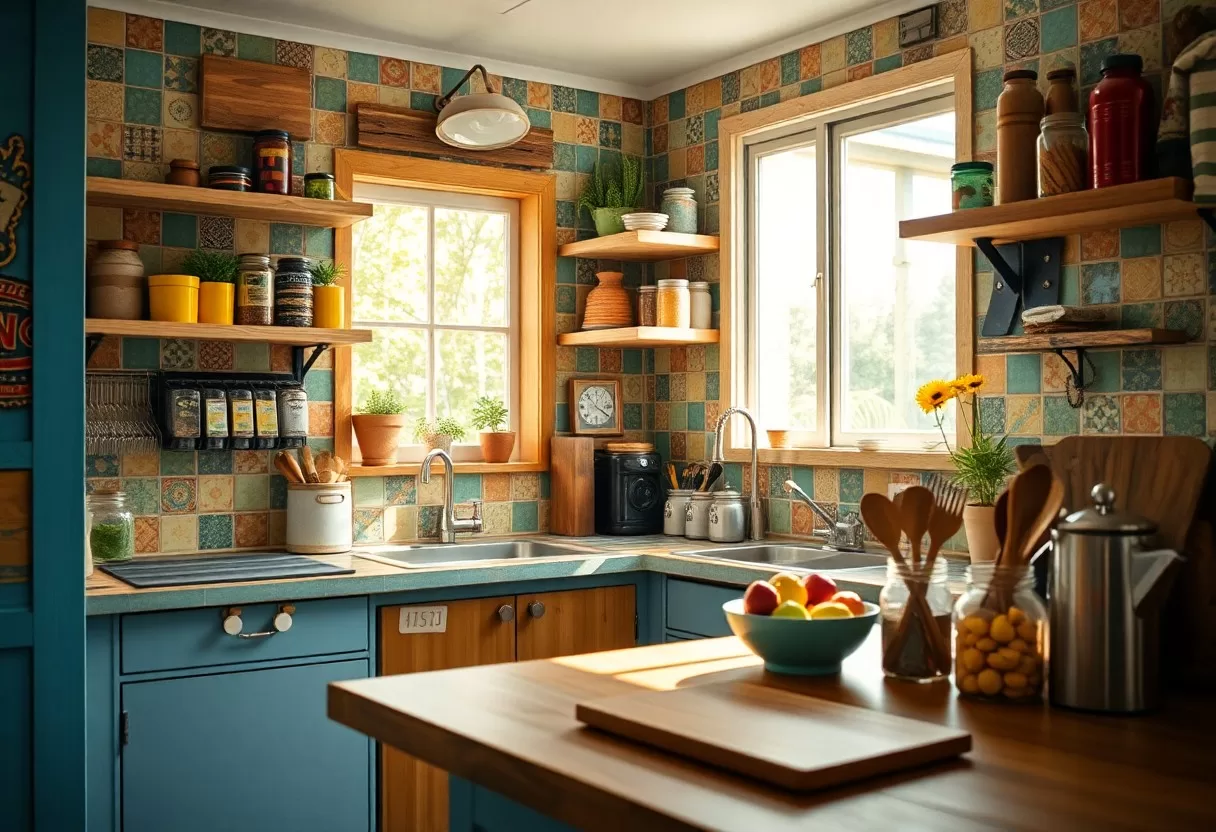
Glass jars and containers are often overlooked as mere trash, but they can become versatile assets in your home. Use them as storage for dry goods, craft supplies, or even as chic terrariums. Their transparency allows for easy visibility, and they can be painted or decorated to fit any aesthetic, making these items not just functional but also stylish additions to your décor.
Garden Goodies: Upcycling Pallets and Tires for Green Spaces
Old pallets and tires can be transformed into unique garden features that elevate your outdoor space. By stacking pallets, you can create herb gardens or vertical planters, maximizing small spaces while promoting biodiversity. Tires can be painted and used as colorful flower beds or transformed into swings, adding a playful touch. This not only provides you with beautiful garden elements but also diverts waste from landfills.
Transforming pallets and tires goes beyond aesthetics; it fosters a sustainable mindset that encourages creativity in gardening. Pallets, often discarded after transport, can serve as functional garden walls or compost bins, giving plants a sturdy base while improving drainage. Tires, besides being durable, can be elevated to provide raised planters, ensuring easy access to soil and enhancing your garden layout. With a little elbow grease, each upcycled item becomes a statement piece that promotes green living and community engagement.
The Art of Reimagining: DIY Upcycling Projects to Tackle
Engaging in DIY upcycling projects allows you to transform everyday items into striking new creations, giving them a second chance while beautifying your space. Whether it’s updating furniture or crafting decor, every effort helps reduce waste and adds a personal touch to your home. You can unlock creativity in the most unexpected ways, making the art of reimagining not just a skill but a delightful pastime.
Home Décor: Turning Junk into Statement Pieces
Items you once considered trash can turn into striking statement pieces with a little imagination. For instance, a vintage suitcase can be transformed into a chic coffee table, or an old ladder can become a unique bookshelf. Utilizing paint, stencils, or other decorative techniques can breathe new life into such pieces, ensuring they not only serve a purpose but also catch the eye of your guests.
Practical Uses: Innovative Storage Hacks to Declutter
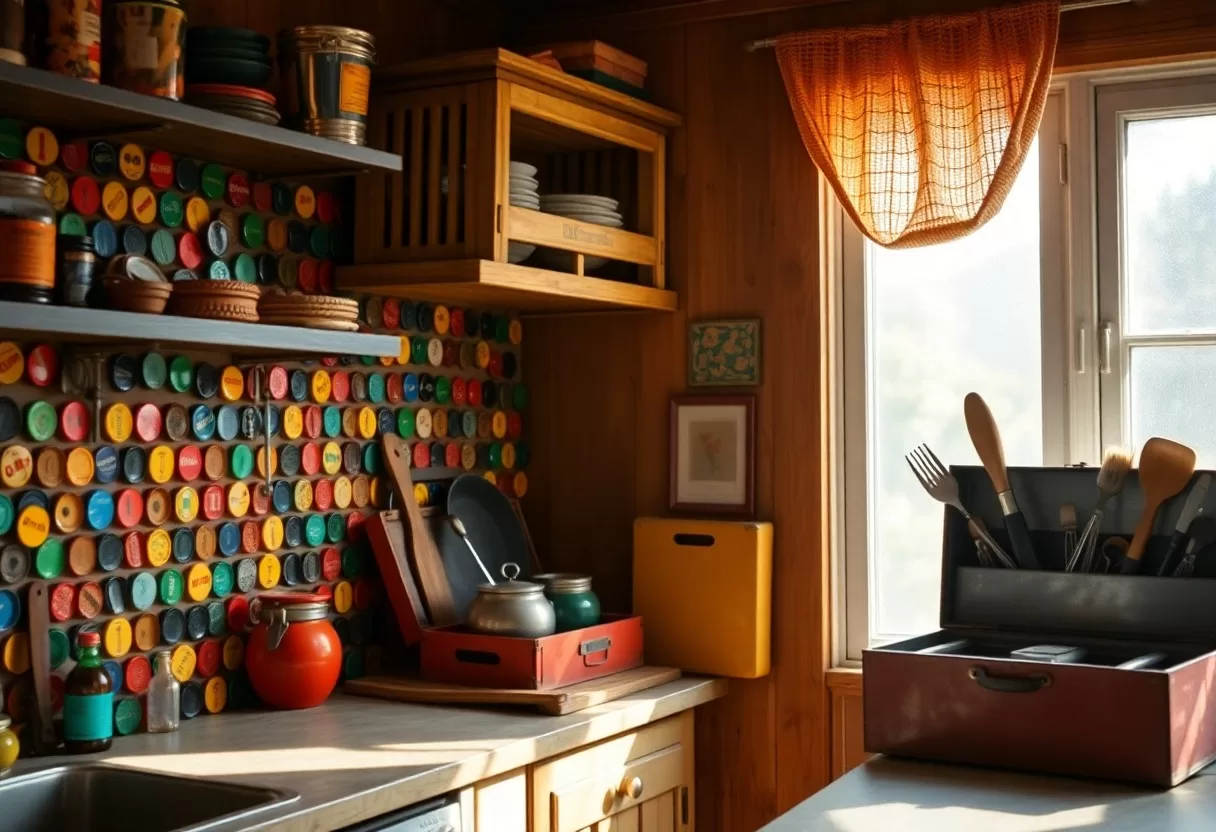
To tackle clutter, innovative storage solutions can be found in materials you already have. Empty glass jars can become stylish organizers for small office supplies or kitchen imperatives. Wooden crates can stack vertically to create a visually appealing storage unit for books or toys. By thinking outside the box, you can maximize space while effortlessly integrating practical decor into your home.
Transforming potential clutter into functional storage not only enhances the aesthetics of your living space but also increases efficiency. For example, using repurposed shoe boxes as drawer dividers can streamline your wardrobe, while an old wooden pallet turned into a vertical garden not only saves space but also adds greenery to your home. These practical storage hacks encourage a minimalist approach, allowing you to simplify your surroundings and enjoy a more organized environment while contributing to sustainability.
Eco-Conscious Mindset: Shifting Perspectives on Consumption
Adopting an eco-conscious mindset requires a fundamental shift in how you view consumption and waste. Instead of seeing items as disposable, consider them as resources that can be reimagined and repurposed. This perspective not only shapes your purchasing decisions but also encourages you to seek out sustainable alternatives and appreciate the craftsmanship behind recycled products. Embracing this mindset creates an opportunity to develop meaningful connections with the environment and promotes a sense of responsibility towards future generations.
The Value of Mindful Living: Reducing Waste Through Upcycling
Mindful living focuses on the careful selection of resources and acknowledging their full potential. By engaging in upcycling, you actively reduce waste and give new life to items that might otherwise end up in landfills. This hands-on approach not only cultivates creativity but also enhances your appreciation for the materials around you, leading to conscious choices that prioritize sustainability. Each upcycling endeavor reflects your commitment to a lifestyle that values your immediate environment.
Community Impact: Building Connections through Shared Creative Projects
Participating in community-based upcycling projects helps forge connections with others who share your passion for sustainability. These shared creative endeavors foster collaboration, enabling you to learn from each other and build a supportive network. By working together, you can amplify your impact and inspire others to adopt eco-friendly practices. Local workshops, co-ops, or communal crafting sessions often lead to larger community initiatives that raise awareness about waste reduction and environmental stewardship. Through these efforts, you not only create unique upcycled items but also enhance community bonds and promote a collective consciousness around sustainability.
Involvement in community upcycling projects can transform not just your home but also your neighborhood. For example, local workshops that focus on repurposing plastic bottles into garden planters or turning old furniture into beautiful new pieces create shared experiences that foster innovation. Attendees exchange ideas, skills, and resources, ultimately nurturing a sense of belonging and camaraderie. These connections promote a culture of sustainability while allowing participants to witness firsthand the impact of their collective efforts, inspiring further action and communal commitment to a greener future.
Navigating Challenges: Overcoming Obstacles in Repurposing
Entering the world of repurposing can often feel intimidating, especially when faced with limitations like space, time, or resources. You may encounter unforeseen complications such as material mismatches or project scale that seems overwhelming. Overcoming these challenges requires creativity and resourcefulness. Embracing experimentation and allowing yourself to learn from mistakes can transform obstacles into opportunities for innovative solutions. Breaking projects into smaller, manageable tasks also helps reduce stress and leads to successful outcomes.
Common Pitfalls: What to Avoid When Upcycling
Avoid rushing into a project without a clear plan or understanding of the materials involved. Inadequate preparation can lead to poor results and frustration. Additionally, failing to consider safety precautions, such as using non-toxic paint or ensuring structural integrity, can turn a fun project into a hazardous situation. By taking the time to properly assess what you’re working with and how you want to use it, you can steer clear of frequent missteps that can derail your vision.
Resources and Inspiration: Where to Look for Ideas and Support
Your journey into repurposing doesn’t have to be solitary. Countless resources are available to spark your imagination and provide guidance. Online platforms like Pinterest and Instagram are treasure troves of visual inspiration, while local DIY workshops or community centers often host classes dedicated to upcycling techniques. Engaging with social media groups focused on sustainable living can also connect you with like-minded individuals who share their experiences and tips.
Exploring DIY blogs can offer detailed step-by-step guides and video tutorials, making it easier for you to understand the repurposing process. Websites such as Design*Sponge and Instructables provide both inspiration and instructions tailored for various skill levels. Additionally, consider visiting local thrift stores or flea markets where you can source affordable materials while supporting your community. Building relationships with fellow repurposers can lead to invaluable advice, collaboration opportunities, and renewed motivation. Stay curious and embrace the creative process, and your home will soon reflect your dedication to sustainability.
To wrap up
With these considerations, you can transform everyday items into valuable resources for your home, significantly reducing waste and promoting sustainability. By embracing repurposing and upcycling, you not only conserve materials but also add unique charm to your space. Whether you’re reworking furniture or creating decor from scraps, each project empowers you to make environmentally conscious choices that benefit both your household and the planet. Engaging in these creative practices will lead you toward a greener, more resourceful lifestyle.
FAQ
Q: What is the difference between repurposing and upcycling?
A: Repurposing involves taking an item that has served its original purpose and altering it to serve a new, functional role. For instance, turning an old ladder into a bookshelf uses the ladder in a new way. Upcycling, on the other hand, takes this a step further by not only repurposing but also improving the quality or value of the item. An example of this would be transforming old glass bottles into decorative lights, enhancing their aesthetic appeal while giving them a new life.
Q: What are some easy projects for beginners interested in upcycling?
A: Beginners can start with simple projects that require minimal tools and materials. A great example is turning old t-shirts into reusable shopping bags. This can be done by cutting off the sleeves and neckline, then tying the bottom together. Another creative project is transforming glass jars into candle holders or storage containers by painting them. Finally, using wooden pallets to create a garden planter can be a rewarding and straightforward way to examine upcycling.
Q: How can repurposing and upcycling contribute to a greener home?
A: Engaging in repurposing and upcycling helps reduce waste by extending the lifecycle of materials, which in turn lowers the demand for new goods. This practice minimizes the amount of waste sent to landfills and decreases the consumption of resources needed to make new products. Additionally, it encourages sustainable living habits by promoting creativity and awareness around material uses, all of which contribute to a healthier and more environmentally-friendly home.