
Rainwater Harvesting in Your Garden – How to Make It Work
Most gardeners are unaware that harvesting rainwater can significantly enhance the health of your garden while also reducing your water bills. By implementing basic techniques, you’ll create a sustainable system that captures and stores rain for your plants. This process not only saves resources but also helps mitigate flooding and erosion in your area. In this guide, you will learn simple yet effective methods to make rainwater harvesting work for your garden, ensuring your plants thrive even during dry spells.
Key Takeaways:
- Choose an appropriate system based on your garden size and available rainfall; options include barrels, cisterns, and underground tanks.
- Install proper gutters and downspouts to direct rainwater to your harvesting system effectively.
- Ensure your collection system is equipped with a filtration mechanism to keep debris and contaminants out of stored water.
- Regular maintenance is key; clean gutters and storage containers periodically to maintain efficiency and water quality.
- Be mindful of local regulations regarding rainwater harvesting, as some areas have specific legal requirements or guidelines.
Selecting the Right System for Your Garden
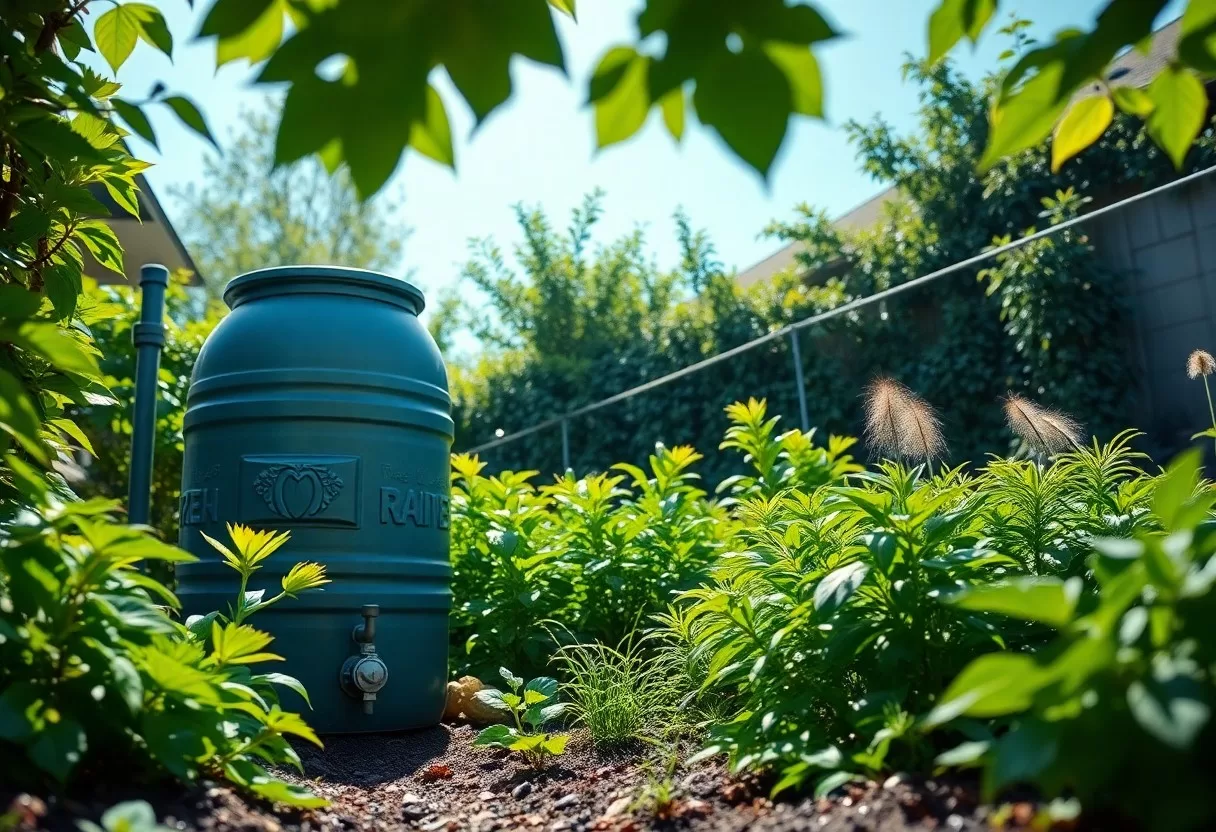
To optimize rainwater harvesting in your garden, you need a system that meets your specific requirements. Factors like your garden size, local rainfall patterns, and water demand will influence your choice. Systems range from simple rain barrels to more complex underground tanks. Your selection should reflect both your immediate gardening needs and long-term sustainability goals.
Evaluating Your Water Needs
Understanding your garden’s water needs is the first step towards an efficient rainwater harvesting system. Assess the plants’ watering requirements along with the frequency of rainfall in your area. Utilizing tools like a moisture meter can give you a precise idea of when and how much water your garden requires. This clarity helps in determining the size and type of harvesting system that will suit you best.
Comparing Storage Solutions
Various storage solutions are available, each with its own set of advantages and disadvantages. Above-ground tanks are more affordable and easier to install, while underground cisterns are less visually obtrusive and can hold larger volumes. Below is a comparison of some common options.
Storage Solutions Comparison
| Solution Type | Pros/Cons |
| Above-ground Tanks | Pros: Affordable, easy to install; Cons: Limited storage capacity, visible. |
| Underground Cisterns | Pros: Large capacity, out of sight; Cons: Higher installation costs. |
Choosing between above-ground and underground storage will largely depend on your garden’s layout and your budget. Above-ground tanks typically range from 50 to 500 gallons, making them suitable for average-sized gardens. On the other hand, underground cisterns can hold thousands of gallons but involve more complex installation. Think about your long-term water needs and the aesthetics of your garden as you explore these options.
Storage Alternatives Overview
| Alternative | Details |
| Rain Barrels | Good for small gardens, typically 50-100 gallons. |
| Large Tanks | For extensive gardens, can hold over 1,000 gallons. |
Capturing Rainwater Efficiently
Setting up an efficient rainwater capture system relies heavily on optimal design and component selection. By ensuring your catchment area is tailored to effectively channel water, you can maximize the volume collected during rainfall. The right materials and layout not only enhance functionality but also prevent issues such as overflow and contamination, allowing your garden to thrive sustainably.
Designing Your Catchment Area
Your catchment area typically comprises the roof or surface from which rainwater will be collected. Aim for a smooth, clean surface free of debris to facilitate the free flow of rainwater. Assess the size and slope to ensure water directs drainage towards your gutters and downspouts efficiently, minimizing loss and promoting optimal collection.
Choosing Appropriate Gutters and Downspouts
The selection of gutters and downspouts significantly impacts the effectiveness of your rainwater harvesting system. Make selections based on local rainfall patterns and the size of your catchment area, as these can dictate flow rates and capacity requirements. Consider installing wider gutters to accommodate heavy rains and ensure your downspouts are adequately sized to handle peak flow, directing water safely to your storage tanks.
Your gutter system should ideally declutter water flow and prevent overflow. Seamless gutters constructed from materials like aluminum or vinyl offer durability and minimize leaks. Alongside, downspouts should direct water away from the foundation of your home and into your storage unit. Opt for downspouts with splash blocks or extensions to avoid soil erosion and maximize the quantity of rainwater being funneled into your reservoir. Proper sizing and positioning allow for efficient management of the water collected, ensuring your garden remains well-hydrated throughout dry spells.
Water Quality and Maintenance
Your rainwater harvesting system should prioritize water quality to ensure it’s safe for your garden. Contaminants can easily seep into the collected water, harming plants and potentially creating health risks. Implementing targeted maintenance strategies will keep your system running smoothly and the water clean, allowing you to reap the full benefits of your rainwater collection efforts.
Techniques for Keeping Water Contaminant-Free
To maintain a contaminant-free water supply, you can use filters and first-flush diverters. Filters effectively remove debris and particulates, while first-flush systems divert the initial runoff—often containing the highest levels of pollutants—away from your storage tanks. Utilizing these techniques will significantly reduce potential contaminants and keep your water supply safe.
Regular Maintenance Routines
Implementing a routine maintenance schedule is necessary for ensuring your rainwater system remains effective. Regularly check your gutters, downspouts, and storage tanks for debris, leaks, and signs of algae growth. Cleaning your filters every few months and inspecting your entire system for blockages will help maintain optimal water quality.
A thorough maintenance routine includes not only the physical cleaning of components but also seasonal assessments tailored to your local climate. For example, after heavy storms, inspect for any accumulation of sediment or organic materials that might have been washed into your system. These proactive steps—such as cleaning out your gutter screens, and emptying your rain barrels at least once a year—can prevent larger issues down the line, ensuring your system remains a reliable source of clean water for your garden.
Integrating Rainwater into Your Irrigation Strategy
Adopting an efficient irrigation strategy that incorporates rainwater can significantly enhance your garden’s sustainability. By utilizing a system that channels collected rainwater directly to your plants, you reduce reliance on municipal water sources while ensuring that your plants receive moisture during dry spells. Consider connecting your rain barrel to a drip irrigation system or soaker hoses for targeted watering, allowing you to efficiently manage water resources while promoting healthier plant growth.
Effective Watering Systems for Gardens
Employing effective watering systems in your garden optimizes the usage of harvested rainwater. Drip irrigation systems deliver water directly to the root zone, minimizing evaporation and runoff. By ensuring the right amount of moisture reaches your plants, you can increase their resilience and health, making them less susceptible to drought stress while enhancing overall garden productivity.
Scheduling Water Usage for Optimal Plant Growth
Establishing a watering schedule tailored to your garden’s needs maximizes the potential of rainwater harvesting. Weekly watering, adapted according to rainfall patterns and seasonal changes, supports strong root development. Morning or late afternoon applications reduce evaporation, ensuring that your plants absorb moisture effectively while also fostering a thriving garden ecosystem.
For optimal plant growth, it’s beneficial to mimic natural rainfall patterns and account for the moisture needs of specific plants. Diving deeper into soil moisture levels can guide your scheduling, as well. Utilizing a moisture meter allows you to monitor unwatered sections of your garden, resulting in more precise irrigation timing. This practice not only promotes healthy growth and resilience in your plants, but it also conserves valuable water resources, ultimately leading to a more sustainable gardening approach.
Legal Considerations and Best Practices
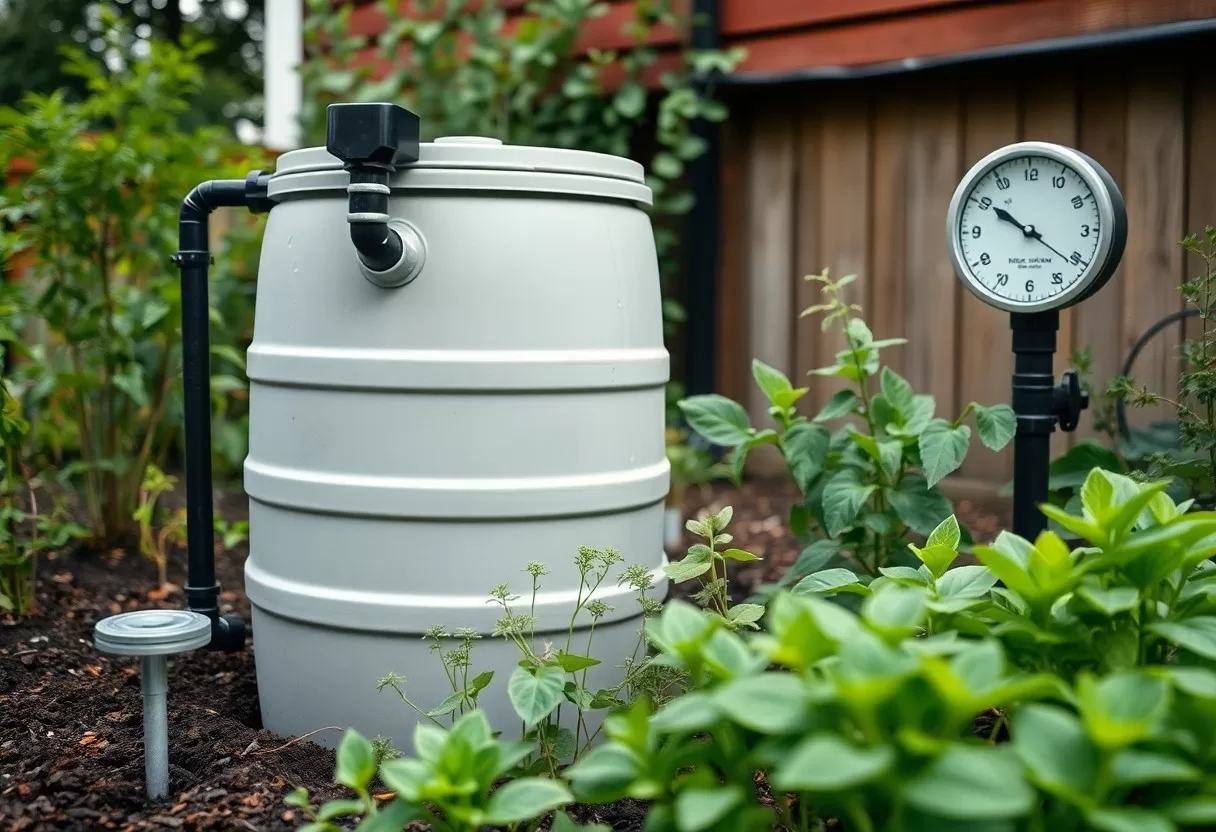
Each region has its own legal regulations surrounding rainwater harvesting. Adhering to these rules not only ensures compliance but also helps you avoid potential fines. Many areas allow the collection of rainwater for irrigation purposes but may have restrictions on storage volumes or system types. Familiarizing yourself with local requirements can prevent future complications and promote sustainable practices in your gardening efforts.
Understanding Local Regulations on Rainwater Harvesting
Local regulations on rainwater harvesting can vary significantly. Some states encourage the practice with incentives, while others may impose strict limitations. For instance, in places like Colorado, rainwater collection is subject to stringent regulations, requiring permits and design specifications. On the other hand, California promotes rainwater harvesting as a crucial part of its water conservation efforts. Checking with your local government or environmental agencies is the best way to understand what is permissible in your area.
Sustainable Practices to Maximize Benefits
Implementing sustainable practices can significantly enhance the efficacy of your rainwater harvesting system. Using native plants in your garden, for example, minimizes water consumption and maximizes the effectiveness of harvested rainwater. Additionally, utilizing pervious materials in pathways allows for increased groundwater recharge. Integrating a drip irrigation system can ensure that your plants receive consistent moisture, enhancing both growth and health while making the most of limited water supplies.
By combining various sustainable techniques, you not only create a more efficient rainwater harvesting system but also contribute positively to your local ecosystem. For example, incorporating rain gardens can help filter and manage excess rainfall, thus improving water quality. Utilizing mulched organic matter can also reduce evaporation rates, allowing your garden to thrive even during dry spells. Sustainability isn’t just about conservation; it’s about working hand-in-hand with nature to foster a vibrant, self-supporting garden.
To wrap up
As a reminder, implementing rainwater harvesting in your garden can significantly enhance water conservation efforts while nourishing your plants. By utilizing simple techniques like installing a rain barrel or creating a rain garden, you can effectively collect and store water for later use. This sustainable practice not only benefits your garden but also contributes to the environment. As you move forward, consider how small changes in your approach to water management can lead to a thriving garden and a more eco-friendly lifestyle.
FAQ
Q: What is rainwater harvesting and how can it benefit my garden?
A: Rainwater harvesting involves collecting and storing rainwater for future use, particularly for watering gardens. This practice can benefit your garden by providing a sustainable water source, reducing your water bills, and minimizing the need for chemical fertilizers often found in municipal water. Additionally, rainwater is naturally soft and free from the minerals and chemicals found in treated water, making it better for your plants.
Q: What materials do I need to set up a rainwater harvesting system in my garden?
A: To set up a rainwater harvesting system, you will need a few key materials such as a rain barrel or cistern to collect and store the water, downspouts to direct rainwater from your roof, a filter to remove debris, a diverter, and possibly a pump for distribution. Additionally, you may want plumbing fittings, hoses, or drip irrigation systems to efficiently distribute the collected water to your garden.
Q: How do I choose the right location for my rainwater harvesting system?
A: When choosing a location for your rainwater harvesting system, select a spot that is close to your garden to minimize water transportation. Ensure that the chosen location allows the collection system to be positioned underneath gutter downspouts or close to roof areas that receive plentiful rain. It’s also important to place your rain barrels or cisterns on a stable and level surface to promote safety and prevent leaks.
Q: Can I use rainwater for all gardening needs, including edible plants?
A: Yes, rainwater can be used for all gardening needs, including watering edible plants. It is generally considered safe for irrigating vegetables and fruits because it does not contain the additives found in municipal water supplies. However, ensure that the collection surfaces, as well as your storage containers, are clean and food-safe to avoid contamination.
Q: What are some common maintenance tips for a rainwater harvesting system?
A: Regular maintenance is crucial for an effective rainwater harvesting system. Some tips include cleaning gutters and downspouts to prevent blockages, inspecting the barrels or cisterns for cracks or leaks, and checking filters to ensure they are functioning correctly. Additionally, it’s wise to cover barrels to prevent mosquito breeding and to regularly monitor your water levels and quality, discarding any water that appears cloudy or has a foul odor.