
Rain-to-Table – Harvesting Rainwater for Garden Abundance
With effective rainwater harvesting, you can transform your garden into a thriving oasis while conserving a vital resource. By collecting and utilizing rainwater, you not only reduce your water bills but also ensure your plants receive chemical-free nourishment. Implementing a sustainable strategy for your garden can increase yield and promote biodiversity, all while protecting your local environment. Take action today to harness the power of nature and witness the abundant growth in your garden.
Key Takeaways:
- Rainwater harvesting transforms water management, providing a sustainable source for garden irrigation.
- Implementing rainwater collection systems can significantly reduce water bills and environmental impact.
- Using harvested rainwater enhances plant growth and decreases dependency on municipal water supply.
The Environmental Impact of Rainwater Harvesting
Rainwater harvesting significantly reduces environmental strain by decreasing dependence on municipal water supplies and energy-intensive water treatment processes. This practice allows for more sustainable water management by redirecting runoff that could lead to soil erosion, flooding, and pollution. As you collect rainwater, you also help replenish local aquifers and mitigate heat island effects in urban areas, enhancing overall ecosystem resilience.
Assessing the Benefits for Biodiversity
You foster biodiversity by creating a healthier habitat for local flora and fauna through rainwater harvesting. This practice encourages the growth of native plants and supports wildlife that depends on these ecosystems for survival. By maintaining optimal soil moisture, you enable diverse species to thrive and contribute to a balanced ecosystem.
Water Conservation in Drought-Prone Regions
Implementing rainwater harvesting systems in drought-prone regions is a viable solution to mitigate water scarcity. By efficiently utilizing collected rainwater, you can sustain your garden during dry spells and promote responsible water usage in your community. This method reduces reliance on groundwater sources, allowing them to recover while simultaneously enhancing your garden’s resilience.
Rainwater harvesting becomes necessary in regions that experience chronic drought. By capturing and storing rain, you can supplement irrigation needs, ensuring crops receive sufficient moisture despite low rainfall. This method not only alleviates pressure on dwindling water supplies but also promotes adaptability in agricultural practices. Homeowners have reported a 50%-90% reduction in water usage for landscaping and gardening by implementing these systems, demonstrating the significant impact of harvesting rainwater on both individual households and the greater community.
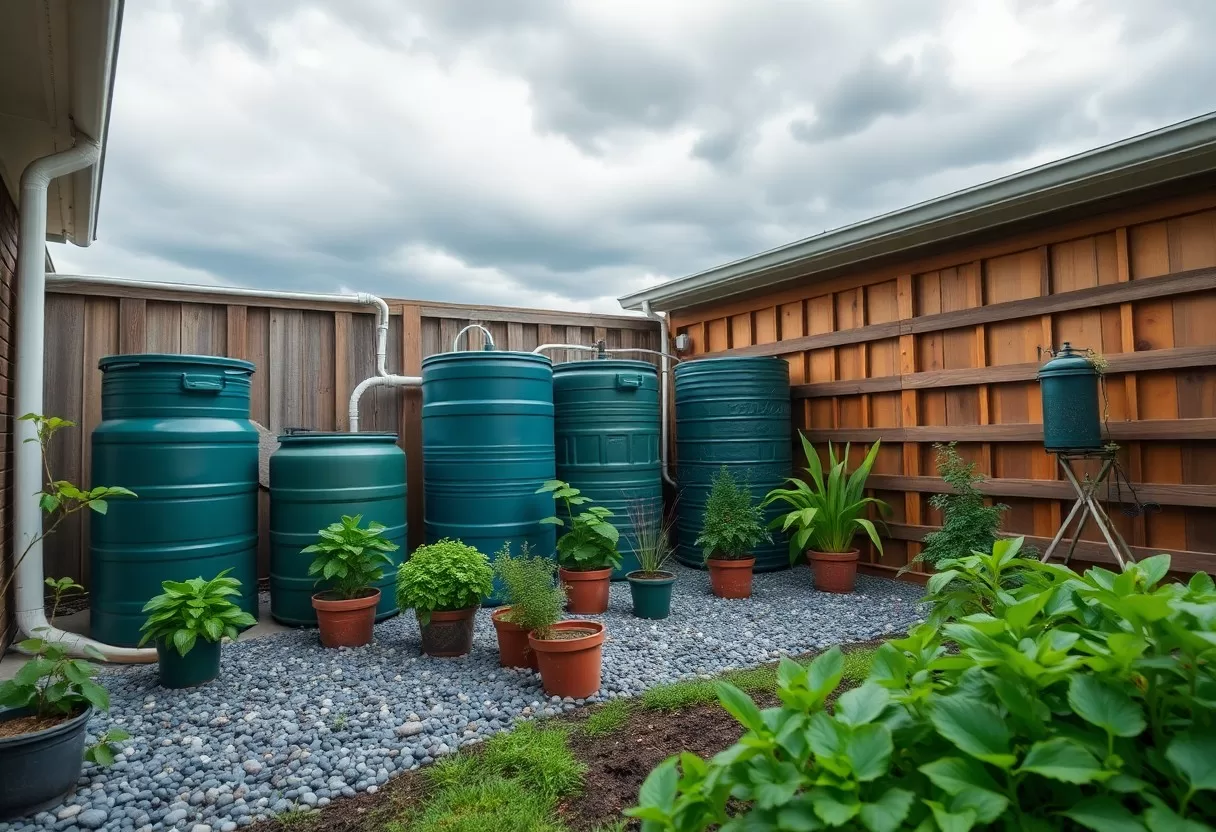
Designing Your Rainwater Capture System
Creating an efficient rainwater capture system involves careful planning and consideration of various elements that can optimize your garden’s water supply while ensuring longevity and effectiveness.
Essential Components for Effective Harvesting
Your rainwater harvesting system needs several components, including collection surfaces, gutters, downspouts, storage tanks, and filtration systems. Each part plays a role in maximizing water capture and maintaining quality. High-quality gutters prevent sediment and debris from entering your storage, while the right filtration reduces contaminants, keeping your harvest safe for plant use.
Placement and Sizing: Key Considerations
Assessing the placement and sizing of your rainwater system directly impacts its efficiency. Factors such as roof size, rainfall patterns, and garden water needs guide you in determining the right tank size and ideal collection point.
For optimal performance, position your collection system to maximize water flow from your gutter to the storage tank. A general rule of thumb is to estimate that each inch of rain falling on a square foot of roof collects about 0.6 gallons of water. Calculate your roof area in square feet and multiply by expected rainfall to choose a storage tank that accommodates your garden needs. Also, consider placing the tank at a slope to facilitate drainage and ensure easy access for maintenance, maximizing both convenience and efficiency.
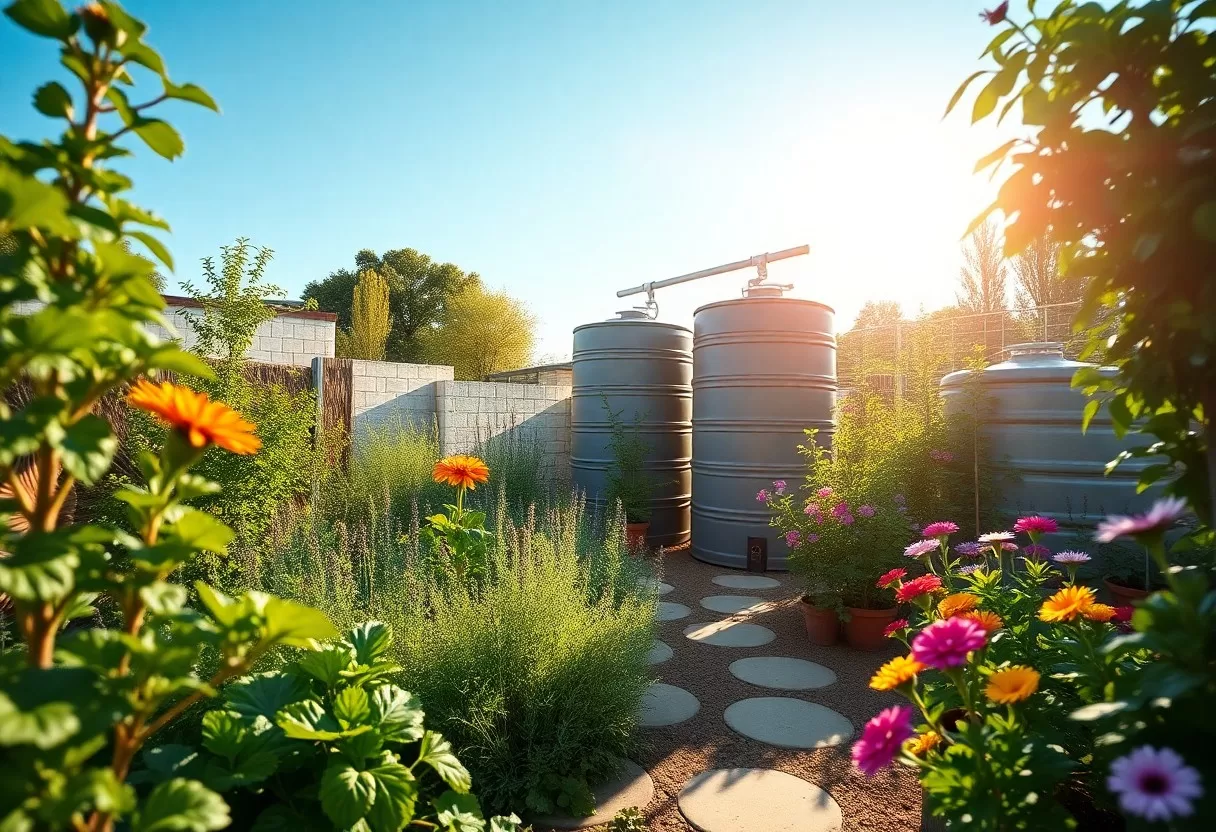
Maximizing Garden Yield Through Smart Irrigation
Implementing smart irrigation strategies elevates your garden’s productivity by ensuring water conservation while meeting plant needs. Automating systems with soil moisture sensors helps you schedule watering when it’s truly necessary, preventing overwatering and enhancing plant health. Incorporating rainwater into your irrigation regime allows for a sustainable approach, reducing dependency on municipal water supplies while utilizing natural resources efficiently. As a result, you can achieve a flourishing garden that thrives even in variable weather conditions.
Integrating Rainwater with Soil Health Practices
Integrating harvested rainwater with soil health practices significantly boosts soil structure and nutrient availability. Combining this approach with composting and mulching enhances microorganism activity, which in turn promotes robust plant growth. The natural pH balance of rainwater supports beneficial soil bacteria, optimizing nutrient uptake. You can create a thriving ecosystem that enriches your garden yield by blending these practices seamlessly.
Techniques for Efficient Delivery to Plants
Efficient delivery systems like drip irrigation and soaker hoses maximize water usage while ensuring plants receive the moisture they need. Drip irrigation delivers rainwater directly to the root zone, reducing evaporation and runoff by up to 60%. Soaker hoses distribute water along the soil surface, ensuring even coverage for your plants. You can conserve resources and boost your garden’s productivity by selecting the right method for your landscape.
Drip irrigation systems consist of tubing and emitters that release water slowly, allowing it to seep deep into the soil, which promotes deeper root growth and reduces weed competition. Soaker hoses allow for uniform watering without the need to adjust for different plant spacing. Both techniques can be easily connected to rain barrels, providing a seamless system that utilizes your collected rainwater effectively. Adopting these methods not only enhances efficiency but also fosters a healthier garden environment by targeting water directly where it’s needed most.
Navigating Local Regulations and Best Practices
Understanding the landscape of local regulations and best practices is vital for successful rainwater harvesting. Compliance with local laws not only ensures that your system operates legally but also enhances its efficiency and safety. Each jurisdiction has unique rules regarding the collection, storage, and use of rainwater, so you should consult local government agencies or agricultural extensions to avoid any legal pitfalls while optimizing your garden’s yield.
Understanding Legal Frameworks for Rainwater Use
Legal frameworks governing rainwater harvesting vary widely across regions. Some areas encourage the practice by offering incentives and grants, while others may impose restrictions or require permits. Researching your local ordinances is crucial, as many municipalities have detailed guidelines about the size of systems, usage limitations, and maintenance protocols, ensuring your efforts align with community standards.
Common Missteps and How to Avoid Them
Many enthusiasts new to rainwater harvesting overlook critical elements that can lead to suboptimal performance or legal issues. Frequent missteps include inadequate filtration systems, improper storage methods, and neglecting local regulations. Conducting thorough research and planning can prevent these errors, ensuring that your system functions seamlessly and in compliance with local laws.
One common misstep is selecting the wrong type of storage tank, which can result in contamination or system failure. For instance, using non-food-grade materials may leach harmful chemicals into your water supply, making it unsafe for irrigation. To avoid this, always choose storage options that meet safety standards and are designed specifically for rainwater collection. Additionally, failing to install adequate first-flush diverters can lead to debris and pollutants entering your system, impacting water quality. Prioritizing these elements will enhance your success in harvesting rainwater effectively and sustainably.
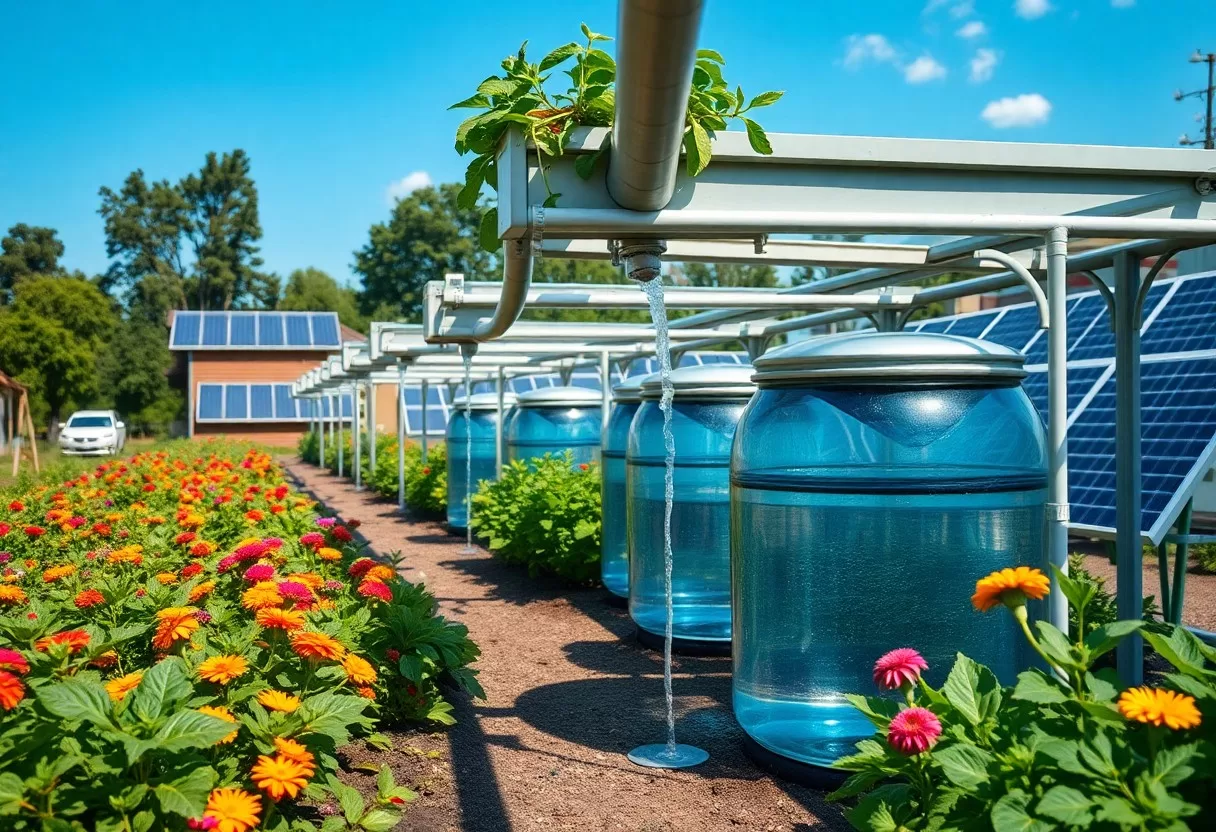
The Future of Rainwater Utilization in Sustainable Agriculture
The future of rainwater utilization in sustainable agriculture hinges on innovative practices and technology that enhance efficiency and conservation. As climate patterns shift, your ability to harness rainfall for irrigation not only promotes resource efficiency but also reduces dependence on traditional water sources. By integrating rainwater harvesting systems and fostering community awareness, you can lead the way in creating a more resilient agricultural framework that supports both productivity and environmental stewardship.
Innovations in Rainwater Technology
Emerging technologies are revolutionizing how you can efficiently collect and use rainwater in agriculture. Smart sensors, automated collection systems, and advanced filtration methods ensure that you maximize water quality and minimize waste. For instance, rainwater management apps can provide real-time data on rainfall patterns and soil moisture levels, helping you optimize irrigation schedules and prevent overwatering.
Shifting Perspectives on Water Scarcity
A transformation in perspectives surrounding water scarcity is vital for sustainable agriculture’s progress. Engaging in community-driven initiatives can help redefine the narrative around water use, highlighting the potential of rainwater as a reliable resource. Collaborations between researchers, policymakers, and farmers showcase successful case studies that illustrate the affordability and practicality of rainwater harvesting, making it a feasible solution for many.
Community awareness and education play a key role in this paradigm shift. You benefit from understanding the implications of water scarcity, which drives the demand for alternative water sources like harvested rainwater. Countries like Australia have pioneered rainwater use policies, demonstrating effective strategies that balance agricultural needs with ongoing environmental challenges. By actively participating in these conversations, you contribute to innovative solutions that can reshape how society views water availability and usage in an era of increasing climatic unpredictability.
Conclusion
On the whole, adopting a rainwater harvesting system can significantly enhance your garden’s productivity and sustainability. By efficiently collecting and utilizing rainwater, you empower yourself to nurture your plants while conserving precious resources. This practice not only reduces your dependence on municipal water supply but also contributes to a healthier ecosystem. By implementing rain-to-table techniques, you can enjoy an abundant garden that thrives on natural, free rainfall, ultimately leading to both flourishing plants and a more environmentally friendly lifestyle.
FAQ
Q: What are the benefits of harvesting rainwater for my garden?
A: Harvesting rainwater provides multiple benefits including reduced water bills, decreased reliance on municipal water supplies, improved plant health due to naturally soft water, and contribution to environmental sustainability by minimizing runoff and erosion.
Q: How do I set up a rainwater harvesting system for my garden?
A: To set up a rainwater harvesting system, select a collection area such as a roof, install gutters that direct water into a storage tank or barrel, ensure the storage system has a fine mesh filter to keep debris out, and connect a distribution system for watering your garden efficiently.
Q: What maintenance is required for my rainwater harvesting system?
A: Regular maintenance includes cleaning gutters and filters to prevent clogging, inspecting storage tanks for leaks or algae growth, and checking hoses and connections for any issues to ensure optimal water flow and quality.