
Pollinator Paradise – Designing Gardens that Welcome Bees, Butterflies and Birds
Many gardeners turn yards into pollinator havens by choosing native, nectar-rich plants for continuous bloom, arranging layered plantings and providing shelter so you attract bees, butterflies and birds. Make your space pesticide-free because common sprays are lethal to pollinators. Add shallow water, nesting sites and seasonal food to increase pollination, fruit set and biodiversity, creating a resilient, life-affirming garden you can be proud of.
Key Takeaways:
- Plant a diversity of native species with overlapping bloom times and include butterfly host plants and varied flower shapes to support different pollinators.
- Create layered habitat-sunny nectar gardens, shrubs and trees, water sources, dead wood and bare ground-to provide food, shelter and nesting sites year-round.
- Design with grouped plantings and continuous resources, avoid pesticides, and manage for seasonal needs (early blooms and overwintering habitat) to sustain pollinator populations.
The Importance of Pollinators
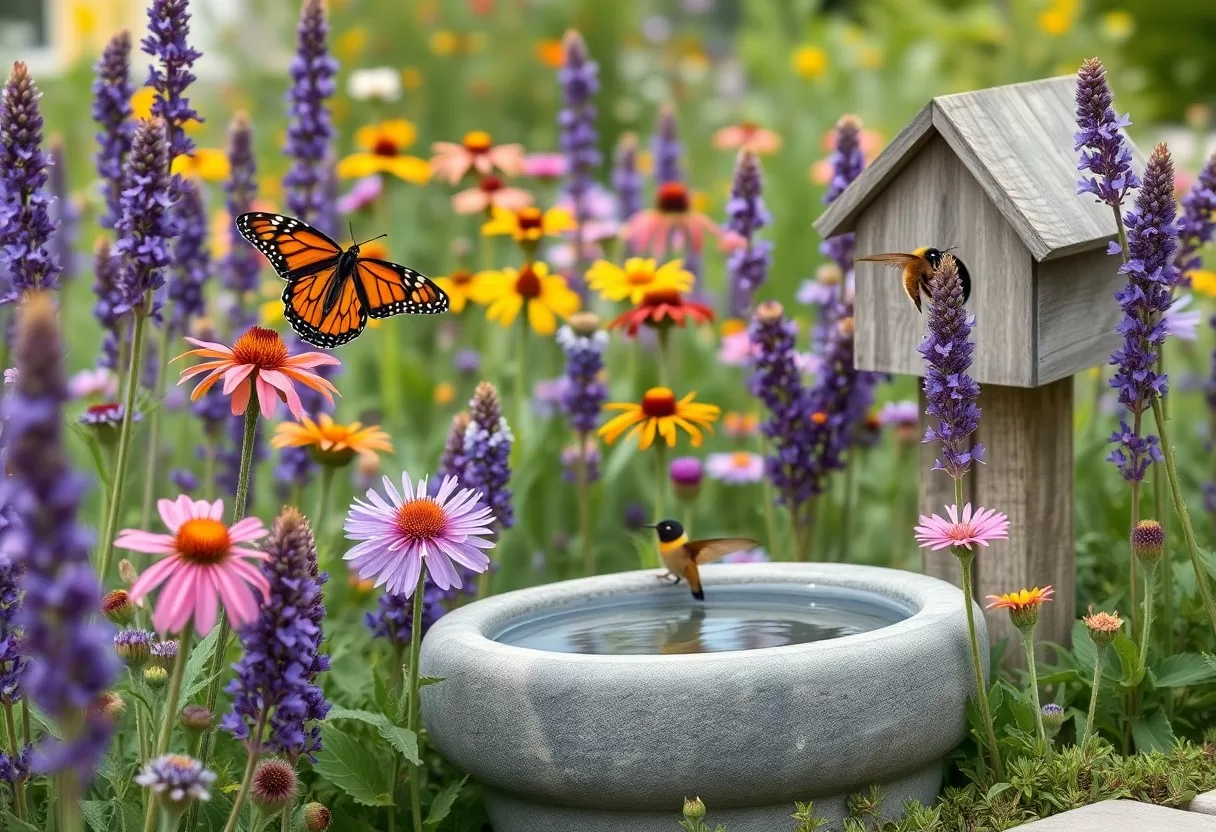
Your garden contributes directly to broader food webs and human nutrition because pollinators enable reproduction for most flowering plants; in fact, over 75% of leading global crops benefit from animal pollination. You can bolster this system locally by planting continuous bloom and nesting habitats, yet widespread threats like habitat loss, pesticide exposure, and disease are reducing pollinator populations and thus the resilience of both wild ecosystems and agricultural yields.
Role in Ecosystems
When you design habitat, note that pollinators act as ecosystem engineers: they maintain plant diversity, support seed and fruit production, and feed birds and mammals higher in the web. For example, about 90% of wild flowering plant species rely partly on animal pollinators, so your choice of native nectar and host plants directly sustains insects like bumblebees and butterflies, and avian predators that keep pests in check.
Benefits to Food Production
You directly reap the rewards of healthy pollinator communities through higher yields and better-quality fruit; many crops rely heavily on insects and birds – apples, cherries, and almonds among them. California’s almond industry, for instance, annually requires roughly 1.6 million honeybee colonies for pollination, illustrating how indispensable managed and wild pollinators are to commercial production and to the global market valued in the hundreds of billions.
To increase those benefits, you can implement farm- and garden-scale practices: add flowering hedgerows, sow spring and late-season nectar strips, and interplant pollinator-attractive cover crops. Studies show pollination can boost yields by up to around 20-40% for many fruits and vegetables, and you should avoid spraying insecticides during bloom to protect visiting pollinators and maximize both yield and crop quality.
Choosing the Right Plants
You should prioritize plant choices that supply nectar, pollen and larval host resources across the season; mix trees, shrubs, perennials and a few annuals like Asclepias (milkweed), Echinacea, Monarda and native Salvia to attract bees, butterflies and hummingbirds. Include berry- and seed-producing shrubs such as Vaccinium for birds, and aim for structural diversity-groundcover, mid-height and canopy layers-to support the widest pollinator assemblage.
Native vs. Non-Native Species
You’ll get the best long-term returns from native plants because they often host specialist pollinators and support higher insect biomass; for example, milkweed (Asclepias) is vital for monarch caterpillars. Select non-natives like lavender or agastache sparingly to fill nectar gaps, but avoid species that escape cultivation-Buddleja (butterfly bush) can be invasive in many regions and displace native resources.
Flower Variety and Bloom Times
You must provide continuous blooms from early spring through late fall-roughly March-October in many temperate zones-by combining early (willow, crocus), mid (monarda, echinacea, salvias) and late (aster, solidago) bloomers. Staggered flowering keeps bees, butterflies and migratory hummingbirds fueled; include at least three overlapping species each month to reduce forage gaps and support all life stages.
For practical planting, group species in blocks of 5-10 individuals so pollinators find patches easily; for example, plant willow and crocus for March-April, echinacea and monarda for June-August, then aster and goldenrod for September-October. Also mix bloom shapes-tubular flowers for hummingbirds, flat umbels for short-tongued bees-and account for sun, soil and moisture when mapping those seasonal sequences.
Creating Habitat Layers
Layering your planting-from bare ground to flowering herbs, shrubs and canopy trees-creates diverse niches for foraging and nesting; use four structural layers: ground, low herbaceous, shrub and canopy. Include natives like milkweed, Salvia, Ceanothus and willow to cover seasons and resources. Since ≈70% of native bees nest in soil, provide bare patches and mulch-free banks, and avoid pesticides to keep pollinator populations healthy while ensuring staggered bloom for continuous nectar.
Ground Cover and Low Plants
Low plants and groundcovers such as creeping thyme, Sedum spurium and Phlox subulata replace lawn islands with nectar-rich floors and microhabitats. You should plant clumps of 3-5 and leave 10-20% bare soil for mining bees (Andrena) and ground-nesters, while keeping small leaf-litter patches 2-5 cm deep to shelter overwintering butterflies, solitary wasps and beneficial beetles.
Shrubs and Trees for Shelter
Medium and tall layers-natives like Ceanothus, Sambucus (elderberry) and Vaccinium, plus willow, serviceberry and oak-supply berries, buds and cavity sites for birds and insects. You’ll boost food webs by including oaks, which can support more than 500 caterpillar species, and provide nesting structure for cavity bees and birds; avoid pruning during main nesting months (April-July) to protect active nests.
To maximize shelter, group shrubs in clumps of 3-5 and stagger heights so understory and canopy interlock; space small trees 10-20 ft apart in compact yards. Favor multi-stem natives (elderberry, serviceberry) for dense cover and plant willows for early nectar. Importantly, retain snags and dead wood for cavity nesters and prune only in late winter to avoid disturbing nests and to preserve seasonal fruit for migratory birds.
Water Sources and Maintenance
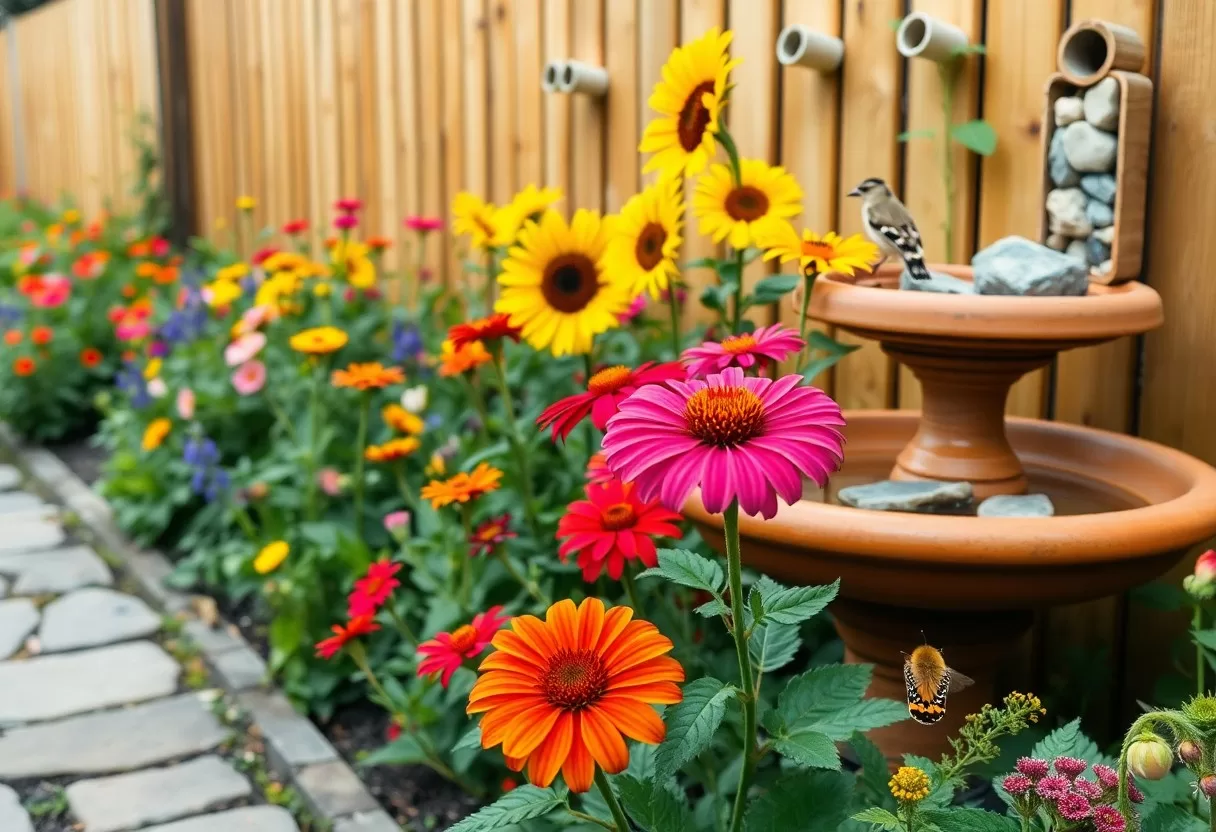
Provide multiple shallow water options-saucers with pebbles, dripping fountains, and a shallow basin 1-2 inches deep for birds-and place them near native plant clusters so your pollinators can easily find them. For layout inspiration across scales consult Pollinator Garden Ideas For Every Outdoor Space. You should clean and refill water weekly and use a small solar pump; stagnant water breeds mosquitoes, while moving water attracts more bees, butterflies, and birds.
Incorporating Water Features
When you install features, include shallow dishes with stones for bees, a damp sand “puddling” patch for butterflies, and fine drips or misters for hummingbirds. Edge any pond with a gradual slope and emergent plants like Carex or native sedges to provide access and shelter. Use rough stones as landing pads and keep 1-2 inches depth for safe bathing and drinking.
Sustainable Gardening Practices
Capture rain with barrels, route roof runoff into a rain garden, and choose native, drought-tolerant perennials to reduce irrigation needs. You can switch to drip irrigation and timers-drip systems often cut water use by roughly half compared with overhead sprinklers-and apply 2-3 inches of organic mulch to retain moisture. Above all, avoid pesticides that harm beneficial pollinators.
You should focus on soil health: add compost to increase organic matter and water retention and support pollinator-friendly microbes. Interplant species such as Asclepias, Echinacea, and Salvia to stagger bloom times and extend nectar availability; install permeable paths and small cisterns to store runoff for dry spells; and maintain irrigation and storage systems quarterly to prevent clogs and ensure clean, circulating water.
Avoiding Pesticides and Herbicides
When you eliminate routine chemical sprays you preserve nectar and pollen quality and protect pollinator life cycles; systemic insecticides like neonicotinoids can be taken up into nectar and pollen and have been linked to reduced bee foraging and colony health, while broad-spectrum herbicides remove floral resources and host plants for caterpillars. Choose cultural and targeted controls first to keep your garden a true refuge.
Understanding Chemical Impact
Synthetic insecticides often cause both lethal and sublethal effects-impaired navigation, reduced reproduction and weakened immunity-while herbicides can eliminate key hosts such as milkweed and reduce butterfly breeding habitat. Studies and regulatory moves (for example, the EU’s 2018 outdoor restrictions on several neonicotinoids) demonstrate that chemical persistence in soil and nectar can last for months, amplifying risk across seasons.
Organic Alternatives
Use targeted options: Bacillus thuringiensis (Btk) for caterpillars, insecticidal soap or horticultural oil for aphids, neem for chewing pests, row covers, trap cropping and encouraging predators like ladybeetles and lacewings. Apply treatments as spot controls and time applications for early morning or late evening to minimize harm to foraging pollinators.
For more detail, apply Btk (specific to lepidopteran larvae) and avoid broad foliar sprays during bloom; neem works as an antifeedant and growth disruptor when applied to foliage, and insecticidal soaps contact-soften pests on contact. Adopt simple IPM: monitor weekly, act only when thresholds are met (for home gardens, consider treating when damage exceeds ~10-15%), hand-pick large pests, and use mulches and physical barriers to reduce future outbreaks. Avoid pyrethrins on open flowers to protect bees.
Engaging the Community
Mobilize neighbors with monthly habitat builds, school partnerships, and volunteer days-running 4 seasonal workdays and a native-plant sale can engage 100-300 people annually. You should highlight local success stories and link to resources like Creating a Pollinator Garden Paradise to provide proven planting templates. Focus on hands-on participation and shared maintenance plans so projects persist beyond a single season.
Educational Workshops
Offer 1-2 hour workshops for groups of 20-30 that combine a short talk on native species with hands-on planting or bee-house builds. You can teach seasonal bloom planning, pesticide-free care, soil testing basics, and simple monitoring techniques; include take-home planting lists with 10-15 recommended natives. Practical activities increase volunteer retention and turn attendees into ongoing stewards.
Community Garden Initiatives
Start a pollinator plot of 100-400 sq ft, recruit 5-10 neighbors, and plant 10-15 native species with staggered bloom times. You should pursue small municipal grants or plant donations and set a shared maintenance rota to avoid burnout. Visible signage and plant labels boost public engagement and make the site a local learning hub.
Map sun exposure and soil pH before planting, allocate zones for host plants, nectar sources, and water features, and schedule monthly maintenance plus four seasonal planting events. You can run weekly 10-minute pollinator surveys using simple transects and log sightings on iNaturalist to track diversity; aim for 5-10 pollinator species in year one as a measurable baseline.
Final Words
The garden you design can become a true pollinator paradise: by choosing diverse native plants, offering layered habitat, seasonal blooms, undisturbed nesting sites and fresh water, you invite bees, butterflies and birds while boosting biodiversity and resilience. With consistent, pesticide-free care and thoughtful layout, your outdoor space will sustain wildlife and delight you year-round.
FAQ
Q: How do I choose plants that attract bees, butterflies and birds?
A: Choose a palette dominated by native species that bloom from early spring through late fall to provide continuous nectar and pollen. Include a mix of heights and forms-trees and shrubs for birds and shelter, mid-height perennials for butterflies, and low-growing flowers for ground-foraging bees. Plant in large clusters rather than single specimens to make resources easier for pollinators to find. Include host plants (milkweeds for monarchs, parsley/fennel for swallowtails) as well as nectar-rich, single-form flowers (avoid double cultivars that hide nectar). Vary flower shapes and colors to serve different visitors: tubular red or orange flowers for hummingbirds, flat landing platforms for butterflies, and blue/purple/white flowers favored by many bees.
Q: What habitat features should I add to support nesting, feeding and shelter?
A: Provide diverse microhabitats: patches of bare, well-drained soil for ground-nesting bees; bundles of hollow stems or drilled wood blocks for cavity-nesting bees; dead wood and log piles for solitary bees and beetles; host-plant clusters for caterpillars; sunny, sheltered basking spots such as flat stones; shallow water sources with perches and muddy “puddling” areas for butterflies; dense native shrubs and small trees for bird nesting and cover; snags or nest boxes for cavity-nesting birds; and brush piles or leaf litter for overwintering insects. Orient bee hotels and stem bundles toward morning sun and protect them from heavy rain. Leave some parts of the garden less tidy through winter to preserve shelter and food.
Q: How should I manage pesticides, maintenance and seasonal care to keep pollinators safe and the garden productive?
A: Use integrated pest management: monitor populations, tolerate low levels of damage, encourage predators, and use targeted controls only when necessary. Avoid broad-spectrum insecticides and systemic neonics; when treatment is required, choose selective or biological options (Bt for caterpillars, insecticidal soap for soft-bodied pests) and apply in the evening or night when pollinators are inactive. Time pruning and major disturbances outside nesting and breeding seasons, stagger mowing and cutting to preserve nesting sites, and remove invasive plants that reduce floral resources. Maintain water sources and clean bird feeders regularly. In fall and winter, leave seedheads, berry-bearing shrubs and stem bundles for food and shelter; clean or refresh bee hotel materials annually to reduce pathogens and mold.