Designers Say These Outdated Features Are Quietly Lowering Your Home Value
Features that once graced homes in style may now be working against you and significantly impacting your property value. As trends shift and buyer preferences change, there are specific elements that, if still present in your home, can quietly diminish its worth. In this article, we’ll explore these outdated features and help you understand how you can modernize your space to enhance appeal and boost your home’s market value. Stay informed and take proactive steps to ensure your home remains a valued asset.
Outdated Design Trends That Deter Buyers
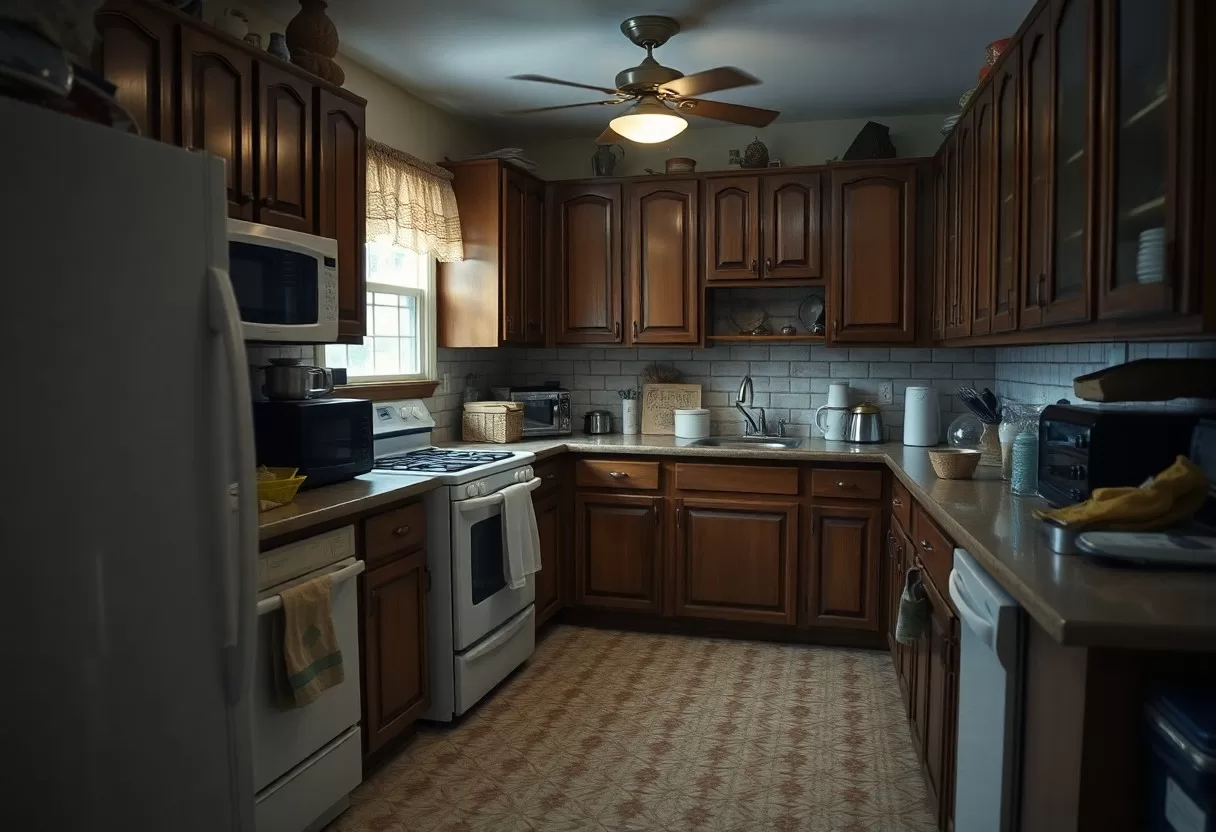
Certain design trends that were once deemed stylish now carry a significant risk of turning potential buyers away from your property. Your home’s aesthetic should appeal to a broad audience, and outdated features can make it harder to sell. Rethinking these outdated design elements is vital if you’re aiming to maximize your home’s value and attract buyers.
The Impact of Sunken Living Rooms
Sunken living rooms, once a hallmark of modern design, can now feel cramped and cumbersome. As homebuyers increasingly favor open-concept layouts, this drop in interest may lead to decreased property values. The perceived lack of functionality and seamless flow negatively impacts first impressions, making your home feel outdated.
The Decline of Overly Themed Rooms
Overly themed rooms often create an environment that feels less versatile and more alienating to potential buyers. Custom-designed spaces that are too specific can sharply limit your home’s appeal, forcing buyers to think about how much renovation they’d need to undertake. Bold designs like jungle-inspired nurseries or retro 70s lounges can alienate buyers who might envision a more neutral canvas.
Typically, personalization in home design has peaked; buyers are now gravitating toward spaces that allow their creativity to shine through. Spaces with whimsical characters or heavy themes often come off as kitschy and can deter those who seek understated elegance. Simplifying these areas into neutral palettes allows buyers to envision their ideas, ultimately resulting in a more enticing property. Investing in versatile, adaptable aesthetics not only broadens your potential buyer pool but also enhances your home’s overall marketability.
Technological Features That Are Now Considered Obsolete
Outdated technological elements can make your home feel like it’s stuck in a different era. For instance, having a landline phone or an old-fashioned intercom system may not just be inconvenient, but can also turn off potential buyers. In an age where smart technology is the norm, these outdated gadgets can detract from your home’s appeal and lower its value significantly.
The Consequences of Outdated Home Security Systems
Your home security system plays a pivotal role in safeguarding your property. Outdated systems lacking modern features like remote monitoring and smart sensors not only compromise safety but also dampen buyers’ interest, as more people seek homes that provide peace of mind and advanced security options.
The Pitfalls of Legacy Electrical Systems
Legacy electrical systems can pose both functional and financial challenges. Homes with outdated wiring or insufficient electrical capacity may require extensive upgrades to meet today’s demand for energy usage. Additionally, these older systems may not comply with current safety codes, creating potential hazards that deter buyers. If your home is still operating on antiquated wiring, you’re likely looking at costly repairs to ensure it appeals to modern buyers.
The lack of modern electrical systems can lead to overloaded circuits, frequently tripped breakers, or even fire hazards. In fact, it’s estimated that homes with outdated electrical systems can reduce resale value by as much as 10-15%. Furthermore, the inability to support high-demand appliances and devices found in today’s households makes it challenging for you to attract buyers who value functionality and safety. Upgrading to a modern electrical system can not only enhance your home’s safety but also boost its marketability.
Colors and Materials That Dull Home Appeal
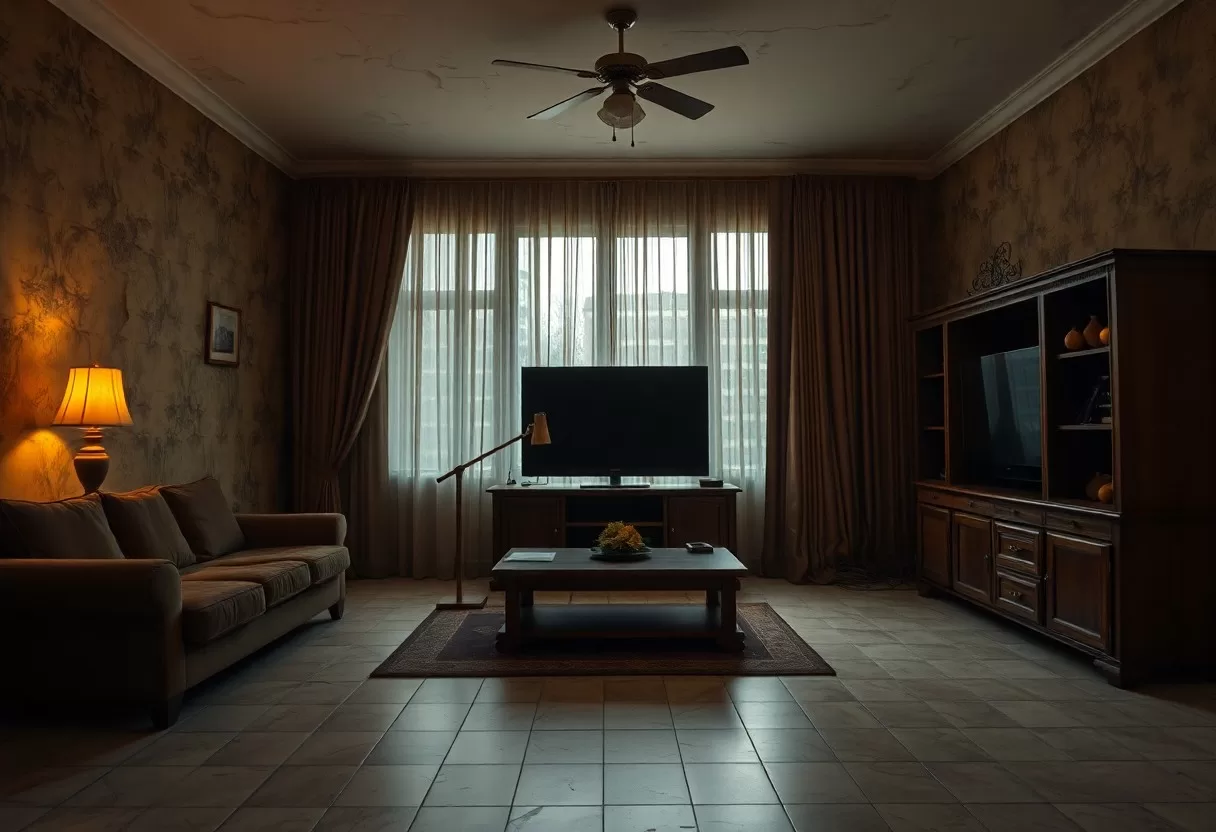
Outdated colors and materials can silently detract from your home’s value, making it less appealing to potential buyers. Neutral tones and natural materials are now preferred, pushing darker finishes and bold colors to the background. Even if you think these trends are aesthetic choices, they can lead to a less marketable property. Consider revitalizing your space with a fresher palette by researching 8 “Outdated” Home Trends That Are Worth Revisiting.
The Unpopularity of Dark Wood Finishes
Dark wood finishes used to signal luxury, but they now often come across as heavy and outdated. Many homebuyers now prefer lighter, airy wood tones that evoke brightness and spaciousness in a home. Opting for lighter finishes can refresh your space and make it feel more inviting, which can positively affect your property’s appeal.
The Turn Against Bold Paint Colors
Bold paint colors can overwhelm spaces and create a sense of chaos, prompting many homebuyers to shy away from them. Instead, soft neutrals and pastels are increasingly favored, as they present a calming backdrop that allows for personal expression through decor instead of dramatic wall colors.
In fact, statistically, homes painted in soft, neutral shades sell faster and for higher prices compared to their bolder counterparts. Current trends demonstrate that buyers gravitate toward colors like pale gray and beige because they enhance natural light and make spaces feel larger. Choosing a neutral palette gives you the flexibility to accessorize with vibrant decor that can easily be changed, appealing to a wider audience when it comes time to list your home.
Inefficient Space Utilization and Layout Choices
Outdated layouts not only hinder the flow of your home but can also lead to stagnant property values. Homes with poor space utilization, such as overly compartmentalized rooms or inconsistent sizing, make it difficult for potential buyers to envision their lifestyle within your space. An impractical setup can make even a well-maintained home feel cramped or uncomfortable, lowering its appeal in today’s market.
The Disadvantages of Closed Floor Plans
Closed floor plans, once the standard in home design, can now feel dated and confining. These layouts often separate living areas into distinct compartments, limiting natural light and preventing a sense of spaciousness. Buyers today are more inclined toward open concepts that encourage interaction and connectivity, making closed-off spaces seem less desirable.
The Struggle for Functionality in Unused Spaces
Unused or poorly utilized spaces can become a significant drawback for your home, impacting its overall functionality. Areas like large dining rooms that see little use or awkwardly sized nooks without purpose can confuse potential buyers. Creating a cohesive flow where spaces serve multiple functions not only maximizes your home’s livability but also enhances its value; transforming unused corners into cozy reading nooks or functional play areas can significantly improve buyer perception.
The Importance of Curb Appeal in Modern Markets
Your home’s curb appeal plays a pivotal role in its market value and how quickly it sells. In a competitive real estate landscape, first impressions matter. Potential buyers often make snap judgments based on the exterior, which can influence their perception of your property’s worth. Investing in aesthetic updates, from fresh paint to a welcoming entryway, amplifies your home’s appeal and can lead to higher offers and faster sales.
The Role of Landscaping in First Impressions
Landscaping significantly shapes how buyers perceive your home upon arrival. A well-maintained yard with vibrant flowers, neatly trimmed shrubs, and inviting pathways enhances the overall attractiveness of your property. Ignoring landscaping can lead to negative assumptions about the home’s upkeep and value, causing potential buyers to look elsewhere.
How Faded Exteriors Affect Market Value
Faded exteriors can be a silent killer of your home’s market value. Over time, exposure to the elements can lead to discoloration, making your property look neglected and outdated. This can cause buyers to perceive your home as needing repair or, worse, as undervalued. Studies show that homes with fresh, vibrant exteriors can fetch up to 10-15% more than those with dulled surfaces, showcasing the importance of maintaining your home’s facade.
Not only do faded exteriors create a worn, uninviting impression, but they can also signal underlying maintenance issues. Buyers may question what else needs fixing if the exterior looks neglected. If you’re looking to maximize your home’s value, giving your exterior a fresh coat of paint, cleaning siding, and replacing any worn fixtures can yield substantial returns. A vibrant, well-kept exterior not only attracts buyers but also instills confidence in the longevity and quality of your home.
Conclusion
With these considerations, it’s vital to evaluate your home’s features and identify outdated designs that may be affecting your property value. Keeping your living space modern and appealing can enhance its market attractiveness. You can learn more about specific elements you should avoid by checking out the 10 Decor Choices That Are Quietly Lowering Your Home’s …. Staying informed can help you make better decisions for your home’s future.
FAQ
Q: What outdated features should I be aware of that might lower my home’s value?
A: Designers indicate that several outdated features can negatively impact your home’s value. Common offenders include popcorn ceilings, outdated lighting fixtures, and wall-to-wall carpeting. Popcorn ceilings, once trendy, are now perceived as dated and can make spaces feel smaller. Similarly, outdated lighting—think of heavy chandeliers or fluorescent lighting—can detract from a home’s aesthetic appeal. Lastly, wall-to-wall carpeting can gather dust and allergens, discouraging potential buyers who prefer hardwood or laminate flooring for its ease of maintenance and modern look.
Q: How does an outdated kitchen affect home value?
A: A kitchen that hasn’t been remodeled in many years can be a significant deterrent for prospective buyers. Features like old appliances, outdated countertops, and worn cabinetry can send the message that the home requires extensive additional investment. Buyers often seek modern kitchens that boast functionality and style. Designers suggest that even small updates, such as fresh paint, new hardware, or updated appliances, can enhance appeal and reflect a more competitive market price.
Q: Is there any way to assess which features are outdated in my home?
A: To assess which features may be outdated and impacting your home’s value, consider enlisting a qualified real estate agent familiar with current market trends. Additionally, reviewing recent home sales in your neighborhood can provide insight into what features are desirable. Conducting a tour of comparable homes, particularly newly renovated ones, will also highlight modern trends and preferences. This way, you can make informed decisions about which updates might yield the best return on investment.