Open Concept vs. Traditional Layout – Which Floor Plan Suits You Best?
Open floor plans emphasize connectivity and spaciousness, while traditional layouts offer defined, functional spaces. Understanding your lifestyle and preferences is key in choosing between these two popular designs. Whether you enjoy entertaining guests in an airy environment or prefer the comfort of distinct rooms, each option has unique advantages.
Key Takeaways:
- Open concept layouts promote social interaction and fluid movement between spaces, ideal for entertaining.
- Traditional layouts offer defined spaces, providing privacy and focus for specific activities.
- Personal lifestyle and needs should guide the choice between open and traditional floor plans.
Understanding Open Concept Layout
Definition and Key Features
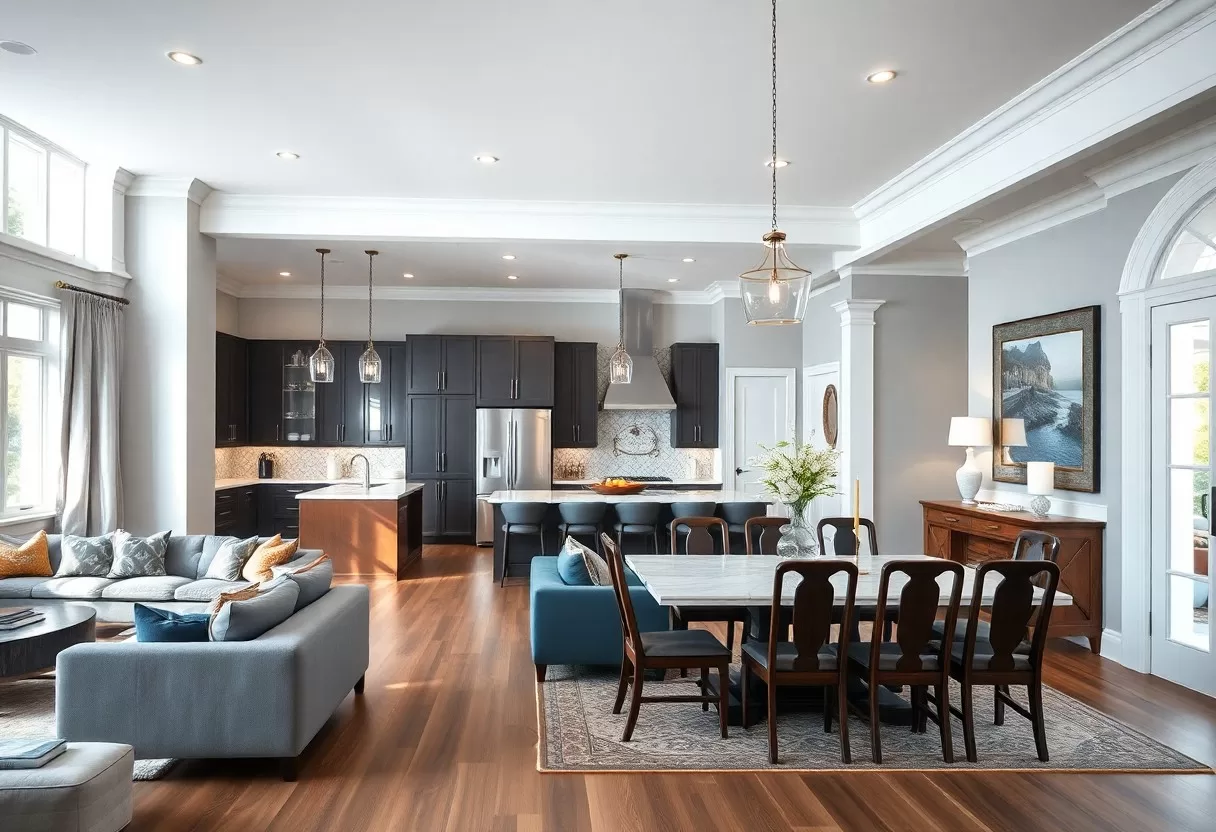
An open concept layout removes barriers between living spaces, creating a seamless flow from one area to another. This approach enhances the perception of space and promotes interaction among those in the home.
- Elimination of walls between rooms
- Integrated spaces for living, dining, and cooking
- Increased natural light through larger openings
- Flexibility in furniture arrangement
- Enhanced social interactions
Knowing these features allows you to better assess whether this layout aligns with your lifestyle.
Benefits of Open Concept Living
Open concept living offers numerous advantages that cater to modern family dynamics and lifestyle choices. You’ll appreciate the way it fosters a sense of togetherness, allowing family members to engage with one another in a more unified space.
This layout not only enhances social interactions but also maximizes natural light, making your home feel brighter and more inviting. With fewer walls, it allows for flexibility in decorating and furnishing, which can lead to increased functionality. Open concepts can also contribute to better airflow and circulation throughout your home. As an added benefit, homes with an open layout are often more appealing to buyers, potentially increasing resale value. The collaborative nature of open spaces suits gatherings and daily life, creating a warm atmosphere that many find desirable.
Exploring Traditional Layout
Traditional layouts embody a classic approach to home design, featuring separate, distinct rooms for various functions. This style offers a more defined structure, giving each space a specific purpose, which appeals to those who value privacy and separation in their living areas.
Definition and Key Features
Traditional floor plans consist of well-defined rooms that create a cohesive flow throughout the home. The emphasis on compartmentalized spaces offers a sense of order and organization, making it easy to navigate your daily life.
- Separate living, dining, and kitchen areas
- Defined entryways and hallways
- Increased privacy for each room
- Enhanced sound insulation between spaces
- Formal, structured layout that reflects traditional design aesthetics
After experiencing the functionality of these features, you may find that traditional layouts align perfectly with your lifestyle.
Advantages of Traditional Floor Plans
Traditional floor plans offer numerous advantages, particularly for families and those who prioritize privacy and organization. By having distinct rooms, you can engage in various activities without disturbing other household members. This layout also lends itself to varied design styles, accommodating both modern and classic tastes while providing the ability to personalize each space individually.
Additionally, separate rooms facilitate easier management of noise levels and encourage a structured environment, which can be particularly beneficial for families with children or those who pursue hobbies that require concentration. The clear boundaries between spaces allow you to create a cozy, intimate setting ideal for family gatherings or entertaining guests in designated areas. Practicality blends with comfort, making traditional layouts a timeless choice for many homeowners.
Comparing Space and Functionality
| Open Concept | Traditional Layout |
|---|---|
| Enhances social interactions | Provides defined areas for activities |
| Can feel spacious and airy | Offers privacy and quiet spaces |
| Flexibility in furniture arrangement | More structured design with clear purpose |
| Can be noisy due to lack of barriers | Sound-dampening walls enhance focus |
Impact on Daily Life
Your daily routine can significantly differ based on the layout you choose. Open concept spaces facilitate multitasking and socializing, ideal for families and entertaining. Conversely, traditional layouts provide designated areas for work, relaxation, and dining, promoting a sense of order and focus in your activities.
Ideal Uses for Each Layout
Open concept designs are best suited for modern lifestyles where interaction and flow between spaces matter. They thrive in homes where entertaining is common, while traditional layouts cater to individuals who value compartmentalized areas for distinct activities, enhancing privacy and reducing distractions.
In an open concept home, you can seamlessly transition from cooking in the kitchen to mingling in the living room, perfect for gatherings. This layout encourages community engagement, making it ideal for families or hosts. On the other hand, traditional layouts work best for those who concentrate better in separate rooms, such as home offices or quiet reading nooks. These designs help establish personal zones that can aid in enhancing productivity and relaxation, ultimately fitting varied lifestyle needs.
Design Flexibility and Personalization
Deciding between open concept and traditional layouts often comes down to how much design flexibility and personalization you desire in your living space. Open floor plans allow you to reconfigure areas as needed, accommodating your lifestyle changes, while traditional layouts generally offer pre-defined spaces that can limit creative expression. Each option provides unique pathways to tailor your home, reflecting your individuality and preferences.
Customization Options in Open Concepts
With open concept designs, you can easily modify aspects such as furniture arrangement, color schemes, and decorative elements without being bound by structural limitations. For instance, you might integrate multiple living zones through the use of rugs or lighting, allowing for effortless transitions between spaces. This adaptability invites you to personalize the environment continually, fostering a dynamic atmosphere that grows with your needs.
Traditional Layouts and Design Constraints
Traditional layouts often present limitations due to their more segmented spaces, making it challenging to alter the room’s overall flow. You may find that specific walls, doorways, and fixed features restrict your ability to experiment with designs or rearrangements. This can create a sense of confinement, where every change feels preordained rather than personalized.
Traditional layouts typically have designated areas for living, dining, and cooking, which results in limited options for customization. The separation of spaces can hinder your ability to create a cohesive aesthetic throughout your home. For example, if a dining room is enclosed, it may require entirely different decor compared to an open kitchen. As a result, achieving a seamless design that reflects your personality can feel more challenging in traditional floor plans, as the potential for synergy between spaces is often restricted by structural elements.
Lifestyle Considerations
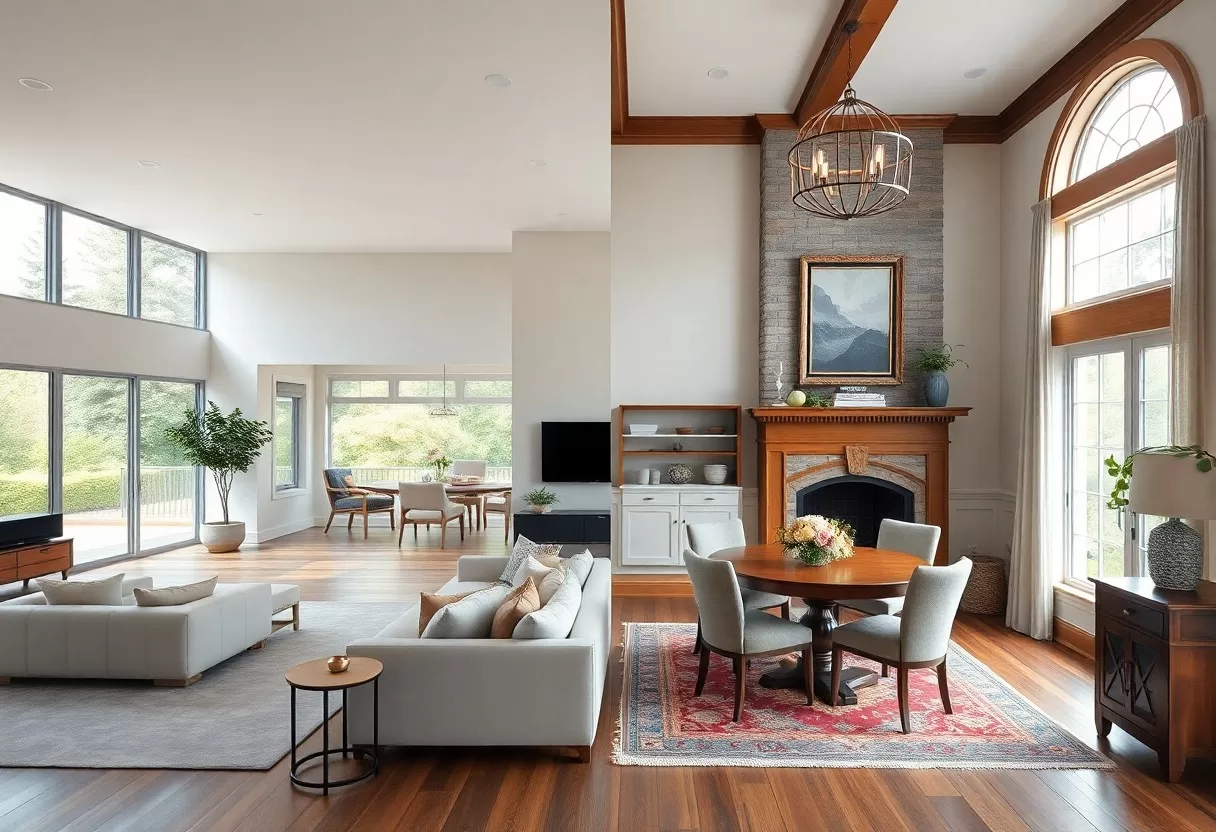
Your lifestyle preferences play a significant role in determining whether an open concept or traditional layout fits your needs. Factors like family dynamics, entertaining habits, and daily routines influence how space affects your living experience. Consider exploring The Great Debate: Open Concept vs. Traditional Floor Plans for deeper insights into how each layout aligns with various lifestyles.
Entertaining and Socialization
An open concept layout can significantly enhance your entertaining experience. With unobstructed views and easy flow between spaces, guests feel more connected, whether in the kitchen or living area. This seamless interaction encourages conversation and mingling, turning gatherings into memorable events.
Combining dining, living, and kitchen areas allows for effortless movement and engagement among guests, creating an inviting atmosphere. You can easily serve food while conversing with friends in the adjacent living room. This layout is particularly beneficial for large gatherings where interaction is key, allowing for a naturally dynamic hosting experience. In contrast, traditional spaces can create barriers, making it harder for guests to connect across rooms. Thus, if entertaining is a priority for you, an open concept might suit your social lifestyle better.
Cost Implications
The choice between open concept and traditional layouts significantly influences your overall budget. Open concept designs often require higher initial investment due to structural changes and the need for high-quality finishes to create an inviting space. In contrast, traditional layouts may allow for more straightforward construction, potentially reducing costs, but they can incur additional expenses related to walls and separations.
Budgeting for Open Concept vs. Traditional
Your budget should factor in not only construction costs but also ongoing expenses. Open concept spaces can lead to higher heating and cooling bills due to larger areas being heated or cooled simultaneously. Traditional layouts may provide better energy efficiency, saving you money long-term, particularly in older homes with established heating systems.
Resale Value and Market Trends
Current market trends indicate that open concept designs are preferred in densely populated urban areas, often leading to quicker sales and higher offers. Homes featuring these layouts can fetch prices that are 5-10% higher than their traditional counterparts in similar neighborhoods. However, understanding your specific market dynamics is critical; in family-oriented suburbs, traditional designs might see consistent demand, ensuring stability in resale value. Analyzing recent sales in your area will provide insight into which layout is more favorable for future appreciation and marketability.
To wrap up
With this in mind, choosing between an open concept and a traditional layout ultimately depends on your lifestyle and preferences. If you value spaciousness and flexibility with a focus on social interactions, an open concept might fit your needs best. Conversely, if you prioritize privacy and defined spaces for specific activities, a traditional layout may serve you better. Assess your habits, family dynamics, and how you envision using your space to determine the floor plan that aligns with your ideal living environment.
FAQ
Q: What are the main differences between open concept and traditional layout floor plans?
A: Open concept floor plans emphasize large, interconnected spaces with minimal walls, fostering a sense of openness and flow. Traditional layouts typically feature more defined, separate rooms, allowing for privacy and distinct functions for each area.
Q: What are the advantages of choosing an open concept layout?
A: The advantages of an open concept layout include increased natural light, better social interaction among family and guests, and a more spacious feel. It often enhances the potential for entertaining and allows for flexibility in furniture arrangement.
Q: Who might prefer a traditional layout over an open concept design?
A: Individuals who value privacy, defined spaces for different activities, and a quieter environment may prefer a traditional layout. This design suits families with varying daily routines and those who want dedicated areas for activities like cooking, working, or relaxing.