
Open Shelving in Kitchens – A Trend Worth Considering
With the rise of modern kitchen design, open shelving has emerged as a popular trend that many homeowners are eager to explore. If you’re looking to enhance your kitchen’s aesthetic while maximizing space, this approach might just be for you. However, it’s important to strike a balance between style and functionality; exposed shelves can require more frequent cleaning and careful organization. By understanding the benefits and potential pitfalls of open shelving, you can make a well-informed decision that not only elevates your kitchen’s look but also fits your lifestyle.
Key Takeaways:
- Open shelving enhances kitchen aesthetics by providing an opportunity to display decorative dishware and accessories, creating a personalized atmosphere.
- This design choice promotes accessibility, making it easier to grab frequently used items without rummaging through cabinets.
- Open shelves can make kitchens appear larger and more spacious, especially in smaller areas, by eliminating bulky cabinet fronts.
- They require regular maintenance and organization to maintain their visual appeal, encouraging a tidy and curated kitchen space.
- Combining open shelving with closed cabinets can provide a balanced approach, offering storage options while still showcasing favorite items.
The Allure of Open Shelving: Aesthetic Appeal
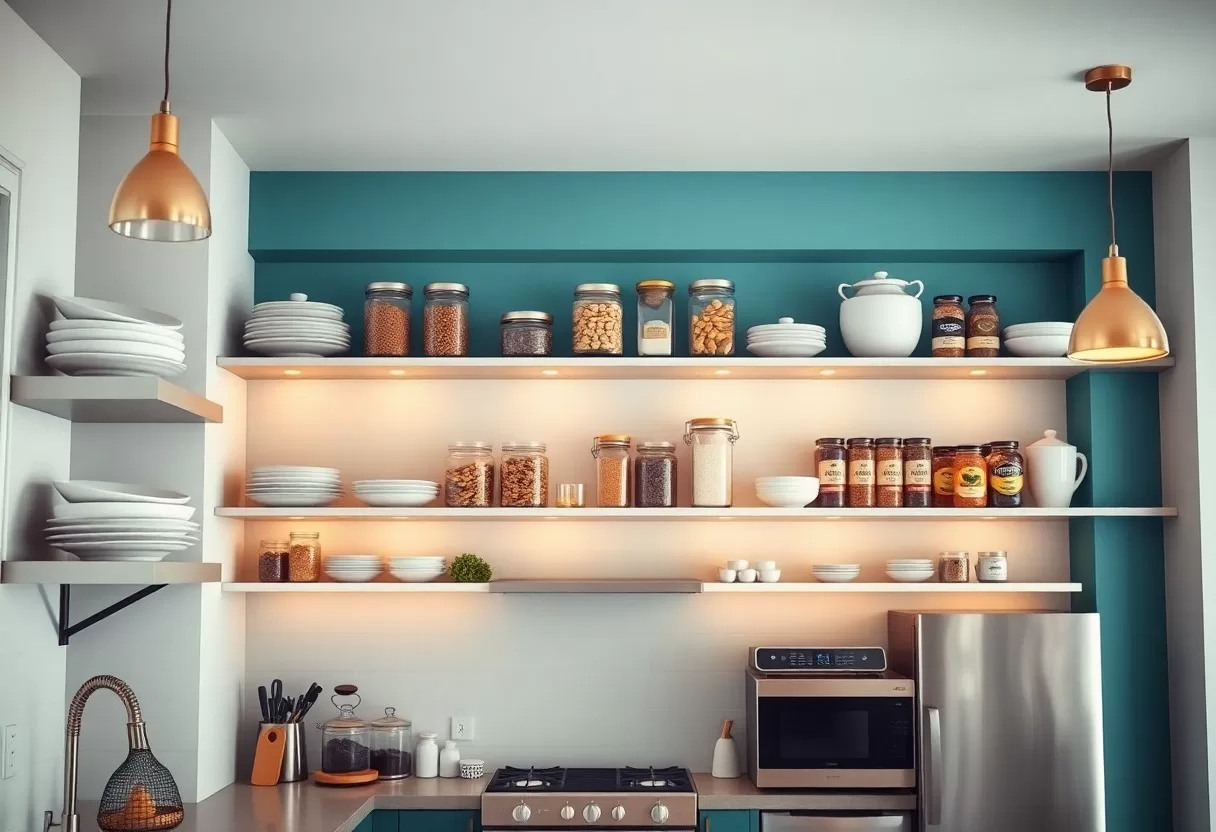
Open shelving captivates with its aesthetic charm, transforming your kitchen into a stunning visual experience. Rather than concealing your stylish dishes and glassware behind closed doors, this trend invites you to curate and showcase your favorite items. A well-organized shelf lined with vibrant plates, artisanal mugs, and glass jars can reflect your personality and elevate your kitchen’s overall ambiance. It turns functional storage into a striking visual display that adds character and warmth to the space.
Emphasizing Style and Design
Curating an open shelving display allows you to emphasize your unique style and design preferences. From rustic wood to sleek metal, the materials you choose can play a vital role in expressing the overall aesthetic of your kitchen. Arranging items by color, shape, or texture adds visual interest, making the shelves not just practical but also a focal point that showcases your taste.
Balancing Functionality with Visuals
Achieving an attractive open shelving arrangement means finding a balance between functionality and visual appeal. While displaying beautiful dishware is important, consider how your shelves can still serve everyday cooking needs. Items you frequently use should be easily accessible, minimizing inconvenience and clutter.
Striking this balance involves smart planning, where you can incorporate daily crucials alongside decorative elements. Consider placing heavier, commonly-used items at eye level while reserving the top shelves for less-used, decorative pieces. Mixing in some closed storage or incorporating unique containers to hold smaller items can maintain organization while allowing the beauty of open shelving to shine through. This thoughtful approach ensures that your kitchen remains both stylish and functional, enhancing your cooking experience without sacrificing aesthetics.
Unpacking the Practical Benefits of Open Shelving
Beyond aesthetic appeal, open shelving brings a variety of practical benefits to your kitchen, enhancing both functionality and sustainability. By making thoughtful design choices, you can cultivate an environment that promotes convenience, accessibility, and a deeper connection to your kitchen inventory.
Accessibility and Organization
Every item within your reach fosters a sense of organization and streamlines your cooking process. Open shelving allows you to easily view and grab your most-used dishes, pots, and ingredients at a glance, significantly reducing time spent rummaging. This visibility not only enhances efficiency but can also inspire creativity as you rediscover forgotten kitchen crucials.
Encouraging Mindful Consumption
Open shelving encourages you to be more mindful about what you keep on display and what you truly utilize. By showcasing only the crucials or beloved items, you become more intentional with your purchases, ultimately reducing waste and clutter.
As your shelves fill with items you genuinely appreciate, you may find yourself more inclined to use them regularly, minimizing the impulse to buy unnecessary kitchen gadgets or duplicate items. This thoughtful approach to curation encourages you to evaluate what you own and promotes a lifestyle centered around quality over quantity—a positive change that can lead to a more enjoyable cooking experience and a well-organized kitchen.
The Downsides: Assessing Issues with Open Shelving
While open shelving in kitchens offers a modern aesthetic, it’s important to evaluate its potential drawbacks. One of the main concerns is the practical implications of keeping your kitchen organized and clean. The open nature of these shelves can lead to a less polished appearance if items aren’t kept consistently in order, potentially complicating daily life and even deterring you from enjoying your kitchen fully.
Maintenance and Cleaning Challenges
Frequent cleaning becomes necessary with open shelving, as dust and residue can accumulate quickly. Without the protection of cabinet doors, your dishes and glassware may require regular attention. Additionally, you may find yourself scrubbing shelves more often, especially if you frequently cook or bake, as spills and splatters are more visible.
Managing Dust and Exposure to Airborne Particles
Dust and other airborne particles are a constant challenge with open shelving, as you’ll likely notice more debris collecting on your displayed items than you would with traditional cabinetry. This can affect not only the visual appeal of your kitchen but also the hygiene of your dishes, especially those used for food. Regular dusting is necessary to maintain a clean and appealing look.
The presence of dust and airborne particles can lead to health concerns as well, especially if you or your family members have allergies or respiratory issues. Items stored on open shelves, particularly those used in food preparation or serving, may require washing more often in order to ensure they are free from contaminants. You may wish to evaluate how often you can realistically commit to cleaning and maintaining these shelves, as the potential for dust accumulation could translate to a less hygienic environment in the kitchen.
Innovations in Open Shelving Solutions
Innovations in open shelving solutions are making it easier for homeowners to embrace this stylish trend. From built-in shelves that blend seamlessly with cabinetry to floating designs that create a sense of airiness, these new designs are rising in popularity. Advanced materials and customization options allow you to tailor your shelves to fit not only your kitchen’s aesthetics but also your lifestyle needs. This versatility makes open shelving an appealing choice for many, proving that modern ingenuity can enhance both form and function in your space.
Materials and Durability Considerations
Your choice of materials significantly impacts the durability and maintenance of open shelving. Common materials include wood, metal, and glass. Engineered wood offers a budget-friendly option, while natural wood provides warmth but requires regular upkeep. For a sleek, industrial look, metal shelves are highly durable and perfect for showcasing decorative items. Glass shelving adds elegance but can be prone to damage, making it important to weigh your style preferences against practical considerations when selecting materials.
Trends in Adjustable and Modular Shelving
Adjustable and modular shelving is gaining traction as a flexible solution that caters to evolving needs. By incorporating components that can be easily rearranged or expanded, you can maximize your kitchen’s functionality while showcasing your favorite items. This approach not only promotes organization but also encourages creativity in your display. For instance, a set of modular shelves can adapt to various kitchen items, from cookbooks to plants, allowing for a dynamic and personal touch.
The rise of adjustable and modular shelving means you can create a customized layout that suits your cooking habits and gathering style. With options like tiered shelving and expandable units, you have the freedom to reconfigure your space based on changing tastes or even seasonal decor. Brands are now offering innovative kits that allow you to build or modify your shelving as needed, enhancing your ability to blend both functionality and design effortlessly. What was once a fixed feature in kitchens has transformed into a flexible tool for personal expression and organization.
How to Integrate Open Shelving into Your Kitchen
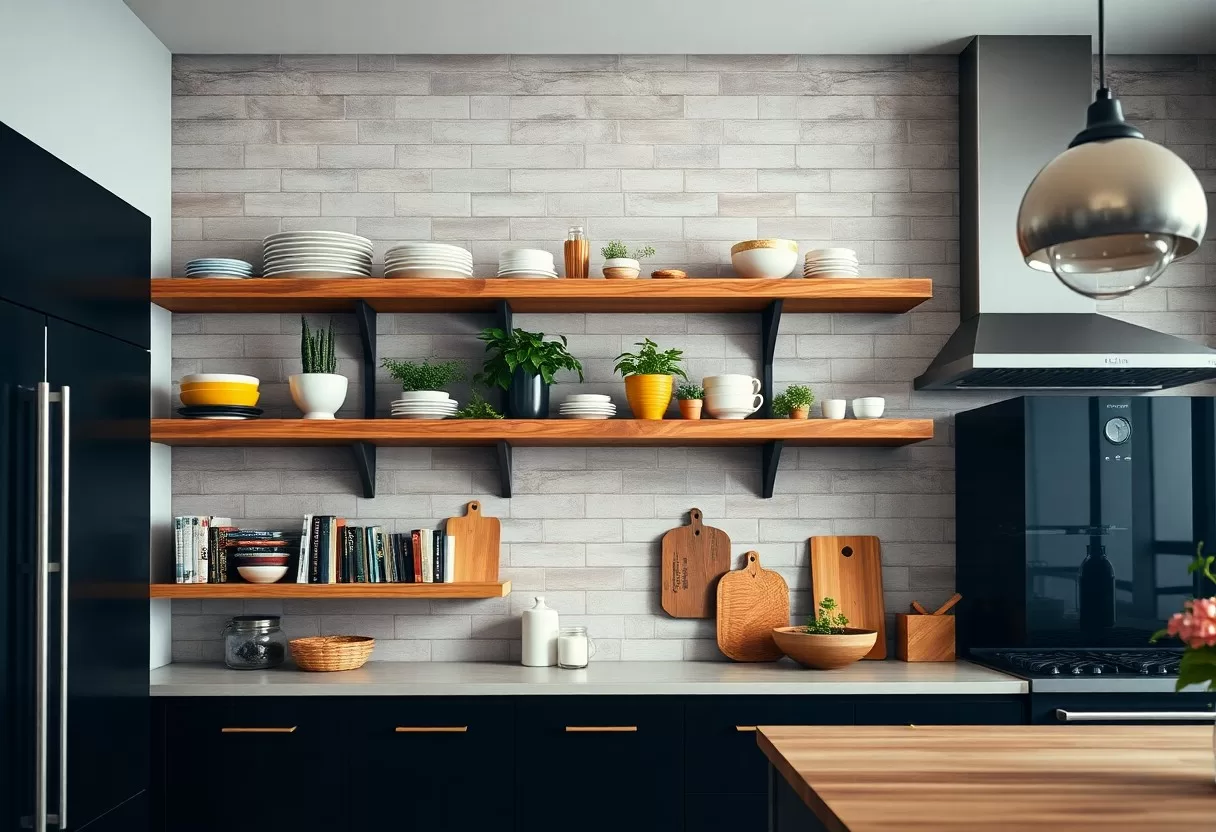
Open shelving can enhance the functionality and aesthetic of your kitchen when integrated thoughtfully. Begin by assessing your space to determine the best locations for shelves, ensuring they complement your countertops and cabinetry. Utilize a mix of shelving heights and widths that align with your cooking habits and display preferences to create a balanced look.
Strategic Placement and Design Tips
Your shelving design should prioritize easy access while maintaining visual harmony. Consider placing shelves above workstations or near the stove for practical usage. Aim for a balance of open shelves with closed cabinetry to minimize clutter.
- Mix materials like wood and metal for texture.
- Plan spacing to accommodate larger items.
- Personalize with decorative pieces.
Assume that careful placement will enhance both functionality and overall kitchen appeal.
Curating Your Display: What to Keep Out and What to Hide
Deciding what to display on your open shelves is key to achieving a curated look. Opt for visually appealing items like colorful dishware, plants, or your favorite cookbooks. In contrast, hide away anything that appears chaotic, such as mismatched containers or frequently used gadgets that don’t add to the aesthetic.
A well-curated display can transform your open shelves from a cluttered surface into a center of attention. Choose a selection of functional items like chic dishware and decorative jars that fit your style. Reserve less aesthetically pleasing items, such as the bulk of spices or appliances, for closed cabinets, ensuring they are easily accessible but not visually disruptive. Adopting a minimalist approach can draw eyes to your favorite pieces while making your kitchen feel open and inviting.
Conclusion
Presently, open shelving in kitchens is a trend worth considering for enhancing both aesthetics and functionality. By allowing you to showcase your favorite cookware and dishes, it creates an inviting and personalized space. Additionally, it encourages organization by providing easy access to your kitchen crucials, promoting a clutter-free environment. If you’re looking to refresh your kitchen style, open shelving can be a practical yet stylish solution that embodies your personality and improves your daily cooking experience.
FAQ
Q: What are the benefits of open shelving in kitchens?
A: Open shelving offers several advantages, including easier access to frequently used items, enhanced visibility to find what you need quickly, and an opportunity to display decorative items or dishware, which can add personality and warmth to your kitchen. Additionally, open shelves can create the illusion of a larger space by drawing the eye upward and showcasing vertical storage.
Q: Are there specific styles of open shelving that work best in kitchens?
A: Yes, various styles of open shelving can enhance the aesthetic of your kitchen. Floating shelves are popular for their minimalist look and are especially effective in contemporary or modern designs. Rustic wooden shelves can add warmth to farmhouse-style kitchens, while sleek metal racks might suit industrial-themed spaces. It’s crucial to choose a style that complements your kitchen decor for a cohesive look.
Q: How do I maintain open shelving compared to traditional cabinets?
A: Maintaining open shelving requires more regular cleaning, as items are exposed to dust and potential grease splatter. To keep your shelves looking their best, consider using containers and baskets to organize smaller items and limit clutter. Also, routinely inspect your items, ensuring they are clean and placed in an orderly fashion. While it may require more upkeep, the visual appeal can make the effort worthwhile.
Q: Are there any downsides to using open shelving in kitchens?
A: While open shelving has many benefits, there are some drawbacks to consider. Items can accumulate dust and grease more readily, which means more frequent cleaning. Additionally, open shelves don’t offer the same level of concealment for less attractive items, and this can lead to a cluttered appearance if not managed properly. If your kitchen is prone to disorganization, open shelving may not be the best choice for you.
Q: What types of items should be displayed on open shelves?
A: You can display a variety of items on open shelves, but it’s best to choose those that are visually appealing and practical. Consider showcasing beautiful dishware, plants, cookbooks, or decorative items like jars and canisters. Additionally, frequently used items such as spices or baking supplies can be kept handy without compromising the aesthetic. Mixing functional and decorative pieces will create a well-balanced look on your open shelves.