
Off-Grid Living 101 – Designing Self-Sufficient Homes that Thrive Without Utilities
There’s a growing movement towards off-grid living, where you can design self-sufficient homes that operate independently of traditional utilities. This lifestyle not only fosters sustainability but also enhances your self-reliance and resilience against potential disruptions. By prioritizing necessary systems for energy, water, and waste management, you can create a comfortable living space that thrives in harmony with nature. Embrace the positive aspects of off-grid living and discover how you can transform your home into a sanctuary of independence and environmental stewardship.
Key Takeaways:
- Design for energy efficiency through passive solar techniques and high-quality insulation.
- Incorporate renewable energy sources, such as solar panels and wind turbines, to achieve independence from traditional utilities.
- Create sustainable water management systems, including rainwater harvesting and greywater recycling, to ensure a consistent water supply.
Understanding Off-Grid Living
Embracing off-grid living means adopting a lifestyle that prioritizes self-sufficiency, often by relying on renewable resources for energy, water, and food. This way of life fosters a deeper connection with nature and encourages sustainable practices, allowing you to live more harmoniously with your surroundings while reducing your environmental footprint.
Definition and Benefits
Off-grid living refers to a lifestyle choice where individuals or families operate independently from public utilities. The benefits include reduced monthly expenses, increased energy independence, and a lower ecological impact. By utilizing renewable energy sources, such as solar or wind power, you can create a comfortable home while generating clean energy that meets your needs.
Common Misconceptions
Many misconceptions about off-grid living can deter potential enthusiasts. Some believe it requires extreme sacrifices or that it’s only for those with extensive survival skills. In reality, modern off-grid systems can be both sophisticated and comfortable, featuring advanced technology that simplifies self-sufficiency.
For instance, the stereotype that off-grid living is synonymous with hardship is misleading. Today’s off-grid homes often have solar panels, high-efficiency appliances, and even internet access. You might envision a rural cabin with limited amenities, yet many off-grid designs incorporate the latest innovations, blending comfort with sustainability. With the right planning, you can enjoy the advantages of off-grid living without giving up on modern conveniences, making it a viable option for anyone willing to make this significant lifestyle change.
Key Components of Self-Sufficient Homes
Your self-sufficient home hinges on key components that work in harmony to promote independence from utility services. Solid designs optimize solar, wind, and hydro energy sources, supported by efficient water collection systems and sustainable waste management practices. With thoughtful planning, each aspect contributes to a seamless, resilient lifestyle capable of thriving in diverse environments.
Energy Sources
Adopting renewable energy sources is vital for your off-grid home. Solar panels are a popular choice, offering an average output of 300 watts per panel, while wind turbines can generate power even on less sunny days. Integrating both systems can ensure you have a dependable energy supply, allowing you to power important appliances and maintain comfort throughout the year.
Water Systems
Effective water systems are fundamental for off-grid living, providing a sustainable source for drinking, cooking, and sanitation. Rainwater harvesting is a popular method, capturing precipitation from your roof and funneling it into storage tanks. Additionally, you can consider using wells or natural springs, ensuring treatment systems are in place for purification.
When installing your water system, aim for a collection system that captures up to 600 gallons per inch of rainfall per 1,000 square feet of roof space annually. This can significantly reduce your dependence on external water sources. You’ll need to incorporate filtration and purification techniques to guarantee safe drinking water; systems like UV purifiers can effectively eliminate pathogens, ensuring your health and safety. Investing in a reliable water storage solution, such as a cistern, allows you to maintain a steady supply when rainfall is scarce.
Designing an Off-Grid Home
Creating your off-grid paradise requires thoughtful design, focusing on efficiency and sustainability. Carefully consider layout, orientation, and integration of renewable technologies to maximize natural resources like sunlight and wind. Your home’s design should seamlessly blend with the environment while meeting your unique lifestyle needs, ensuring comfort and functionality in an energy-independent space.
Site Selection and Planning
Choosing the right site is fundamental to your off-grid success. Look for areas with access to sunlight, wind, and water, avoiding flood zones or areas prone to natural disasters. You’ll want to assess local regulations and soil quality to ensure that your plans align with both nature and legal requirements. Effective planning can significantly enhance your home’s sustainability and resilience.
Sustainable Building Materials
Your choice of building materials will impact not only environmental sustainability but also your home’s overall efficiency. Opt for locally sourced, renewable materials like reclaimed wood, bamboo, or straw bales to reduce your carbon footprint. These alternatives offer excellent insulation and durability while minimizing energy costs throughout your home’s lifespan.
Exploring sustainable building materials opens a world of possibilities. Use recycled steel for structural supports, renowned for its strength and longevity, or incorporate rammed earth techniques for thermal mass and energy efficiency. Consider hempcrete, a lightweight, natural insulator with a lower environmental impact than traditional concrete. By prioritizing these materials, you contribute to a healthier environment and create a home that thrives without reliance on conventional resources.
Off-Grid Energy Solutions
Creating a self-sufficient home requires a strategic approach to energy generation. You can harness natural resources to create a sustainable energy system that meets your needs without relying on traditional utilities. Off-grid energy solutions, including solar, wind, and hydropower options, enable you to produce your own electricity, reduce your carbon footprint, and achieve energy independence.
Solar Power Systems
Solar power systems are among the most popular choices for off-grid living. By installing solar panels and a battery storage system, you can capture energy from the sun and use it to power your home. Typically, residential setups require between 5 to 10 kilowatts of solar capacity, depending on your energy usage, and can significantly reduce or eliminate electricity bills.
Wind and Hydropower Options
Wind and hydropower options can complement your energy system, especially if you live in areas with consistent wind or nearby water sources. Wind turbines can generate power even in low-wind conditions, while micro-hydro systems can provide a continuous energy supply from flowing water.
Wind turbines can start generating energy with winds as gentle as 6 mph and produce between 400 watts to several kilowatts depending on the turbine size and wind conditions. Similarly, developers often install hydropower systems in streams or rivers that flow year-round, potentially yielding 1 to 10 kW of power. With energy storage capabilities integrated into both systems, you can ensure a consistent power supply, making your off-grid lifestyle more robust and reliable.
Water Harvesting and Management
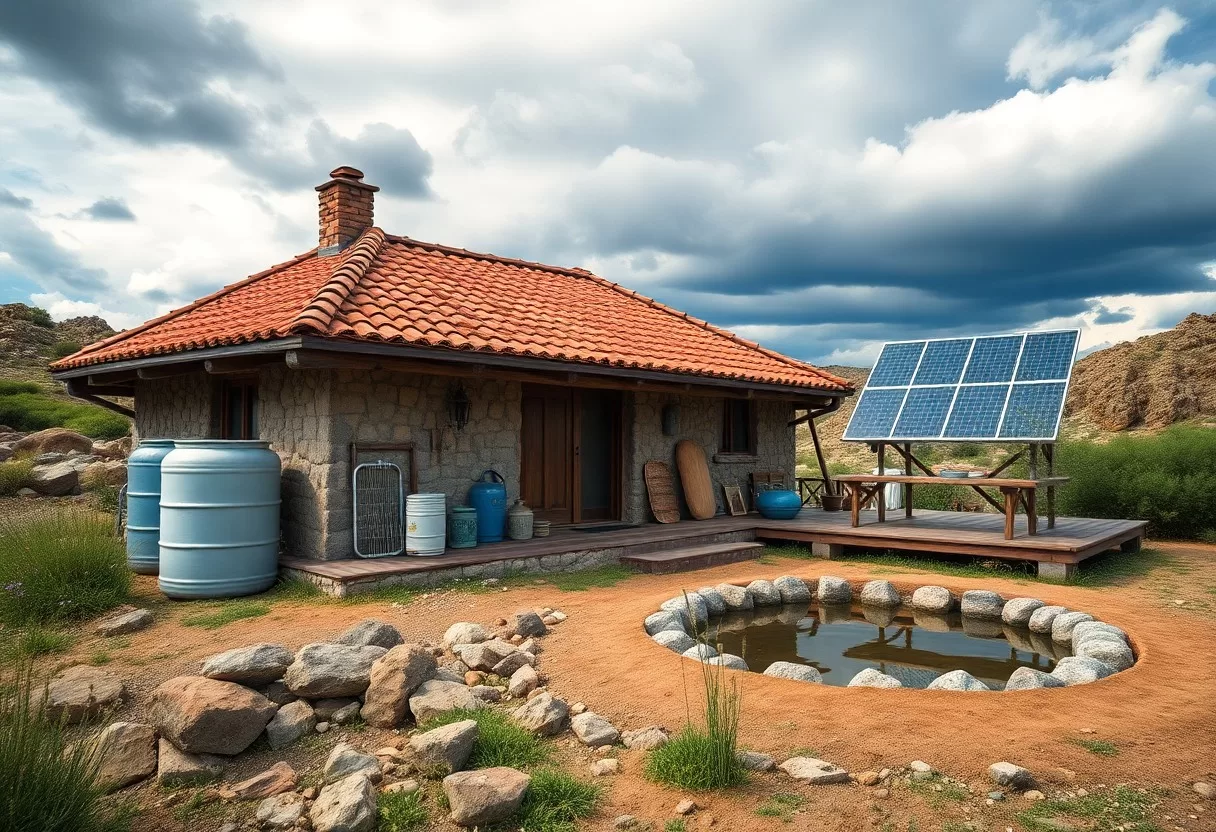
Effective water harvesting and management are vital components of off-grid living, enabling you to rely less on municipal systems. Capturing rainwater and practicing intelligent greywater recycling can lead to significant sustainability and cost-saving benefits. For more insights, explore Off-Grid Living 101: Ultimate Guide to Sustainable ….
Rainwater Collection
Implementing a rainwater collection system allows you to gather and store precipitation efficiently. Systems can vary from simple barrels to complex catchment setups, potentially harvesting thousands of gallons yearly. Regular maintenance and filtration ensure clean water, making this a practical solution for domestic needs.
Greywater Recycling
Greywater recycling turns your household wastewater into a resource. By redirecting water from sinks, showers, and laundry, you can repurpose it for irrigation or toilet flushing. This practice not only conserves freshwater but also reduces wastewater disposal challenges.
To maximize greywater recycling, you should assess your home’s plumbing layout and install appropriate systems that filter and treat wastewater. Utilizing biodegradable soaps and maintaining the plumbing can enhance the safety and functionality of greywater systems. On average, a family can save around 40 gallons of water daily through effective greywater practices, significantly reducing both utility costs and environmental impact.
Food Production in Off-Grid Living
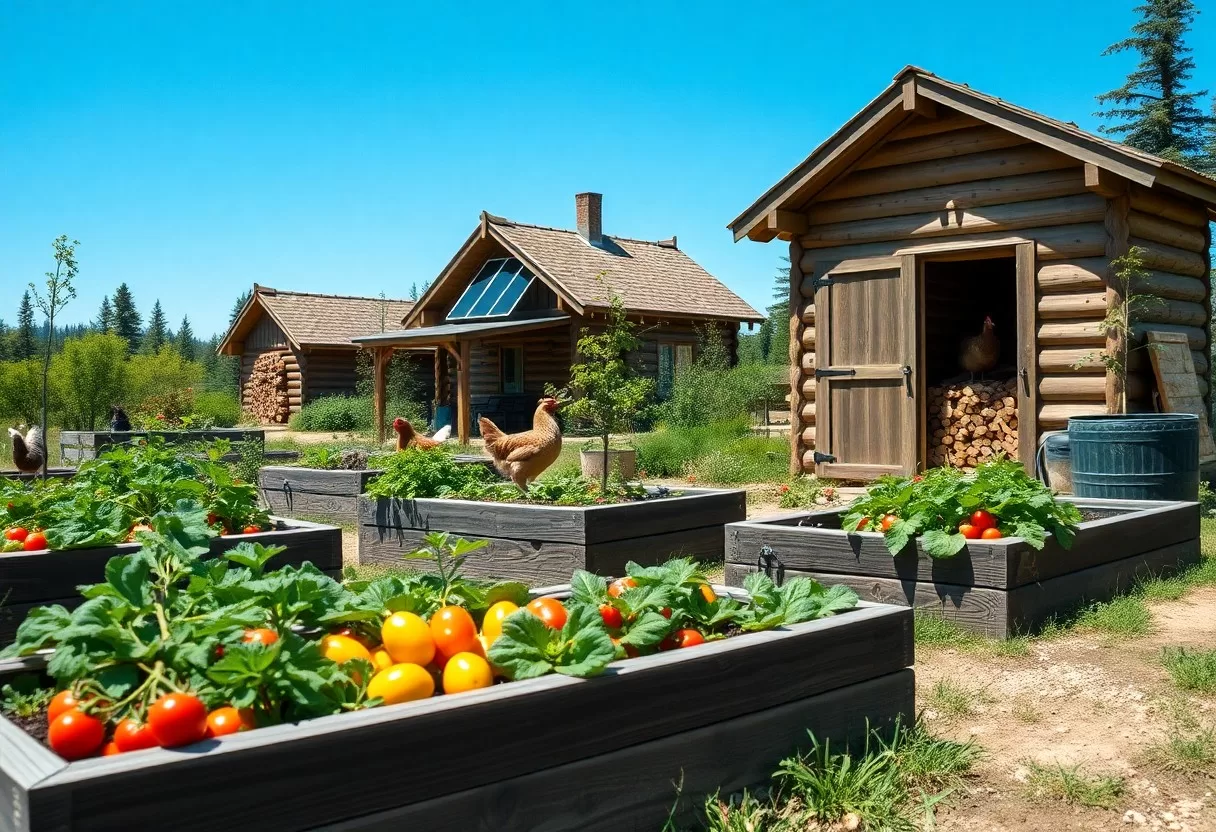
Integrating food production into your off-grid lifestyle is necessary for true self-sufficiency. By cultivating your own fruits and vegetables, you reduce dependency on external food sources, ensuring fresher and healthier options for your family. Explore resources like Off-Grid Living 101: Ultimate Guide to Sustainable … to find practical advice and methods to optimize your food production efforts.
Vegetable Gardens and Permaculture
Establishing a vegetable garden using permaculture principles enhances soil health and promotes biodiversity in your garden. Utilize companion planting, which involves planting certain crops together to deter pests and maximize growth. This sustainable approach allows you to produce a diverse range of vegetables while maintaining a balance within your ecosystem, making gardening easier and more productive.
Livestock and Animal Husbandry
Incorporating livestock into your off-grid lifestyle can greatly enhance your food security. Consider raising chickens for eggs, goats for milk, or bees for honey. Each animal contributes to your homestead’s sustainability through natural waste fertilization, pest control, and the provision of nutritious food. This symbiotic relationship between you and your animals bolsters self-reliance.
Managing livestock effectively requires knowledge of their specific needs, behaviors, and health. For instance, chickens are relatively low-maintenance and can be kept in small spaces, producing an average of 250-300 eggs per year per hen. Goats, on the other hand, need adequate space for grazing and can provide up to 2-3 gallons of milk daily, which can be transformed into cheese and other dairy products. Investing time into understanding and caring for your animals will yield substantial rewards, making your off-grid living experience more fulfilling and sustainable.
Conclusion
Summing up, embracing off-grid living allows you to design a self-sufficient home that thrives independently of utilities. By carefully considering factors like renewable energy, water sources, and sustainable materials, you can create a lifestyle that minimizes environmental impact while maximizing your autonomy. Your choices will empower you to cultivate a resilient and sustainable living environment tailored to your needs. Dive into this journey with enthusiasm, and unlock the potential of a self-reliant and fulfilling life away from traditional utility dependency.
FAQ
Q: What are the primary considerations when designing an off-grid home?
A: Key considerations include site selection for natural resources, energy sources (solar, wind, hydro), water access and purification methods, waste management systems, and building materials that enhance insulation and sustainability.
Q: How can I ensure a reliable energy supply for an off-grid home?
A: To ensure reliable energy, incorporate a mix of renewable energy sources such as solar panels and wind turbines, install energy storage systems like batteries, and optimize energy efficiency through smart appliance use and energy-saving designs.
Q: What are effective methods for food production in off-grid living?
A: Effective methods include establishing gardens using permaculture principles, utilizing greenhouse structures for year-round cultivation, and raising small livestock for meat, eggs, and milk, along with foraging and preserving techniques to maintain food supply.