
Night Gardens – How to Design Spaces That Glow After Dark
Over time, you can transform your outdoor area into a captivating nighttime retreat by using effective lighting techniques and plant choices. By selecting the right light fixtures and incorporating bioluminescent plants, you can create a magical ambiance that enhances your garden’s natural beauty after dark. This guide will equip you with necessary tips to design your night garden, ensuring it becomes a stunning display that invites relaxation and wonder.
Key Takeaways:
- Incorporate a variety of light sources, including ambient, task, and decorative lighting, to create depth and interest in nighttime gardens.
- Choose plant species that reflect light or possess unique colors and textures to enhance visual appeal after dark.
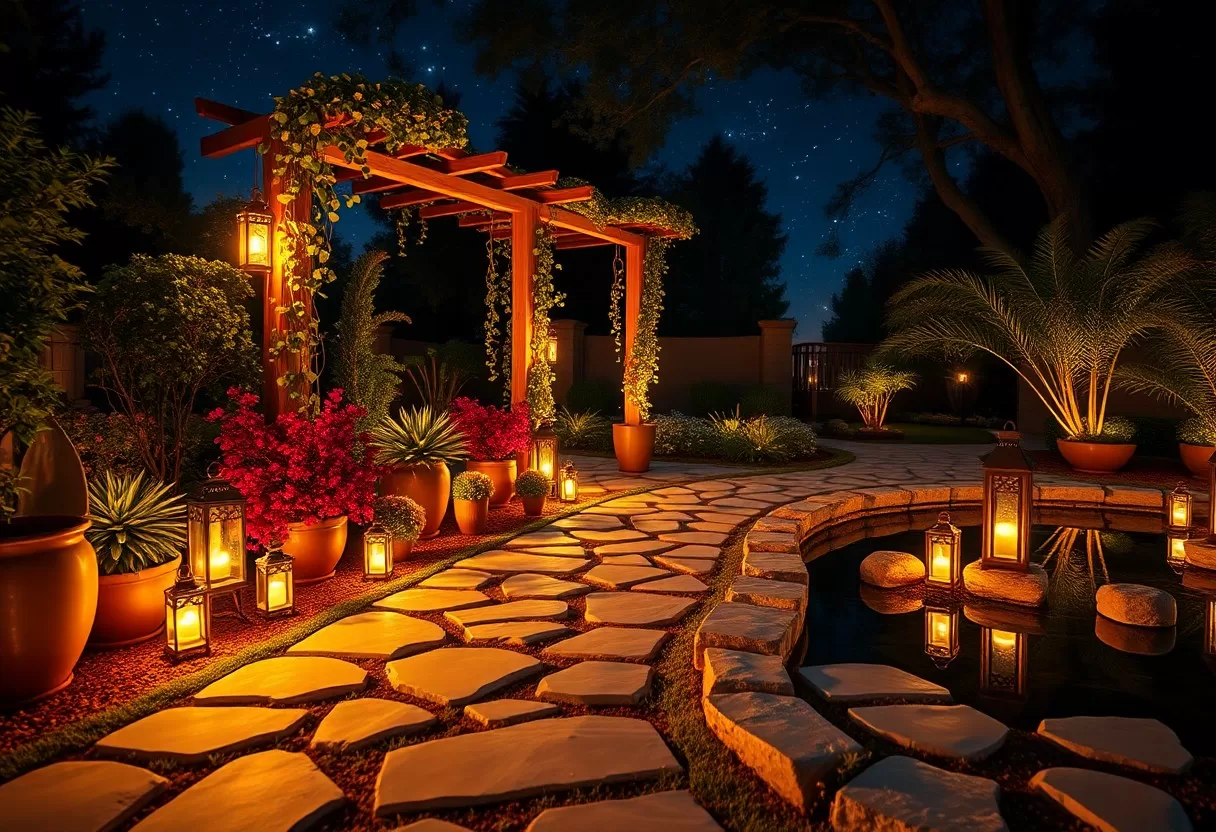
- Design pathways and gathering areas with strategic lighting to improve safety and guide movement through the space.
Illuminating the Ambiance: Choosing the Right Lighting Fixtures
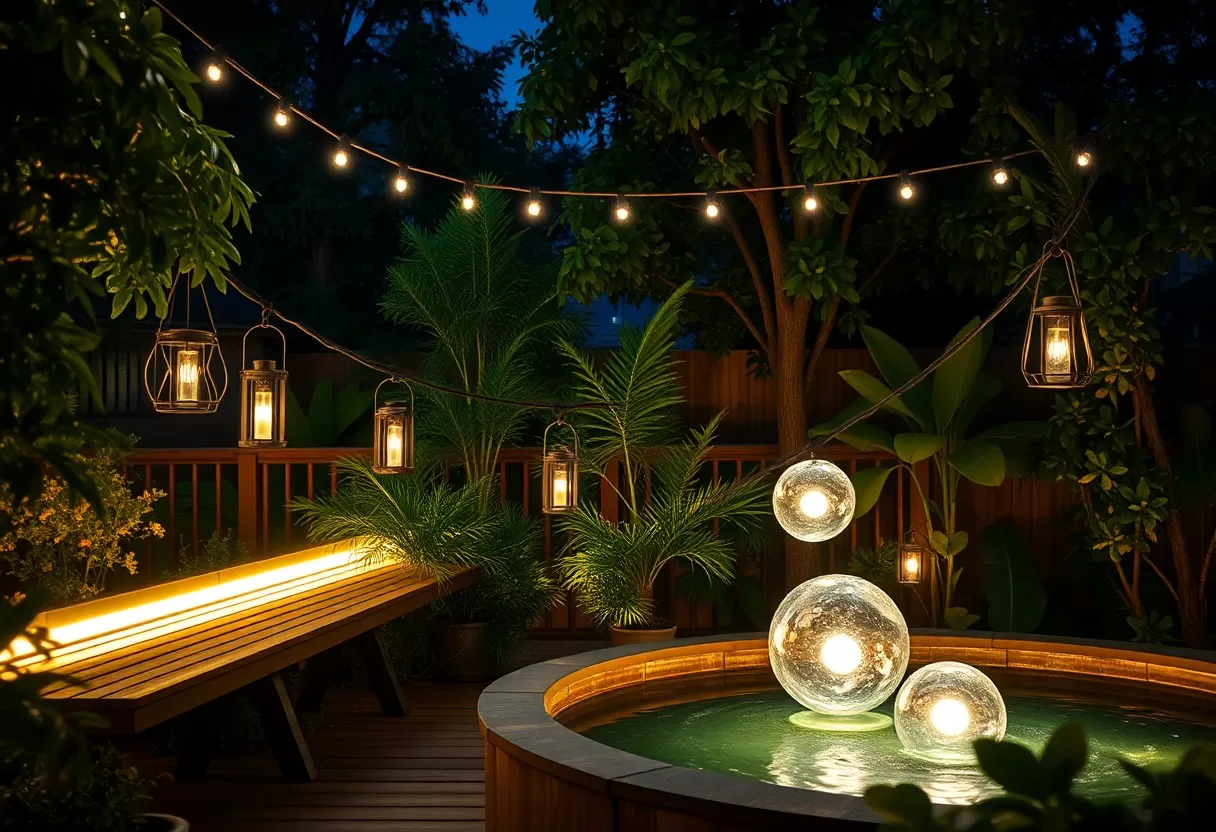
Selecting appropriate lighting fixtures in your night garden can significantly enhance the mood and usability of your space. Prioritize a blend of styles and functionalities, ensuring you illuminate key areas while creating inviting paths and focal points. Consider dimmable options for added flexibility, allowing you to adjust the brightness to suit various occasions and atmospheres.
Types of Lighting: Soft vs. Task vs. Accent
Your garden will thrive with a mix of soft, task, and accent lighting, each serving unique purposes. Soft lighting creates a warm atmosphere, making spaces feel cozy. Task lighting is necessary for functionality, illuminating workspaces such as potting areas or grills. Accent lighting highlights features like sculptures or plants, adding visual interest and drama to your landscape.
- Soft lighting enhances ambiance.
- Task lighting supports functionality.
- Accent lighting showcases garden features.
- Incorporate dimmers for control.
- Knowing the right balance of lighting types enriches your garden experience.
Integrating Solar and LED Solutions for Sustainability
Adopting solar and LED solutions not only supports environmental conservation but also slashes energy costs in your night garden. Solar lights harness sunlight during the day, converting it into energy for nighttime illumination, while LEDs consume significantly less energy than traditional bulbs, offering longevity and brightness. Together, they provide sustainable solutions that complement your garden’s beauty without unnecessary waste.
Integrating solar and LED solutions into your night garden design maximizes energy efficiency and sustainability. Solar lights require minimal maintenance and have become increasingly affordable, offering a range of designs to suit various aesthetics. On the other hand, LED fixtures, known for their durability and low energy consumption, remain a smart choice for long-term investment. By utilizing both, you can create an enchanting space that shines while promoting eco-friendliness, ensuring your garden remains vibrant for years to come.
Plant Selection for a Nighttime Oasis
Selecting the right plants is vital for creating a captivating nighttime oasis. Focus on varieties that not only thrive in lower light but also offer unique textures and fragrances. Consider how plants interact with artificial lighting and the moonlight, contributing to the overall mystique of your garden. Pay attention to seasonal interest to ensure your space remains enchanting throughout the year.
The Best Plants for Moonlight and Night Blooms
Opt for plants that bloom at night or have pale, reflective flowers, such as evening primrose, moonflower, and night-blooming jasmine. Their white or light-colored petals create a stunning contrast in the glow of moonlight, while aromatic varieties enhance sensory experiences after dark. Selecting these plants ensures your garden remains vibrant and inviting during the nighttime hours.
Foliage that Reflects Light: Enhancing Your Garden’s Glow
Incorporate foliage that can catch and reflect light to amplify the enchanting ambiance of your nighttime garden. Plants with silvery, variegated, or glossy leaves, such as lamb’s ear and silver sage, shine beautifully under low light, creating a luminescent effect. Strategically placing these plants near lighting fixtures boosts their reflective quality, enhancing the enchanting atmosphere you desire.
Foliage plays a critical role in the luminous quality of your garden. For example, hostas with their large, glossy leaves can act as natural reflectors, enhancing the moonlit glow. Choosing plants with varying leaf shapes and orientations adds layers of texture and depth to your garden design. By grouping these light-reflective plants together or positioning them near pathway lights, you can create captivating focal points that draw the eye and elevate your overall garden atmosphere.
Color Palette under the Stars: Designing with Night in Mind
Your choice of color palette plays a pivotal role in defining the ambiance of a night garden. Opting for deeper, richer tones like navy, plum, or emerald can evoke a sense of serenity and intimacy after dark. These colors absorb the night’s shadows while offering a striking contrast to soft, illuminated accents, creating a dynamic interplay that draws the eye. Incorporating reflective elements, such as metallic finishes or glossy textiles, can enhance this effect, allowing your space to shimmer under moonlight.
Choosing Colors for Evening-Vibrant Spaces
Selecting high-saturation colors like fiery reds or vibrant oranges can spark energy and excitement in your night garden. Pair these bold hues with cooler colors to create balance, inviting a sense of warmth and vibrancy. Consider plants that bloom with vibrant flowers and foliage that maintains color in low-light conditions, ensuring your space remains visually engaging even during the evening hours.
The Psychological Impact of Color Choice in Night Gardens
The colors in your night garden significantly influence your mood and overall experience. Warm tones can elicit feelings of coziness and safety, while cooler shades promote tranquility and relaxation. For instance, blue and green hues tend to calm the mind, making your outdoor space a perfect retreat for evening relaxation. Studies show that colors can affect emotional states, so choose those that resonate positively with you and align with the atmosphere you wish to create.
For instance, incorporating colors like soothing blues and greens may lower stress levels, inviting a sense of peace as you unwind in your night garden. Conversely, bright reds and oranges can create a stimulating environment, perhaps for gatherings with friends. Understanding these psychological impacts allows you to tailor your garden space to not only look beautiful but also to promote the specific moods you desire. Choosing colors that reflect personal connections or memories can deepen your relationship with the space, making it a beloved nighttime sanctuary.
Textures and Layers: Crafting Depth for After-Dark Interest
Creating a captivating night garden relies heavily on the textures and layers you introduce. By incorporating diverse materials and plant heights, you add visual intrigue, making the garden feel alive even after dark. Mixing smooth stones, rough bark, and varied foliage creates a sensory experience. Positioning plants at different elevations, along with engaging features such as sculptures or water elements, elevates the space, inviting exploration and wonder. This depth not only enriches the daytime appearance but also enhances the nocturnal atmosphere with shadows and highlights.
Incorporating Multi-Layered Plantings for Visual Intrigue
Utilizing multi-layered plantings captures attention effectively by creating a rich tapestry of textures and colors. Position taller plants like foxgloves or hollyhocks behind shorter varieties, such as sedums or creeping thyme, allowing each layer to accentuate the others. This arrangement promotes a sense of depth, ensuring that even the darkest hours reveal complex silhouettes. Additionally, selecting plants with varying foliage shapes, sizes, and colors adds dynamic interest, encouraging you to wander and discover different perspectives throughout the evening.
Using Hardscapes and Pathways to Enhance Nighttime Navigation
Effective hardscapes and thoughtfully designed pathways are important for ensuring that your night garden remains both beautiful and functional. Utilizing materials like textured pavers or smooth stones can create contrast and enhance safety by clearly demarcating walking areas. You might choose to integrate subtle lighting along the pathways to guide visitors, making nighttime strolls a pleasant experience. The integration of curves and turns in your pathways can further intrigue and lead guests through various garden spaces, promoting exploration.
Strategically placed hardscapes not only provide structure but also serve as focal points that glow in the dark. For example, illuminated stepping stones or a gently lit gravel path draw attention while offering a sense of safety during nighttime strolls. Incorporating materials like cobblestones or rustic bricks helps add character, while also enhancing the visual layers of your garden. Complementing these elements with narrow, winding paths encourages a sense of adventure as guests navigate through lush greenery and charming features, ensuring that your night garden remains a vibrant destination long after the sun goes down.
The Role of Sound and Scent in Night Gardens
Creating a night garden isn’t just about visual beauty; sound and scent play vital roles in enhancing the atmosphere. By incorporating elements that engage your senses after dark, you can transform your garden into an immersive experience. The right combination of auditory cues and fragrant blooms can invite tranquility, romance, and even attract nocturnal wildlife, making your garden a vibrant ecosystem that thrives under the moonlight.
Attracting Nocturnal Pollinators with Soundscapes
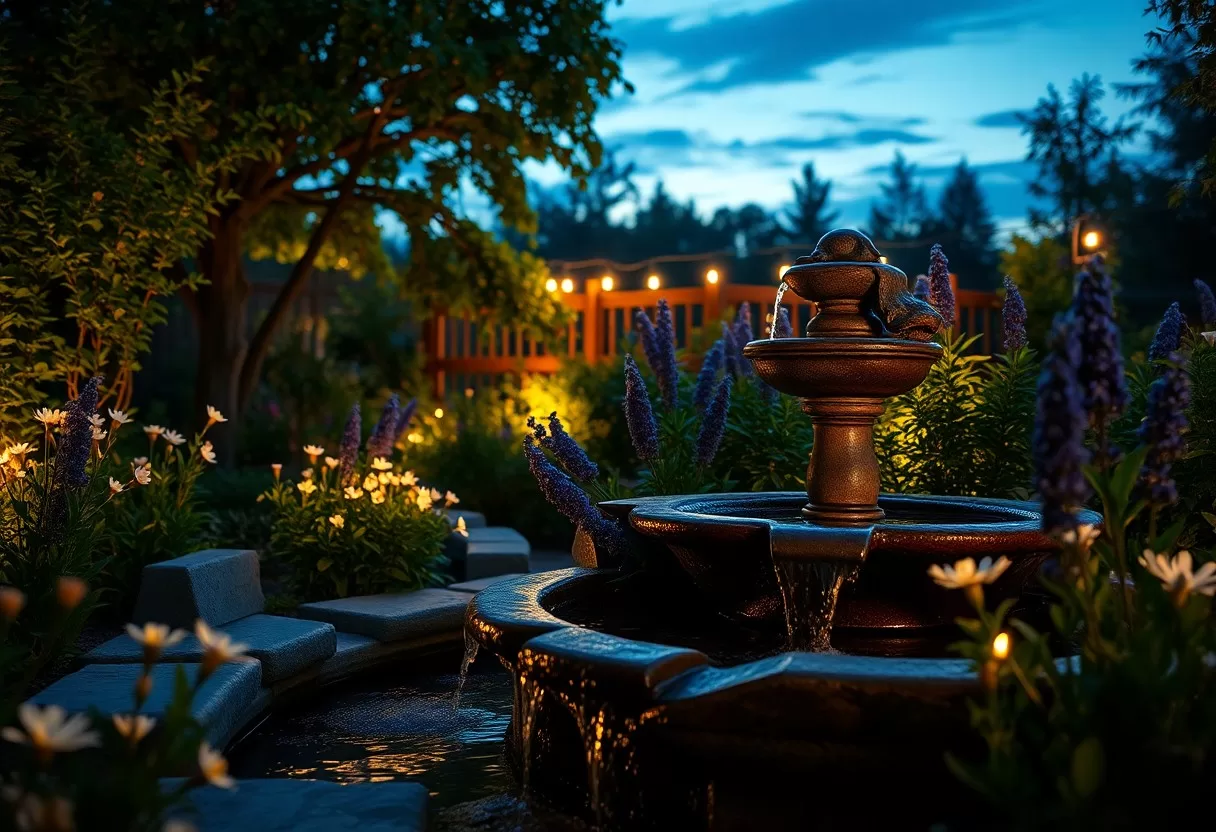
Integrating sound into your night garden can encourage nocturnal pollinators like moths and bats to visit. Consider adding gentle water features or wind chimes that produce soft, melodic sounds. These soothing auditory elements not only create a serene environment but also serve as an auditory beacon that guides these vital pollinators to your plants, enhancing biodiversity in your garden.
Using Aromatic Plants to Create a Sensory Experience
Aromatherapy in your night garden can significantly enhance its allure. Selecting plants like jasmine, night-blooming cereus, or purple hyacinth not only provides delightful fragrances but attracts various pollinators. The timing of their bloom aligns perfectly with evening and nighttime activities, introducing layers of scent that evolve throughout the night, offering a sensory journey that captivates and soothes.
Using aromatic plants helps to form an immersive sensory experience in your night garden. For instance, jasmine emits its powerful fragrance after sunset, making the air intoxicatingly sweet as you stroll. Night-blooming plants release their scents to attract moths and other pollinators, subsequently contributing to the ecosystem’s health. Pairing these plants with gentle lighting can emphasize their beauty, while the combination of various scents throughout the garden ensures a constantly evolving olfactory journey that enchants you and your guests long after the sun sets.
To wrap up
So, as you venture into designing your night garden, focus on selecting the right plants, incorporating lighting strategically, and creating comfortable seating areas. Emphasizing textures and colors that stand out in low light will elevate your space, while care and maintenance ensure your garden remains inviting. By choosing the right elements, you can transform your outdoor area into a mesmerizing retreat that glows with personality and charm after dark, allowing you and your guests to enjoy enchanting evenings under the stars.
FAQ
Q: What are Night Gardens?
A: Night Gardens are specially designed outdoor spaces that emphasize elements that are visually appealing and functional after dark. They incorporate lighting, fragrant plants, and reflective surfaces to create a magical atmosphere in the evening hours.
Q: How can I incorporate lighting effectively in my Night Garden?
A: Effective lighting can be achieved through ambient, task, and accent lighting. Utilize pathways with low-level lanterns for safety, string lights to create a cozy atmosphere, and spotlights to highlight key features such as trees or sculptures.
Q: What plants are best suited for a Night Garden?
A: Choose plants that bloom or emit fragrant scents during the evening. Night-blooming jasmine, moonflowers, and evening primrose are excellent options. Additionally, select plants with silver or variegated leaves that stand out in low light.