
Neuroarchitecture – Designing Homes That Enhance Focus, Calm & Happiness
With an increasing understanding of how our environments affect our mental well-being, neuroarchitecture merges neuroscience and design to create spaces that enhance your focus, calm, and happiness. By integrating principles of brain science into architectural design, you can cultivate homes that not only meet your aesthetic preferences but also promote emotional health and cognitive function. This approach emphasizes optimal lighting, spatial arrangements, and sensory experiences, enabling you to live more harmoniously within your spaces.
Key Takeaways:
- Neuroarchitecture combines neuroscience and architecture to create spaces that promote mental well-being.
- Design elements such as natural light, spatial layout, and biophilic components significantly influence cognitive function and emotional state.
- Personalization of living spaces can enhance individual focus, calmness, and overall happiness.
The Science of Neuroarchitecture
Neuroarchitecture merges neuroscience and architecture, revealing how physical spaces impact your mental and emotional well-being. Research indicates that certain design elements can stimulate brain functions, promoting productivity and relaxation. The interplay between your cognitive processes and surroundings has led to a deeper understanding of how tailored environments can enhance daily life, making every aspect of your home a potential tool for improved mental health.
Understanding the Brain-Environment Connection
Your brain continuously interacts with its environment, shaping your mood and behavior. For example, natural light increases serotonin levels, which can help reduce stress and enhance focus. Spaces that encourage movement, like open layouts or walking paths, can spark creativity. Understanding these connections allows you to design spaces that promote not just aesthetic appeal but also psychological benefits.
Key Psychological Principles in Design
Several psychological principles play a key role in neuroarchitecture, enhancing your living experience. Concepts like biophilia emphasize the need for nature in your home, while color psychology demonstrates how hues affect emotions. Incorporating elements that foster social interaction or individual reflection can lead to a balance between stimulation and tranquility, ultimately supporting your overall mental health.
Consider the impact of colors: blue can promote calmness, while yellows may energize your space. The rise of open-plan areas stems from the need for collaboration, reflecting how the layout encourages social bonds. Implementing these principles enables you to create environments that cater specifically to your emotional and cognitive requirements, enhancing both productivity and contentment at home.
Elements of Design for Focus
Designing spaces that foster focus involves understanding how various elements interact to create an environment conducive to productivity and calm. Incorporating elements such as ambient lighting, sound control, and ergonomic furniture can significantly enhance your ability to concentrate. By organizing these elements, you can create a seamless flow that minimizes distractions and maximizes your cognitive potential.
Space Configuration and Layout
Your space configuration plays a vital role in supporting focus. Open floor plans can promote collaboration, while designated quiet areas allow for solitary work. Strategically positioning furniture to facilitate movement, ensuring adequate natural light, and creating defined zones for specific activities help you maintain concentration and foster a sense of purpose in your environment.
Color Psychology and Material Choices
Choosing the right colors and materials in your space profoundly affects mood and focus. Colors like blue and green evoke calm and are helpful in spaces designed for concentration, while warm tones like yellow can boost creativity. Additionally, natural materials such as wood and stone contribute to feelings of tranquility, promoting an overall sense of well-being.
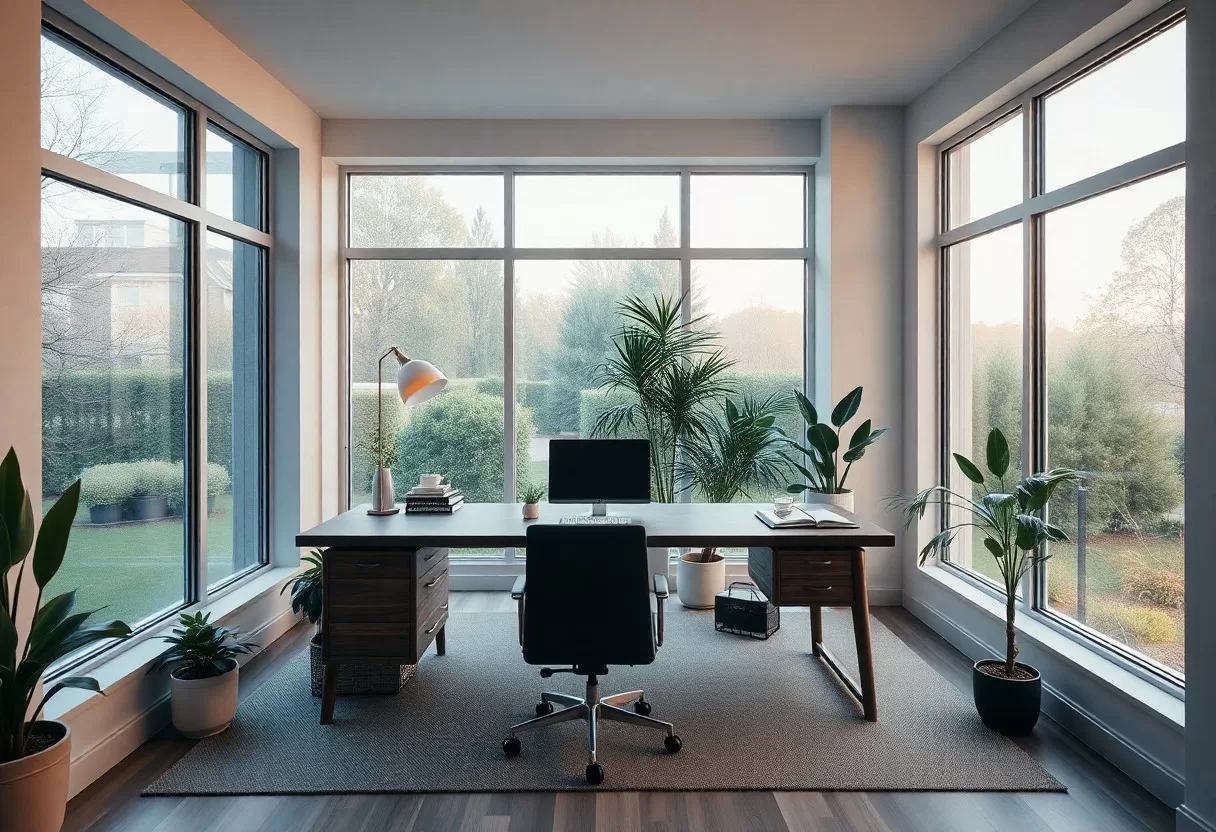
Colors can influence your psychological state in subtle yet powerful ways. Research shows that environments painted in serene shades of blue can lower heart rates and improve mental clarity, while green can enhance focus and creativity. The choice of materials also matters; for instance, incorporating soft textiles can absorb sound and reduce distractions, while hard surfaces may increase noise levels. Balancing colors and materials thoughtfully creates an atmosphere that encourages productivity and emotional stability, ultimately leading to enhanced focus and satisfaction in your daily activities.
Creating Calm Spaces
Establishing a serene environment is paramount for nurturing mental wellness. Incorporating design features that minimize distractions and promote tranquility can significantly enhance your well-being. Thoughtfully chosen colors, materials, and layouts can create a sanctuary that invites relaxation and peace. By understanding how your surroundings affect your mood, you can begin on a meaningful journey towards better mental health through Neuroarchitecture – Wellness by Design.
Natural Light and Air Quality
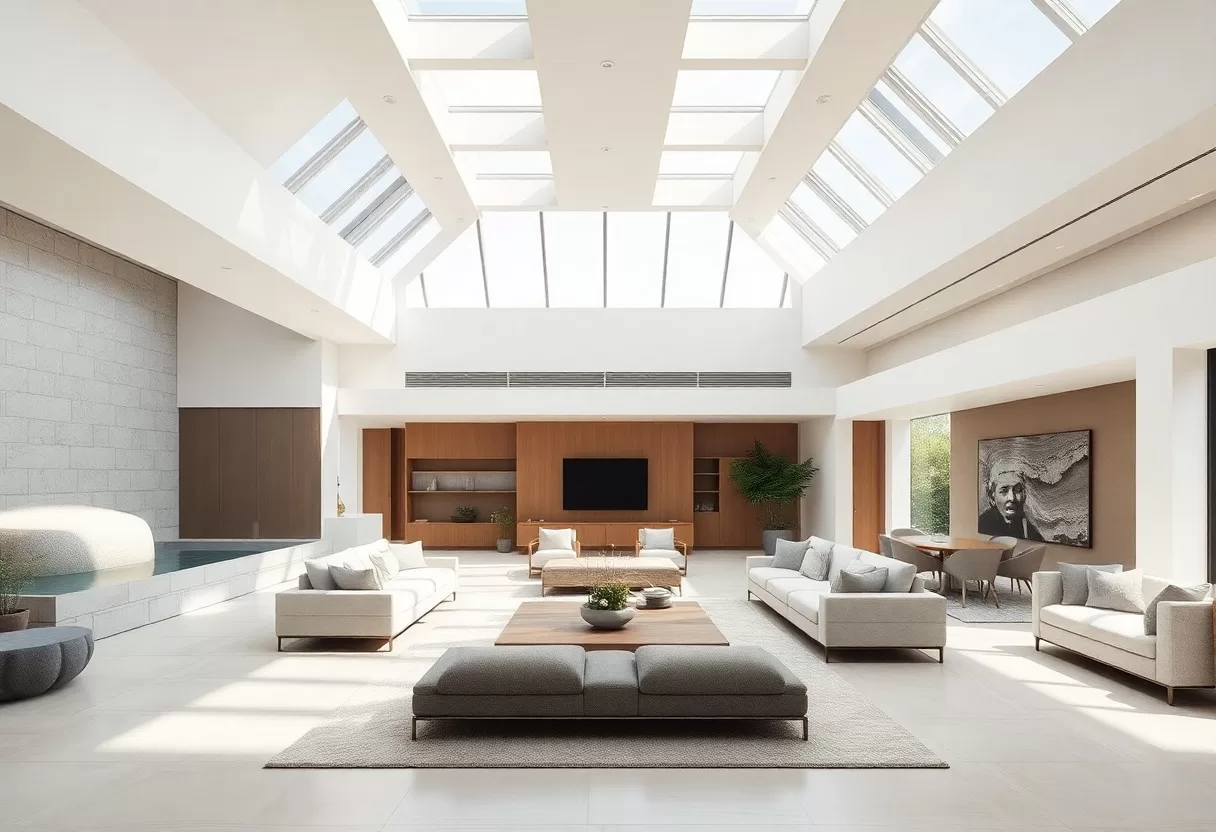
Maximizing natural light and ensuring good air quality are fundamental for creating calm spaces. Daylight has been shown to improve mood and energy levels, making it necessary for your home design. Furthermore, incorporating ventilation systems or plants can enhance air quality, contributing to a fresher, healthier atmosphere conducive to relaxation and focus.
Biophilic Design and its Benefits
Integrating biophilic design elements can significantly augment your home’s calming effect. This approach connects you with nature, incorporating natural elements like plants, water features, and organic materials. Studies reveal that exposure to nature can reduce stress, enhance mood, and improve cognitive function, making biophilic design a powerful tool in your quest for a serene living environment.
Research indicates that environments rich in nature can lead to a 20% increase in well-being and a notable decrease in stress levels. By incorporating elements such as living walls, natural wood finishes, and large windows with views of greenery, you can create spaces that rejuvenate your spirit and enhance overall happiness. Utilizing biophilic design not only fosters a connection to the natural world but also employs nature’s inherent calming properties to enrich your daily experience.
Enhancing Happiness through Architecture
Designing spaces that foster happiness involves intentional choices that prioritize light, color, and communal experiences. Natural light, for instance, not only elevates mood but also regulates circadian rhythms, contributing to overall well-being. Incorporating elements like greenery, soothing colors, and open layouts can further boost positivity, creating environments that nurture emotional health. Research shows that individuals living in homes designed with these principles report greater life satisfaction and mental well-being.
Community Spaces and Social Connectivity
Community spaces play a vital role in enhancing happiness, as they facilitate social interactions and foster a sense of belonging. Thoughtfully designed parks, gathering areas, and communal gardens encourage you to engage with neighbors, strengthening social ties and creating supportive networks. Studies indicate that vibrant community spaces lead to increased happiness and reduced feelings of isolation, promoting a lifestyle rich in collaboration and shared experiences.
Personalization and Sense of Ownership
Personalization in your living environment significantly contributes to your happiness, as it instills a sense of ownership and identity. Tailoring spaces to reflect your tastes and preferences brings joy and comfort, making you feel more connected to your home. This could involve selecting unique furnishings or incorporating family heirlooms, which enhances emotional bonds and cultivates a nurturing atmosphere.
When you personalize your space, it transforms into a reflection of who you are. Engaging in design choices, such as selecting colors that resonate with your personality or displaying art that inspires you, can evoke positive emotions. Research shows that individuals who feel a sense of ownership over their environment are more likely to experience higher levels of happiness and satisfaction. By integrating elements that are meaningful to you, your living space becomes a sanctuary that promotes both comfort and joy.
Case Studies in Neuroarchitecture
Examining real-world applications of neuroarchitecture reveals how thoughtfully designed spaces can profoundly enhance human experience. The following case studies illustrate successful outcomes when incorporating principles of neuroscience into architectural design.
- Project 1: The Well-Being House, Minneapolis – Increased resident satisfaction by 40% post-renovation; features include natural light optimization and biophilic design elements.
- Project 2: Serene Schools, California – Reduced stress levels in students by 30% through adaptive learning environments emphasizing flexibility and acoustic design.
- Project 3: Healing Hospital, Texas – Reported 20% faster recovery rates attributed to design incorporating views of nature and quiet zones.
- Project 4: Mindful Workspaces, New York – Boosted employee productivity by 25% with open layouts, natural elements, and designated relaxation areas.
Successful Residential Projects
Residential projects showcase how neuroarchitecture can create happier and more harmonious living environments. For instance, homes in the Well-Being House initiative now feature circadian lighting systems and adaptable layouts, which have led to a reported 40% increase in overall satisfaction among residents. Tailoring spaces to individual needs demonstrates the powerful impact of aligning architectural design with mental well-being.
Healthcare and Educational Applications
Healthcare and educational facilities have significantly benefited from neuroarchitecture by fostering environments conducive to healing and learning. Hospitals designed with patient-centered principles, like nature views and noise reduction, have noted a remarkable decrease in patient anxiety. Similarly, schools following neuroarchitectural guidelines have cultivated spaces that improve student concentration and emotional resilience, showcasing the benefits of aligning design with psychological insights.
In healthcare, studies have highlighted that hospitals integrating neuroarchitectural principles see an average of 20% faster recovery times, which can be attributed to design elements that connect patients with nature and reduce sensory overload. Educational environments, particularly in innovative schools, report a 30% decrease in stressful incidents due to flexible seating arrangements and color psychology, promoting a positive atmosphere for learning. These examples reflect the transformative potential of neuroarchitecture across various domains, illustrating the connection between designed spaces and human well-being.
Practical Tips for Home Design
Implementing neuroarchitecture in your home can significantly enhance your well-being. Focus on natural light, soothing colors, and organic shapes to create a serene atmosphere. Utilize plants for improved air quality and acoustic treatment to minimize noise distractions. Consider your layout; open spaces can foster connection while cozy areas can promote relaxation. For more insights, explore Neuro-Architecture: Designing Spaces Based on Cognitive … to deepen your understanding of these design principles. The integration of these elements can lead to a more fulfilling living experience.
Integrating Neuroarchitecture Principles
You can start integrating neuroarchitecture principles by first evaluating your existing space. Identify areas that feel cramped or darker and consider redesigning them to enhance light exposure. Choose a neutral palette with occasional vibrant accents to stimulate creativity. Pay attention to the arrangement of furniture; ensure pathways are clear, and create social nooks that encourage interaction. These simple adjustments can elevate your environment’s impact on your mood and focus.
Budget-Friendly Design Strategies
Enhancing your home’s neuroarchitectural elements doesn’t have to be expensive. Start by swapping heavy drapes for lighter fabrics to increase natural light. Incorporate thrifted furniture that incorporates organic lines and textures. Adding plants can be a low-cost way to improve air quality and bring nature indoors. You can also engage in DIY projects to create unique decor pieces that resonate with your personality.
Explore budget-friendly ways to create a neuroarchitecture-friendly home by prioritizing necessary elements that enhance your daily experience. Investing in good lighting and repainting with uplifting colors can transform a space without breaking your budget. Utilize mirrors to amplify light and space perception, while outdoor experiences, like landscaping, provide a natural connection without costly renovations. By focusing on these strategic changes, you can effectively enrich your living environment and promote a heightened sense of joy and tranquility.
Conclusion
Following this exploration of neuroarchitecture, you can appreciate how thoughtful design in your living spaces can significantly enhance your focus, calm, and overall happiness. By incorporating elements such as natural light, open spaces, and nurturing materials, you create an environment that supports your well-being. Applying these principles in your own home allows you to foster a more harmonious and productive atmosphere, ultimately leading to a better quality of life.
FAQ
Q: What is neuroarchitecture?
A: Neuroarchitecture is the field of study that examines how architectural design affects our brain and mental well-being. It combines insights from neuroscience and architecture to create spaces that enhance focus, calmness, and overall happiness. By understanding how the environment influences our moods and behaviors, designers can create homes that promote better mental health.
Q: How can home design improve focus?
A: Home design can improve focus by incorporating elements that reduce distractions and enhance concentration. This includes creating dedicated workspaces with adequate lighting, minimizing noise pollution, and using colors that foster productivity. Thoughtful layout and organization facilitate a clear mind, helping residents remain engaged and focused on their tasks.
Q: What features in a home contribute to a sense of calm and happiness?
A: Features that contribute to a sense of calm and happiness include natural light, open spaces, and biophilic design elements like plants and natural materials. Soundproofing rooms, using soothing color palettes, and providing spaces for relaxation, such as meditation areas or cozy nooks, can significantly enhance emotional well-being and overall happiness within the home.