
The Art of Negative Space – Designing With What You Don’t Use
Most designers overlook the power of negative space, often focusing solely on elements they include rather than those they intentionally leave out. By understanding and utilizing negative space, you can enhance your compositions and create a more engaging visual experience. This technique not only improves clarity but also directs the viewer’s attention, leading to more impactful designs. Embracing what you don’t use allows your elements to breathe and offers a balanced aesthetic, setting your work apart in a crowded field.
Key Takeaways:
- Negative space enhances overall composition and improves focus on the main subject.
- Effective use of empty areas can create balance and harmony in design.
- Understanding negative space encourages creativity and can lead to unexpected visual solutions.

The Philosophy of Absence: Why Less is More
The principle of ‘less is more’ challenges conventional notions of abundance in design, encouraging you to embrace the power of absence. By minimizing elements, you allow your audience to engage more deeply with the focal point, fostering clarity and understanding. Removal of excess not only enhances aesthetics but also elevates functionality, allowing users to absorb the imperative message without distraction.
The Origins of Negative Space in Art and Design
Negative space’s roots can be traced back to traditional art forms, where artists like Leonardo da Vinci emphasized voids to frame subjects. Iconic examples such as the paintings of the Dutch Golden Age illustrate how absence creates a visual dialogue, shaping the viewer’s experience. In modern design, this principle has evolved, influencing movements like Minimalism, which advocates for simplicity and intention in all aspects of composition.
Psychological Impact of Void in Visual Perception
Utilizing voids can dramatically influence how you perceive visual compositions. Research indicates that human brains are wired to seek patterns, making negative space a powerful tool for directing attention. Strategic incorporation of empty elements can evoke feelings of serenity or tension, depending on the context. As a result, negative space becomes not merely a design choice but a psychological lever, enhancing storytelling through visual means.
Studies reveal that viewers often experience heightened emotional responses in designs that effectively use negative space. For instance, a well-placed void can evoke nostalgia or curiosity, leading you to explore further. The absence draws your eye to critical features, reinforcing a narrative that would otherwise be diluted by unnecessary clutter. By curating these voids with intention, you can shape the viewer’s perception, ultimately redefining their interaction with the visual dialogue you’ve created.
Harnessing Negative Space in Composition
Effective composition hinges on the deliberate use of negative space, allowing your design to breathe and your focal points to shine. By strategically placing elements within your layout, you can guide the viewer’s eye and create areas of rest that enhance overall visual engagement. Recognizing the power of what’s not included can transform your work, making it dynamic and compelling.
The Balance of Elements: Creating Harmony
Establishing balance in your composition involves a careful arrangement of visual elements alongside negative space. You can achieve harmony by positioning contrasting shapes and colors in a way that allows them to coexist without overwhelming each other. This interplay not only enhances visual appeal but also directs attention seamlessly to the most significant aspects of your design.
Layering Techniques: How to Integrate with Purpose
Layering is a powerful approach that adds depth and richness to your design, leveraging negative space to reinforce meaning. By stacking elements with varying opacities and contrasts, you can create dimensionality while maintaining a dialogue with the empty areas. This technique allows for a more complex visual narrative, inviting viewers to explore your composition further.
Utilizing layering techniques effectively means considering how each layer interacts with the others and the surrounding negative space. For instance, in graphic design, you might use translucent overlays to soften the impact of bold imagery or text, thus creating a cohesive look. Photographers can use layering in their images by placing subjects against out-of-focus backgrounds, drawing attention to them while the negative space enhances the overall composition. This purposeful integration ensures that every layer serves a function, contributing both to visual interest and to conveying your intended message.
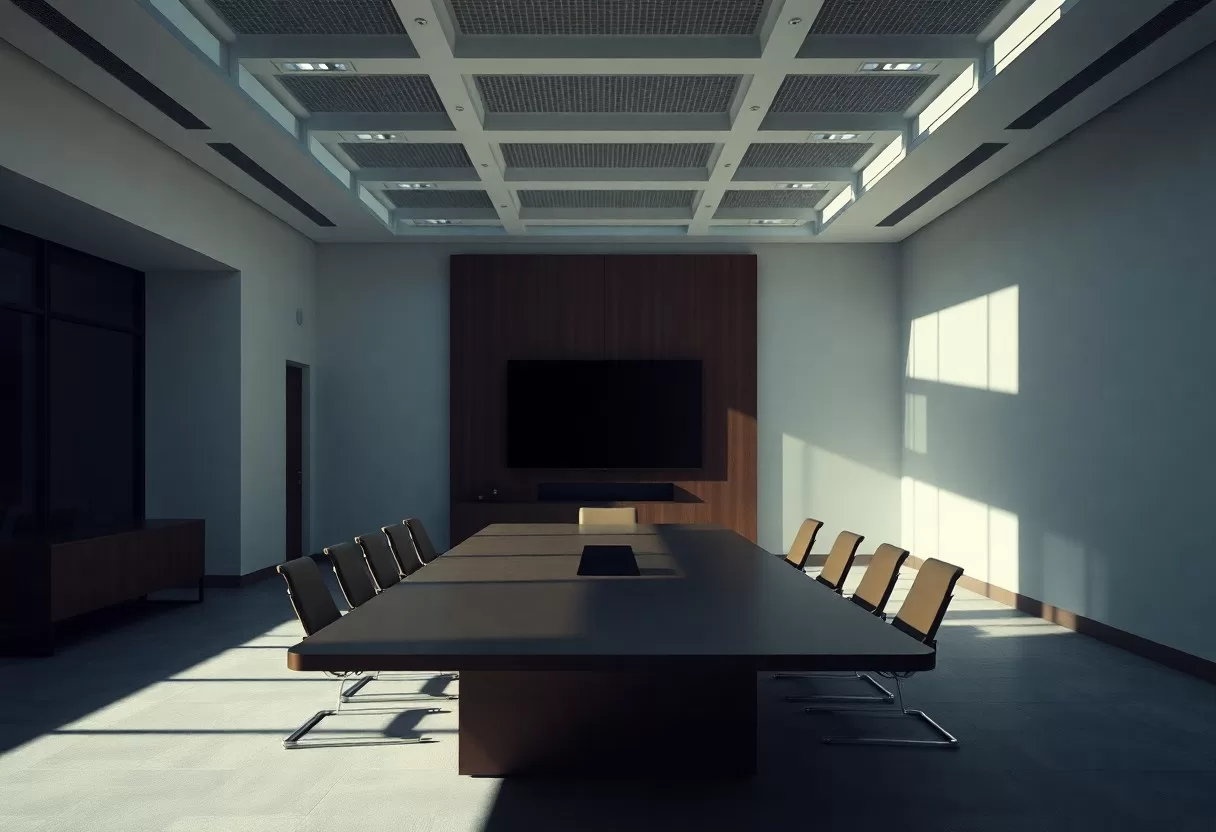
Practical Applications: Transforming Negative Space into Strategic Design
Utilizing negative space strategically allows you to elevate your design projects beyond the ordinary. This technique enables you to draw attention to key elements, maintain visual harmony, and convey messages succinctly. From logos to advertisements, applying negative space thoughtfully can transform mundane designs into compelling visual narratives that resonate with your audience.
Case Examples in Graphic Design and Branding
Notable brands exemplify the power of negative space. For instance, FedEx cleverly incorporates an arrow hidden in the negative space between the ‘E’ and ‘x’, symbolizing speed and precision. Similarly, the World Wildlife Fund effectively utilizes a panda silhouette, wherein the black patches serve both as the animal’s identifier and integral negative space, emphasizing conservation. These examples showcase how negative space can ingeniously communicate brand values and enhance recognition.
Applying Negative Space in Typography and Layouts
Integrating negative space in typography allows for eye-catching readability and aesthetic appeal. By adjusting the spacing around letters or between words, you create a balance that guides the viewer’s eye. Effective layouts embrace negative space to separate distinct sections, leading to improved engagement and comprehension. Striking a balance between text and empty areas can transform dense information into digestible, visually appealing content.
Designers often manipulate negative space within typography and layouts by adjusting line height and kerning to improve readability. For example, a well-spaced typeface enhances legibility, while balanced margins around text blocks draw attention to imperative content. Consider the work of designers like David Carson, who strategically broke typical grid structures, using negative space to create visual interest and emphasize key messages. This approach not only aids in communication but creates an inherent rhythm that enhances the viewer’s experience, making negative space a vital element in typographic sophistication.
The Role of Negative Space in User Experience Design
Effective user experience (UX) design relies heavily on the art of negative space, which acts as a silent yet powerful guide. By thoughtfully incorporating empty areas around design elements, you can enhance comprehension and reduce cognitive load. This not only aids in the visual hierarchy but also enables your users to navigate through content seamlessly, fostering a more engaging interaction with your interface.
Navigational Flow: Enhancing User Interactions
Streamlined navigational flow is vital for user interactions, allowing individuals to move through your design with ease. Effective use of negative space can eliminate distractions, leading to intuitive pathways that guide users to important functions or information. This simplicity enhances their experience, encouraging them to explore more without feeling overwhelmed.
Creating Focused Experiences Through Minimalism
Minimalism fosters focused experiences by stripping away excess elements that do not serve a functional purpose. With negative space, you prioritize crucial content, driving users’ attention to significant calls to action and vital information. This intentional design choice creates a sense of clarity that enhances your overall user experience.
Incorporating minimalism through negative space can dramatically transform interactions on your platform. For instance, a study by the Nielsen Norman Group revealed that users are 75% more likely to focus on critical elements when surrounded by ample negative space. By limiting visual clutter, you create a prioritization of content, allowing users to absorb information more effectively. This deliberate approach not only reduces frustration but also significantly increases user satisfaction and engagement levels, making it a vital aspect of modern design.

Breaking Conventional Boundaries: Negative Space in Diverse Mediums
Exploring negative space across various mediums reveals its transformative impact on design. From architectural marvels to stunning photography, negative space disrupts traditional aesthetics, allowing you to convey meaning and emotion through absence. Engaging with these different forms opens up new avenues for creativity and innovation, challenging your perception of how space can be utilized effectively.
Architectural Design: The Power of Air and Light
In architectural design, negative space serves as a vital element for creating harmony between form and function. You can use air and light to define spaces, enhancing the experience of movement and interaction. Iconic structures like the Guggenheim Museum in New York leverage open areas, allowing natural light to flood in, which emphasizes the building’s fluid lines and enhances visitor experience.
Photography: Framing the Unseen
In photography, negative space invites viewers to engage with the subject differently. You can highlight your main focal point by intentionally using empty spaces, guiding the viewer’s eye and evoking emotions. Striking images often utilize a minimal background to create emphasis, allowing the main subject to breathe within its context.
Consider the power of a photograph where the subject occupies only a small portion of the frame, surrounded by a vast expanse of negative space. This approach can provoke feelings of isolation or tranquility, depending on the context. Renowned photographers like Henri Cartier-Bresson and Ansel Adams harnessed negative space to create visually arresting compositions that draw attention to the subject’s importance while allowing the environment to enhance the narrative. By applying this technique, you can elevate your photography to evoke deeper connections and interpretations from your audience.
Final Words
With this in mind, understanding the art of negative space empowers you to create more balanced and effective designs. By thoughtfully incorporating empty areas, you enhance visual clarity and direct focus to key elements in your work. This approach not only elevates your designs but also fosters a deeper engagement with your audience. As you refine your skills in utilizing what is left unsaid, your design portfolio will stand out, showcasing a mastery of space that speaks volumes without cluttering the narrative.
FAQ
Q: What is negative space in design?
A: Negative space refers to the area around and between the subject of an image or design. It is the space that is not occupied by the main elements, allowing the viewer to focus on the important parts and creating balance in the composition.
Q: How can negative space improve a design?
A: Utilizing negative space can enhance a design by creating a sense of clarity, enabling better visual flow, and guiding the viewer’s eye. It can also help to emphasize key elements, making the overall design more impactful and aesthetically pleasing.
Q: What are some techniques for effectively using negative space?
A: Techniques for using negative space include simplifying shapes, using contrasting colors, and strategically positioning elements to create patterns or shapes from the spaces in between. Experimenting with different layouts can also reveal new ways to utilize negative space effectively.