
Nature Inside – Trees, Sunlight, & Structure in Modern Homes
Many modern homes are increasingly embracing the elements of nature, where trees, sunlight, and innovative structure come together to enhance your living space. By integrating these natural components, you create an environment that promotes well-being and reduces stress. Exposure to natural light and greenery not only boosts your mood but also improves indoor air quality. Understanding how to harmonize these elements in your home design can lead to a more sustainable and aesthetically pleasing environment that reflects your connection to nature.
The Biophilic Design Revolution
Defining Biophilic Design in Architecture
Biophilic design integrates natural elements into modern architecture, creating spaces that nurture your connection to nature. This approach incorporates natural materials, daylight, vegetation, and water features into urban environments. By prioritizing these elements, biophilic design seeks to enhance your experience of space, promoting not only aesthetic appreciation but also functional benefits in your daily life.
The Psychological Benefits of Natural Elements
Incorporating natural elements into your living space can significantly improve your mental well-being. Studies have shown that exposure to nature can lower stress levels, boost your mood, and enhance creativity. The presence of plants and natural light can even improve your focus and productivity, creating an environment conducive to well-being.
Research indicates that viewing nature or having natural elements in your surroundings can reduce cortisol levels—your body’s primary stress hormone—by up to 20%. Incorporating features like indoor plants, large windows for natural light, and calming water elements can lead to heightened emotional resilience. For instance, workplaces adopting biophilic design report up to a 15% improvement in employee productivity and satisfaction. By seamlessly blending the outdoors with your indoor environment, you nurture both your physical and psychological health.
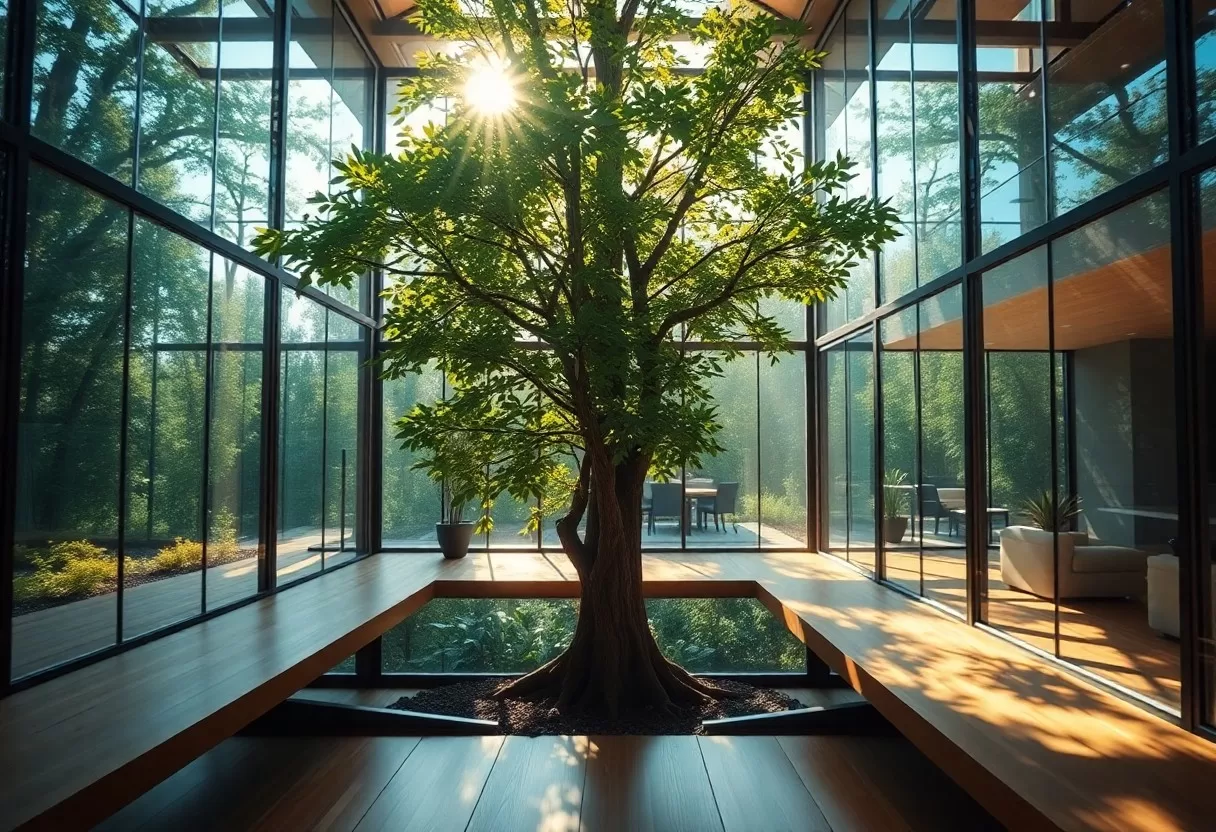
Merging Nature with Modern Mechanics
Integrating nature into your home doesn’t mean sacrificing modern conveniences. Innovative designs are emerging that harmoniously combine natural elements with advanced technology, allowing homes to breathe and thrive in synergy with their surroundings. You can achieve this balance through careful selection of materials and strategic layouts that enhance both aesthetic appeal and functionality.
Innovative Structural Materials Inspired by Trees
Utilizing materials that mimic the strength and flexibility of trees can transform your living space. For instance, cross-laminated timber (CLT) offers a sustainable alternative to traditional concrete and steel, providing structural integrity while drawing on the visual warmth that wood brings. Such materials not only reduce your home’s carbon footprint but also promote a connection to nature, instilling a sense of tranquility and comfort.
Designing Sunlight-Accessible Living Spaces
Creating living spaces that maximize sunlight can significantly influence your home’s ambiance and energy efficiency. Consider incorporating large windows, open floor plans, and strategically placed skylights. These elements enhance natural light during the day, reducing your reliance on artificial lighting and creating a vibrant, welcoming atmosphere.
Maximizing sunlight access goes beyond aesthetics; it impacts your well-being. For example, studies have shown that natural light improves mood and productivity. Large windows facing south can capture sunlight for the majority of the day, while an open layout allows light to permeate deep into your home. Using low-E glass and reflective materials can further optimize this light without overheating your space, creating an inviting environment where you can connect with the outdoors all year round.
The Role of Natural Light in Home Energy Efficiency
Natural light significantly enhances your home’s energy efficiency, lowering reliance on artificial lighting and cutting electricity costs. By strategically incorporating windows, skylights, and open layouts, you can create bright, inviting spaces that remain illuminated throughout the day. This not only reduces energy expenses but also improves well-being and productivity within your living environment.
Harnessing Passive Solar Energy Techniques
Implementing passive solar energy techniques allows you to optimize your home’s exposure to sunlight. By positioning windows to capture direct sunlight and utilizing thermal mass materials, you can naturally heat your space during colder months, minimizing the need for artificial heating. Overhangs and shading devices further enhance comfort by controlling heat gain in summer, creating an energy-efficient living space.
How Maximizing Daylight Reduces Energy Costs
Maximizing daylight in your home can lead to significant energy savings. By designing your space with larger windows or glass doors, you can decrease the amount of artificial lighting needed during the day. This strategy not only conserves energy but can also result in a 20-40% reduction in lighting-related electricity usage, offering substantial reductions in your monthly utility bills.
Consider a recent study showing that homes with ample natural light recorded up to 30% lower energy costs in comparison to darker homes. By installing light tubes, clerestory windows, or designing your floor plan to favor open spaces, you are more likely to enjoy the benefits of natural illumination. As a result, you’ll find your indoor environment more appealing, while simultaneously pushing down your energy bills—making a clear case for the value of daylight in modern residential design.
Case Studies: Transforming Spaces with Green Elements
Examining successful transformations provides insight into the effectiveness of incorporating green elements. Highlighting innovative approaches to integrate nature seamlessly into modern design can inspire future projects.
- Case Study 1: Urban Oasis – A 900 sq. ft. apartment in New York City featuring a vertical garden that reduces ambient temperature by 5°F and improves air quality.
- Case Study 2: Sustainable Office – An office building in San Francisco integrates over 100 trees and plants resulting in a 30% reduction in energy costs.
- Case Study 3: Eco-Friendly Home – A residence in Portland utilizes solar tubes to increase natural light, improving energy efficiency by 25%.
- Case Study 4: Green Roof – A Chicago home with a green roof that absorbs stormwater runoff, decreasing flooding risk by 40% in the surrounding area.
Urban Homes That Incorporate Trees and Plants
Incorporating trees and plants into urban homes not only aids in air purification but also enhances the aesthetic appeal of your living space. A study showed that homes with extensive green elements boost property values by up to 20%. Such integrations foster a sense of tranquility amidst urban chaos, making your dwelling a peaceful oasis.
Innovations in Sunlight-Driven Architectural Designs
Architectural innovations that harness sunlight effectively are reshaping home designs. Implementing structures that reflect and diffuse natural light improves energy efficiency and enhances the living experience. For instance, homes featuring light shelves and clerestory windows can increase daylight access by 50%, optimally illuminating interior spaces.
Integrating sunlight-driven architectural designs involves adopting advanced materials and layouts that maximize natural light. Buildings with south-facing facades fitted with high-performance glazing can reduce artificial lighting needs significantly, promoting an airy atmosphere. Innovations like LED daylighting systems further enhance these efforts, enabling you to leverage natural light throughout the day while simultaneously decreasing energy consumption. Emphasizing shade elements, such as overhangs and awnings, allows you to maintain comfort during peak sun hours, making your space both inviting and energy-efficient.
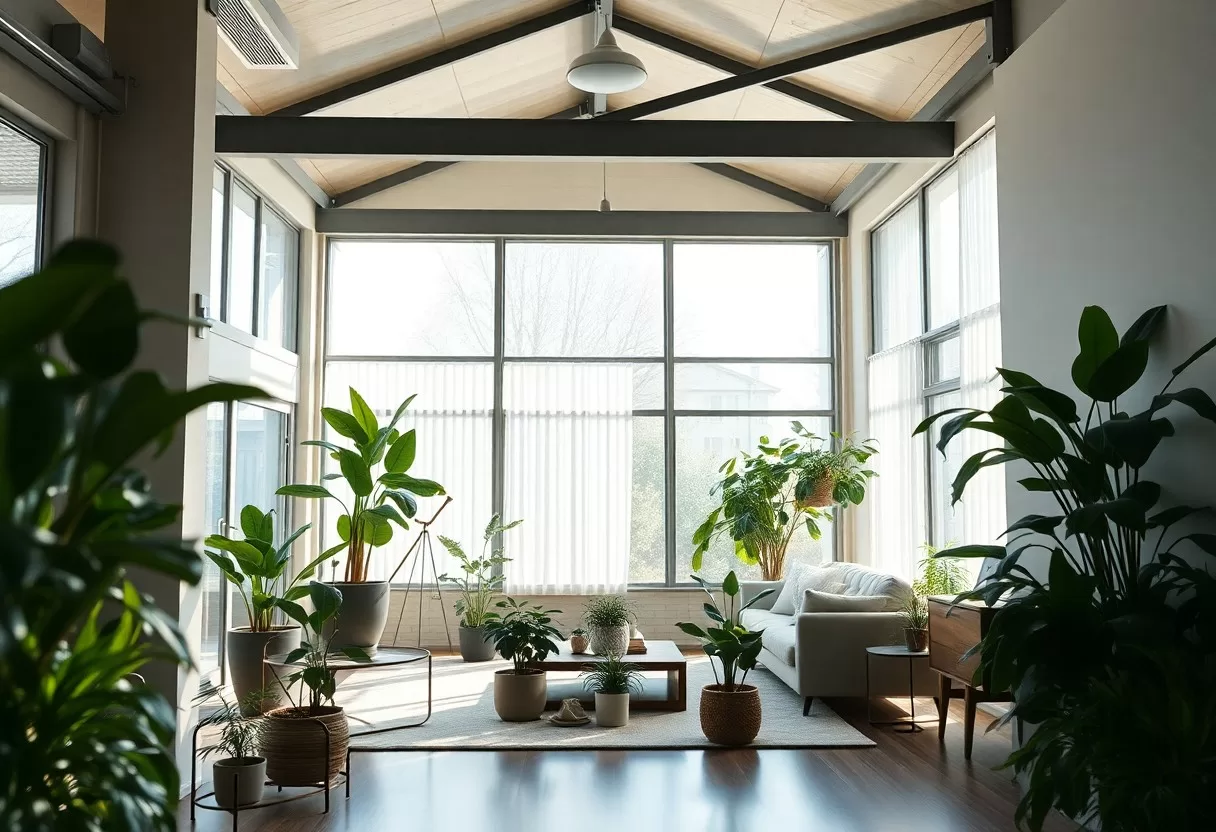
Plant Life and Indoor Air Quality
Incorporating plant life into your indoor spaces significantly enhances air quality, helping to create a healthier living environment. Houseplants not only improve aesthetics but also filter out toxins like formaldehyde and benzene, which are prevalent in many household items. Studies indicate that having just a few plants can reduce carbon dioxide levels and boost humidity, promoting overall well-being. With careful selection, you can enjoy the natural benefits of greenery while effectively improving indoor air quality.
The Science Behind Houseplants and Air Purification
Certain houseplants possess remarkable abilities to purify the air you breathe. Research from NASA highlights that plants like the spider plant and peace lily can remove up to 87% of volatile organic compounds (VOCs) over a 24-hour period. This natural filtration system helps mitigate the impact of indoor pollutants and enhances your living spaces. By choosing the right plants, you not only beautify your home but also contribute to reducing harmful substances that may affect your health.
Designing Indoor Spaces with Greenery in Mind
Strategic placement of plants can transform your indoor environment into a serene and healthier space. By considering factors such as light availability and plant types, you can create zones of tranquility and vitality throughout your home. Utilizing vertical gardens or hanging planters allows you to maximize space and bring nature closer to your daily activities. Incorporating a variety of plant sizes and species can also maintain visual interest while contributing positively to air quality.
To effectively design indoor spaces with greenery, create harmony between natural elements and your overall aesthetic. Use plants as focal points, backdrops, or accents that enhance each room’s character. For example, large plants like fiddle leaf figs work well in spacious living areas, while smaller succulents can add charm to tabletops and shelves. Ensure you consider the care requirements of each plant to maintain their health and your enjoyment. Integrating plants into your home’s layout will not only improve air quality but also encapsulate the soothing essence of nature, bringing balance to your living environment.
To wrap up
The integration of trees, sunlight, and structure in modern homes enhances your living environment, fostering well-being and connectivity with nature. By thoughtfully incorporating elements like natural light and greenery, you create spaces that promote relaxation and energy efficiency. Additionally, the design choices you make can reflect sustainable practices that benefit both you and the surrounding ecosystem. Embracing this harmony between nature and architecture not only enriches your daily life but also contributes to the long-term sustainability of your home and community.
FAQ
Q: What are the benefits of incorporating trees into modern home designs?
A: Trees provide natural shade, improve air quality, and enhance the aesthetic appeal of homes. They also promote biodiversity and can reduce energy costs by lowering temperatures around the house.
Q: How does sunlight impact the design of modern homes?
A: Sunlight influences the orientation and layout of homes for optimal natural lighting. Proper sunlight exposure can enhance mood, reduce reliance on artificial lighting, and improve overall energy efficiency.
Q: What structural elements should be considered when integrating nature into home design?
A: Key structural elements include the use of sustainable materials, large windows for natural light, and outdoor living spaces that connect with the surrounding environment. Designs should also accommodate trees and plants to create harmony with nature.