
Organic Pest Control – Natural Solutions for a Pest-Free Garden
Organic methods provide you with safe and effective solutions to keep your garden free from pests without relying on harsh chemicals. By using natural ingredients and practices, you not only protect your plants but also contribute to a healthier ecosystem. You’ll discover how to utilize beneficial insects, homemade sprays, and companion planting to create a thriving garden environment. Embracing these organic pest control techniques allows you to cultivate an abundant, vibrant garden while ensuring the safety of your family and pets.
Key Takeaways:
- Organic pest control utilizes natural predators, plant extracts, and homemade solutions to manage pest populations effectively while promoting environmental health.
- Common organic methods include introducing beneficial insects like ladybugs, neem oil treatments, and creating barriers such as row covers to prevent pest access.
- Maintaining healthy soil through composting and crop rotation can enhance plant resilience, making them less susceptible to pest infestations.
- Regular monitoring of plants and early intervention are key strategies in organic pest management, allowing for quicker responses to emerging threats.
- Education on the types of pests and their life cycles can empower gardeners to implement targeted and effective organic control measures.
The Foundation of Organic Gardening
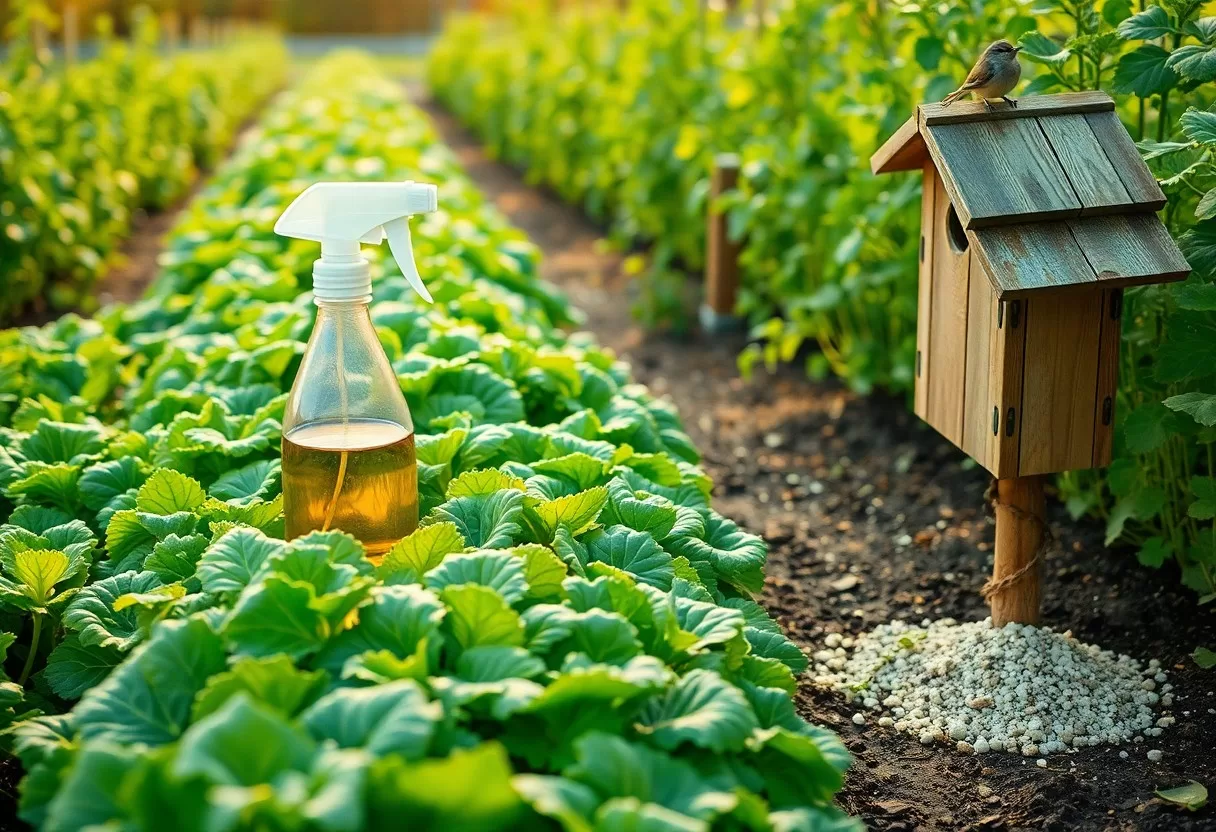
Building an organic garden starts with healthy soil. By nurturing nutrient-rich soil, you create the perfect environment for strong plants. This involves incorporating compost, organic matter, and natural fertilizers that enhance soil structure and promote microbial activity. The result? A vibrant ecosystem that supports plant growth and resilience against pests, meaning your garden thrives without chemical interventions.
Embracing Biodiversity in Your Garden
Incorporating a variety of plants in your garden fosters a naturally balanced ecosystem. By selecting a mix of native flora, flowering plants, and diverse crop types, you attract beneficial insects and create habitats for wildlife. Such biodiversity not only enhances the beauty of your space but also helps mitigate pest problems by promoting healthy competition and natural pest regulation.
Understanding Natural Pest Predators
Natural pest predators like ladybugs, lacewings, and predatory beetles play a vital role in maintaining your garden’s health. These beneficial insects feed on common pests such as aphids and spider mites, reducing the need for chemical pesticides. By welcoming these allies into your garden, you create a self-regulating environment that minimizes pest outbreaks and fosters a resilient ecosystem.
Inviting natural pest predators involves implementing various strategies, like planting nectar-rich flowers and providing shelter through diverse plant structures. Ladybugs, for instance, can consume up to 5,000 aphids in their lifetime, making them invaluable for aphid control. Additionally, maintaining a well-balanced garden ecosystem attracts not only these beneficial insects but also birds and bats, all of which help keep pest populations in check. Creating a pesticide-free sanctuary allows these pests’ natural enemies to thrive, ensuring a sustainable and vibrant garden year after year.
Proven Natural Solutions for Common Garden Pests
Effective organic pest control utilizes various proven natural solutions tailored for common garden pests. From integrating vital oils to crafting homemade sprays, you have an array of eco-friendly options to protect your prized plants without harsh chemicals. Each method not only keeps pests at bay but also promotes a healthier growing environment for your garden, ensuring you can enjoy the fruits of your labor worry-free.
Essential Oils: Nature’s Deterrents
Essential oils serve as powerful deterrents for pests like aphids, mosquitoes, and spider mites. Oils such as peppermint, rosemary, and neem can effectively disrupt pest behavior when mixed with water and sprayed onto plants. Their strong scents repel insects, offering an all-natural solution that is safe for you, your plants, and the environment.
Homemade Sprays: Simple Recipes for Success
Creating your homemade pest sprays harnesses the power of household ingredients to combat garden nuisances. You can combine items like dish soap, garlic, or hot pepper into water to craft effective deterrents. These simple recipes not only save money but also allow you to control what goes into your garden, ensuring the safety and health of your plants.
For a basic homemade spray, blend together a few crushed garlic cloves, a teaspoon of hot pepper flakes, and a drop or two of mild dish soap in a quart of water. Strain the mixture and place it in a spray bottle. This concoction can target pests effectively, while the soap coats insects and disrupts their ability to breathe. Spray it directly onto affected plants every few days for best results.
Traps and Barriers: Physical Defense Strategies
Utilizing traps and barriers offers another layer of defense against garden pests. Techniques like using yellow sticky traps can capture flying insects, while floating row covers shield your plants from larger pests like cabbage worms. These physical measures deter pests without disrupting the ecological balance of your garden.
Setting up barriers such as copper tape around plant beds can help prevent snails and slugs from reaching your precious plants. Likewise, strategically placing traps filled with attractants can reduce pest populations significantly. By integrating these strategies, you not only protect your garden but also encourage a harmonious ecosystem conducive to plant health and productivity.
Nurturing Soil Health to Prevent Infestation
Strong soil health is necessary in establishing a pest-free garden. Healthy soil fosters diverse microbial life, enhances natural defenses, and supports vibrant plant growth, making your garden less attractive to pests. When soil is well-nourished, plants can naturally resist infestations, minimizing the need for intervention. Prioritize organic practices, including adding organic matter and maintaining moisture, to create an environment that deters pests while promoting robust plant health.
Composting: Rich Nutrients and Microbial Allies
Composting enriches your soil with vital nutrients and beneficial microbes. By recycling kitchen scraps and garden waste, you create a nutrient-dense compost that feeds your plants while encouraging a symbiotic relationship with the soil’s microorganisms. These microbial allies help decompose organic matter and can outcompete harmful pathogens, enhancing your garden’s resilience against pests and diseases.
Crop Rotation: Disrupting Pest Life Cycles
Implementing crop rotation is an effective strategy to break pest life cycles. By changing the location of your crops each growing season, you confuse pests that are adapted to specific plants, which can significantly reduce their populations. For instance, follow a legumes-rich planting with leafy greens, disrupting the habitat of pests like aphids and root maggots that thrive in certain conditions.
Successful crop rotation involves more than just switching plants; it requires an understanding of which crops are susceptible to specific pests. For example, rotating Brassicas with allium crops can confuse pests that thrive on cruciferous vegetables, like cabbage worms. Aim to rotate plant families in your garden every year to prevent the buildup of pest populations. This method not only safeguards your crops but also enhances soil fertility by varying nutrient needs and increasing biodiversity in your garden ecosystem.
The Role of Companion Planting in Pest Control
Utilizing companion planting can significantly enhance your garden’s defenses against pests. By strategically positioning certain plants near one another, you create an ecosystem that naturally deters unwanted insects. Specific plant relationships can cultivate a robust environment that encourages beneficial insects while repelling harmful pests, leading to healthier plants and, ultimately, a thriving garden.
Harmonizing Plant Relationships for Pest Resistance
Plants communicate and support one another, forming alliances that bolster pest resistance. For instance, pairing marigolds with vegetables can deter nematodes and other harmful insects, while herbs like basil can repel flies and mosquitoes. This harmony is not just beneficial to plants but also attracts pollinators and other helpful organisms, creating a balanced ecosystem in your garden.
Specific Companions: Who Fights Whom in Your Garden
Certain plants have established reputations as warriors against specific pests. For example, nectar-rich flowers like yarrow and dill attract predatory wasps that target aphids, while planting garlic can help keep away spider mites. By knowing which plants to team up, you can establish a garden that naturally mitigates pest issues.
For instance, consider the dynamic pairing of cabbage and scented geraniums; the geraniums release a scent that effectively confuses the cabbage moth, reducing its impact on the cabbage crop. Another classic combination includes tomatoes and basil, which not only enhance flavor but also create a pest repellent effect against aphids and whiteflies. Through these strategic alliances, you can cultivate a more resilient garden ecosystem, reducing your dependency on chemical pesticides. Exploring these relationships fosters a garden teeming with life and productivity.
How to Monitor and Adjust Your Pest Control Strategies
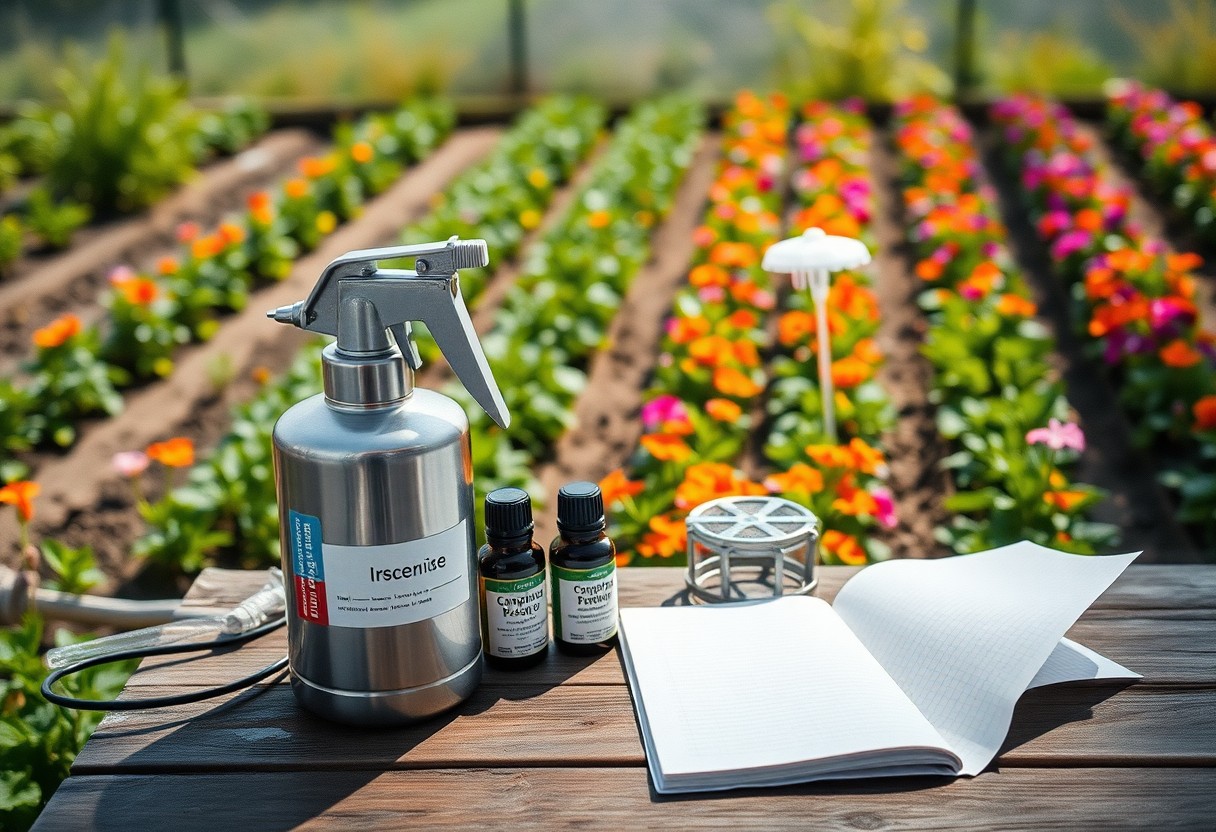
Regularly assessing your pest control strategies is imperative to maintaining a thriving garden. Keep a close eye on pest populations and note any fluctuations. You can utilize traps, sticky cards, or natural predators to gauge the success of your methods. Adjustments might be needed based on what you observe. Engaging in continuous observation allows you to become attuned to your garden’s unique ecosystem and improve pest management over time.
Signs of Success: Evaluating Pest Control Effectiveness
You can gauge the effectiveness of your pest control methods through several indicators. A notable decline in pest populations, healthier plants, and the presence of beneficial insects, such as ladybugs or lacewings, signal that your strategies are working. Monitoring plant damage is also a vital sign; less damage indicates improved control. Document your findings to identify patterns and enhance your approach.
Adapting Techniques for Changing Conditions
Environmental factors such as weather, soil health, and plant susceptibility can influence pest dynamics in your garden. Being flexible and adjusting your techniques based on these changing conditions can greatly enhance your pest management efforts. For instance, you might need to incorporate different companion plants during the growing season or switch to alternative natural pesticides if you notice a resurgence of pests. Regularly testing the soil and observing plant responses can guide your adjustments, ensuring that your strategies remain effective year-round.
Shifting conditions may call for different pest control measures. For instance, if you experience a particularly wet season, fungal pests could become more aggressive, requiring a shift from insect-focused strategies to mold and fungus control. You might need to increase airflow around plants or utilize organic fungicides to combat outbreaks. Similarly, if you notice specific insects are thriving, consider introducing new beneficial predators or changing your planting schedule to disrupt their lifecycle. Tailoring your approach in response to environmental variations keeps your garden resilient and pest-free.
Conclusion
Now that you are aware of the benefits and methods of organic pest control, you can cultivate a healthier garden environment. By implementing natural pest management strategies and using eco-friendly solutions, you not only protect your plants but also promote a balanced ecosystem. Embrace these techniques to create a thriving, pest-free garden that reflects your commitment to sustainability and environmental care.
FAQ
Q: What is organic pest control?
A: Organic pest control refers to the use of natural methods and substances to manage pests in gardens and agricultural settings. These methods focus on preventing pest infestations while minimizing harm to the environment, beneficial insects, and human health. Techniques may include the use of biological controls, plants that repel pests, and natural insecticides derived from plants and minerals.
Q: How do natural insecticides differ from chemical pesticides?
A: Natural insecticides are typically derived from organic sources, such as plants or minerals, and are designed to target specific pests without harming beneficial organisms. Chemical pesticides, on the other hand, are synthetic substances that can affect a wide range of organisms, often leading to harmful environmental impacts and resistance in pests. Natural options usually decompose more quickly and have a lower risk of negative side effects.
Q: Can companion planting help in organic pest control?
A: Yes, companion planting can be an effective strategy for organic pest control. By planting certain crops together, gardeners can naturally deter pests, attract beneficial insects, and improve crop health. For example, marigolds are known to repel nematodes and other garden pests, while herbs like basil can enhance the flavor of nearby tomato plants and repel flies and mosquitoes.
Q: What are some effective biological control methods?
A: Biological control methods involve using natural predators or parasites to reduce pest populations. Common examples include introducing ladybugs to control aphid populations, nematodes to target soil-dwelling pests, or parasitic wasps to manage caterpillars. Establishing habitats that attract these beneficial insects can also support their populations in your garden.
Q: Are there any DIY organic pest control solutions?
A: Absolutely! Many gardeners create their own organic pest control solutions using household ingredients. For example, a simple solution made from soap and water can effectively target soft-bodied insects like aphids and spider mites. Additionally, diatomaceous earth can be sprinkled around plants to deter crawling insects, while garlic or hot pepper sprays can repel a variety of pests. Always test a small area first to ensure your plants are safe from any potential sensitivities.