
Mood Matters – Designing Rooms That Change How You Feel
Most people underestimate how environment affects emotions, yet the design of your rooms has the power to significantly influence your mood and overall well-being. From color choices to furniture arrangement, intentional design can create spaces that evoke positivity, tranquility, or energy. By focusing on practical elements like lighting, textures, and personal touches, you can transform your home into a sanctuary that enhances your emotional health. Dive into the principles of mindful design and discover how to craft rooms that truly resonate with who you are.
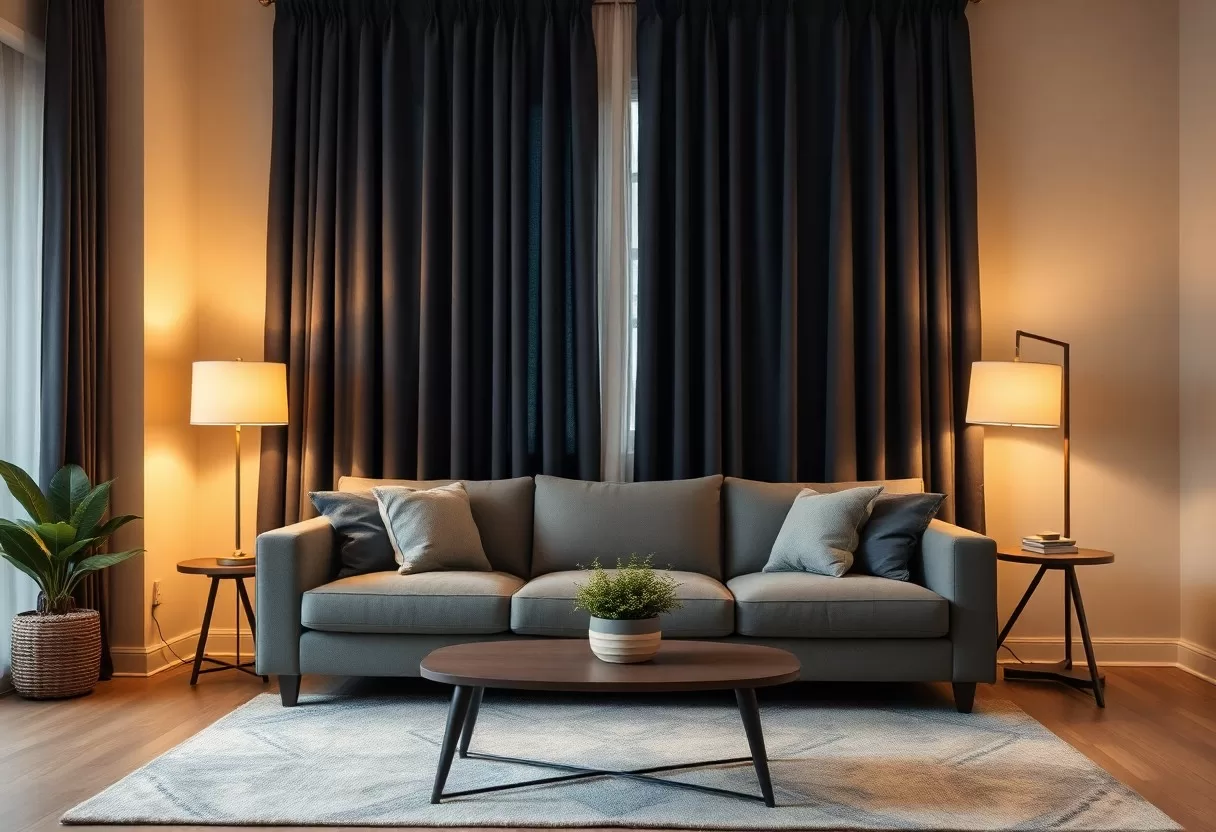
The Psychological Impact of Color Choices
Understanding Color Psychology
Your choice of color directly influences emotions and behaviors. Each hue carries specific psychological associations, such as blue promoting calmness and red eliciting feelings of energy or passion. Awareness of these effects can help you tailor spaces that align with desired feelings or outcomes, enhancing your overall mood and productivity.
Case Studies: Color Schemes That Alter Mood
Various studies demonstrate how different color schemes influence emotional responses. In a workplace setting, research indicated that a green environment can boost creativity by 15%, while blue spaces can enhance focus by 20%. These insights empower you to select color palettes that intentionally shape your emotional landscape.
- In a 2021 study at the University of Texas, green walls increased creativity scores by 15% in brainstorming sessions.
- Research conducted by the University of British Columbia showed that blue office spaces improved productivity metrics by 20% among employees.
- A hotel study by Cornell University found that warm colors like red resulted in a 16% increase in guest satisfaction ratings.
- A 2022 survey of retailers reported that stores using warm yellow increased foot traffic by 25%, triggering feelings of happiness.
Lighting: The Emotion-Influencing Power of Illumination
Your choice of lighting plays a pivotal role in shaping the overall mood of a room. Effective illumination not only enhances aesthetics but also influences emotions and behaviors. The right lighting can energize a space or create a cozy, inviting atmosphere, allowing you to tailor each room to your specific emotional needs.
Natural vs. Artificial Light
Natural light has a unique ability to enhance your mood, promoting feelings of happiness and well-being. You may find that incorporating large windows or skylights in your design allows sunlight to flood in, elevating your spirits. In contrast, artificial light can provide flexibility but often lacks the emotional warmth of daylight. Balancing both can create a dynamic environment that caters to your needs throughout the day.
Warm vs. Cool Tones: What Works Best?
Warm light (around 2700K to 3000K) fosters a sense of comfort and relaxation, ideal for spaces meant for social interaction or winding down. On the other hand, cool light (4000K to 5000K) promotes alertness and focus, making it suitable for workspaces. Each type of light can dramatically shift how you feel in a room, so consider your activities and desired emotions when selecting fixtures.
Warm tones, such as soft yellows and oranges, create a cozy and inviting atmosphere, perfect for living rooms and bedrooms where relaxation is key. You might find that spaces illuminated with warm light encourage conversations and foster connection. Conversely, cool tones can invigorate a space, enhancing concentration and productivity in areas like offices or kitchens. Striking the right balance between warm and cool light not only enhances functionality but also enriches your emotional experience within the space.
Spatial Design: How Layout Shapes Emotional Well-being
Your room’s layout can deeply impact your emotional state, influencing how you interact with your space. A well-designed layout promotes a sense of harmony, leading to increased relaxation and productivity. Conversely, a chaotic arrangement can evoke feelings of anxiety and overwhelm. It’s necessary to consider how you navigate your environment, as the spatial design directly correlates with your comfort and well-being.
Open vs. Closed Spaces: The Feelings They Evoke
Open spaces typically foster feelings of freedom and connection, encouraging social interaction and creativity. In contrast, closed spaces can provide a sense of safety and intimacy, making them ideal for focused work or relaxation. Understanding the emotional impact of your room’s openness or enclosure can help you design a space that aligns with your desired mood.
The Role of Furniture Arrangement in Mood
Furniture arrangement plays a pivotal role in shaping the atmosphere of your rooms. Positioning furniture to promote conversation and interaction can enhance feelings of connectivity, while isolating pieces might create a more serene or introspective ambiance. For instance, a circular seating arrangement invites engagement, whereas a linear layout might promote a more task-oriented environment.
Consider how the arrangement of furniture affects movement and flow within the space. A well-planned layout that encourages natural pathways can minimize feelings of congestion, leading to a more relaxed atmosphere. For instance, placing a cozy armchair near a window invites moments of contemplation, while a cluttered arrangement can evoke stress. Spaces designed with intention allow you to curate your emotional experience, whether it’s a lively gathering or a peaceful retreat, emphasizing the profound relationship between layout and mood.
Nature’s Influence: Bringing the Outdoors Inside
Integrating natural elements within your living spaces creates a serene environment that enhances well-being. By blurring the lines between indoor and outdoor areas, you can elevate your mood and foster a deep connection with nature. This approach not only promotes aesthetic beauty but also cultivates a sense of tranquility, enriching your daily life and making your home a sanctuary of peace.
Biophilic Design: Connecting with Nature
Biophilic design emphasizes the importance of nature in your interiors, allowing you to draw inspiration from natural forms, patterns, and materials. Incorporating natural light, organic shapes, and earthy materials creates harmony in your space. By introducing elements like large windows or green walls, you engage with nature more deeply, leading to improved focus and creativity in your daily activities.
The Benefits of Indoor Plants for Mental Health
Indoor plants significantly enhance your mental health by reducing stress and boosting mood levels. Studies show that having greenery around can improve air quality, lower anxiety, and increase feelings of happiness. Even minimal exposure to nature has been linked to greater emotional stability and creativity, making a compelling case for incorporating plants into your environment.
Research indicates that interacting with indoor plants can decrease levels of cortisol, the stress hormone, making you feel more relaxed. A study by the University of Queensland found that participants in a green workspace reported a 37% reduction in stress levels and a 58% increase in overall well-being. Furthermore, taking care of plants fosters a sense of responsibility and accomplishment, which further boosts your mood. Introducing plants into your space is not just about aesthetics; it’s a powerful step towards enhancing your overall mental health.
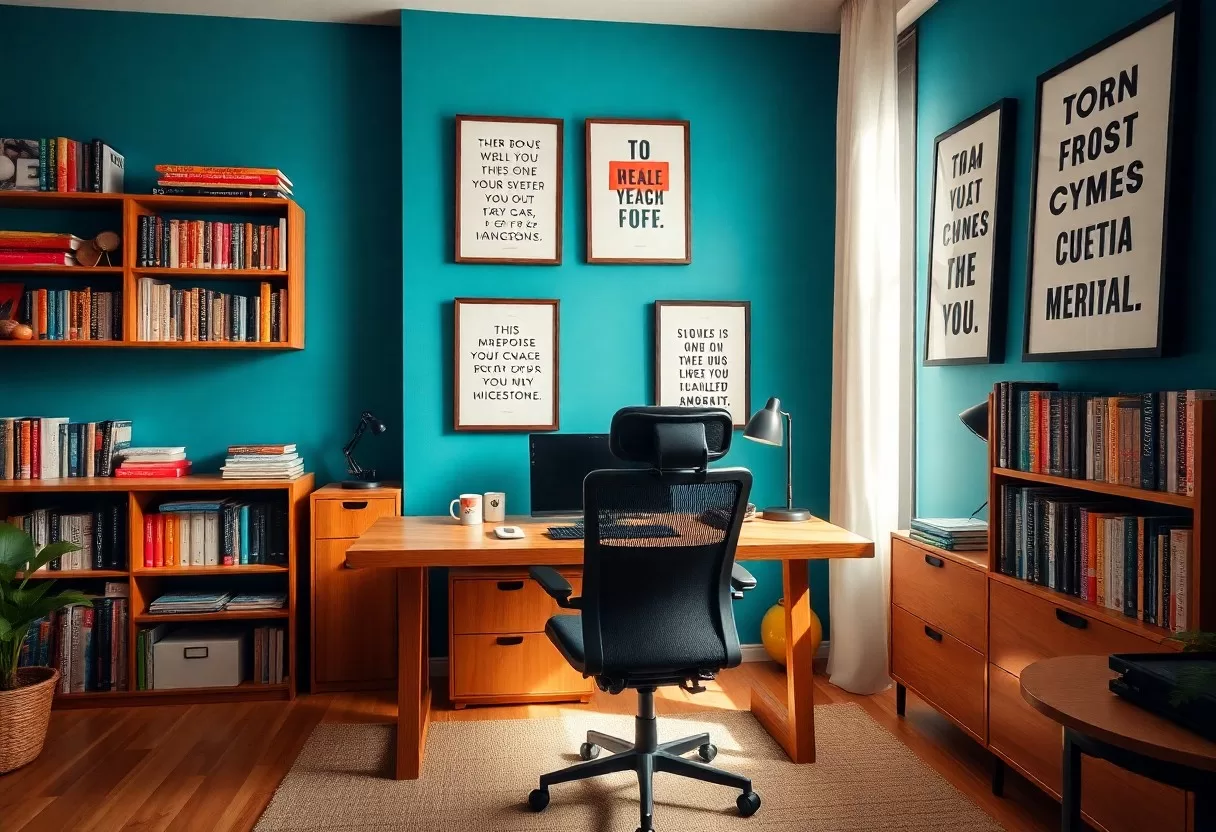
Personalization: Making Spaces Reflect Individual Identities
Personalization transforms a room from a mere setting to a true reflection of who you are. By infusing your unique style and preferences into design choices, you create an atmosphere that resonates with your identity, boosting your sense of belonging and comfort. Incorporating elements like color palettes, decor items, and furniture that echo your passions and experiences allows you to cultivate an environment that inspires and rejuvenates.
The Importance of Personal Touch in Design
Your personal touch in design elevates a space by adding layers of meaning and warmth. Incorporating sentimental items, such as family heirlooms or art that reflects your journey, creates a narrative that enhances emotional well-being. This infusion of identity transforms rooms into inviting, comforting sanctuaries that cater to your individual needs.
Stories Behind Personalization Choices
Every item you choose—whether a vintage chair from a flea market or a piece of artwork from a local artist—has a story. These stories not only shape your space but also evoke memories and emotions, reinforcing your connection to the environment you inhabit. By sharing the significance of these pieces, you invite others into your world, enriching social interactions and fostering deeper connections.
Every choice you make in room design speaks volumes about your history and values. Perhaps a bookshelf filled with your favorite novels tells tales of late-night adventures lost in stories, while a gallery wall of photographs captures each cherished memory. Every item—a rug from your travels or a sculpture from your childhood home—serves as a chapter of your journey, allowing your space to narrate these experiences visually. This storytelling aspect of personalization not only enhances the aesthetic but also encourages interactions and discussions, making your home an extension of your narrative.
To wrap up
Hence, by understanding the impact of design on mood, you can create spaces that elevate your emotional well-being. Consider color schemes, lighting, furniture arrangement, and textures that resonate with you. Tailoring your environment to enhance positive feelings is not just about aesthetics; it’s about cultivating a sanctuary where you can thrive. Ultimately, your ability to design rooms that positively affect your mood will lead to a more harmonious and fulfilling life.
FAQ
Q: How can color influence the mood of a room?
A: Colors have psychological effects on emotions. For instance, warm colors like red and orange can create feelings of warmth and energy, while cooler colors like blue and green often promote calmness and relaxation. Choosing the right color palette can significantly enhance the ambiance of a space.
Q: What role does lighting play in creating a mood in interior design?
A: Lighting is imperative for setting the mood in a room. Natural light can evoke feelings of cheerfulness and vitality, while soft, warm artificial light can create a cozy and inviting atmosphere. Layering different light sources—ambient, task, and accent—allows for versatile mood settings based on the activity or time of day.
Q: How can furniture arrangement affect the emotional feel of a space?
A: The arrangement of furniture can greatly influence the flow and feel of a room. An open layout can promote social interaction and inclusivity, while a more enclosed arrangement can foster intimacy and comfort. Additionally, considering the sightlines and accessibility enhances the overall emotional experience in the space.