The Future Is Modular – Flexible Homes for Modern Living
There’s a growing trend in home construction that prioritizes flexibility and efficiency, evident in the rise of modular homes. These innovative structures allow you to adapt your living space to fit your needs, whether it’s scaling up for a family or downsizing for simpler living. Embracing modular design not only promotes sustainability but also can significantly reduce building costs and construction time. As you consider your future housing options, be prepared to explore how modular homes could redefine your living experience.
The Paradigm Shift: Embracing Modular Living
The shift towards modular living reflects a growing preference for customizable and efficient housing solutions. As urban areas become increasingly congested and housing demands rise, modular homes offer a promising alternative. These homes are designed to adapt to your lifestyle, allowing for easy reconfiguration without the constraints of traditional construction methods. You can enjoy not only aesthetic appeal but also functionality that aligns with modern living needs.
The Rise of Prefabrication and Its Impact
Prefabrication has transformed the construction landscape by enabling faster build times and reducing costs. Homes can be manufactured in sections off-site and assembled quickly on location, significantly minimizing disruptions. You can expect less waste and improved sustainability, as prefabrication often relies on precise engineering and planning. This shift has made homeownership more accessible and allowed for a greater variety of designs tailored to individual preferences.
How Technology is Transforming Building Practices
Emerging technologies are revolutionizing building practices, making modular homes not just feasible but desirable. Innovations such as 3D printing, advanced robotics, and Building Information Modeling (BIM) streamline the construction process. You benefit from reduced labor costs and enhanced precision, which translate to higher quality homes. A recent study noted that homes built using advanced robotics saw a decrease in construction errors by up to 30%, showcasing a significant leap towards efficient building practices.
Exploring further, the integration of smart technology enhances modular living experiences. Homes equipped with smart sensors allow you to monitor energy consumption, optimize heating and cooling, and streamline domestic tasks. These technologies not only improve the functionality of your modular space but also align with sustainable practices by promoting energy efficiency. This evolution signifies a broader movement toward buildings that are dynamic and responsive to your changing needs, paving the way for a future where modular homes become the norm rather than the exception.
Building Blocks: Key Advantages of Modular Homes
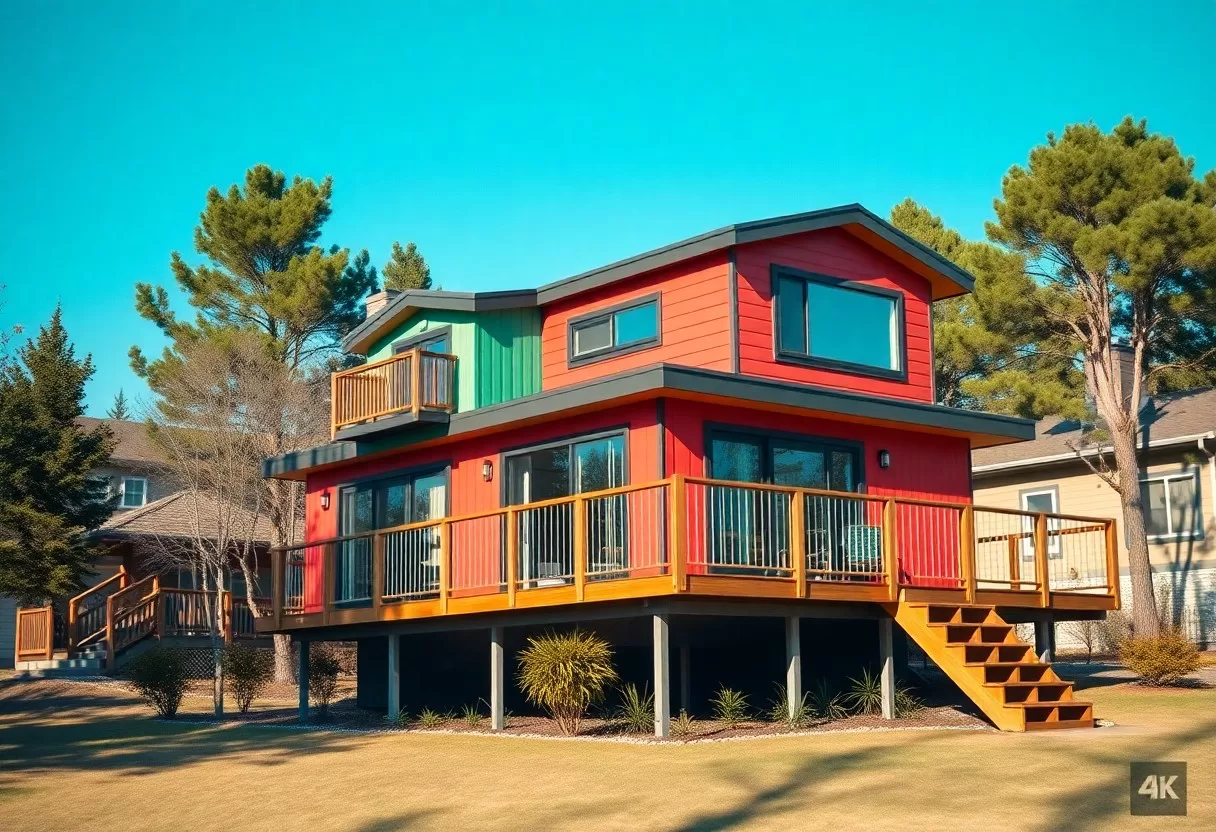
Modular homes offer transformative benefits that align perfectly with contemporary needs. One key advantage is the speed of construction, which enables you to move into your new home much faster than traditional builds. Modular homes are also designed for energy efficiency, translating to lower utility bills and a reduced environmental impact.
Cost Efficiency and Reduced Construction Time
The streamlined construction process of modular homes significantly lowers costs and reduces construction time. By using factory assembly lines, labor costs decrease while materials are purchased in bulk, leading to savings that get passed on to you. Many modular homes can be completed in weeks, rather than months, allowing you to settle in sooner.
Customization and Personalization Opportunities
Modular homes present abundant customization and personalization options, allowing you to tailor every detail to suit your style. From choosing finishes to adjusting layouts, you control the aesthetic and functionality of your space, creating a home that truly reflects your preferences.
When investing in a modular home, customization can reach beyond surface finishes. You can select energy-efficient appliances, sustainable materials, and smart home technology, ensuring your living space not only suits your taste but aligns with your lifestyle. Numerous manufacturers offer an extensive range of design options—ranging from contemporary to traditional—enabling you to make your home unique. Additionally, potential expansions can be planned, enabling your living space to evolve as your needs change over time.
Sustainability Redefined: Eco-Friendly Modular Solutions
Eco-friendly modular homes redefine sustainable living by integrating innovative materials and construction techniques that significantly reduce your ecological footprint. These homes are designed with sustainability at their core, utilizing resources efficiently while providing comfort and style. Modular construction’s inherent adaptability ensures that your living environment can grow and change alongside your needs, all while prioritizing environmental stewardship.
Reducing Waste: How Modular Design Minimizes Environmental Impact
Modular design drastically reduces waste throughout the building process by utilizing off-site construction techniques that optimize material usage. By pre-fabricating components in a controlled factory setting, you significantly decrease on-site waste, leading to cleaner and more efficient construction practices. This method allows for precise cutting and assembly, minimizing surplus materials that traditionally contribute to landfill burdens.
Energy Efficiency: The Long-Term Benefits of Modular Construction
Energy efficiency in modular construction translates into substantial savings on your utility bills over time. The thoughtful design and integration of energy-efficient appliances and systems can reduce energy consumption by up to 30% or more. Moreover, enhanced insulation and airtight construction techniques work together to maintain consistent indoor temperatures, ensuring you benefit from lower heating and cooling costs.
Investing in energy-efficient modular homes means you enjoy long-term financial benefits while also contributing positively to the environment. For instance, many modular homes are built with high-performance windows and Energy Star-rated appliances, which not only optimize energy use but may also qualify you for tax incentives or rebates. Additionally, the durability of modern modular materials often results in lower maintenance costs, enhancing your overall savings while promoting a sustainable lifestyle.
Navigating Challenges: Addressing Misconceptions and Barriers
As you explore the promise of modular homes, you may encounter misconceptions and barriers that could cloud your understanding. Many potential buyers mistakenly believe that modular housing lacks the quality and durability found in traditional builds, while others wrestle with zoning laws that can complicate the installation process. Addressing these challenges head-on is vital in fostering a clearer perception of what modern modular living can offer.
Overcoming Perceptions of Quality and Durability
Concerns about the quality and durability of modular homes often stem from outdated stereotypes. In reality, today’s modular buildings are constructed with the same high standards as traditional homes, utilizing advanced materials and methods. This results in homes that not only meet but often exceed building codes, providing peace of mind for your investment.
Zoning Laws and Regulatory Hurdles in Modular Housing
Navigating zoning laws can present significant challenges for modular housing projects. Local regulations may impose restrictions on where modular homes can be placed, affecting their accessibility and integration into existing neighborhoods. Understanding the specifics of these regulations ahead of time can help you avoid potential delays and complications.
Many areas have outdated zoning codes that fail to account for the benefits of modular construction. For instance, some municipalities might designate specific zones for traditional homes but exclude modular structures entirely, even though modular homes often blend seamlessly with their surroundings. Engaging with local planning departments early in your process allows you to advocate for changes or waivers while ensuring compliance with any existing codes. Researching successful case studies in regions that have embraced modular housing can also empower your discussions with local regulators, showcasing the positive impact on community growth and housing accessibility.
The Future Landscape: Predictions for Modular Living in Urban Environments
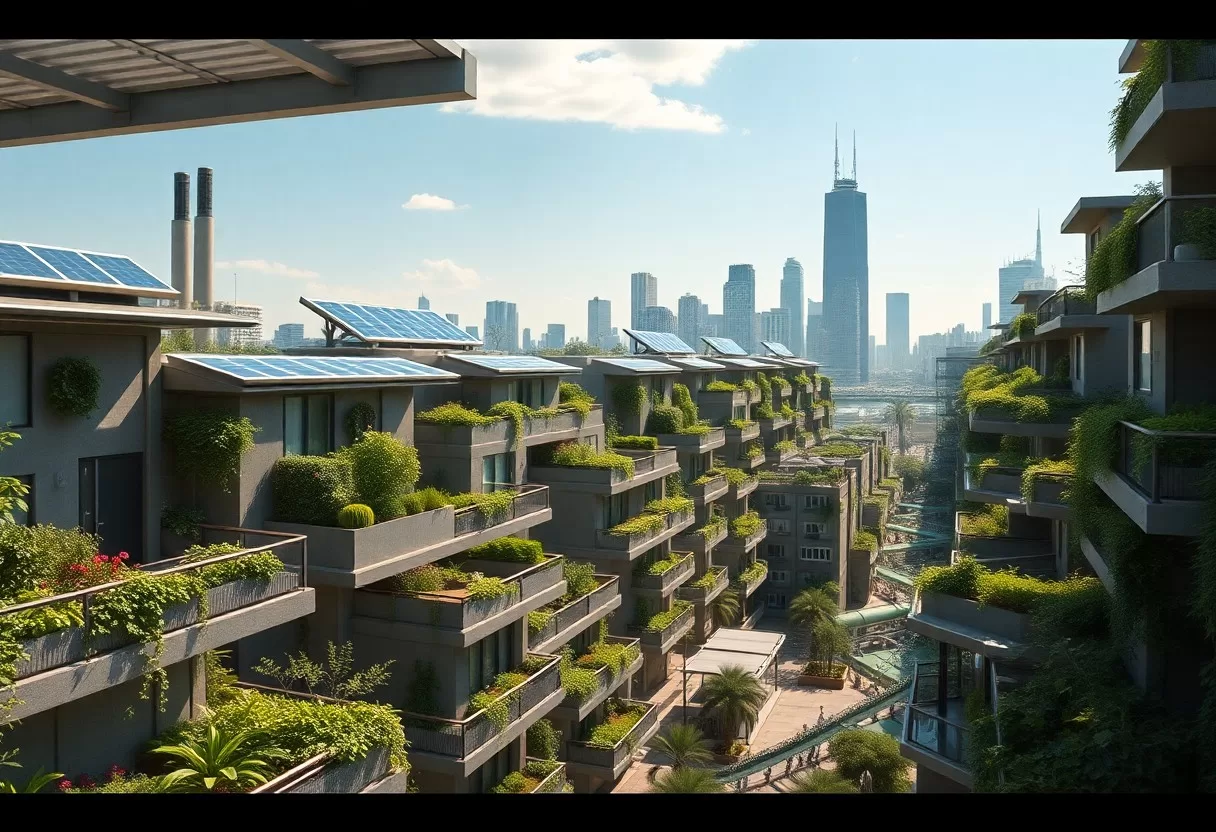
The rise of modular living will significantly reshape urban landscapes, fostering adaptability and efficiency. Cities will increasingly embrace modular designs to accommodate rapidly growing populations while maximizing space. This approach not only diversifies housing stock but also enables quick responses to changing demographics and economic factors. By 2030, urban areas could see a 30% rise in modular housing, setting a precedent for sustainable, flexible living arrangements that prioritize community and environmental integration.
Modular Homes as a Solution to Housing Crises
Modular homes provide a viable solution to ongoing housing crises by reducing construction time and costs. With nearly 70% faster build times compared to traditional homes, modular units can quickly address shortages in urban areas. These structures offer affordability without compromising quality, making them attractive options for first-time homebuyers and low-income families alike.
The Role of Modular Design in Smart Cities
Modular design plays a pivotal role in the development of smart cities by enabling technology integration within housing solutions. Homes equipped with smart technology can optimize energy use, enhance security, and improve overall livability. For instance, modular units can easily incorporate renewable energy systems, ensuring residents have access to sustainable resources. Additionally, their adaptability allows for seamless updates as technology evolves, creating a future-proof living environment.
In smart cities, modular design goes beyond mere aesthetics; it transforms how you interact with your environment. You’ll find that homes can feature embedded IoT systems that manage energy consumption and air quality or allow for mobile applications that enhance convenience. Cities like Singapore and Amsterdam have already begun incorporating modular solutions to create connected communities that prioritize sustainability and functionality. As urban technology advances, modular homes will continue to evolve, aligning with global movements towards smarter, more efficient living spaces.
Summing up
With these considerations, you can confidently embrace the future of modular living. Flexible homes offer adaptable, efficient solutions tailored to your lifestyle needs, maximizing both functionality and aesthetic appeal. By choosing modular designs, you foster sustainability and innovation in your living space, enhancing your everyday experience. As modern living evolves, investing in a modular home positions you at the forefront of a transformative housing movement, ensuring your home remains relevant and accommodating for years to come.
FAQ
Q: What are modular homes?
A: Modular homes are prefabricated structures built in sections or modules in a factory setting. These modules are then transported and assembled on-site. This construction method allows for quicker builds, reduced waste, and often more customizable living spaces.
Q: How do modular homes contribute to sustainable living?
A: Modular homes contribute to sustainable living by using efficient manufacturing processes that reduce material waste. They can be designed with energy-efficient systems, sustainable materials, and options for solar panels, promoting a lower ecological footprint and reduced energy costs.
Q: Can modular homes be customized to suit individual needs?
A: Yes, modular homes can be highly customized. Buyers can choose from various designs, layouts, finishes, and features to create a living space that meets their specific preferences and requirements, making them suitable for diverse lifestyles and family structures.