
Off‑Grid Living Gets Modern – Top Sustainable Retreats and Tiny Houses
Just imagine immersing yourself in the simplicity of off-grid living while enjoying the comforts of modern design. This blog post explores top sustainable retreats and innovative tiny houses that redefine your escape into nature. You’ll discover how these retreats utilize renewable energy, eco-friendly materials, and innovative technology to create a harmonious lifestyle. From picturesque locations to cutting-edge green features, you’ll gain insight into how you can elevate your off-grid experience while contributing to a sustainable future.
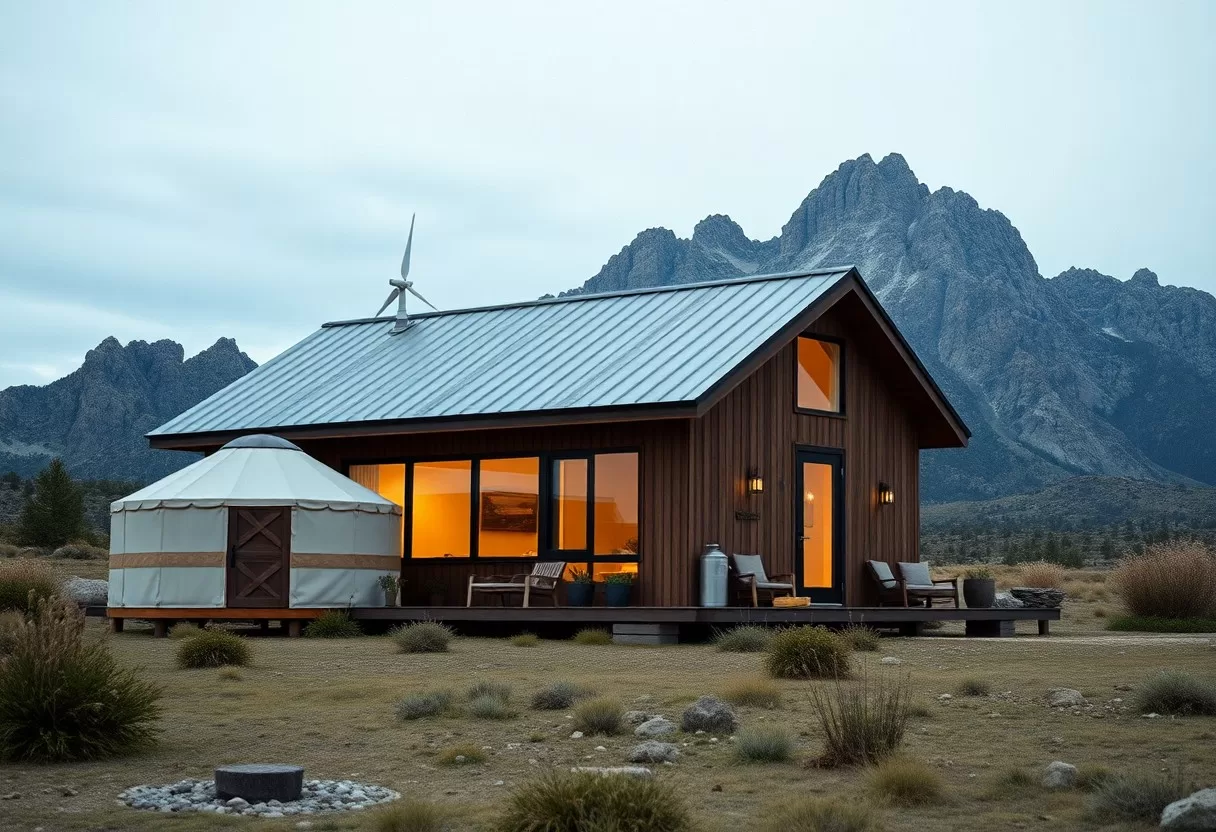
Key Takeaways:
- Modern off-grid living combines sustainability with advanced technology, offering comfort and reduced environmental impact.
- Top sustainable retreats and tiny houses often utilize renewable energy sources and eco-friendly materials.
- Design innovations in small living spaces maximize efficiency and promote a minimalist lifestyle.
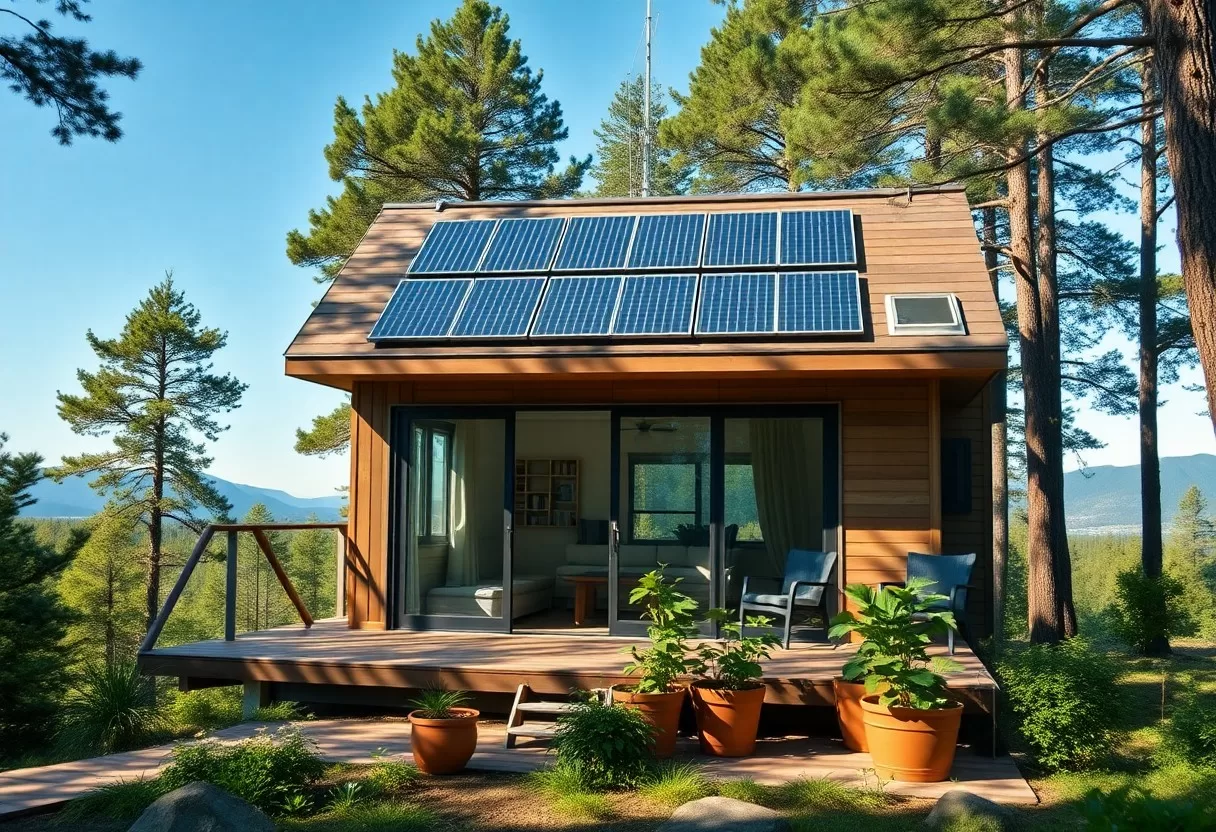
The Rise of Off-Grid Living
Interest in off-grid living has surged as more individuals seek self-sufficiency and a sustainable lifestyle. With climate change and resource scarcity looming, you may find yourself drawn to the idea of disconnecting from traditional utilities. Reports indicate that as of 2022, nearly 4 million households in the U.S. are fully or partially off-grid, showcasing a growing trend towards independence from conventional energy sources.
Understanding Off-Grid Concepts
Off-grid living centers on energy independence, allowing you to produce your own energy through renewable sources such as solar panels or wind turbines. This lifestyle promotes not just sustainability but also a deeper connection to nature, encouraging you to rely on water harvesting, composting, and other eco-friendly practices. Understanding these concepts is pivotal as you explore the feasibility of your own sustainable retreat.
The Appeal of Sustainable Retreats
You may find that sustainable retreats offer a unique escape from the hustle of urban life, providing an eco-friendly lifestyle that is both enriching and restorative. These retreats often feature minimalist design, focusing on harmony with the environment. Many are strategically located in scenic areas, immersing you in nature while providing access to resources that foster self-sufficiency.
Sustainable retreats not only prioritize environmental integrity but also emphasize personal well-being. Many offer amenities such as organic gardens, tranquil hiking paths, and workshops on permaculture, inviting you to engage in a meaningful lifestyle transformation. With a commitment to sustainability, these spaces cultivate community and offer you the chance to connect with like-minded individuals, enhancing your off-grid experience and promoting a lifestyle anchored in environmental stewardship.
Top Sustainable Retreats
Discover a range of sustainable retreats that blend luxury with eco-consciousness. These innovative spaces prioritize renewable energy, local materials, and nature-inspired aesthetics to create serene habitats. From treehouses nestled in lush forests to desert cabins featuring solar power, each retreat reflects a commitment to sustainability while providing an escape from everyday life.
Innovative Design and Architecture
Each retreat boasts cutting-edge designs that harmonize with their surroundings. For instance, tiny homes often utilize modular construction and salvaged materials, ensuring minimal environmental impact while maximizing functionality. These designs seamlessly integrate smart technologies for energy efficiency, optimizing your comfort and the ecological footprint.
Location and Accessibility
Strategically situated in breathtaking locales, many sustainable retreats offer remote yet accessible experiences. Coastal properties provide breathtaking ocean views, while mountain cabins invite you to explore rugged terrains. Though off-grid, most are reachable via well-maintained roads or short hikes, making them perfect for your weekend getaway or extended stays.
Accessibility doesn’t compromise the secluded nature of these retreats. A prime example includes the highly-rated Glamping retreats located in national parks, where you can enjoy stunning landscapes without sacrificing convenience. Many retreats are just a few hours from major cities yet give you the sense of being worlds away, often featuring nearby hiking trails, local farm markets, or artisanal shops, enriching your off-grid experience without isolating you completely.
Tiny Houses: A Modern Solution
Tiny houses emerge as a practical solution for those eager to embrace minimalist living without sacrificing comfort or style. These compact homes are designed to maximize space, offering innovative layouts that promote functionality while reducing your carbon footprint. With an emphasis on sustainability and affordability, tiny houses appeal to eco-conscious individuals looking for a modern lifestyle that aligns with their values.
Benefits of Tiny House Living
Choosing a tiny house provides several advantages, including lower energy costs, reduced environmental impact, and a simpler lifestyle. With less space to maintain, you can more easily declutter and focus on experiences rather than possessions. Additionally, many tiny houses are built with eco-friendly materials and integrate renewable energy sources, further enhancing your commitment to sustainability.
Customization and Personalization Options
Customization is a key feature of tiny house living, allowing you to tailor your space to fit your unique lifestyle and aesthetic. Options range from selecting sustainable materials to customizing floor plans that meet your specific needs. Whether it’s integrating multifunctional furniture or incorporating smart home technology, the possibilities are nearly limitless.
For instance, you might choose to install solar panels for energy independence or opt for reclaimed wood finishes that enhance warmth and character. Additionally, many tiny house builders offer bespoke designs, enabling you to select elements like cabinetry color, window sizes, and even layouts that accommodate hobbies or workspaces. This level of personalization ensures that your tiny home is not only functional but also a reflection of your individual taste and lifestyle priorities.
Essential Off-Grid Technologies
Modern off-grid living relies heavily on innovative technologies that enhance sustainability and self-sufficiency. Incorporating systems like solar energy, wind turbines, and composting toilets not only reduces your environmental footprint but also provides autonomy over your daily needs. Explore Off Grid Tiny House Ideas for inspiration on how to integrate these technologies into your lifestyle.
Renewable Energy Sources
Harnessing renewable energy sources is fundamental for off-grid living. Solar panels, small wind turbines, and micro-hydro systems can provide sufficient energy to power your appliances, lighting, and heating. You can achieve energy independence by generating your own power, cutting down on utility costs and minimizing reliance on fossil fuels.
Water and Waste Management Systems
Effective water and waste management systems are vital for maintaining off-grid sustainability. Rainwater harvesting systems can supply fresh water, while composting toilets and gray water recycling ensure efficient waste disposal. This approach minimizes environmental impact and promotes eco-friendly living.
Implementing a rainwater harvesting system allows you to collect and reuse precipitation, greatly reducing your demand on local water supplies. This system can be paired with a filtration system to ensure water quality. Composting toilets, on the other hand, convert human waste into nutrient-rich compost, reducing the need for traditional sewage infrastructure and fostering a closed-loop approach to waste management. By combining these solutions, you can create a self-sufficient setup that not only meets your needs but also respects the environment.
Community and Off-Grid Living
Embracing off-grid living often means forging connections with like-minded individuals, leading to a rich tapestry of community life. You discover that sharing values of sustainability and self-sufficiency fosters deeper relationships, important for thriving in remote locations. Communities often revolve around shared goals, focusing on ecological responsibility and collective resilience against environmental challenges.
Shared Resources and Cooperation
Pooling resources is not just a strategy; it’s a necessity in off-grid environments. By collectively managing elements such as water systems, energy production, and even communal gardens, you reduce individual burdens and enhance efficiency. For instance, community solar projects allow multiple households to benefit from renewable energy sources while lowering costs, demonstrating the power of collaboration.
Building a Sustainable Community
Cultivating a sustainable community involves creating systems that support environmental stewardship and social cohesion. You might initiate projects like community gardens or skill-sharing workshops, which not only provide food and knowledge but also strengthen bonds among members. The best examples show how groups can innovate together, utilizing local resources to create thriving ecosystems.
Building a sustainable community requires dedication and vision. You can establish governance structures that prioritize sustainability, ensuring that everyone has a voice in decision-making. This might include regular meetings to address community needs or setting up committees focused on specific projects, such as food production or waste management. Case studies of eco-villages reveal that when individuals contribute skills-from agriculture to carpentry-the overall community becomes more self-reliant, while also cultivating a shared culture of responsibility and respect for nature.
Challenges and Considerations
Off-grid living presents unique challenges that require careful planning and consideration. Transitioning to a sustainable lifestyle involves understanding the limitations of resources like water and energy, as well as addressing various legal regulations and permits in your area. Additionally, the potential for isolation can lead to a sense of disconnect from modern amenities and services. However, innovative solutions, such as the Ecocapsule | Sustainable Micro Home for Off-Grid Living, can help alleviate some of these concerns while enhancing your living experience.
Initial Costs and Investment
Investing in an off-grid lifestyle often comes with substantial initial costs. Purchasing land, installing solar panels, and building or buying a tiny house can require significant capital upfront. Depending on the features you choose and your location, initial costs can range from $20,000 to over $100,000. However, this investment can lead to lower monthly expenses and potential tax benefits related to renewable energy.
Long-Term Sustainability
Long-term sustainability relies on efficient resource management and resilience. You must consider water conservation, waste management, and energy production methods to ensure that your off-grid setup remains viable over time. Utilizing renewable sources, like solar or wind power, and implementing sustainable practices will lessen your environmental footprint while providing the vital resources you need.
Transitioning to a long-term sustainable lifestyle requires an ongoing commitment to adapting and improving your systems. Investing in energy-efficient appliances, engaging in permaculture practices, and utilizing rainwater harvesting can significantly impact your sustainability. By monitoring your consumption and continually seeking eco-friendly solutions, you can create a self-sufficient environment that nurtures both the ecosystem and your well-being. Many successful off-grid pioneers have turned their experiences into vibrant communities focused on sharing knowledge and resources, making long-term sustainability not just achievable, but also enjoyable.
To wrap up
Considering all points, embracing off-grid living through modern sustainable retreats and tiny houses offers you a path towards enhanced self-sufficiency and eco-friendliness. You can enjoy the simplicity of life while reducing your carbon footprint and connecting with nature. By choosing a specifically designed retreat or tiny home, you can harness the benefits of innovative technologies and sustainable practices. This lifestyle not only fosters a deeper relationship with your environment but also empowers you to create a fulfilling and mindful existence away from the hustle and bustle of conventional living.
FAQ
Q: What are the benefits of off-grid living in modern sustainable retreats?
A: Off-grid living offers independence from conventional utilities, lower living costs, and a reduced ecological footprint. Sustainable retreats often incorporate renewable energy sources like solar and wind power, promoting environmental stewardship while allowing residents to experience a simpler, more self-sufficient lifestyle.
Q: How do tiny houses contribute to sustainable living?
A: Tiny houses require fewer resources to build and maintain, resulting in a smaller environmental impact. They promote minimalism, reducing clutter and consumption. Many tiny homes are designed with energy-efficient features such as insulation, energy-saving appliances, and renewable energy systems, further enhancing sustainability.
Q: What challenges might one face when choosing to live off-grid?
A: Key challenges include a reliance on technology for energy and water, initial setup costs for sustainable systems, and the need for regular maintenance. Additionally, adapting to a less conventional lifestyle and potential isolation from urban amenities can be significant considerations for those transitioning to off-grid living.