
Modern Farmhouse Revival – Why Rustic Meets Minimalist Still Captivates
It’s clear that the modern farmhouse revival has transcended mere trend status, capturing your imagination with its blend of rustic charm and minimalist design. This captivating style harmonizes the warmth of natural materials with clean lines and functional spaces, making your home both inviting and stylish. By integrating vintage elements with contemporary aesthetics, you create a unique environment that reflects your personality while embracing sustainability. Explore how this design fusion resonates with those seeking both comfort and simplicity in their living spaces.
Key Takeaways:
- The blend of rustic charm and minimalist aesthetics creates a warm yet streamlined living environment.
- Natural materials and neutral color palettes are crucial elements, promoting tranquility and simplicity.
- This design philosophy emphasizes functionality and comfort, catering to a desire for both practicality and coziness in homes.
The Origins of the Modern Farmhouse
A. Historical Significance
Your understanding of the modern farmhouse can be enriched by its roots in 19th-century American agricultural life. Originally designed for function, these homes catered to the demands of rural living, featuring expansive porches and large, functional kitchens. As families sought comfort alongside utility, these homes became a cornerstone of community life, symbolizing a connection to the land and representing the American spirit of hard work and resilience.
B. Architectural Elements
Familiarize yourself with core architectural features that define the modern farmhouse, such as gabled roofs, wide eaves, and simple, symmetrical lines. Interiors often showcase open floor plans, blending spacious living areas with rustic touches like reclaimed wood beams and shiplap walls. This fusion of design not only emphasizes natural light but also fosters a sense of harmony and connection with the outdoors, echoing its countryside origins.
The Allure of Rustic Design
Natural Materials
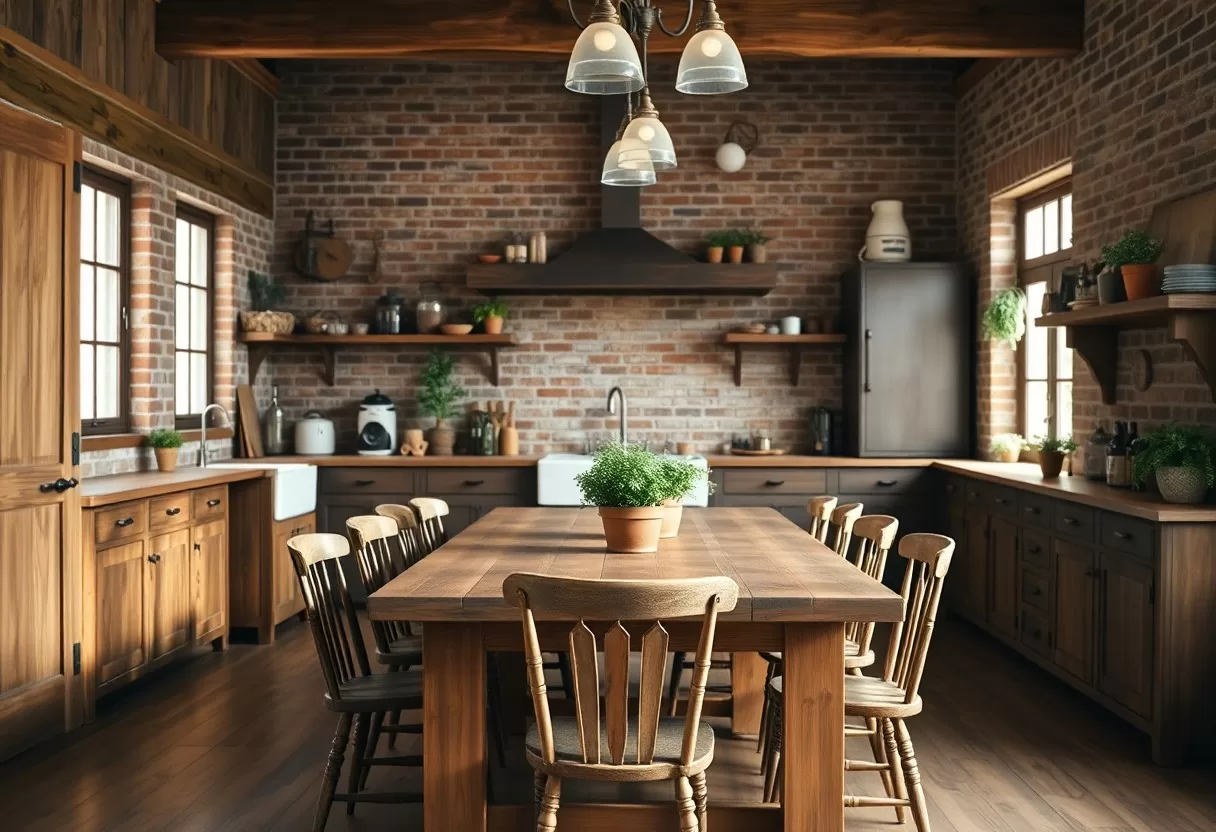
Embracing natural materials like reclaimed wood, stone, and metal adds a richness to your home. The *character* found in weathered finishes tells stories of the past, making each piece unique. For example, using salvaged barn wood for cabinetry not only creates visual interest but also supports sustainability. This connection to nature aligns with a growing consumer preference, as studies show that 85% of buyers are drawn to homes featuring natural elements. Your choice in materials can thus enhance both aesthetics and environmental consciousness.
Cozy Aesthetics
The *cozy aesthetics* of rustic design invite warmth and relaxation into your space. Think *plaid textiles*, comfortable sofas, and soft lighting that create a welcoming atmosphere. Layering different textures, from chunky knits to weathered leather, makes your home feel lived-in and inviting. For instance, a simple wool throw draped over a leather armchair can instantly elevate the comfort level of your living room. This style resonates with a desire for *sanctuary*, making you feel at home in your own space while fostering meaningful connections with family and friends.
Minimalist Principles
A. Simplicity and Functionality
Embracing simplicity means prioritizing what truly matters in your space. By focusing on functionality, you allow each element in your home to serve a purpose, enhancing the overall aesthetic. Think of furniture that doubles as storage or decor that reflects personal style without overwhelming the senses. The balance of form and function prevents clutter, ensuring every item contributes to your home’s cohesive design. For insights on how this has evolved, check out The Evolution of Modern Farmhouse Style: From Rustic ….
B. Open Spaces
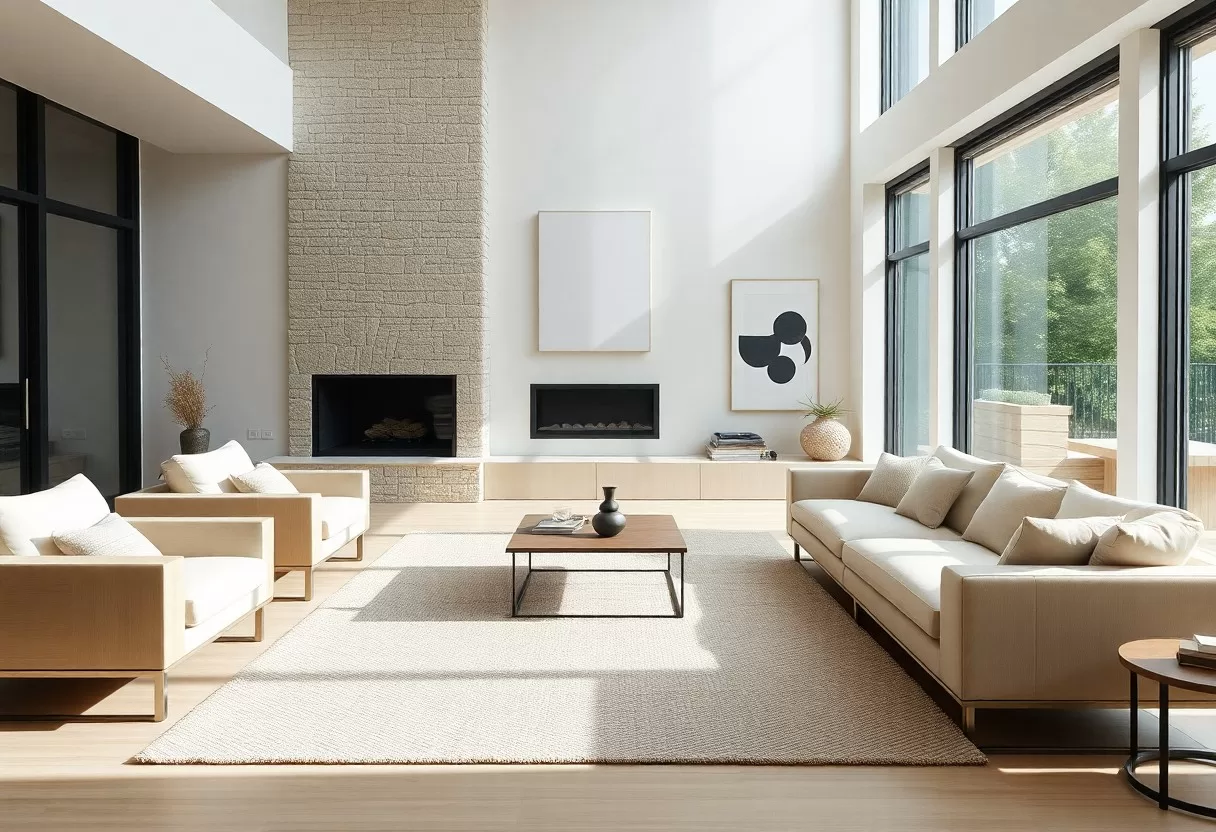
Open spaces are pivotal in creating an inviting environment that promotes flow and interaction within your home. By removing unnecessary walls, you enhance natural light and facilitate a connection between different areas, making your living atmosphere feel more expansive. This design choice not only optimizes functionality but also cultivates a sense of peace and calm. Strategically placing furniture can define zones while maintaining the airy feel, allowing you to enjoy the simplicity of your modern farmhouse.
Blending Rustic and Minimalist Styles
Key Design Features
Incorporating rustic elements such as reclaimed wood beams and vintage accents alongside minimalist features like clean lines and multifunctional furniture creates a harmonious balance. You can opt for open shelving to display handmade ceramics, while sleek furniture pieces will prevent a cluttered feeling. Accessories, like a farmhouse table paired with contemporary chairs, illustrate this blend beautifully. Look for ways to integrate natural textures, maximizing both warmth and functionality in your design.
Color Palettes
Your color choices should reflect a mix of earthy tones and crisp neutrals. Shades of soft whites and warm grays complement rustic elements, while deep greens and muted blues can add depth. Incorporating a feature wall with barn wood or a slate gray enhances visual interest without overpowering. For inspiration, check this discussion on how Farmhouse Style Meets Industrial Elements in Home Decor to see how these palettes work in real spaces.
Furnishing the Modern Farmhouse
Choosing the Right Furniture
Selecting furniture that complements the modern farmhouse aesthetic requires a blend of functionality and style. Opt for pieces crafted from natural materials like reclaimed wood or distressed leather, which add warmth and character. For seating, consider oversized sofas with clean lines, paired with vintage-inspired chairs. Mixing high-quality modern designs with rustic finds creates a balanced look, allowing your space to feel cozy yet sophisticated.
Accessorizing with Intent
Your choice of accessories can transform a space from ordinary to exceptional. Use handmade ceramics or artisan textiles to reflect a personal touch. Incorporate items such as vintage glass jars and woven baskets for added texture. Layering these elements creates depth; think about adding a large statement mirror or a gallery wall of framed art to enhance the farmhouse charm while keeping your minimalist approach intact.
Case Studies of Successful Designs
Inspiring Transformations
You’ll find remarkable examples of the modern farmhouse revival that merge rustic charm with minimalist elegance. The 3200 sq ft home in Asheville, NC, underwent a $250,000 renovation, featuring reclaimed wood beams and sleek, open spaces that invite natural light. Another standout project in Texas swapped out dated materials for eco-friendly alternatives, reducing energy costs by 30%. Homes like these illustrate how thoughtful design choices can create inviting, sustainable spaces.
Lessons from Notable Projects
Many successful designs showcase valuable insights for your own spaces. A renovated farmhouse in New York highlighted the combination of traditional materials and modern fixtures, enhancing aesthetic flexibility while increasing property value by 40%. A standout case in Colorado utilized smart home technology, integrating rustic features with efficiency, leading to a 20% decrease in utility expenses. Each project reinforces the significance of balancing authenticity with contemporary needs.
- Asheville, NC – 3200 sq ft renovation, $250,000 budget, reclaimed wood beams.
- Texas eco-friendly home – reduced energy costs by 30% with sustainable materials.
- New York farmhouse – combined traditional and modern, increasing value by 40%.
- Colorado smart home – integrated rustic with technology, 20% decrease in utility costs.
To wrap up
As a reminder, the modern farmhouse revival blends rustic elements with minimalist design to create a captivating aesthetic that resonates with many. By incorporating natural materials, earth tones, and functional spaces, you can achieve a harmonious balance that reflects your style while offering warmth and comfort. This design approach not only enhances the beauty of your home but also fosters a sense of serenity, making it an ideal choice for those seeking both charm and simplicity in their living spaces.
FAQ
Q: What are the key design elements that define the modern farmhouse style?
A: The modern farmhouse style combines rustic elements like exposed wood beams and shiplap with minimalist aesthetics, featuring neutral color palettes, open spaces, and functional furniture that emphasizes simplicity and practicality.
Q: How can one achieve the modern farmhouse look without it becoming overly cluttered?
A: Focus on selecting a few statement pieces that highlight rustic charm while ensuring that each item serves a purpose. Use natural materials and textures, and maintain a clean, uncluttered space by limiting decorative items and opting for multi-functional furniture.
Q: Why has the modern farmhouse style remained popular in contemporary design?
A: Its appeal lies in the balance between warmth and simplicity. The fusion of rustic and minimalist features creates inviting spaces that promote comfort, while their timeless quality allows for adaptability in various design settings.