
Mixing Woods and Metals – Tips for Creating Depth and Authenticity
Over time, blending wood and metal in your decor can elevate your space, creating an atmosphere of depth and authenticity. By understanding the characteristics of each material, you can enhance the aesthetic appeal of your environment. Focus on balancing warm, natural tones of wood with the cool, sleek finishes of metal to achieve a harmonious look. Incorporating various textures will add visual interest, so be mindful of scale and proportions to avoid overwhelming your space. This guide will provide you with actionable tips to master the art of mixing these materials effectively.
Key Takeaways:
- Combine different wood finishes and metal tones for a balanced look that enhances aesthetics.
- Incorporate texture through varying materials to add visual interest and depth.
- Ensure harmony by matching the style and color palette of woods and metals in your design.
Understanding the Aesthetic of Mixing Woods and Metals
Mixing woods and metals creates a captivating aesthetic that enhances the character of your space. Various wood types exhibit unique grains and tones, while metals like brass, copper, or steel add a touch of elegance and modernity. Embracing the balance between these elements fosters a cohesive design. Explore How to Mix Wood Tones in Interior Design: Expert Tips … for deeper insights.
The Importance of Texture and Contrast
Texture and contrast play pivotal roles in making your space visually intriguing. Pairing the warm, organic feel of wood with the sleek, cool surfaces of metal introduces depth and interest. You can mix various wood finishes alongside metals in different treatments to create a dynamic interplay that keeps your design vibrant and engaging.
Choosing Complementary Finishes
Selecting finishes that complement each other is vital in achieving a harmonious blend. For instance, pairing a rich walnut with a brushed nickel can evoke warmth while maintaining a modern edge. Ensure that the metals’ tones resonate with the wood’s undertones, allowing for a seamless transition and unifying your overall design.
Focusing on complementary finishes requires a keen eye for detail and an understanding of color palettes. Consider warm woods such as oak and cherry alongside warmer metals like bronze or gold, creating an inviting atmosphere. Alternatively, cool woods like ash or birch harmonize beautifully with stainless steel or chrome. Test samples in your space to see how the natural light interacts with each finish, ensuring they enhance rather than compete with one another.
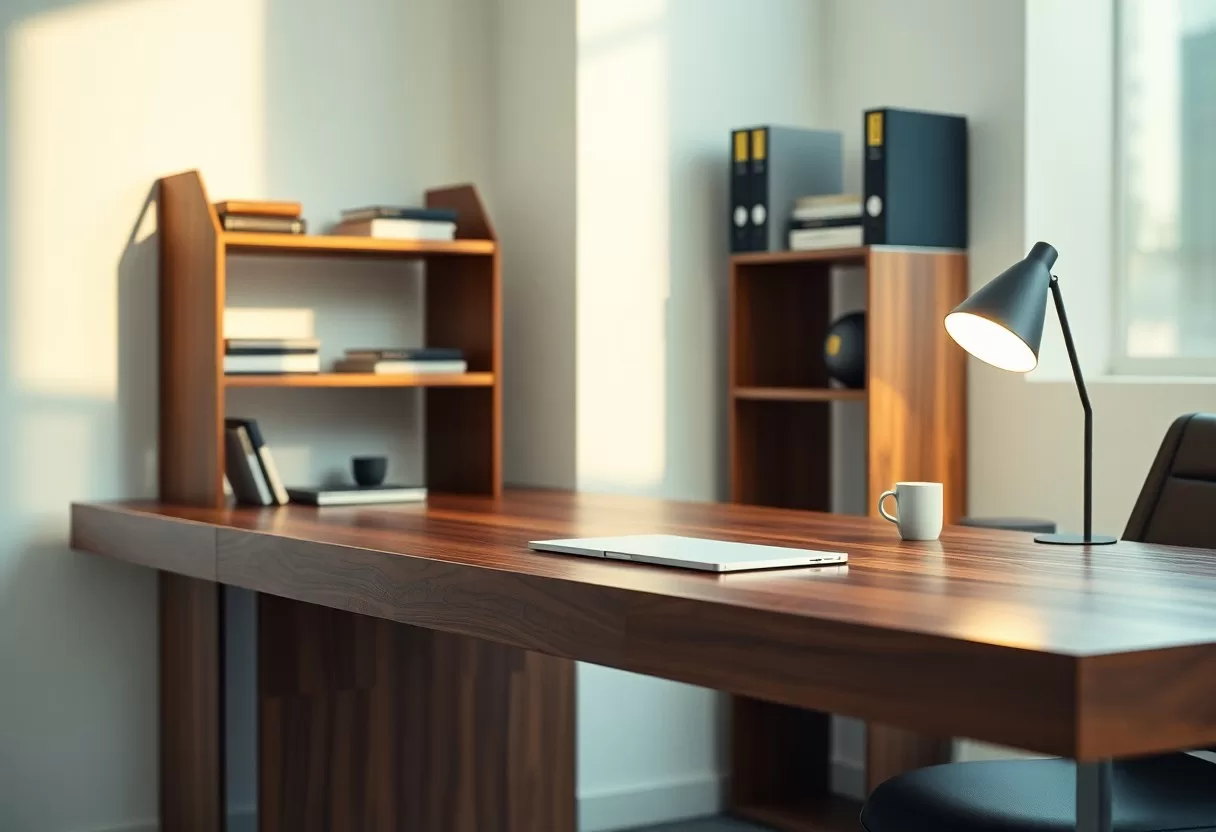
Types of Woods to Consider
Exploring various types of wood enriches the aesthetic of your space with texture and warmth. Each type brings its own character, complementing metals beautifully. Key options include:
- Oak – durable and versatile
- Maple – light and takes stain well
- Walnut – rich color and grain
- Pine – affordable and lightweight
- Cedar – aromatic and resistant to decay
Thou can mix these woods effectively with different metals for a truly unique look.
| Wood Type | Characteristics |
|---|---|
| Oak | Strong, water-resistant, ideal for furniture |
| Maple | Hard and dense, smooth surface |
| Walnut | Elegant, rich brown hues, often used in fine furniture |
| Pine | Flexible, easy to work with, common in casual decor |
| Cedar | Natural resistance to insects and decay, great outdoors |
Hardwoods vs. Softwoods
Your choice between hardwoods and softwoods significantly influences durability and appearance. Hardwoods, such as oak and maple, come from deciduous trees and are ideal for lasting furniture. Softwoods, like pine and cedar, are derived from conifers and often feature a lighter weight, making them easier to work with. Their varying densities can also affect the overall warmth and style of your designs.
Popular Choices and Their Characteristics
Popular wood choices vary in style and functionality. Oak stands out for its durability and classic appeal, making it a favorite for traditional settings. Walnut offers a rich, dark hue that adds sophistication, often preferred in contemporary designs. Pine is budget-friendly and embraces a rustic charm, perfect for casual aesthetics. Cedar not only looks appealing but also boasts natural decay resistance, suitable for outdoor applications. Understanding these attributes helps you select the right wood for your project.
Choosing woods like oak and walnut offers not just aesthetic appeal but also longevity. When you incorporate these into your designs, the warmth and sophistication play well with metals like brass or steel. For instance, pairing walnut with brushed metal lends a modern yet timeless look, while rustic pine works well with forged iron, creating an inviting farmhouse style. Each wood type can significantly elevate the authenticity and depth of your interior, allowing you to express your personal taste beautifully.
Metals in Design
Incorporating metals into your design scheme introduces an element of sophistication and durability. Metals serve as striking contrasts to wood and can enhance the overall aesthetic by adding shine, texture, and structure. From sleek modern finishes to rustic patinas, the right metal can elevate the visual interest of any space. Experiment with different types, finishes, and applications to achieve a layered look that feels both authentic and curated.
Common Metals Used in Furniture
Furniture design often features metals such as steel, brass, and aluminum, each offering distinct qualities. Steel is favored for its strength and clean lines, while brass adds warmth and character with its antique appeal. Aluminum, being lightweight and versatile, is popular for both indoor and outdoor pieces. Each metal can influence the overall feel of your space, making it vital to choose wisely based on your design goals.
How to Select the Right Metal Finish
Choosing a metal finish relies on aligning it with your overall aesthetic and functional desires. Consider the durability needed; for high-traffic areas, a polished or brushed finish may resist wear, while softer, hand-finished options offer a unique charm. Additionally, think about how the finish interacts with light; matte surfaces can create a softer ambiance, while shiny metals can enhance brightness and create focal points.
Deciding on the right metal finish also involves understanding the maintenance required. For instance, polished metals may need regular cleaning to prevent tarnishing, whereas matte finishes can hide fingerprints and scratches better. Evaluate your lifestyle and space to select a finish that complements not only the design but also your day-to-day living conditions. For example, a brass accent table can add warmth to a cozy living room, while a stainless steel frame can offer a modern touch in a minimalist, contemporary setting.
Techniques for Combining Materials
Successful blending of wood and metal hinges on practical techniques that enhance both aesthetics and functionality. Start by experimenting with the types of wood and metal you choose; opt for a mix of textures, such as smooth finishes paired with rustic grains. Incorporate metal accents like brackets or frames that not only provide structural support but also create striking visual interest. You can also explore various joining methods, such as welding or gluing, that compliment your design while ensuring durability.
Layering and Placement Strategies
Effective layering can elevate the interaction between wood and metal in your design. Consider placing wood elements as the foundation, using metal accents to enhance and define specific areas. Arranging metal pieces at varying heights adds depth and dimension, while strategically positioning wood can help frame your design and guide the viewer’s eye throughout the space.
Creating Visual Balance
Achieving visual balance involves distributing the weight of materials effectively throughout your design. Evenly distribute metal and wood elements, ensuring that larger pieces of wood are complemented by smaller metal accents. Aim for symmetry where possible, but don’t shy away from asymmetrical arrangements that create intrigue. Use color and finish to unify the materials, allowing varying hues and textures to harmonize rather than clash.
Consider the scale and proportion of your materials; for instance, a large reclaimed wood table paired with slender metal chairs creates contrast and balance without overwhelming the space. Incorporate metals in different finishes—such as brushed, polished, or matte—against the warm tones of wood. Additionally, utilize negative space to prevent overcrowding, allowing each element to breathe and stand out, ultimately reinforcing the feel of authenticity in your design.
Practical Applications
Incorporating wood and metal in your design can drastically alter the ambience of your space. By understanding the practical applications, you can create settings that feel both modern and timeless. Whether designing furniture or decor, the right combination of these materials fosters an inviting atmosphere and enhances the overall aesthetic value of your home.
Mixing Woods and Metals in Furniture
When creating furniture, combining different woods with metal accents can make your pieces stand out. Consider a reclaimed wood dining table complemented by sleek steel legs, which not only creates visual interest but also offers durability. The juxtaposition of textures adds layers, allowing your furniture to become a focal point in your space.
Home Decor Ideas
Integrating wood and metal elements in your decor can transform an ordinary room into a stylish retreat. Wall art featuring wooden frames with metal accents, or metal shelving paired with wooden planks, showcase creativity and depth. Plants in metal pots placed on wooden stands can beautifully bridge organic and industrial motifs.
Elevate your decor by opting for statement pieces that highlight both materials’ attributes. Think about a rustic wooden mirror with a contemporary metal frame, or using a mix of wooden bowls and metal candlesticks as table centerpieces. This fusion not only enhances visual appeal but also fosters a cohesive design narrative, inviting warmth and sophistication to your living environment.
Maintenance Tips for Mixed Materials
Maintaining the integrity of your mixed wood and metal pieces requires attentive care to ensure both materials remain in pristine condition. Regular cleaning is vital, but techniques will vary between wood and metal. Here are some key tips:
- Wipe wood surfaces with a damp cloth and mild soap.
- Use a microfiber cloth for metal to avoid scratches.
- Apply a protective finish to wood every few years.
- Inspect joints and fasteners for wear and tightening.
Any neglect in maintenance may lead to deterioration and diminish the overall charm of your mixed materials.
Caring for Wood and Metal Together
Balancing the needs of wood and metal can be straightforward with the right approach. Ensure you use compatible products for cleaning; avoid harsh chemicals on wood, and opt for those specifically designed for metal. Regularly examine for signs of wear, like rust on metal or scratches on wood, and address them promptly to maintain your pieces looking their best.
Avoiding Common Pitfalls
Failure to identify compatible finishes can lead to problems, such as scratches or damage, so always consult product labels before use. Additionally, keep items away from direct sunlight or extreme temperature changes to prevent warping of wood and oxidation of metal. If you find separation in joints, use suitable adhesives formulated for both materials to ensure a lasting bond.
Addressing these issues proactively can save you from costly repairs down the line. For example, applying a {{water-resistant finish}} to wood helps combat moisture damage, while using cushion pads under metal objects can prevent scratches. A simple habit of wiping down surfaces after use minimizes dirt accumulation and potentially damaging residues.
Conclusion
Ultimately, blending woods and metals in your design enhances depth and authenticity in your space. You can achieve harmony by selecting complementary materials and contrasting textures, allowing you to express your personal style. Pay attention to color tones and finishes to create a cohesive look, ensuring each element enhances the other. By thoughtfully combining these materials, your environment will feel both inviting and uniquely yours, reflecting a balance of natural and industrial influences.
FAQ
Q: How can I effectively combine wood and metal in my interior design?
A: To effectively combine wood and metal, start by choosing complementary finishes. For instance, pair a warm wood tone with brushed brass or matte black metals. Balance the textures by using one material as the dominant feature (like a wooden table) and the other as accents (like metal light fixtures or hardware). Additionally, vary the forms through the use of different styles; combine sleek metal lines with organic wooden shapes for visual contrast.
Q: What types of woods and metals work best together?
A: Popular combinations include oak with steel for a rustic-industrial vibe, walnut with copper for a warmer, elegant feel, and pine with aluminum for a more modern touch. Lighter woods like birch can be paired with darker metals like wrought iron, while darker woods might look great with shiny metals like chrome. Prioritize harmony in color and grain to ensure a cohesive look.
Q: How do I achieve depth in a space using wood and metal elements?
A: Achieving depth involves layering materials and varying their placement. Use metal for larger, flat surfaces such as tables and frames, and introduce wooden accents through shelves, picture frames, or decorative objects. Consider incorporating textures and finishes—such as polished metal against rough-hewn wood—to create visual interest. Adding varying heights with furniture pieces can also contribute to a more dynamic space.