
Minimalist Marvels – Inside Japan’s Architectural Revolution
There’s a profound shift in how you perceive space and design within Japan’s architectural landscape. Minimalism has not only embraced simplicity but also transformed the way you interact with your environment, emphasizing functionality and serenity. As you explore this architectural revolution, you’ll discover how Japan’s unique cultural heritage influences these stunning creations, merging traditional elements with contemporary aesthetics. This post guides you through the iconic structures and philosophies that define minimalist architecture in Japan, enriching your appreciation for this innovative movement.
Redefining Space: The Essence of Minimalism
Minimalism in Japan challenges your understanding of space, elevating simplicity into an art form. This design philosophy prioritizes a clean aesthetic, encouraging you to find beauty in the absence of clutter. Every element has a purpose, transforming your interactions with the built environment while fostering a sense of peace and mindfulness. By stripping away excess, minimalist architecture reveals the underlying essence of a space, prompting you to connect more deeply with your surroundings.
Historical Context: Roots of Minimalism in Japanese Culture
The roots of minimalism in Japanese culture extend back centuries, influenced by Zen philosophy and traditional practices such as tea ceremonies. Elements like the *wabi-sabi* aesthetic celebrate imperfection and transience, guiding you to appreciate simplicity and natural beauty. Historical structures, such as *kaiseki* dining rooms and *shoin* style homes, exemplify these principles, emphasizing harmony between space and nature. This deep-seated cultural appreciation continues to shape contemporary minimalist design, creating a seamless dialogue between the past and present.
Key Principles: Functionality Meets Aesthetics
At the heart of Japanese minimalism lies the principle of merging functionality with aesthetics. You find that every design aspect is intentional, enabling maximum utility without sacrificing style. This integration employs clean lines, natural materials, and open floor plans, effectively creating a fluid connection between indoors and outdoors. Influential architects, such as Tadao Ando and Kengo Kuma, utilize these principles to remind you that beauty emerges from simplicity, often inspiring innovative approaches to even the most conventional spaces.
You encounter spaces that seamlessly blend visual appeal and practical use, demonstrating how Japanese minimalism transcends mere decoration. By prioritizing function, architects ensure that each item serves a dual purpose, often evident in multi-use furniture or innovative storage solutions. Natural materials like wood, stone, and glass are commonly employed to enhance emotional connections to the space, fostering a sense of tranquility. The result is an environment that not only looks good but elevates your experience of living and interacting within that space, encouraging a mindful engagement with your surroundings.
Iconic Structures: Landmark Architectural Achievements
Japan’s architectural landscape is dotted with iconic structures that epitomize minimalist design, blending functionality with beauty. The 21_21 Design Sight in Tokyo, designed by Tadao Ando, showcases an innovative approach to space, while the Tokyo Skytree stands as a marvel of modern engineering. Each structure reflects a commitment to simplicity and a keen understanding of how architecture can elevate everyday experiences, drawing both locals and tourists into a world where design is both profound and accessible.
The Influence of Tadao Ando and His Pioneering Designs
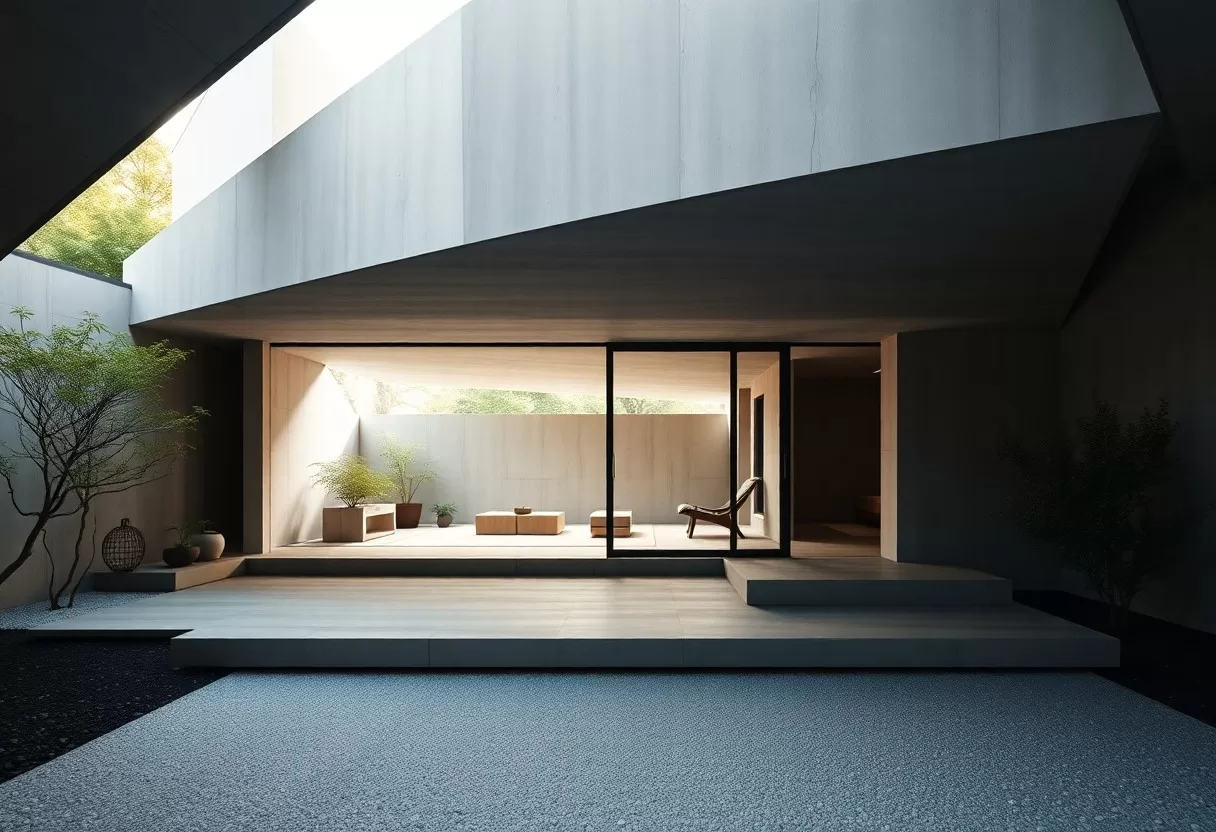
Tadao Ando’s work transcends traditional boundaries, utilizing concrete in ways that evoke a sense of tranquility and introspection. His designs, such as the Rokko Housing project, demonstrate a masterful integration of nature and built form. You find yourself appreciating how his minimalist aesthetics challenge conventional perspectives, inviting you to explore the harmony of light, space, and material.
The Role of Lightweight Materials in Modern Minimalist Architecture
Lightweight materials play a transformative role in minimalist architecture, enabling structures to maintain elegance without compromising strength. You see advances in engineering allowing for the use of cross-laminated timber and aluminum composites, which enhance the visual lightness of buildings. This shift not only reduces the need for bulky support but also facilitates expansive interior spaces, creating a seamless flow between indoors and outdoors.
Incorporating lightweight materials has revolutionized minimalist design. With the use of glass, bamboo, and engineered wood, architects can create airy, fluid structures that blend harmoniously with their surroundings. For instance, the Hiroshima City Museum of Contemporary Art employs expansive glass panels, inviting natural light and creating a sense of openness. Such innovations not only enhance aesthetic appeal but also improve energy efficiency and environmental sustainability, reflecting a profound respect for the natural world while pushing boundaries in contemporary architecture.
Nature and Architecture: Harmonizing with the Environment
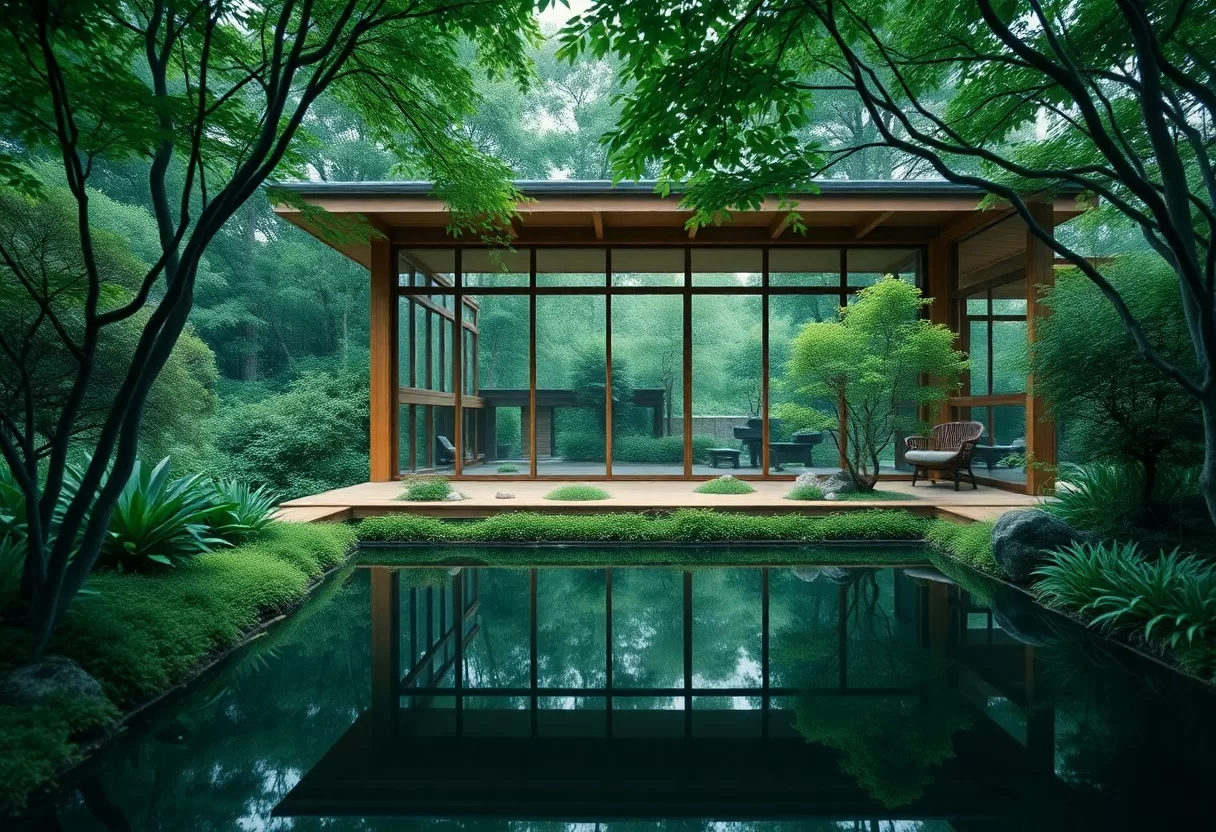
Japan’s architectural revolution embraces the profound connection between nature and built environments, prioritizing harmony with the landscape. This alignment encourages the integration of natural elements into design, leading to structures that enhance instead of disrupt their surroundings. By utilizing local materials and adapting to climatic conditions, architects create spaces that not only respect but also celebrate the beauty of Japan’s diverse ecosystems.
Biophilic Design: Blending Indoor and Outdoor Spaces
Biophilic design fosters a seamless transition between indoor and outdoor environments, infusing your space with natural light and greenery. Techniques such as large windows, open-air terraces, and carefully placed gardens create a sense of openness, enhancing your well-being. This approach not only rejuvenates your living environment but also reinforces your connection to nature, making every home a tranquil sanctuary.
Sustainable Practices: Building with Nature in Mind
Sustainable practices are redefining architectural standards, prompting innovative solutions that minimize environmental impact. Projects often utilize reclaimed materials, integrate renewable energy sources, and implement water-efficient systems. Each element aims to reduce the carbon footprint while promoting a sustainable lifestyle for you and future generations.
Consider the case of the *Kumejima House*, designed to harness wind and sunlight while minimizing energy use. It employs a green roof and strategically placed overhangs to regulate temperature efficiently. This commitment to sustainability is evident in the use of bamboo, a renewable resource, alongside local stone. Such practices not only lessen environmental impact but also inspire a sense of belonging, reminding you of your role within the greater ecosystem. As Japan continues to push the boundaries of sustainable design, these principles will undoubtedly shape the future of architecture.
Societal Shifts: How Minimalism Influences Lifestyle
Minimalism is reshaping your lifestyle, prompting a reconsideration of material possessions and daily habits. This evolution extends beyond aesthetics, fostering a new mindset where simplicity and intentionality guide your choices. Your everyday environment becomes a sanctuary that enhances productivity and well-being, highlighting connections between space, personal values, and the pursuit of a fulfilling life.
The Downsize Movement: Less is More in Urban Living
The downsize movement reflects a growing trend among urban residents who prioritize functionality over excessive possessions. Living in smaller, well-designed spaces encourages you to evaluate what truly matters, leading to stronger connections with your belongings. Reports show that individuals adopting this lifestyle often experience reduced stress and greater satisfaction, as they embrace the philosophy of “less is more.”
Psychological Benefits: The Calming Effect of Minimalist Spaces
Minimalist spaces provide a serene atmosphere that can significantly improve your mental well-being. Studies indicate that a decluttered environment lowers anxiety levels and enhances focus, allowing you to engage more fully with your surroundings. Each element in a minimalist design has purpose, reducing visual noise and contributing to a sense of peace in your daily routine.
The psychological benefits of minimalist spaces extend beyond mere aesthetics. Research conducted by the University of California found that individuals in minimalist settings reported lower cortisol levels and increased feelings of relaxation. By incorporating natural light, simple lines, and open spaces, your environment promotes mindfulness and creativity, making it easier for you to maintain clarity and focus. As you navigate the challenges of urban life, experiencing tranquility within your home becomes vital for cultivating resilience and happiness.
The Future of Minimalism: Emerging Trends and Innovations
Emerging trends in minimalism are reshaping architectural practices, emphasizing sustainability and experiential living. As urban spaces become increasingly crowded, designs that integrate nature and promote reduced environmental impact are at the forefront. You’ll notice a surge in multi-functional spaces, where less truly means more, as well as innovative materials that enhance both aesthetics and practicality. Forward-thinking architects are redefining minimalism not just as a style, but as a holistic approach to lifestyle where each element serves a purpose and contributes to overall well-being.
Technology’s Role: Smart Homes and Minimalist Solutions
Smart home technology enhances minimalist living by optimizing space and resources. Through interconnected systems, you can control lighting, heating, and security via simple interfaces, reducing clutter and maximizing efficiency. Innovations like AI-assisted design tools also allow for streamlined layouts, tailored to your unique needs while ensuring the essence of minimalism remains intact. As these technologies evolve, they encourage a seamless blend of luxury and simplicity in daily life.
Global Influence: Minimalism’s Reach Beyond Japan
Minimally inspired principles of design have traveled far beyond Japan, impacting global architecture and lifestyle choices. The Scandinavian approach, emphasizing functionality and simplicity, exemplifies how minimalism has permeated Western cultures. Cities like Berlin and Copenhagen are embracing open spaces and a decluttered aesthetic influenced by Japanese design philosophies. This cross-cultural exchange highlights the universal appeal of minimalism, adapting to local contexts while resonating distinctly with varying populations.
In places like North America and Europe, the concepts of clean lines and functional aesthetics have gained momentum, resulting in a plethora of minimalist-inspired homes and public spaces. You may witness minimalism manifesting in eco-friendly tiny homes that prioritize sustainability and efficiency or in contemporary urban designs that promote communal living. Brands and designers are increasingly collaborating across borders, merging traditional Japanese sensibilities with Western innovation, leading to unique interpretations of minimalism. The outcome reflects a shared vision of peace, simplicity, and a purposeful lifestyle that resonates globally, encouraging a return to basics for a more meaningful existence.
To wrap up
So as you explore the minimalist marvels of Japan’s architectural revolution, you’ll appreciate how simplicity and functionality redefine your perception of space and design. Each structure tells a story of innovation and respect for nature, reflecting your own desire for harmony in modern living. Embracing these principles can inspire you to rethink your environments, making them not only aesthetically pleasing but also deeply functional. By engaging with this architectural ethos, you can cultivate a lifestyle that values clarity, purpose, and tranquility.
FAQ
Q: What is the main focus of “Minimalist Marvels – Inside Japan’s Architectural Revolution”?
A: The book explores the innovative designs and philosophies behind minimalist architecture in Japan, showcasing how these elements reflect cultural values and environmental considerations.
Q: Who are some of the featured architects in the book?
A: Notable architects include Tadao Ando, Kengo Kuma, and Shigeru Ban, each contributing unique perspectives and approaches to minimalist design in their projects.
Q: How does the book address the impact of minimalist architecture on urban living in Japan?
A: The book examines how minimalist architecture optimizes space and enhances livability in dense urban environments, highlighting its influence on residents’ lifestyles and community interactions.