
Living Architecture – Homes That Breathe with Nature
Just as nature adapts to its surroundings, living architecture offers you a unique opportunity to create homes that harmonize with the environment. These innovative structures utilize sustainable materials, biophilic design, and natural processes, allowing your living space to breathe and evolve. Embracing this approach not only enhances your well-being but also fosters a deeper connection with nature. By integrating green roofs, natural ventilation, and energy-efficient systems, you can contribute to a healthier planet while enjoying a modern and aesthetically pleasing home.
Nature’s Blueprint: The Principles of Biophilic Design
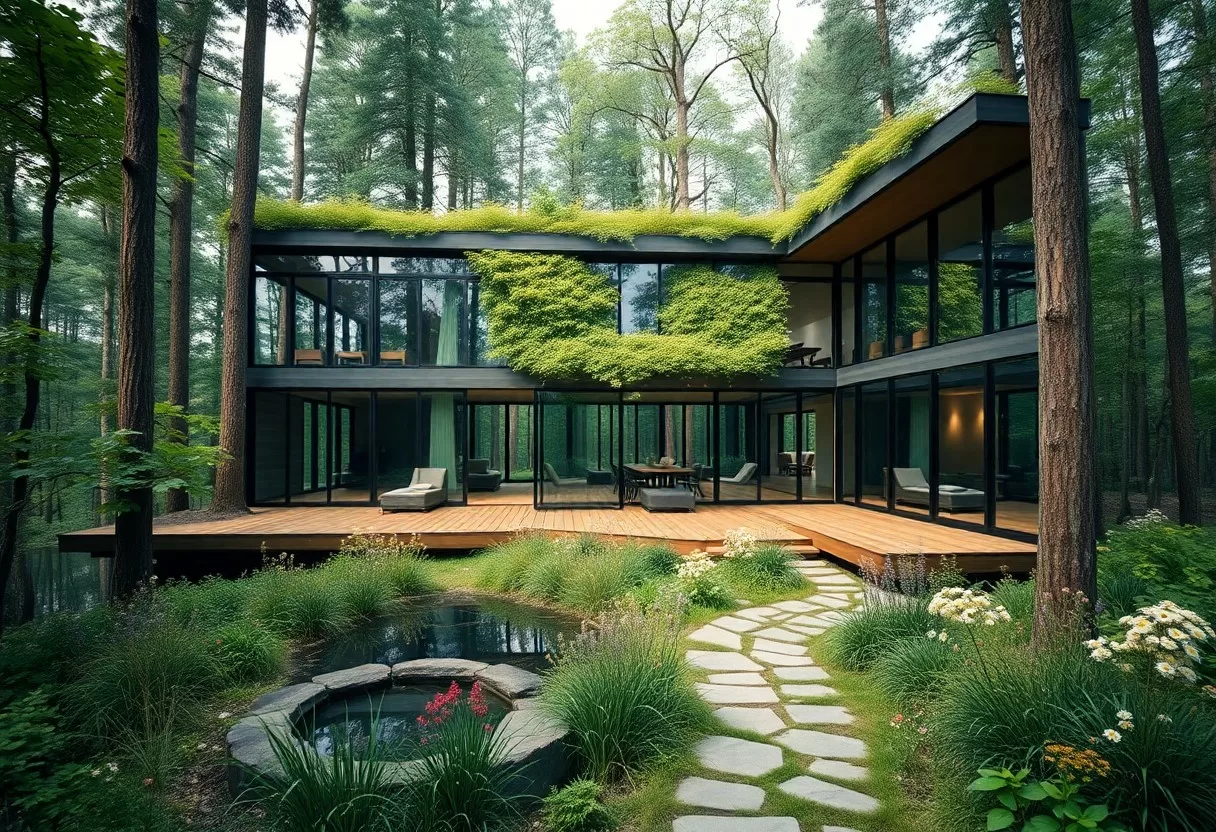
Biophilic design intertwines natural elements with architectural structures to bring the outdoors in, enhancing your well-being and connection to nature. By incorporating aspects such as light, air, and vegetation, homes become extensions of their surroundings. This approach not only fosters a sense of tranquility but also encourages sustainable living practices, enabling you to live harmoniously with the environment.
Connection to Natural Elements
Integrating natural elements—like sunlight, water, and greenery—into your living space transforms the atmosphere. Large windows allow daylight to permeate, while indoor plants or wall gardens contribute to improved air quality. This connection invokes the calming essence of nature, fundamentally shifting your experience of home into a sanctuary.
Integration of Living Systems
Incorporating living systems involves using natural processes to support your home’s ecosystem. Systems like rainwater harvesting, green roofs, and living walls create self-sustaining environments that adapt and thrive. This proactive approach enhances resilience against climate change, while significantly reducing your environmental footprint.
By incorporating systems such as composting, you can recapture waste and create nutrient-rich soil for your garden, demonstrating your commitment to sustainability. Furthermore, green roofs absorb rainwater, reducing runoff and insulating your home, leading to energy savings. Such designs often enhance biodiversity by providing habitats for various species, allowing you to enjoy an enriched ecosystem just outside your door. You not only benefit from lower energy costs but also contribute positively to the environment and enhance your well-being.
Sustainable Innovations: Materials and Technologies that Heal
Innovative approaches in sustainable architecture emphasize the integration of materials and technologies that not only reduce environmental impact but also promote well-being. By utilizing methods that echo natural processes, you can enhance the harmony between your living spaces and the environment, fostering a sense of connection and healing. Through intelligent design, your home can become a beacon of sustainability, demonstrating how architectural choices can uplift both residence and planet.
Eco-friendly Building Materials
Your choice of eco-friendly building materials plays a vital role in sustainable architecture. Materials like bamboo, rammed earth, and recycled steel are not only durable but also sourced and produced with minimal environmental harm. Companies are increasingly adopting practices such as using non-toxic paints and insulation made from recycled materials to reduce harmful emissions and create healthier indoor environments. These materials contribute to lower carbon footprints while enhancing aesthetic appeal.
Smart Technology for Energy Efficiency
Employing smart technology in your home can significantly enhance energy efficiency. Systems like smart thermostats, energy monitoring tools, and automated lighting optimize energy consumption while offering convenience. For instance, smart thermostats can learn your schedule, adjusting heating or cooling accordingly, which could lead to savings of up to 30% on your heating and cooling costs annually. Such technologies not only minimize utility bills but also lessen your environmental impact.
Integrating smart technology can transform your daily life by allowing for real-time monitoring and control of your energy usage. For example, a recent case study showed that an average household using smart energy solutions reduced its electricity consumption by over 20% within the first year. By connecting appliances and systems through a centralized hub, you can maximize efficiency, reduce waste, and promote a more sustainable lifestyle in your home. Adopting these technologies not only supports your energy goals but encouraging a lifestyle that is in tune with nature.
The Healing Power of Living Spaces
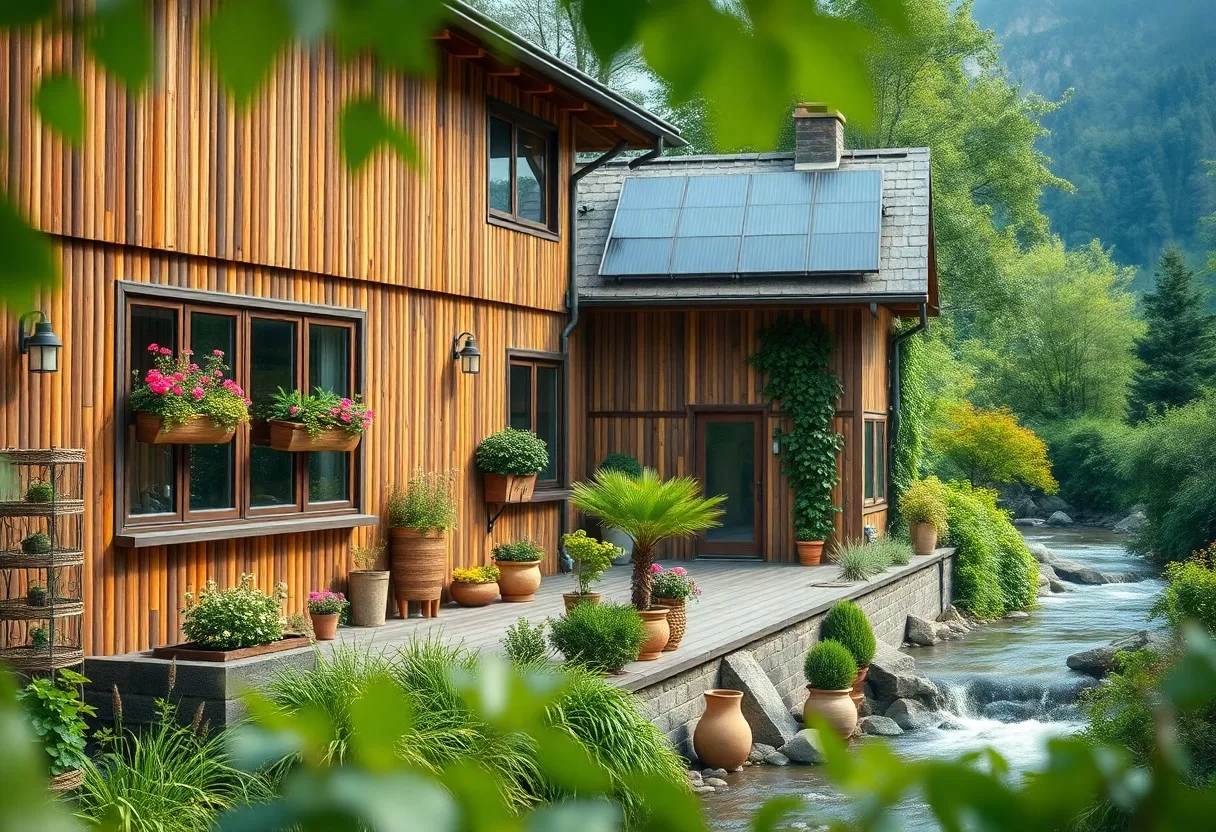
Your home can significantly influence your mental and emotional health. Living spaces designed with natural elements, such as plants, natural light, and sustainable materials, promote a sense of calm and well-being. Research shows that such environments can lower stress levels and enhance mood, transforming your dwelling into a sanctuary that facilitates healing and rejuvenation. By integrating nature into your home, you foster a harmonious connection with the environment, ultimately enriching your quality of life.
Psychological Benefits of Nature-infused Homes
Exposure to nature within your home environment can elevate your mental state. Studies reveal that views of greenery can decrease feelings of anxiety and depression while increasing cognitive function. Simply having plants or natural scenery in your living space can instill a sense of peace, improve your focus, and boost overall happiness.
Enhancing Well-being through Design
Designing your home with wellness in mind involves creative use of layout, color, and materials. Incorporating open spaces, natural colors, and organic shapes can promote relaxation while also improving air quality. Activating your senses through tactile materials and varied textures further enriches your experience. Spaces that invite natural light can enhance energy levels, while using sound-absorbing materials can mitigate noise pollution, contributing to an overall sense of tranquility.
Intentional design choices play a critical role in your well-being. For example, open floor plans create a sense of spaciousness, allowing for airflow and light to circulate freely. Materials such as wood and stone not only connect your home to nature but also promote better indoor air quality. Studies indicate that homes that utilize biophilic design elements—like living walls or large windows with nature views—can reduce stress and improve mood significantly, affirming the profound impact of well-designed spaces on emotional health.
Breaking Down Barriers: Affordability and Accessibility
Achieving affordability in sustainable architecture requires innovative thinking and community involvement. Sustainable homes should not be exclusive to the wealthy; instead, integrating cost-effective materials and energy-efficient designs can make eco-friendly living attainable for everyone. By prioritizing local resources and utilizing modular construction, you can create living spaces that are both affordable and environmentally responsible, fostering a new standard in urban and rural areas alike.
Cost-effective Solutions for Green Living
Implementing sustainable practices doesn’t have to be financially burdening. For example, using reclaimed materials or prefab components can drastically reduce costs while minimizing waste. Integrating solar panels can offset energy expenses, while strategies like using native plants in landscaping cut down on water use and maintenance costs. You gain the benefits of green living without the hefty price tag.
Community-driven Sustainable Housing Initiatives
Community initiatives can address the challenge of sustainable housing by pooling resources and talents. By fostering collaboration among local governments, nonprofits, and residents, you can create solutions tailored to your community’s specific needs. From cooperative housing models to collective purchasing of green materials, these efforts enable you to build affordable, eco-friendly homes that reflect community values.
One striking example of such initiatives is the CoHousing movement, which emphasizes a shared living experience while incorporating eco-friendly designs. These neighborhoods encourage communal resources, such as gardens and energy systems, significantly reducing individual costs. Projects like EcoVillage in Ithaca, New York, showcase how cohesive community efforts can lead to affordable, sustainable housing. Residents share responsibilities and resources, reinforcing connections while lowering living expenses. By participating in these community-driven initiatives, you engage in a transformative journey toward both affordability and sustainability.
The Future of Living Architecture: Trends and Predictions
The future of living architecture promises to integrate innovative materials and practices that align more closely with the natural environment. Expect to see a rise in biodynamic buildings that not only minimize environmental impact but actively contribute to ecological balance. Technologies such as biophilic design, where human psychology is intertwined with nature, will become standard in residential and commercial spaces, fostering sustainable communities that nurture both people and the planet.
Emerging Concepts in Design
New design paradigms are rapidly emerging, emphasizing adaptability and engagement with local ecosystems. Techniques such as living walls and green roofs are gaining popularity, creating environments that support biodiversity while enhancing aesthetic appeal. Homes that utilize smart materials, which react to environmental changes, will redefine how you interact with your living space, ensuring comfort and energy efficiency.
The Role of Urban Planning in Ecological Harmony
Urban planning plays a pivotal role in shaping sustainable living environments, aiming for a balance between urban development and ecological preservation. Through the integration of green spaces and sustainable transport options, your community can encourage reduced carbon footprints and enhance local biodiversity.
Effective urban planning combines zoning for green infrastructure with policies that prioritize ecological impacts. For instance, cities are increasingly incorporating permeable pavements and urban forests to manage stormwater and improve air quality. By promoting mixed-use developments, planners create walkable neighborhoods that reduce dependency on cars, directly addressing climate resilience. Your involvement in community planning initiatives can further impact the health of urban ecosystems, leading to vibrant and sustainable living spaces.
To wrap up
Following this exploration of Living Architecture, you can appreciate how homes that breathe with nature enhance your well-being and connection to the environment. By integrating natural elements and sustainable practices into your living spaces, you not only create a healthier home but also contribute to ecological balance. Embracing these principles empowers you to transform your lifestyle, ensuring that your living environment is in harmony with the natural world.
FAQ
Q: What is ‘Living Architecture’?
A: Living Architecture refers to architectural designs that integrate natural elements and processes, allowing homes to function harmoniously with their environmental surroundings. These homes often use sustainable materials and technologies to enhance energy efficiency and promote biodiversity.
Q: How do homes that breathe with nature reduce environmental impact?
A: Homes that breathe with nature typically utilize features such as green roofs, natural ventilation, and eco-friendly materials. This design minimizes energy consumption, reduces waste, supports local ecosystems, and encourages a sustainable lifestyle for residents.
Q: What are the benefits of living in a Living Architecture home?
A: Living Architecture homes offer numerous benefits, including improved indoor air quality, enhanced connections to nature, reduced energy bills, and overall healthier living environments. They also foster a sense of community and mindfulness towards environmental stewardship.