
Kitchen Command Centers – Multi‑Use Pantries, Prep Kitchens and Beverage Stations
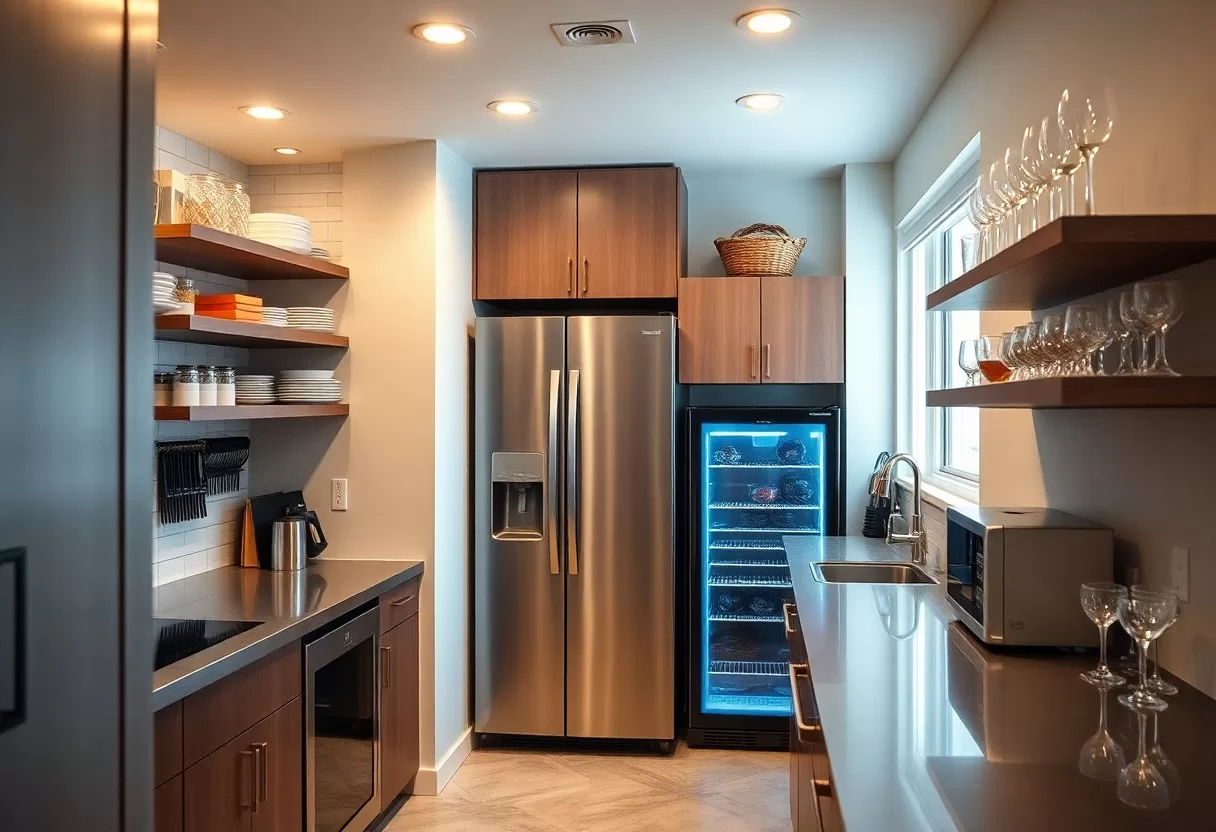
You can transform your kitchen into a functional hub with effective kitchen command centers that include multi-use pantries, prep kitchens, and beverage stations. These solutions ensure that everything you need is within reach, streamlining meal preparation and entertaining. A well-organized space not only improves workflow but also enhances your overall cooking experience. By utilizing dedicated areas for specific tasks, you create a more enjoyable and efficient environment, allowing you to focus on what truly matters—creating delicious meals and making memories with family and friends.
Key Takeaways:
- Multi-use pantries optimize storage and organization, making meal prep more efficient.
- Prep kitchens enhance workflow by providing designated spaces for food preparation.
- Beverage stations improve hospitality by creating dedicated areas for drink preparation and serving.
Understanding Kitchen Command Centers
Definition and Purpose
Your kitchen command center is the nerve center of meal preparation and organization. It integrates various functional elements, streamlining your workflow and enhancing efficiency. By consolidating prep areas and storage solutions, it transforms how you manage daily cooking tasks, making the kitchen a more user-friendly space that meets your culinary needs.
Key Components
Key components of an effective kitchen command center include a multi-use pantry, prep kitchen area, and beverage station. Each element serves a distinct function while complementing the overall functionality of your kitchen. By thoughtfully designing these areas, you can significantly reduce clutter and improve your cooking experience.
The multi-use pantry maximizes storage and organization, ensuring that ingredients are easily accessible. The prep kitchen, equipped with dedicated workspace and tools, enhances your ability to prepare meals efficiently. Incorporating a beverage station allows you to create drinks without disrupting the cooking flow. Together, these components create a seamless environment that fosters creativity and efficiency in the kitchen, ultimately elevating your culinary endeavors.
Multi-Use Pantries
Multi-use pantries serve as a versatile solution for modern kitchens, combining storage and prep space into one functional area. They allow you to keep ingredients easily accessible while maximizing your kitchen’s efficiency. Considering their design can transform how you use your kitchen, and for more insight, explore Kitchen Design Ideas for Entertaining – Patrick A. Finn.
Design Considerations
Incorporating a multi-use pantry requires thoughtful planning to ensure it integrates seamlessly into your kitchen layout. Aim for open shelving to make items visible and accessible. Consider adding a countertop for extra prep space and using a variety of containers to categorize ingredients effectively.
Maximizing Storage Efficiency
Maximizing storage efficiency in your pantry involves strategic use of space. Deep shelves can hold items like bulk packages, while pull-out bins keep things organized. Use vertical space by installing multiple shelves, and opt for clear bins for easy visibility.
Each inch of your pantry can be optimized for maximum functionality. Use drawer dividers to separate smaller items, and consider incorporating hooks or magnetic strips for tools or spice jars. Implementing a rotating system for perishable items can minimize waste, allowing you to utilize space efficiently while keeping imperatives within reach. Embracing these tactics transforms your pantry into an organized hub that complements your cooking routine and enhances your culinary experience.
Prep Kitchens
Prep kitchens enhance your culinary experience by providing a dedicated space for food preparation, enabling efficient workflow and organization. With separate areas for chopping, mixing, and cooking, you can streamline your tasks and optimize your kitchen layout. Some designs even incorporate elements like additional sinks and storage specifically for prep materials, ensuring that everything you need is within arm’s reach.
Functional Layouts
A successful prep kitchen layout prioritizes accessibility and efficiency. Consider a work triangle, where your stove, sink, and refrigerator form a triangle, minimizing unnecessary movement. Utilizing an island can also serve multiple purposes, providing additional prep space, seating, or even storage, depending on your needs. Open shelving allows for quick access to necessary ingredients and tools, maintaining organization within the zone.
Essential Equipment and Tools
Stocking your prep kitchen with the right equipment ensures productivity during meal prep. Essentials often include a large cutting board, high-quality knives, mixing bowls, and durable cookware. Specialized tools, such as food processors or immersion blenders, can significantly speed up preparation tasks, and having multiple sets of measuring cups and spoons allows for quick ingredient assembly without constant washing.
Investing in high-quality, well-organized equipment makes all the difference in a prep kitchen. For instance, a 10-inch chef’s knife is vital for quick vegetable chopping, while a mandoline slicer can enhance precision in cutting. Having a robust food processor can help save time when finely chopping or mixing ingredients. Consider adjustable shelving to efficiently store your tools, making it easy to locate what you need without disruption. Prioritizing necessary gadgets like a kitchen scale or measuring cups can further streamline your preparation process, leading to more efficient cooking and better meal outcomes.
Beverage Stations
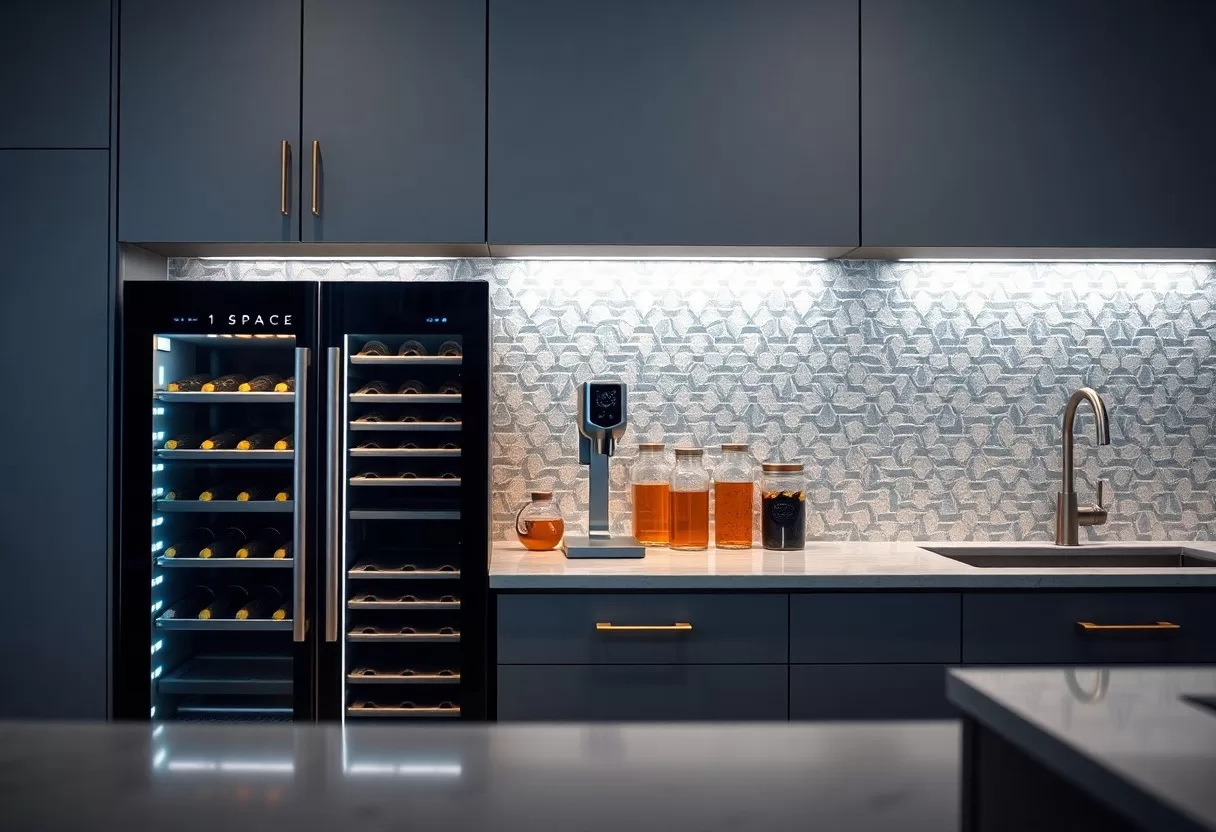
A dedicated beverage station serves as a stylish and functional hub for preparing and accessing drinks, enhancing both daily routines and entertaining. You can customize it to accommodate everything from coffee and tea to cocktails and smoothies, ensuring that your favorites are always at hand. A well-planned beverage station elevates your kitchen experience, making it an crucial element of modern design.
Types of Beverage Stations
Explore various options when designing your beverage station to match your lifestyle and preferences:
- Coffee Stations: Optimize your morning routine with machines and storage for coffee crucials.
- Tea Stations: Create an organized area for kettles, infusers, and your favorite blends.
- Bar Stations: Stock mixology tools and serveware for entertaining.
- Smoothie Stations: Incorporate blenders with fruit and ingredient storage for quick health boosts.
- Wine Stations: Feature wine racks and chilling options for easy access. Assume that these categories can be combined for a customized approach.
| Type | Features |
| Coffee Station | Machine, mugs, and coffee storage |
| Tea Station | Kettle, infusers, and tea storage |
| Bar Station | Mixology tools and glassware |
| Smoothie Station | Blender and ingredient organization |
| Wine Station | Racks and cooling options |
Integrating Beverage Stations into Kitchen Design
Designing your beverage station requires careful consideration of space, functionality, and aesthetics. Positioning the station near the main activity zones in your kitchen promotes efficient workflow while keeping everything easily accessible. Think about incorporating attractive cabinetry or open shelving to display crucials. Lighting plays a significant role, too; well-placed task lighting can enhance usability while creating an inviting atmosphere.
A beverage station should reflect your personal style and cater to your daily habits. Whether you lean towards a minimalist look or a cozy, eclectic vibe, integrating materials that align with your overall kitchen design will create harmony. Utilize smart storage solutions, such as tiered shelving or pull-out cabinets, to keep your beverages organized and visually appealing. By considering both form and function, your beverage station will become a focal point of enjoyment in your kitchen.
Organizing Your Kitchen Command Center
Effective organization sets the foundation for a successful kitchen command center. Start by categorizing items based on usage; store frequently used items within arm’s reach and less often used materials on higher shelves. Implement clear labeling for bins and shelves, which streamlines identification and retrieval. Consider using pull-out drawers or stackable bins to maximize space, ensuring that everything remains accessible and orderly.
Best Practices for Organization
Adopt a systematic approach by grouping similar items together—keep baking supplies in one area and cooking necessarys in another. Invest in vertical storage solutions like shelves and racks to utilize wall space effectively. Color-coding labels can enhance visual organization, allowing you to quickly spot what you need while maintaining a clean aesthetic.
Maintaining Efficiency
Regularly reassess your kitchen command center to keep it functioning optimally. Set aside time each month to declutter, restock necessarys, and reevaluate your organization system. This proactive habit prevents accumulation of unused items and ensures that your setup adapts to changing needs and preferences.
Efficiency thrives in a well-maintained kitchen command center through routines and consistent evaluations. For instance, keep a checklist on the fridge for items that need replenishment or periodic deep cleaning schedules. This practice not only minimizes last-minute scrambles for ingredients but also enhances the overall flow of your kitchen activities, ensuring everything you require is readily at hand.
Culinary Trends and Innovations
Culinary trends and innovations continually reshape kitchen command centers, making them more functional and appealing. Today, you’ll find an emphasis on sustainability with eco-friendly materials and energy-efficient appliances. Smart features, such as voice-activated assistants and app-controlled devices, have also transformed how you cook, providing seamless integration into your culinary workflow. Furthermore, the rise of meal-prepping platforms has driven the popularity of multi-use spaces that simplify planning and executing meals with ease and efficiency.
Emerging Designs in Kitchen Command Centers
Emerging designs prioritize flexibility and adaptability in kitchen command centers. Open layouts that incorporate pantries, prep kitchens, and beverage stations create fluid spaces for cooking and entertaining. You may consider incorporating movable islands or modular storage solutions to optimize space and enhance functionality. Natural light is also a key aspect, often achieved through large windows or skylights, which increase comfort and improve mood while cooking.
Technology Integration
Technology integration in kitchen command centers enhances efficiency and simplifies your cooking experience. Smart refrigerators track inventory and suggest recipes based on what you have. Touchless faucets and programmable cookers save time by automating tedious tasks, allowing you to focus on creativity. As an example, a recent survey showed that over 70% of homeowners express interest in smart appliances to streamline meal preparation.
Smart technology in the kitchen not only improves convenience but also promotes health and sustainability. For instance, apps that sync with your appliances can help you monitor energy consumption, ensuring you make informed choices about usage. Additionally, meal-planning apps offer tailored recipes based on your dietary preferences, making it easier to maintain a balanced diet. The integration of augmented reality in kitchen design can even guide you through complex recipes and cooking techniques, reflecting how innovation continuously shapes a more efficient and enjoyable culinary environment.
FAQ
Q: What is a Kitchen Command Center?
A: A Kitchen Command Center is an organized space in the kitchen that serves multiple functions, including food preparation, storage, and beverage service. It optimizes workflow and keeps important items within easy reach.
Q: How can I incorporate a multi-use pantry into my kitchen design?
A: To incorporate a multi-use pantry, consider adding built-in shelves, drawers, and cabinets that can accommodate dry goods, cooking utensils, and appliances. Design the space to allow easy access and clear visibility of items.
Q: What are the benefits of having a prep kitchen?
A: A prep kitchen allows for efficient meal preparation, providing space for chopping, mixing, and cooking without disrupting the main kitchen area. It also helps in managing messes during large meal preparations.
Q: What features should I look for in a beverage station?
A: A beverage station should include features like a mini-fridge, a sink for easy clean-up, storage for glassware and beverage supplies, and counter space for drink preparation. Consider incorporating an espresso machine or wine cooler for added luxury.
Q: How do I maximize storage in a command center?
A: Maximize storage by using vertical space with tall shelves, incorporating pull-out drawers, and utilizing cabinets that extend to the ceiling. Organizing items by category and using clear containers can also enhance accessibility and visibility.