
Invisible Architecture – How Seamless Tech is Disappearing Into Home Design
Most homeowners crave a blend of aesthetics and functionality, and invisible architecture offers just that. As technology becomes more integrated into everyday living, you’ll find that smart devices seamlessly enhance your home without disrupting its design. This evolving trend not only improves convenience but also promotes a minimalist aesthetic, allowing your space to feel both modern and inviting. Embracing this innovative approach means your home can be both stylish and high-tech, changing how you interact with your living environment.
Key Takeaways:
- Seamless technology integration enhances user experience by making devices and systems less obtrusive within home environments.
- Design philosophies are shifting towards minimalism, focusing on aesthetics that allow tech to blend into architectural elements.
- Smart home innovations prioritize functionality and connectivity while maintaining the integrity of the overall design.
The Concept of Invisible Architecture
Invisible architecture emphasizes a seamless integration of technology and design, creating spaces where the tech enhances your living experience without being obtrusive. This philosophy allows smart devices, lighting, and climate systems to operate in the background, making your home feel connected yet unobtrusive, ultimately prioritizing aesthetics while providing maximum functionality.
Defining Seamless Technology
Seamless technology refers to the integration of smart systems and devices that operate harmoniously within your home’s architecture. These systems are designed to be unobtrusive, evoking a sense of fluidity in how you interact with your environment, whether through voice-activated controls, automated systems, or hidden wiring.
Historical Context and Evolution
The evolution of seamless technology traces back to pioneering innovations in home automation during the late 20th century. Initially a luxury, these systems have transformed into accessible solutions, evolving alongside advances in IoT and connectivity. As smart homes became mainstream in the 2010s, designers increasingly prioritized aesthetics, integrating these technologies unnoticed into everyday living environments.
In the early 1990s, home automation began emerging, with wired systems offering limited control over lighting and security. The evolution accelerated with the advent of wireless technologies in the 2000s, democratizing smart home devices. By 2014, major retailers began stocking smart home products, leading to a boom in consumer accessibility. Companies like Nest revolutionized thermostats, promoting user-centric design. Now, seamless integration, where technology is embedded within architecture, characterizes contemporary design, as homeowners seek both convenience and aesthetic appeal. With predictions indicating the global smart home market could exceed $174 billion by 2025, the trend toward invisible architecture is only set to grow.
Designing for Functionality and Aesthetics
When you prioritize both functionality and aesthetics, your home transforms into a sanctuary that reflects your personal style while serving everyday needs. Achieving this balance involves strategically planning layouts, selecting versatile furniture, and incorporating smart solutions that enhance your experience without overwhelming visual appeal.
Integrating Smart Home Systems
By incorporating smart home systems, you elevate your living environment into a responsive ecosystem. Voice-controlled assistants, automated lighting, and energy-efficient HVAC systems not only simplify your daily routines but also harmonize with your decor, ensuring that technology remains unnoticed yet indispensable.
Material Choices and Visual Impact
Your selection of materials significantly influences the visual impact of your space while serving functional purposes. Opt for textures and finishes that complement each other, creating a cohesive aesthetic that supports lifestyle and sustainability, such as reclaimed wood or polished concrete.
Choosing the right materials extends beyond aesthetics; it directly affects maintenance and durability. For instance, materials like quartz countertops offer both visual appeal and resilience against everyday wear, while sustainably sourced textiles can enhance comfort without compromising environmental values. Each choice you make contributes to an overall atmosphere that marries beauty with practicality, ensuring your home is both inviting and functional.
The Role of User Experience
User experience is the backbone of seamless tech integration in your home. It’s about how you interact with your space without being overwhelmed by technology. As innovations evolve, finding harmony in design enables you to enjoy features without distraction. For insight into future trends, check out The Future of Smart Home Design is Flush-Mounted.
Enhancing Daily Life Through Design
By prioritizing user experience, your daily life is enhanced through thoughtful design. Systems like smart lighting or temperature control adapt to your preferences, making everyday tasks simpler. For instance, pre-programmed routines can adjust the ambiance of your home just before you arrive, blending technology seamlessly into your lifestyle.
Balancing Technology and Privacy
As you embrace technological advancements, maintaining your privacy is vital. Smart devices often collect data to personalize your experience, which can lead to concerns about security. Striking a balance means utilizing technology that respects your boundaries while still adding convenience to your life.
To achieve this balance, consider the types of devices you introduce into your home. Devices equipped with strong encryption and local data storage can minimize risks, as they limit the need for cloud-based solutions. Additionally, transparent privacy policies and user controls are important features to look for, ensuring your information remains secure while you enjoy the benefits of technology-enhanced living.
Case Studies of Invisible Architecture
Exploring real-world implementations gives you insight into how invisible architecture is reshaping home design. Numerous projects showcase the integration of technology while maintaining aesthetic harmony, illustrating the versatility and effectiveness of seamless tech.
- Smart Home in San Francisco – Integrated lighting and climate control that adjusts based on occupancy, reducing energy consumption by 30%.
- Luxury Villa in Dubai – Concealed audio systems and automated blinds create a minimalist look, increasing property value by 15%.
- Affordable Housing in Amsterdam – Utilizing smart sensors for building management, it cut operational costs by 20%.
- Modern Farmhouse in Texas – Zero-visible tech with smart irrigation systems that improve water efficiency by 40%.
Iconic Examples of Innovative Designs
Exceptional projects serve as benchmarks in invisible architecture, like the Savant House, which features automated systems concealed within walls to provide a nondescript experience. This house leverages technology for sustainable living while maintaining a harmonious aesthetic, demonstrating that high-tech solutions don’t have to compromise design.
Lessons Learned from Successful Implementations
Successful applications of invisible architecture reveal invaluable strategies for integrating technology. A consistent theme across various case studies is the emphasis on user-centered design; tech should enhance your experience without overwhelming the space.
Successful implementations highlight the importance of collaboration between architects and tech professionals to achieve seamless integration. Strong communication ensures that vital aspects of usability and aesthetics are balanced. For instance, engaging with homeowners during the design process enhances personalization, leading to a space that feels intuitive and welcoming. Adaptability to evolving technologies is also critical; by choosing flexible systems, you prepare your home for future advancements while maintaining your home’s elegance and functionality.
Future Trends in Home Design
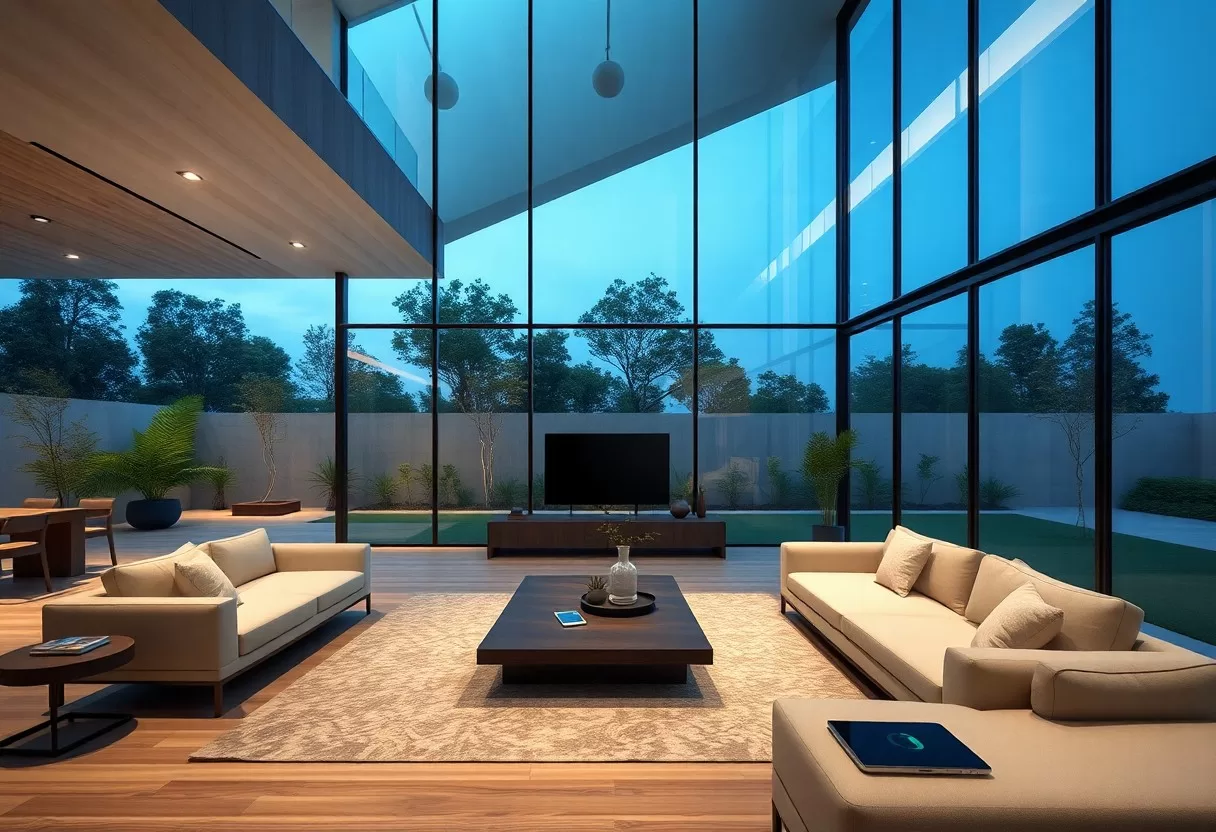
As technology advances, home design will increasingly prioritize integration and invisibility. Future homes will feature smart systems that blend seamlessly with architecture, enhancing aesthetics while optimizing functionality. You’ll see features like walls that act as displays and intelligent lighting systems that adjust automatically. A key example is found in When Tech Disappears, Majik Happens, highlighting the potential of this seamless tech revolution.
Predictions for Seamless Technology
In the coming years, you can expect a surge in artificial intelligence integration, allowing your home to learn and adapt to your habits. Predictive technologies will automate everyday tasks, creating an effortlessly connected environment where devices communicate without your direct input.
The Role of Sustainability and Eco-Friendliness
Sustainability will play a pivotal role in future home design, with a focus on energy efficiency, renewable materials, and smart technologies that reduce waste. Homes will harness solar energy and utilize eco-friendly materials to integrate modern aesthetics without sacrificing the planet.
With sustainability at the forefront, you’ll find homes designed with energy-efficient solutions such as solar panels, green roofs, and recycled materials. The integration of smart energy management systems will enable your home to optimize energy usage, significantly lowering environmental impact. Additionally, eco-friendly design not only enhances the ecological footprint but also improves indoor air quality and promotes healthier living environments. Connecting technology with sustainability ensures that your home is not only beautiful but also contributes positively to the planet.
Challenges in Implementation
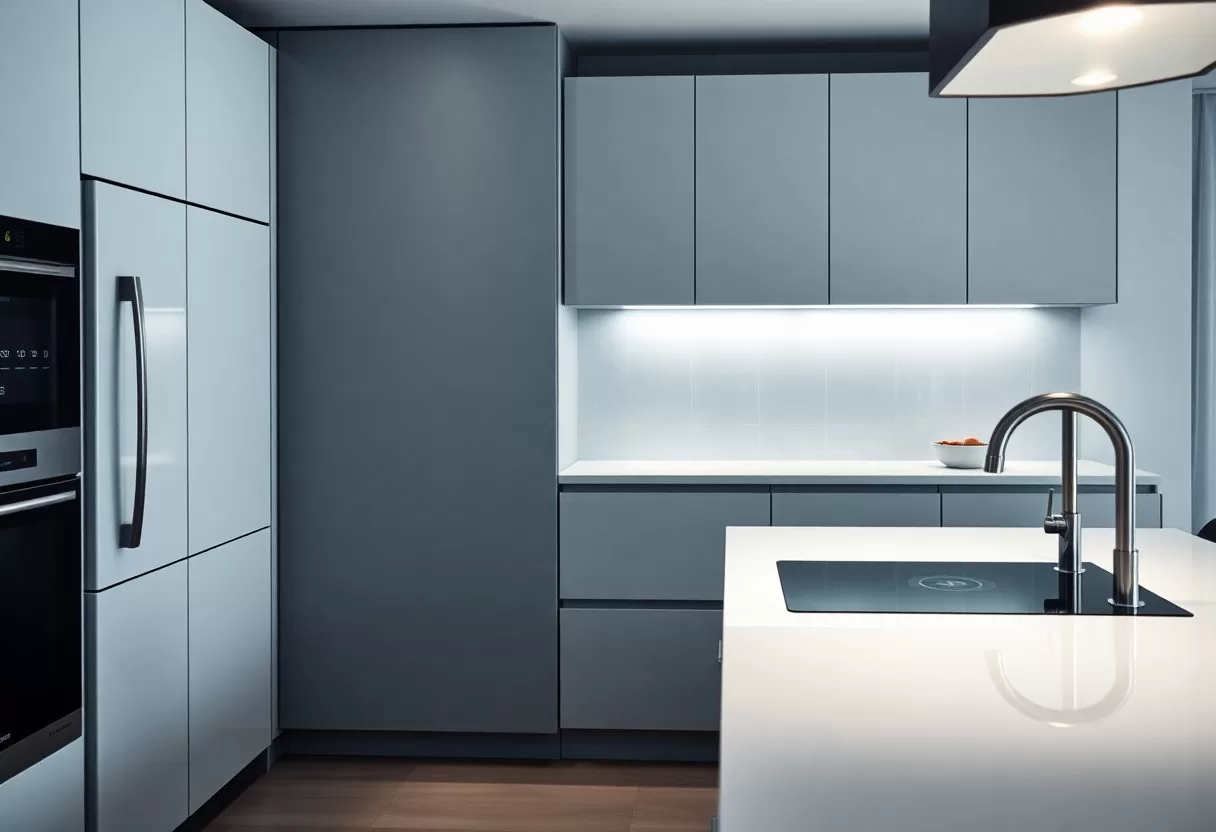
Implementing seamless technology in home design presents multiple challenges that must be addressed for success. From integrating devices hidden within walls to ensuring robust connectivity across various platforms, these hurdles can complicate the installation process. Homeowners may struggle with the upfront costs and the need for professional installation, which can deter adoption and lead to inconsistent user experiences.
Technical Hurdles
Technical challenges play a significant role in the successful deployment of invisible architecture solutions. Compatibility issues among devices from different manufacturers can lead to fragmented systems, negatively impacting functionality. Additionally, maintaining reliable Wi-Fi connectivity throughout your home is necessary; dead zones can render smart devices ineffective, contributing to user frustration. Ensuring that technology upgrades are intuitive and seamless also poses a constant upkeep challenge.
Consumer Acceptance and Adaptation
Consumer acceptance of invisible architecture hinges on familiarity with technology and the perceived value it adds. Many homeowners may feel apprehensive about adopting hidden tech, fearing complexity or loss of control over their space. Addressing these concerns through education and demonstrating usability will be vital for broader adoption.
Emphasizing user-friendly interfaces and providing straightforward tutorials can significantly bolster acceptance. For instance, offering interactive demos that showcase how seamless tech enhances everyday living can help alleviate skepticism. Real-world testimonials from early adopters underscore the benefits of such integration, showcasing energy savings, enhanced convenience, and improved aesthetics. By fostering a sense of community around these technologies, you can encourage potential users to embrace change and adapt to their evolving environments confidently.
Conclusion
With these considerations, you can appreciate how invisible architecture is reshaping your living spaces. By integrating seamless technology into your home design, you create a harmonious environment that prioritizes aesthetics and functionality. As smart devices become increasingly unobtrusive, you enhance both comfort and efficiency, allowing your home to adapt intuitively to your lifestyle. Embracing this trend positions you at the forefront of modern living, where technology elegantly blends into your surroundings.
FAQ
Q: What is invisible architecture in the context of home design?
A: Invisible architecture refers to the integration of technology in home design that remains unobtrusive and seamless. This design ethos focuses on ensuring that technology enhances the living experience without being visually noticeable, leading to a more cohesive aesthetic.
Q: How does seamless technology improve the functionality of a home?
A: Seamless technology enhances functionality by automating daily tasks and improving energy efficiency. For example, smart lighting and thermostat systems adjust automatically based on occupancy and preferences, providing convenience and reducing energy consumption without the need for visible controls.
Q: What are the benefits of incorporating invisible architecture into a home?
A: Incorporating invisible architecture offers several benefits, including a cleaner aesthetic, increased property value, and enhanced user experience. Homeowners enjoy the ease of integrated systems that streamline everyday activities, while also appreciating the architectural beauty that comes from a clutter-free environment.