
Studio-Made Spaces – Inside the Vision of Top Designers
Designers shape your environment in ways that resonate with your lifestyle and elevate your experience. By plunging into the creative processes and philosophies of top designers, you gain insight into how unique spaces come to life. This exploration will empower you to transform your own space, reflecting your personality and needs while embracing innovative design techniques. Uncover the necessary elements and choices that lead to inspiring studio-made spaces, and let these ideas guide your next project.
Designing Moments: Creating Experiences Beyond Aesthetics
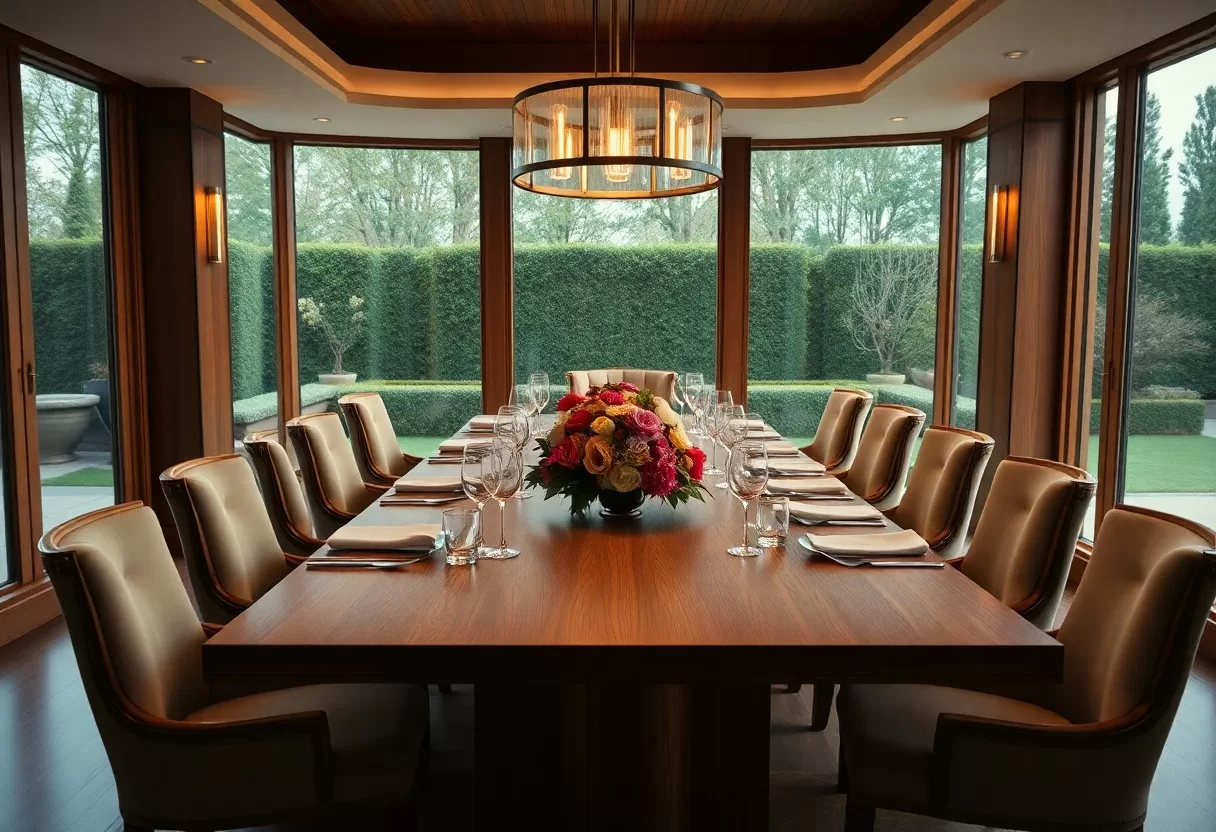
In studio-made spaces, the focus extends beyond mere visual appeal to embrace the experiences they evoke. Top designers curate environments that stimulate the senses, engage the mind, and resonate with the heart. By integrating elements that promote interaction and well-being, spaces become transformative arenas where emotional connections flourish and memories are born.
The Role of Emotion in Spatial Design
Emotion is a driving force behind how you perceive and interact with your environment. Thoughtful design harnesses feelings to create a sense of belonging, warmth, and inspiration. For instance, incorporating personal elements, like local art or sentimental furnishings, can evoke nostalgia and encourage a deeper emotional connection with your space.
How Light and Color Shape Perception
Light and color play pivotal roles in influencing your mood and perception of a space. Warm colors can invigorate and energize, while cooler tones promote calmness and relaxation. Furthermore, natural light enhances visual appeal and can significantly affect your overall well-being, often leading to increased productivity and optimism.
Studies indicate that environments with controlled lighting and strategic color schemes can improve performance and mood by as much as 20%. For example, using soft, warm lighting in a social area can foster a cozy atmosphere, while bright, cool lighting in a workspace can boost concentration and creativity. Designers frequently implement color psychology principles, leveraging hues that trigger specific emotions to tailor environments precisely to your needs and preferences.
Innovating with Materials: The New Age of Sustainable Choices
In today’s design landscape, materials play a transformative role, offering not just aesthetic appeal but also a commitment to sustainability. Designers are increasingly opting for resources that minimize environmental impact, pushing the boundaries of innovation. You’ll find repurposed wood, recycled metals, and bioplastics being integrated into projects, melding beauty and responsibility seamlessly. This shift represents a conscious effort to reduce carbon footprints while creating unique, functional spaces that resonate with modern values.
Trends in Eco-Friendly Fabrics and Surfaces
Eco-friendly fabrics and surfaces are gaining traction, with materials like organic cotton, hemp, and bamboo gaining popularity. You have the opportunity to choose textiles that are not only visually stunning but also produced using sustainable practices. Natural dyes further enhance this trend, providing beautiful hues without the harmful chemicals typically found in conventional manufacturing. These innovations allow you to curate spaces that reflect ecological awareness while maintaining high standards of quality and comfort.
The Impact of Technology on Material Selection
Technology significantly influences material selection, allowing for new, sustainable options that were previously unattainable. Advanced manufacturing techniques, such as 3D printing and nanotechnology, enable you to create customized materials tailored to your design vision without compromising ethical standards. Smart textiles and adaptive surfaces now harness technology to respond to environmental changes, elevating functionality while promoting sustainability. For instance, companies like E-skin are producing fabrics that can monitor health metrics, merging design with practicality seamlessly.
In addition to customization, tech-driven solutions facilitate deeper insights into material sourcing and lifecycle. You can access transparent supply chains to ensure your choices meet sustainability criteria, leading to informed decisions. Innovations such as blockchain are providing traceability, showcasing the origins of materials, which fosters trust in your selections. This technological advancement positions you to not only create stunning environments but also actively participate in a broader movement toward responsible design. Select materials that not only look good but also contribute to a sustainable future.
Functionality Meets Elegance: The Balance of Practicality and Style
In studio-made spaces, functionality intertwines seamlessly with elegance, allowing your home to reflect both your aesthetic sensibilities and your daily needs. Designers excel at crafting environments where style complements practical use, ensuring every element serves a dual purpose. This harmony enhances your living experience, making spaces not only beautiful but also intuitive and user-friendly, leading to a more enriching lifestyle.
Multifunctional Spaces: Designed for a Dynamic Lifestyle
Embracing multifunctional spaces provides versatility crucial for modern living. Designers often create layouts that adapt to various activities, allowing you to transition swiftly from work to relaxation. Imagine a living room that doubles as a workspace, where sleek furnishings and innovative storage solutions make it easy to maintain an organized, focused environment without sacrificing style.
The Art of Organizing: Strategies for Clutter-Free Living
Effective organization strategies transform your space into a sanctuary of simplicity. Utilizing smart storage solutions, such as built-in shelves and multifunctional furniture, keeps your belongings neatly arranged. Designing zones within rooms allows for a designated space for everything, ensuring that every item has a home, thereby promoting a sense of calm and clarity in your environment.
Implementing the art of organizing involves deliberate choices that not only reduce clutter but also elevate your space aesthetically. Strategically using color-coded storage systems and incorporating hidden compartments in furniture can create an ordered yet stylish atmosphere. Employing decorative baskets and boxes not only keeps items accessible but also adds a design element that complements your decor. Regularly reassessing your belongings encourages a minimalist approach, focusing on what truly enhances your living experience while maintaining a visually pleasing environment.
Cultural Influences: How Heritage Shapes Modern Design
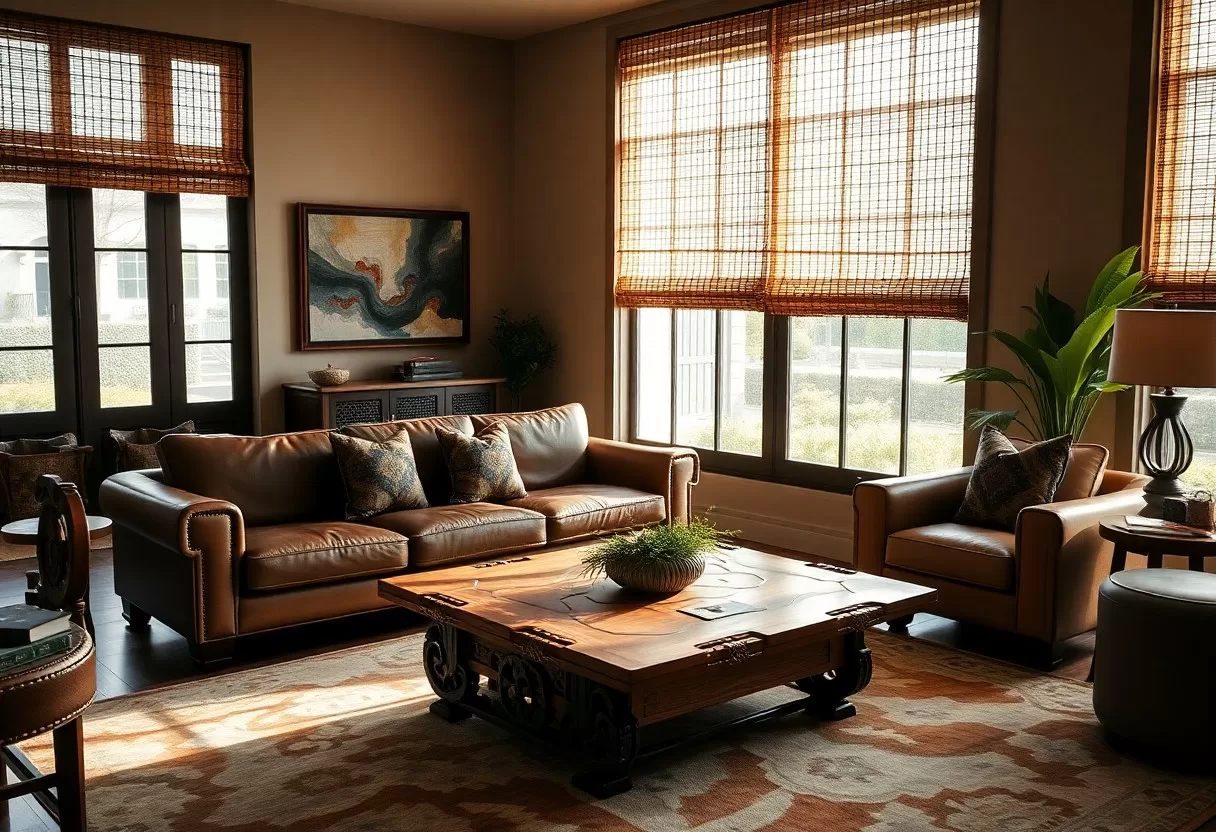
Your surroundings significantly influence your design choices, marrying historical context with contemporary trends. Designers draw deeply on regional cultural narratives, celebrating what makes each locality unique while blending these influences into cohesive and modern aesthetics. This fusion gives rise to distinctive spaces that resonate with shared memories and stories, transforming architecture into a living narrative reflective of its roots.
Global Inspirations That Define Contemporary Spaces
Incorporating global influences into your designs can elevate the character of any space. Elements from Scandinavian minimalism, Japanese Zen, or even African tribal patterns invite a diverse array of textures and forms. Each influences not just style but also functionality, promoting designs that cater to modern living while paying homage to global artistry.
The Interplay of Local Tradition and Modern Innovation
Balancing local tradition and modern innovation allows you to create spaces that feel rooted yet forward-thinking. This dynamic results in a rich tapestry of design where elements such as handcrafted tiles or traditional textiles are integrated seamlessly with sleek, contemporary furnishings. For instance, a mid-century modern home might feature local artisan-made decor, merging the old with the new, amplifying the narrative of heritage within a modern context.
By choosing to incorporate local craftsmanship into your designs, you foster a sense of authenticity that can be both appealing and meaningful. For example, using locally sourced materials not only reduces your carbon footprint but adds a story to each element, enhancing the overall character of your space. The craftsmanship of traditional pottery or the unique patterns of indigenous textiles can serve as focal points, inspiring a deeper connection to the environment and culture surrounding you. Navigating this synergy of past and present can make your designs not just visually striking but also deeply resonant, enriching the experience for those who inhabit your spaces.
Visionary Perspectives: What Top Designers Learn from Each Other
Peer collaboration in design studios fuels innovation, inspiring unique approaches and fresh ideas. Designers often gather to share their insights, techniques, and critiques, creating a vibrant exchange that pushes creative boundaries. By studying each other’s work, they discover new perspectives that enrich their own designs, whether through materials, style, or user experience.
Collaborative Influences in Design Studios
Collaboration brings together diverse viewpoints, enhancing the creative process. Within design studios, team members regularly challenge one another’s concepts, leading to innovative solutions that might not emerge in isolation. This dynamic interaction not only fosters an atmosphere of mutual respect but also catalyzes breakthroughs, revealing the power of collective creativity.
The Importance of Mentorship and Community
Mentorship shapes the design landscape by nurturing emerging talent. Experienced designers actively invest in their juniors, sharing knowledge and guiding their growth. Community gatherings and workshops play a vital role, as they create networking opportunities that connect aspiring designers with industry veterans. These interactions not only build confidence but also establish a support network for navigating the complexities of the design world.
Engaging in mentorship cultivates an enriched design community where ideas flourish. Through structured programs and informal guidance, seasoned professionals pass on their hard-earned wisdom, from technical skills to client relations. This reciprocal relationship not only garners respect but also fuels a culture of innovation, setting the stage for the next generation of visionary designers. As mentees bring fresh eyes and enthusiasm, the entire community benefits, creating a sustainable ecosystem where creativity knows no bounds.
Summing up
The exploration of studio-made spaces showcases the visionary approach of top designers, emphasizing the importance of personalized design in creating environments that reflect your unique style. You can glean insights into how these professionals transform ordinary spaces into extraordinary experiences, focusing on functionality and aesthetics tailored to your needs. By understanding their methodologies, you can better appreciate how thoughtful design enhances everyday life, inspiring you to consider your own space in a new light.
FAQ
Q: What is ‘Studio-Made Spaces’ about?
A: ‘Studio-Made Spaces’ explores the creative processes and innovative design philosophies of leading designers, showcasing their unique approaches to crafting personalized environments in interior design.
Q: Who are the featured designers in ‘Studio-Made Spaces’?
A: The book highlights a diverse range of top designers from various backgrounds, emphasizing their distinctive styles and contributions to the field of interior design, including both established names and emerging talents.
Q: How can I apply the principles from ‘Studio-Made Spaces’ to my own home?
A: Readers can apply the principles outlined in the book by drawing inspiration from the designers’ methodologies, experimenting with different materials, colors, and layouts, and focusing on creating spaces that reflect their personal style and needs.