
Swinging Style – Indoor Swings Add Playfulness and Relaxation to Living Spaces
Just imagine transforming your home into a sanctuary of comfort and playfulness with indoor swings. These unique additions not only elevate your living space but also provide a perfect balance between fun and relaxation. Incorporating an indoor swing can enhance your interior design, create a cozy nook, and even serve as a stress-relieving retreat. Explore the versatility of indoor swings and discover how they can breathe new life into your home environment.
Key Takeaways:
- Indoor swings enhance the aesthetic appeal and playfulness of living spaces.
- They provide a unique area for relaxation and stress relief within the home.
- Indoor swings can be tailored to fit various decor styles and personal preferences.
Benefits of Indoor Swings
Indoor swings offer unique advantages that extend beyond mere aesthetics. They encourage movement and engagement, which can improve mood and enhance overall well-being. Whether used for leisure or relaxation, swings provide a playful yet calming element in your living space, making them an ideal addition to homes striving for both comfort and fun.
Enhancing Playfulness in Living Spaces
Incorporating an indoor swing instantly transforms the ambiance of your room, infusing it with a sense of joy and whimsy. The mere presence of a swing invites playfulness, encouraging spontaneous moments of laughter and enjoyment. Children and adults alike are drawn to the invigorating experience it offers, fostering connections among family members as you share lighthearted activities.
Promoting Relaxation and Stress Relief
Your indoor swing can serve as a sanctuary for relaxation, providing a gentle rocking motion that calms the mind and body. Engaging in this soothing activity can significantly reduce stress levels, helping you unwind after a long day. The rhythmic motion promotes feelings of tranquility, making it a perfect retreat within your home.
Studies indicate that swinging can reduce cortisol levels, a stress hormone, while also encouraging the release of endorphins, which are known to improve mood. Cradled in the embrace of your swing, you can experience a meditative state that fosters deep relaxation. Utilizing this space for daily mindfulness practices or simply to escape the day’s demands can enhance your emotional health and overall well-being, creating a cozy nook tailored for rejuvenation.
Types of Indoor Swings
Indoor swings come in various styles, each offering unique characteristics that cater to different preferences and spaces. Below is a breakdown of the most popular types of indoor swings you can consider for your living area:
| Hammock Swings | These are cozy, net-like swings perfect for relaxation. |
| Hanging Chairs | Stylish and versatile, these provide both comfort and aesthetic appeal. |
| Bubble Swings | Enclosed and whimsical, ideal for children and adults alike. |
| Rope Swings | Simple yet effective, they bring a playful element to any room. |
| Elliptical Swings | Designed for gentle rocking, they promote tranquility. |
Perceiving the range of options allows you to select a swing that not only fits your lifestyle but also enhances your home’s ambiance.
Hammock Swings
Hammock swings are a delightful choice for those seeking an inviting and relaxed atmosphere. They cradle the body, making them perfect for unwinding with a good book or afternoon nap. These swings often come in colorful fabrics and can be hung in various locations, adding a vibrant touch to your décor.
Hanging Chairs
Hanging chairs provide a modern twist to traditional seating with their unique designs. Typically crafted from materials like wicker or fabric, they offer a blend of style and comfort. These chairs can be suspended from the ceiling or a sturdy frame, allowing for a chic focal point in your room while inviting you to sway gently as you enjoy your surroundings.
Hanging chairs not only serve aesthetic purposes but also offer ergonomic support, helping to align your body naturally while sitting. Many come with cushions for additional comfort, making extended periods of use enjoyable. With multiple designs available—from minimalist to bohemian—you have the flexibility to choose a hanging chair that complements your personal style and the look of your room.
Choosing the Right Indoor Swing
Selecting the ideal indoor swing involves understanding your personal taste, available space, and intended use. You can explore 10 Amazing Indoor Sensory Swings to Brighten … – Outree for innovative options that enhance your home’s vibe. Consider whether you want a swing for relaxation, playful activities, or both, as this will guide your decision.
Material Considerations
The choice of materials affects both the swing’s safety and comfort. Look for durable materials such as canvas, cotton, or polyester for the seat, while sturdy wood or metal is crucial for the frame. Ensure that any swing you select meets safety standards and can withstand regular use.
Size and Space Requirements
Your available space is a critical factor in swing selection. Measure the intended area to determine how much clearance you need both for the swing itself and for safely getting on and off. Ideally, allocate at least two to three feet of space around the swing to allow for movement, ensuring you can swing without obstructions or damage to surrounding furniture.
Evaluating size and space means assessing both the dimensions of the swing and the height of your ceilings. If you’re opting for a hanging swing, ensure your ceiling can support the height requirements and that you have adequate swing length. For example, a small nook might be ideal for a compact hammock-style swing, while a larger area can accommodate a more substantial frame without sacrificing movement space. Taking the time to measure and visualize will lead to a satisfying swing experience in your home.
Installing Indoor Swings Safely
Finding the Right Location
Choose a location that allows for free movement around the swing, ideally with at least three feet of space on all sides. Avoid areas with low ceilings or obstacles that can impede swinging motion. Natural light and central living areas can enhance both aesthetics and functionality, making the swing a focal point in your home.
Ensuring Proper Support
Strong support is vital for the safety and functionality of your indoor swing. Assess the weight capacity needed, considering both the swing’s specifications and the maximum load it will bear. Ideally, you should anchor the swing directly into ceiling joists or beams using heavy-duty hardware to ensure stability during use.
Your swing’s support structure must handle not just your weight but also the dynamic forces of swinging. For maximum safety, use a stud finder to locate joists, then secure the swing’s ceiling mounts directly to these beams, employing appropriate screws or bolts rated for the anticipated load. If you’re unsure about the strength of your ceiling, consulting a professional can provide peace of mind and prevent potential accidents. Additionally, a backup safety harness can add an extra layer of security during use.
Decor and Design Tips
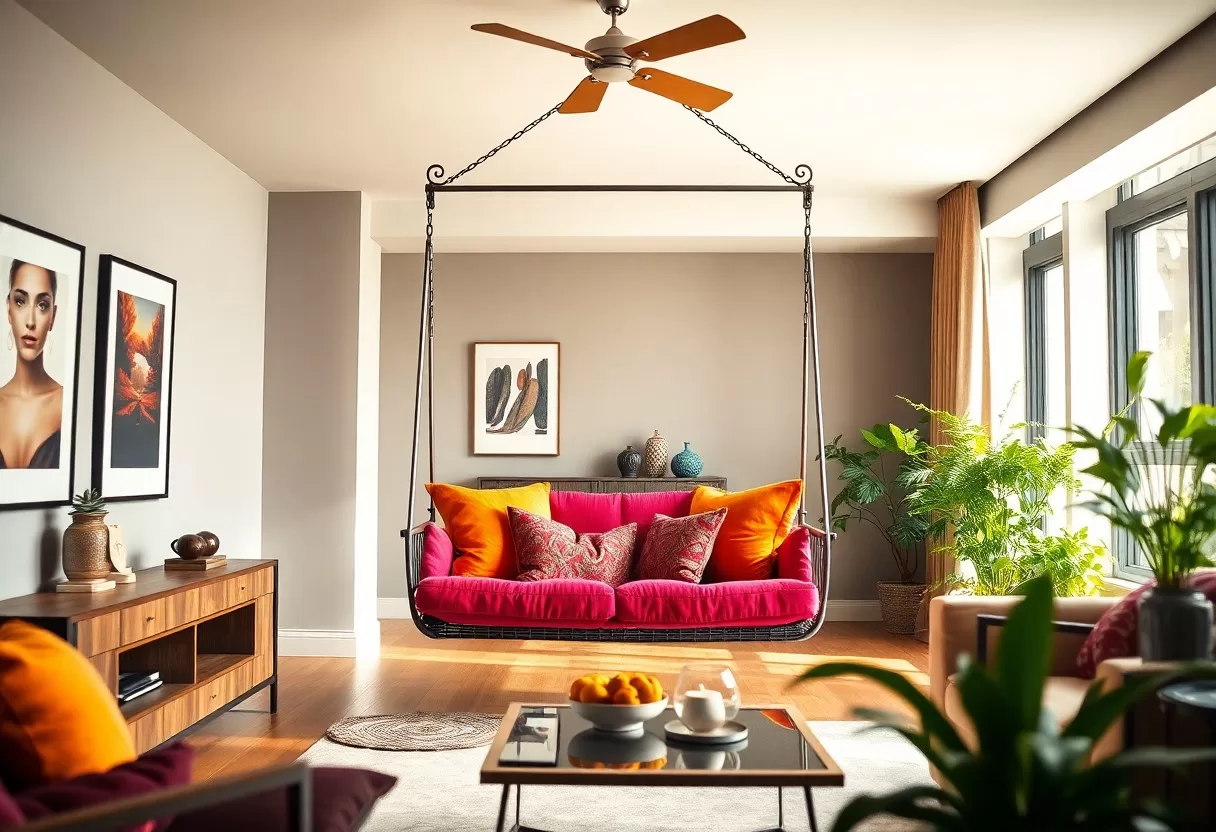
Infusing your space with an indoor swing not only elevates the fun factor but also enhances its aesthetics. Selecting the right spot is key for visual balance and functionality. Consider the following tips:
- Choose a swing style that complements your existing design theme.
- Match the materials to create visual harmony, whether it’s wood, metal, or fabric.
- Anchor the swing with surrounding decor items to create a cohesive look.
- Position the swing to maximize natural light and provide a sense of openness.
Any thoughtful arrangement can significantly enhance the ambiance of your living area.
Integrating Swings into Your Home Aesthetic
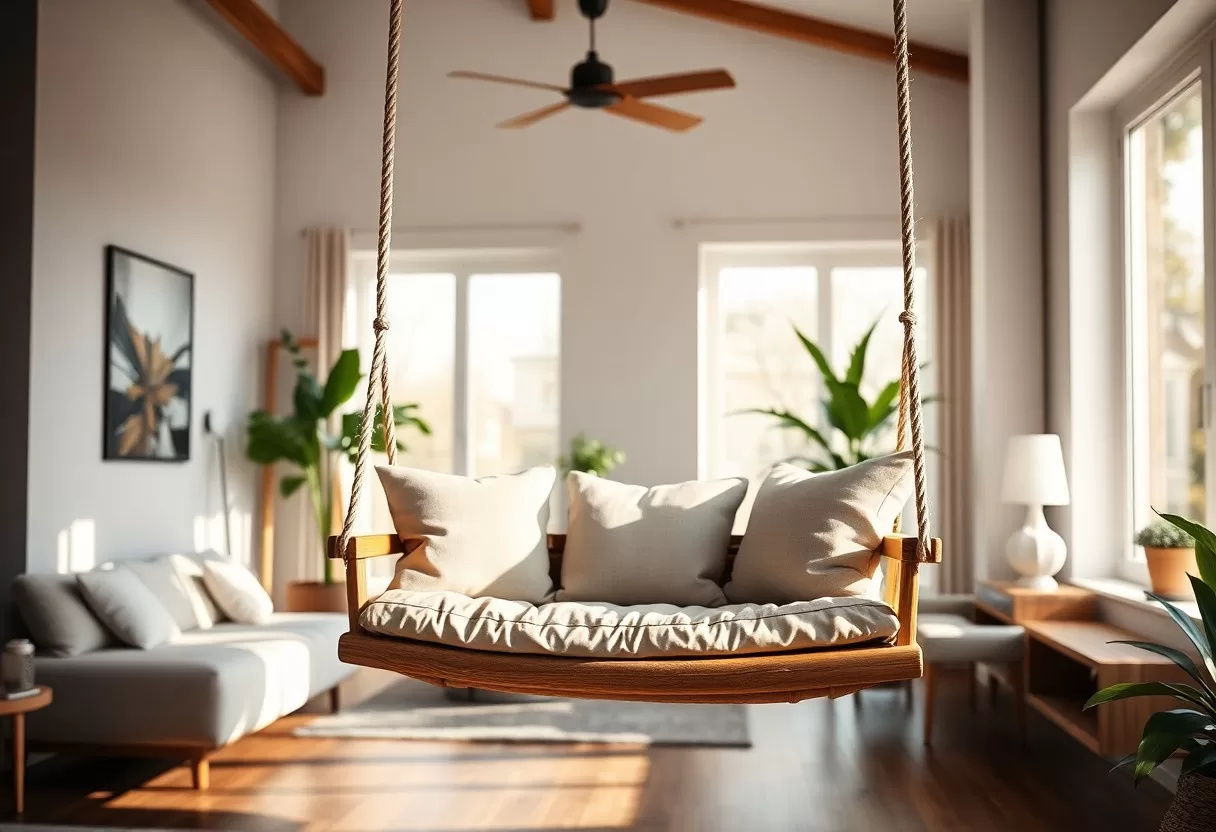
Bringing an indoor swing into your home can seamlessly blend with various styles, from modern to bohemian. For a minimalist approach, opt for sleek designs in neutral colors that complement your furniture. Rustic swings made of reclaimed wood can add warmth in country-style homes. The key lies in ensuring that your swing reflects your personal taste while harmonizing with other elements in your space.
Accessorizing Around Indoor Swings
Strategically placed accessories can elevate the area surrounding your indoor swing. Use soft cushions and throw blankets to create a cozy ambiance. Adding a small side table can enhance functionality, allowing you to place drinks or books nearby. Incorporating plants brings life and freshness, while artwork on adjacent walls can draw the eye, making the swing a focal point in the room.
Consider textures and colors when accessorizing around your indoor swing; they should resonate with the overall design of your room. For example, if your swing has boho elements, accent it with macramé plant hangers or colorful, patterned cushions. Conversely, if a sleek, modern look dominates, opt for monochromatic accessories with clean lines. Strategic lighting, such as pendant lights or floor lamps, can further enhance the atmosphere, inviting relaxation and enjoyment in this playful nook.
Maintenance and Care
Maintaining your indoor swing ensures its longevity and safety. Regularly checking for wear and tear, as well as cleaning it, can keep your swing looking fresh and functioning effectively. Depending on the material, this might involve simple dusting or using specialized cleaners that won’t damage the fabric or wood. Always consult the manufacturer’s instructions for specific cleaning guidelines.
Cleaning and Maintenance Advice
To keep your indoor swing in top condition, schedule regular cleanings based on usage. For fabric swings, vacuuming or spot cleaning with gentle detergents works well. Wooden components benefit from being wiped down with a damp cloth and a mild soap. Avoid harsh chemicals that could degrade the materials, and make sure everything is dried thoroughly to prevent mold.
Safety Checks and Regular Upkeep
Routine safety checks are vital for keeping your swing secure. Ensure that all attachment points are tight and that any support hardware is free from corrosion. Inspect the ropes or chains for fraying or wear, which can pose significant risks during use. Conduct these safety inspections at least once a month and immediately after any heavy use. Adjustments or replacements should be prioritized to mitigate potential accidents or injuries.
During your safety checks, assess the swing’s mounting points to confirm they’re stable and secure. Also, monitor for any signs of structural damage in the swing itself, such as cracks in wood or fabric fraying. Using a weight limit specific to your swing’s design protects against excess stress, while making sure the area around the swing is clear helps prevent accidents. Prioritizing these regular evaluations guarantees a safe and enjoyable experience every time you swing.
Conclusion
From above, indoor swings transform your living spaces, infusing them with both playfulness and relaxation. You can create a unique atmosphere that encourages enjoyment and reduces stress. By incorporating a swing, you not only enhance your decor but also offer a versatile space for leisure and reconnection. Embracing this trend can significantly elevate your home’s ambiance, making it a sanctuary of comfort and joy.
FAQ
Q: What are the benefits of using indoor swings in living spaces?
A: Indoor swings provide a unique blend of playful aesthetics and relaxation. They can serve as a fun seating option, promote stress relief, and enhance overall decor. Additionally, swinging can stimulate sensory experiences, making it beneficial for both children and adults.
Q: How do I choose the right indoor swing for my space?
A: Consider factors such as your available space, weight capacity, and style preference. Options include hammock swings, hanging chairs, and traditional swings. Ensure the swing complements your existing decor and is suitable for the intended user’s age and size.
Q: What kind of installation is required for indoor swings?
A: Installation typically involves securing the swing to ceiling joists or beams. Use appropriate hardware, such as heavy-duty hooks or anchors, to ensure safety. If unsure about installation, consulting a professional is advisable.
Q: Are indoor swings safe for children?
A: Yes, indoor swings can be safe for children when installed and used properly. Choose swings designed for children, supervise usage, and ensure there’s adequate space around the swing to prevent accidents.
Q: Can indoor swings accommodate multiple users?
A: It depends on the swing’s design and weight capacity. Some swings are designed for single use, while others, such as double hammock swings, can accommodate multiple users. Always check the manufacturer’s guidelines for safety recommendations.