
Iconic Landmarks Revisited – What Today’s Architects Can Learn
Iconic structures from around the world serve as not only testaments to architectural innovation but also as blueprints for contemporary design. As you explore the enduring principles behind these landmarks, you’ll uncover valuable lessons that can enhance your own projects. From their sustainability practices to their cultural significance, understanding these elements can inspire you to create buildings that resonate with both history and modernity. Dive into the legacy of these monuments and see how they can inform your architectural vision today.
Lessons from Architectural Titans of the Past
The enduring power of great architecture stems from the vision and innovation of historical figures who shaped the built environment. Their ability to fuse aesthetic principles with functionality offers profound lessons for contemporary architects. By studying the works of titans like Frank Lloyd Wright or Zaha Hadid, you can uncover approaches to harmonizing structure with nature and culture, thus pushing the boundaries of modern design.
Relevance of Historical Context
Your understanding of architectural evolution relies heavily on historical context, as each landmark reflects the values, technologies, and challenges of its time. For instance, the Gothic cathedrals emerged from a need to express religious devotion while showcasing advanced engineering. By appreciating these historical narratives, you can create designs that resonate within the present landscape and infuse your projects with richer meanings.
Iconic Designs That Shaped Cultural Identity
Iconic designs often serve as cultural symbols, encapsulating the values, aspirations, and identity of a society. Structures like the Parthenon in Greece or the Sydney Opera House not only showcase architectural mastery but also represent communal pride and historical significance. You can harness this power by embedding local narratives and cultural elements into your designs, ensuring that your work contributes to a shared identity.
Consider the Sydney Opera House; its organic, sail-like design epitomizes Australia’s maritime heritage while becoming an international symbol of architectural innovation. Developed by architect Jørn Utzon, it embodies the spirit of its location, representing adaptability and artistic expression. By integrating similar elements into your own projects—whether through local materials, traditional motifs, or innovative forms—you can create structures that invite connection and foster community, leaving a legacy that resonates with future generations.
Sustainability and Resilience: Lessons from Enduring Structures
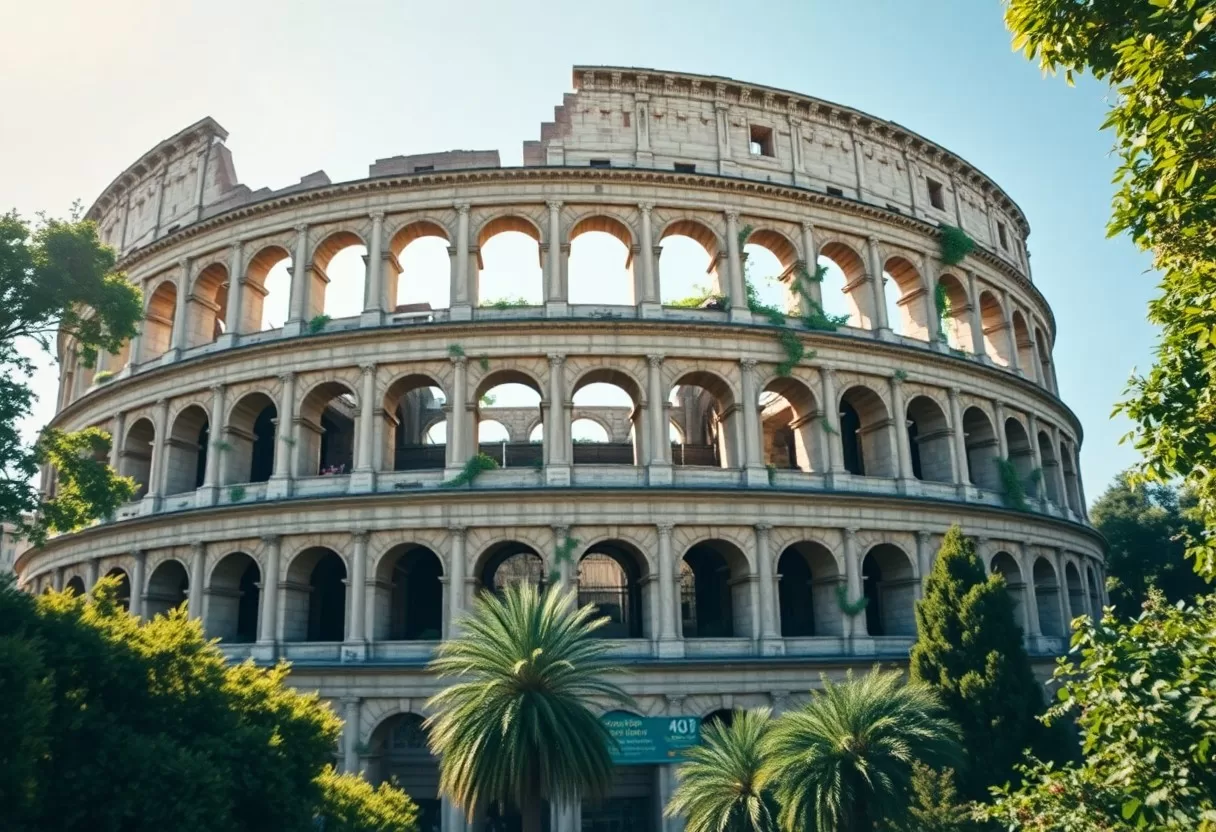
Examining iconic landmarks reveals valuable insights into sustainability and resilience that today’s architects can apply. Structures like the Colosseum and the Great Wall of China highlight timeless design principles, focusing on durability and adaptability. These buildings have withstood the test of time, primarily due to their robust material choices, contextual integration, and ability to evolve with changing needs without compromising their integrity. By embracing these lessons, you can create architecture that not only meets current demands but also respects environmental and historical contexts.
Innovations in Material Use
Advancements in material technology have revolutionized construction, enabling architects to create more sustainable buildings. Utilizing recyclable materials, such as reclaimed wood and recycled metals, paired with modern techniques like 3D printing and biomaterials, enhances structural efficiency while minimizing waste. You can take inspiration from landmarks which employed local materials to reduce their carbon footprint, further illustrating the importance of material innovation in contemporary architecture.
Adaptive Reuse as a Sustainable Solution
Adaptive reuse transforms existing buildings for new purposes, significantly reducing energy consumption and resource depletion. By repurposing structures, you retain their cultural significance and reduce landfill waste, offering a sustainable alternative to new construction. Projects like the High Line in New York, which converted a disused railway into a vibrant park, exemplify how creatively revitalizing old spaces can serve community needs while preserving history.
Adaptive reuse fosters a deeper connection between you and your environment, allowing you to honor the past while addressing contemporary challenges. By revitalizing older structures, you save on raw materials and energy typically required for new builds, achieving a significantly lower environmental impact. For instance, according to the National Trust for Historic Preservation, adaptive reuse projects can reduce waste by up to 90% in comparison to demolishing and constructing new buildings. This approach ensures that the architectural heritage and cultural narratives embedded in these sites continue to influence future generations, proving that sustainability and respect for history go hand in hand.

The Interplay of Aesthetics and Functionality
A seamless connection between aesthetics and functionality defines successful architectural designs. You can draw inspiration from iconic structures that balance beauty with purpose, creating spaces that resonate emotionally while serving practical needs. For instance, the Sydney Opera House illustrates how dramatic design enhances performance venues, combining visual splendor with acoustic optimization.
Keeping Tradition Alive in Modern Design
Incorporating traditional elements into contemporary designs fosters a sense of continuity and place. You can look to the Alhambra in Spain for inspiration, where intricate mosaics and historical patterns are reimagined in modern contexts. This approach not only honors cultural heritage but also invites community engagement, bridging gaps between generations.
Balancing Form with Purpose in Iconic Buildings
The most impactful buildings harmonize form and function. Structures like the Louvre Pyramid showcase this balance by integrating modern glass and steel with the historic museum’s classical references. By prioritizing both aesthetics and utility, these designs enhance user experience while respecting their environment.
Consider the Guggenheim Museum in New York, where Frank Lloyd Wright’s spiraling design not only captivates visitors but also optimizes gallery space for viewing art. This integration results in increased foot traffic and engagement, demonstrating that when form complements purpose, the space transcends mere architecture, evolving into an experiential journey. Successful architects consistently apply this principle, ensuring that every curve and line serves a dual purpose of beauty and utility.
The Role of Community in Architectural Legacy
Architectural legacy thrives on the inclusion and input of the community. When architects engage local voices, they craft structures that resonate with the cultural identity and values of the people who inhabit them. This synergy fosters a sense of ownership and pride, ensuring that architectural achievements are not only functional but also reflect the essence of the community’s spirit. Designing with community in mind allows for sustainable practices and spaces that are more likely to endure over time.
Engaging Local Voices in Design
Your involvement with the community during the design process can yield profound insights. By conducting workshops, surveys, and public consultations, you tap into the collective wisdom and aspirations of residents. This participatory approach results in built environments that cater not just to aesthetics but also to the needs and desires of the community, fostering a deeper connection to the space.
Case Studies of Community-Centric Landmarks
Examining successful examples of community-centric landmarks reveals how engagement can influence architectural outcomes. Consider the following case studies that showcase the impact of local involvement:
- High Line, New York City: Transforming an abandoned railway into a public park; involved over 20,000 community members in its design process.
- Millennium Park, Chicago: Created with extensive community feedback; attracts over 9 million visitors annually.
- Community Center, Edmonton: Designed through participatory workshops; served over 5,000 locals annually since completion.
- HafenCity, Hamburg: Integrated local stakeholder input; 40% of land designated for public use.
These community-centric landmarks illustrate the transformative power of collective input in architecture. The High Line’s redevelopment showcases how public participation can turn a neglected space into a vibrant urban oasis, with a staggering 20,000 individuals contributing ideas. Millennium Park stands as a testament to successful collaboration, welcoming 9 million visitors each year. The Edmonton Community Center has effectively become a local hub, serving over 5,000 residents annually, while HafenCity exemplifies the commitment to inclusivity, with a significant portion of land dedicated to public use.
- High Line, New York City: Over 20,000 community members involved; 1.45 miles long; 8 million visitors annually.
- Millennium Park, Chicago: Engaged locals throughout its development; features the iconic Cloud Gate; attracts 9 million visitors yearly.
- Community Center, Edmonton: Designed after extensive public consultation; serves over 5,000 residents; promotes active community engagement.
- HafenCity, Hamburg: Over 40% of the area designated for public spaces; integrates local voices for sustainable urban development.
Architectural Technology: Bridging History and Modernity
Today’s architects leverage advanced technologies to merge historical elements with contemporary designs, crafting spaces that honor the past while embracing the future. Utilizing sustainable materials and innovative construction techniques allows for the creation of structures that remain relevant and functional in a rapidly evolving urban landscape. This synergy not only preserves architectural heritage but also enhances the usability and aesthetic appeal of buildings.
The Impact of Digital Tools on Design
Digital tools like Building Information Modeling (BIM) and 3D printing revolutionize how architects visualize and execute projects. These technologies enable you to create accurate representations, facilitating effective collaboration with stakeholders. Furthermore, they streamline workflows and reduce material waste, ensuring that historical sites can adapt to modern demands without compromising their integrity.
Preserving Historical Features with Modern Techniques
Modern techniques allow you to retain the essence of historical buildings while infusing them with contemporary functionality. Utilizing laser scanning and augmented reality, architects can meticulously document existing structures, identifying key features that must remain intact. This approach ensures that the character of the original design is preserved, even as the building is adapted for new purposes.
For example, the renovation of the historic Old Post Office in Washington, D.C., showcases the application of advanced restoration methods while updating its infrastructure. Using cutting-edge materials, architects replaced aging elements with replicas that match the original craftsmanship, alongside energy-efficient systems that modernize the building’s functionality. Such methods not only respect the distinctiveness of historical architecture but also promote sustainability, fostering a seamless integration of old and new that enriches the urban environment.
Final Thoughts on Modern Architectural Inspiration from the Past
Embracing Legacy in Design
You can draw significant insights from past architectural masterpieces to inform your contemporary designs. Structures like the Pantheon and the Eiffel Tower, known for their astonishing durability and aesthetic appeal, remind you of the importance of blending form with function. These landmarks exhibit harmony with their surroundings and community needs. By examining their innovative use of materials and spatial organization, you can create designs that not only resonate with historical significance but also stand the test of time, ensuring your architectural legacy is both impactful and enduring.
FAQ
Q: What are some iconic landmarks that influence contemporary architecture?
A: Landmarks such as the Eiffel Tower, Sydney Opera House, and the Colosseum serve as key inspirations for modern architects. Their innovative designs, structural integrity, and cultural significance provide valuable lessons in aesthetics and functionality.
Q: How do historical architectural styles inform current design practices?
A: Historical architectural styles, like Gothic or Baroque, offer insights into ornamentation, spatial organization, and user experience. Today’s architects adapt elements from these styles to create contemporary designs that resonate with historical context while meeting modern needs.
Q: What role does sustainability play in reinterpreting iconic landmarks?
A: Sustainability is pivotal in the reinterpretation of iconic landmarks. Architects analyze traditional materials and building techniques, integrating eco-friendly technologies and renewable resources to honor the past while promoting environmental responsibility in modern structures.