
Healing Architecture – Wellness and Relaxation Rooms
Just as your environment influences your well-being, healing architecture focuses on creating spaces that foster wellness and relaxation. By integrating natural elements, light, and soothing materials, these rooms enhance your ability to unwind and rejuvenate. Understanding the principles behind healing architecture can empower you to design your personal spaces that promote mental clarity and physical comfort. Discover how specific elements in your surroundings can effectively reduce stress and elevate your overall quality of life.
Key Takeaways:
- Design elements promote relaxation, such as natural light, soothing colors, and calming textures.
- Incorporating nature through biophilic design enhances mental well-being and reduces stress.
- Flexibility in space usage allows for various wellness activities, fostering a sense of community and personal rejuvenation.
The Concept of Healing Architecture
Definition and Principles
Healing architecture integrates design elements that promote well-being and relaxation. By prioritizing natural light, organic materials, and soothing color palettes, you can create spaces that enhance mental and physical health. The principles focus on sensory experiences, providing you with environments that foster connection to nature and encourage positive interactions, grounding your overall sense of peace and tranquility.
Historical Context
The roots of healing architecture can be traced back to ancient civilizations, where structures were designed with health and wellness in mind. Examples include the Greek Asclepius temples, known for their therapeutic spaces, and the Roman baths that emphasized social and physical wellness. Over time, societal shifts have led to evolving concepts of wellness in architecture, reflected in the design of hospitals and wellness centers today.
In the 19th century, figures such as Florence Nightingale emphasized the role of the environment in patient recovery, advocating for proper ventilation, light, and cleanliness in hospitals. More recent movements, such as biophilic design, highlight the importance of integrating natural elements into architecture, linking back to ancient practices that revered nature’s influence on health. As you observe modern spaces, notice how these historical insights shape the healing environments you encounter today, fostering a sense of calm and restoration crucial for well-being.
Importance of Wellness and Relaxation Rooms
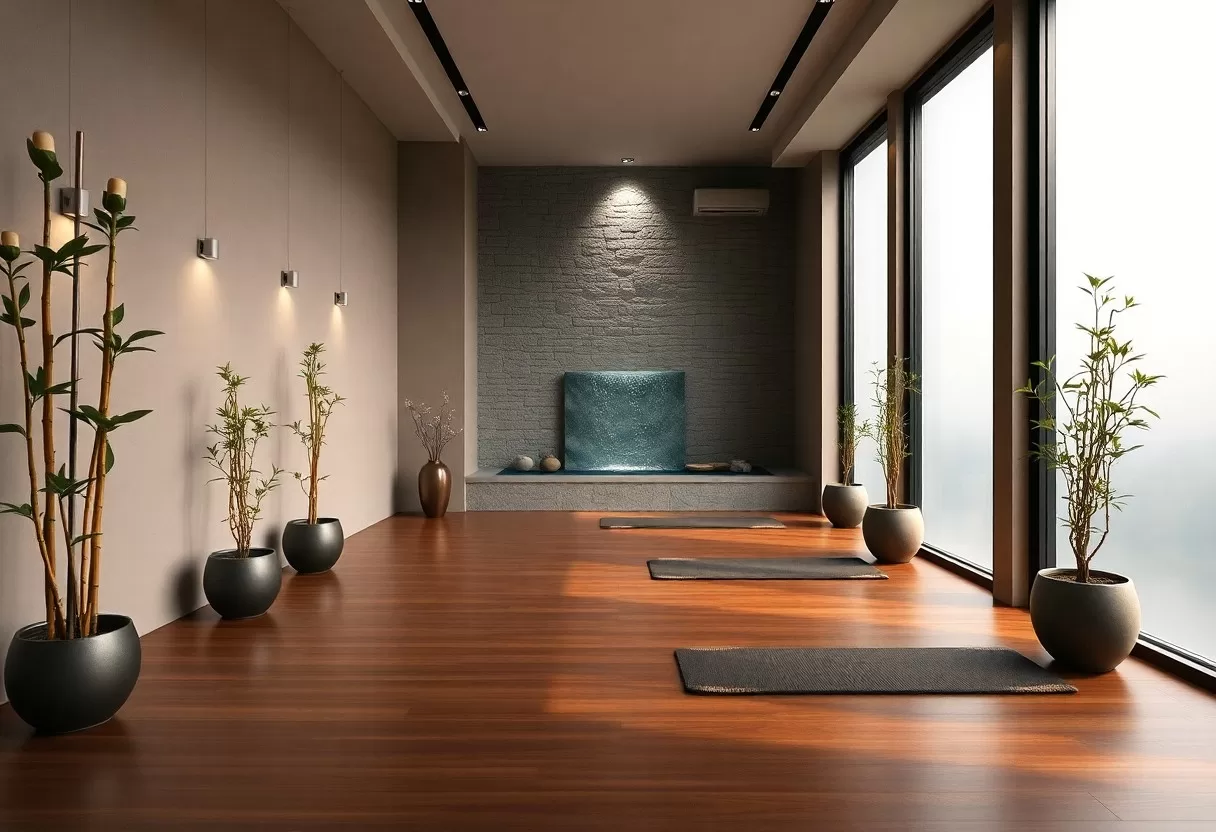
Wellness and relaxation rooms play a vital role in enhancing your overall health by providing a dedicated space for recovery and rejuvenation. These environments, designed with specific elements such as natural light, soothing colors, and comfortable furnishings, encourage a peaceful state of mind, helping you disconnect from daily stresses. Incorporating tranquility into your environment not only promotes relaxation but also fosters resilience, enabling you to better navigate life’s challenges.
Psychological Benefits
Enhanced emotional well-being emerges from spending time in wellness and relaxation rooms. These spaces alleviate stress and anxiety by offering a serene atmosphere, allowing you to engage in mindfulness practices or relaxation techniques. Simple interventions, like incorporating nature views or calming soundscapes, can significantly improve your mood, bolstering mental clarity and emotional regulation.
Physiological Benefits
Your body responds positively to environments designed for relaxation. Studies show that time spent in these rooms can lead to reduced cortisol levels, improved heart rate variability, and enhanced immune function. Integrating elements like aromatherapy or calming sounds can promote physiological relaxation, decreasing muscle tension and enhancing vital functions throughout your body.
Elevated physiological responses stem from immersion in thoughtfully designed environments. For instance, research shows that individuals in spaces with abundant natural elements report lower blood pressure and decreased levels of physiological stress markers. Such benefits underscore the power of wellness and relaxation rooms; by offering a sanctuary away from daily pressures, you facilitate imperative healing processes that bolster both your physical health and emotional resilience.
Key Elements in Designing Healing Spaces
Effective healing spaces incorporate a variety of design elements that create a nurturing environment. Focus on integrating features that enhance comfort and tranquility, such as layout, acoustics, and biophilic design. Prioritizing user experience ensures that your wellness and relaxation rooms serve their intended purpose, creating a sanctuary for rejuvenation.
Natural Light and Air Quality
Maximizing natural light and ensuring good air quality are important for creating a serene environment. Large windows, skylights, and open spaces allow sunlight to fill the room, elevating mood and energy levels. Fresh air circulation promotes physical well-being, which directly impacts mental clarity and relaxation, making these elements vital in your design approach.
Materials and Color Psychology
The selection of materials and application of color psychology significantly influence the ambiance of your healing spaces. Natural materials like wood and stone evoke a sense of calm, while colors such as soft blues and greens can lower heart rates and reduce anxiety. These choices create a welcoming environment that supports your relaxation objectives.
When considering materials, opt for sustainable and organic options that not only enhance aesthetic value but also reflect an eco-conscious mindset. Colors should be chosen for their psychological effects; for instance, warm neutrals can create an inviting atmosphere, while cool tones promote tranquility. Studies indicate that environments designed with psychological principles can lower stress levels and enhance the overall healing experience, making your choice of materials and colors not just decorative but integral to the room’s purpose.
Examples of Healing Architecture
Innovative designs in healing architecture have transformed wellness and relaxation rooms into sanctuaries promoting mental and physical health. By focusing on natural materials, ample light, and soothing colors, these spaces foster tranquility. Facilities incorporating elements like water features, indoor gardens, and soundscapes offer both aesthetic and therapeutic advantages, enhancing your experience of relaxation and well-being.
Case Studies of Successful Wellness Rooms
Examining case studies reveals the efficacy of well-designed wellness rooms. Notable projects demonstrate significant improvements in user well-being and satisfaction. These examples highlight the impact of thoughtful architectural choices.
- Project: Serenity Center, Location: San Francisco, Impact: 30% reduction in stress levels post-usage.
- Project: Tranquil Retreat, Location: Miami, Feature: Zen gardens, Patient satisfaction: 95% reported improved mood.
- Project: Harmony House, Location: New York, Design: Biophilic elements, Outcome: 20% increase in recovery rates.
- Project: Wellness Pavilion, Location: Seattle, Feature: Natural light integration, Feedback: 90% of users felt relaxed.
Innovations in Architectural Design
Recent innovations in architectural design focus on harmonizing spaces with nature. Incorporating smart technology to control lighting and temperature enhances personal comfort. Using sustainable materials boosts both ecological impact and user well-being. Innovations such as Modular Structures provide flexibility in design, allowing for tailored experiences. Moreover, recent studies show that incorporating acoustic design significantly reduces noise pollution, further contributing to a relaxing atmosphere. These advancements redefine wellness environments, making them more responsive and effective in promoting healing.
Integrating Technology in Wellness Spaces
In wellness and relaxation rooms, technology enhances the overall experience, making spaces more intuitive and conducive to tranquility. Integrating features like automated lighting, soundscapes, and climate controls allows for a customizable environment that adapts to your preferences. You can enjoy a seamless blend of sensory elements, creating a personalized oasis that caters to your relaxation needs.
Smart Design for Relaxation
Smart design elements in wellness spaces incorporate eco-friendly materials and advanced room functionalities that promote relaxation. Light therapy panels, adjustable acoustic treatments, and biophilic design principles foster a harmonious atmosphere, making your environment conducive to rest and rejuvenation. You will find that every facet of these designs works towards your mental and physical wellbeing.
Digital Solutions for Enhanced Wellbeing
Digital solutions bring innovation into your wellness journey, offering interactive tools and apps that track health metrics and guide relaxation techniques. With the integration of wearable technology and virtual reality experiences, you can explore guided meditations and personalized wellness programs, leading to transformative results in stress reduction and overall satisfaction.
Utilizing digital platforms, you can access a variety of resources tailored to your unique needs. Features such as mood tracking, virtual health consultations, and biofeedback devices empower you to take control of your wellness journey. For instance, applications that combine breathing exercises with real-time feedback can significantly improve your relaxation techniques. These digital solutions facilitate a *personalized and engaging experience*, ensuring that your wellness room is not just a space, but a hub of active, health-driven engagement.
Challenges in Implementing Healing Architecture
Implementing healing architecture poses several challenges that need careful consideration. These hurdles can arise from limited financial resources, the difficulty of merging design with functionality, and resistance to change within established healthcare systems. Overcoming these obstacles requires a strategic approach, ensuring that wellness-focused environments are created without compromising on practicality or overall design intent.
Budget Constraints
Budget constraints often serve as a significant barrier to the implementation of healing architecture. You may find that initial costs for materials and innovative design features exceed standard budgets, leading to difficult decisions about what elements to prioritize. Strategic planning, sourcing grants, and collaborating with stakeholders can help manage these financial limitations, ensuring you create a wellness-oriented facility within fiscal realities.
Balancing Aesthetics with Functionality
Successfully balancing aesthetics with functionality represents an ongoing challenge in healing architecture. You need to ensure that design elements do not compromise the practical requirements of the space. This balance is fundamental; aesthetic considerations may promote feelings of peace and comfort, while functional aspects must support clinical efficiency and safety standards.
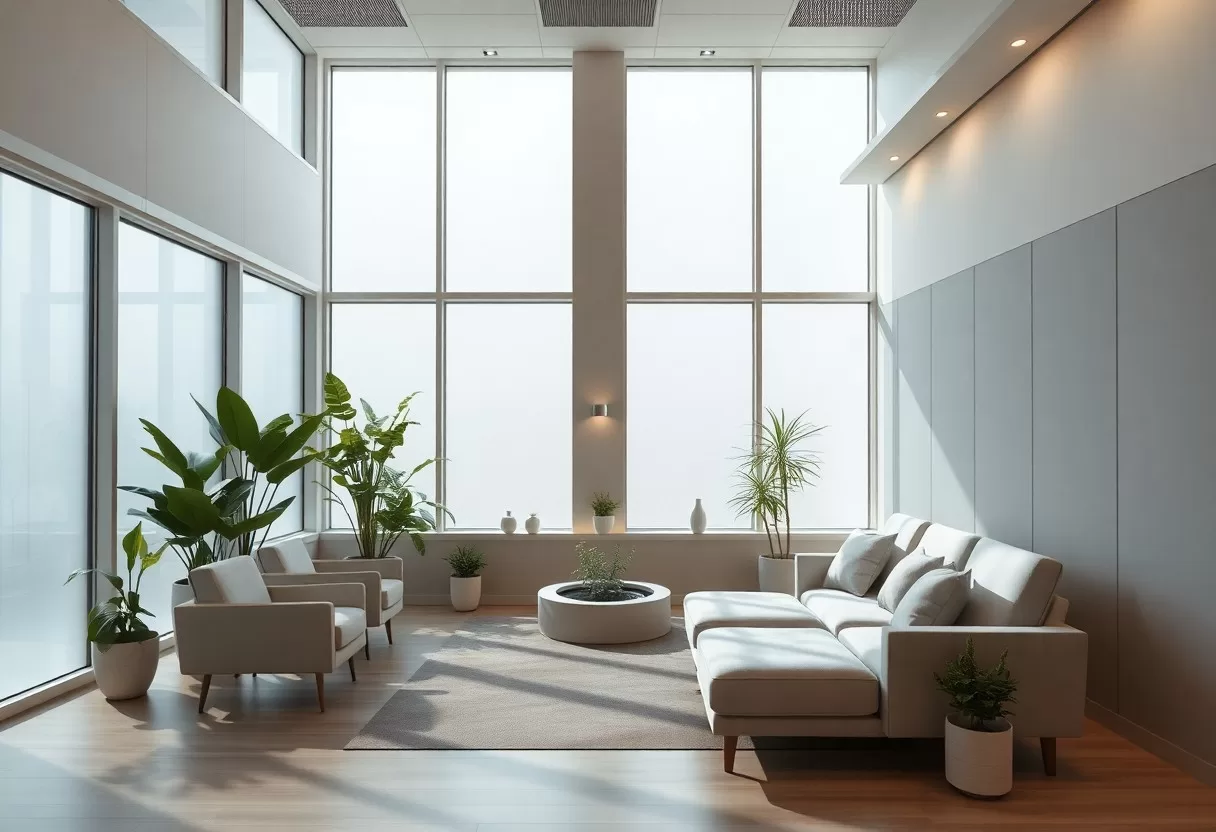
Consider an example where natural light is emphasized through large windows in a patient room. While this design choice enhances the ambiance and promotes relaxation, it also must align with considerations such as energy efficiency and privacy. You might explore biophilic design principles, incorporating natural elements that satisfy the aesthetic need for tranquility while also providing practical benefits, like improved air quality. Using sustainably sourced materials can enhance visual appeal and contribute to a healthier environment, proving that a harmonious blend of beauty and utility is indeed achievable in healing architecture.
Final Words
The design of wellness and relaxation rooms significantly impacts your overall health and well-being. By incorporating elements such as natural light, soothing colors, and soundscapes, you create an environment that fosters peace and rejuvenation. Prioritizing these aspects in your healing architecture not only promotes relaxation but also enhances your emotional and mental clarity. As you explore ways to improve your personal spaces, consider how each element can contribute to your healing journey, ultimately enriching your life.
FAQ
Q: What is Healing Architecture?
A: Healing Architecture refers to the design and construction of spaces that promote wellness, relaxation, and healing. It emphasizes natural light, soothing color palettes, and the integration of nature to enhance the well-being of occupants.
Q: What features are included in Wellness and Relaxation Rooms?
A: Wellness and Relaxation Rooms typically include elements such as comfortable seating, natural materials like wood and stone, calming lighting, plants, and soundproof environments to foster a serene atmosphere.
Q: How does the design impact mental health?
A: Thoughtful design can significantly affect mental health by reducing stress, improving mood, and fostering a sense of tranquility. Spaces designed with healing principles can help create a restorative environment that encourages relaxation and mindfulness.
Q: Can Healing Architecture be applied in residential settings?
A: Yes, Healing Architecture can be implemented in residential settings. Homeowners can create wellness spaces through the use of light, color, and nature-inspired elements to promote relaxation and recovery in their daily lives.
Q: What role does nature play in Healing Architecture?
A: Nature plays a vital role in Healing Architecture by providing a sense of connection to the outdoors. Incorporating elements like large windows, green walls, and outdoor spaces enhances well-being and reduces stress levels, contributing to a healing environment.