
How to Grow Fresh Herbs Indoors All Year Round
Most people underestimate the benefits of having fresh herbs at their fingertips, especially during the colder months. Growing your own indoor herbs is not only easy but also highly rewarding, allowing you to enhance your cooking with vibrant flavors and aromas. In this guide, you’ll learn the necessary steps to create the ideal environment for your herbs, from managing light and temperature to selecting the right containers and soil. By following these tips, you can enjoy fresh, homegrown herbs straight from your windowsill all year long.
Key Takeaways:
- Choose suitable herbs such as basil, parsley, and mint that thrive well in indoor environments.
- Provide adequate light using grow lights or place herbs near south-facing windows for optimal sunlight exposure.
- Utilize well-draining soil and pots with drainage holes to prevent waterlogging and promote healthy root growth.
- Maintain consistent moisture levels, allowing the top inch of soil to dry out between waterings to avoid overwatering.
- Fertilize regularly with a balanced fertilizer to support growth, especially during the active growing season.
Choosing the Right Herbs for Indoor Growth
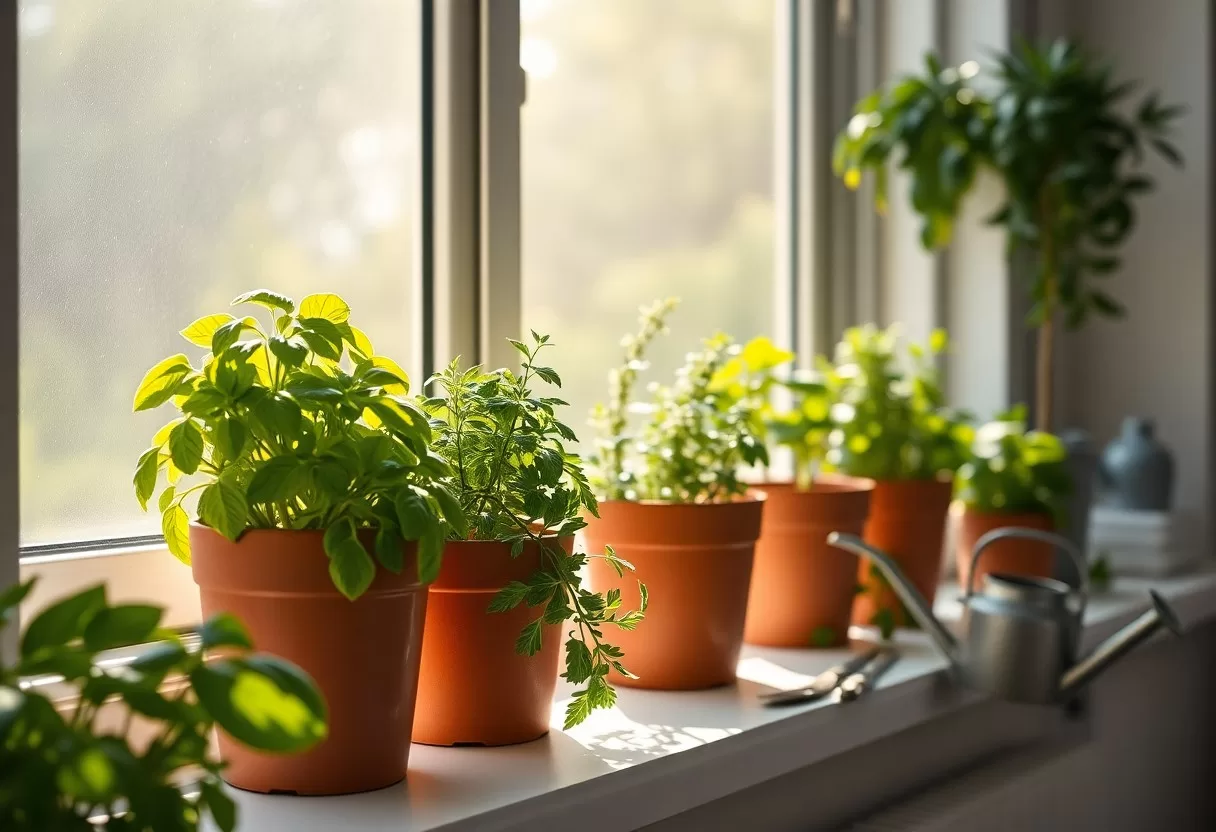
Selecting the right herbs for indoor growth can make all the difference in your gardening success. Some herbs adapt exceptionally well to indoor environments, proving both delicious in culinary uses and easy to cultivate. You’ll find that herbs like basil, parsley, and chives are particularly well-suited for pot cultivation, flourishing under the right conditions and providing you with fresh flavors year-round.
Best Herbs for Limited Space
For those with limited space, think small but mighty. Herbs such as oregano, thyme, and cilantro thrive in compact pots and don’t require extensive room to grow. These herbs often yield great flavors despite their modest sizes, making them ideal choices for window sills or small countertops.
Herbs that Thrive in Low Light Conditions
Low-light conditions can be a challenge for most plants, but some herbs manage to adapt and grow effectively in such environments. Herbs like mint, chives, and lemon balm can withstand lower light conditions, making them perfect choices for rooms that don’t get a lot of direct sunlight. Using fluorescent grow lights can also help supplement their light needs if natural light is sparse.
Mint, for example, is highly resilient and can flourish even in shadier spots, often spreading rapidly as it grows. Similarly, chives not only tolerate but can thrive in partial shade, offering a mild onion flavor. Interestingly, lemon balm is another robust option, needing minimal light while providing a refreshing aroma and flavor, perfect for herbal teas. These hardy varieties ensure that even if your indoor gardening space lacks sunlight, you can still enjoy a vibrant selection of fresh herbs at your fingertips.
Creating the Perfect Indoor Environment
Your indoor herb garden requires the right environment to flourish, ensuring that your plants thrive throughout the year. Factors such as light, temperature, and humidity play significant roles in supporting healthy growth. By optimizing these conditions, you can enjoy a lush indoor herb garden regardless of the season.
Optimal Lighting Solutions
Providing adequate light is important for herb cultivation indoors. Most herbs require 12-16 hours of light daily, which can be achieved through natural sunlight or supplemental grow lights. If using artificial lighting, consider LED grow lights or fluorescent tubes that emit a full spectrum of light, as these simulate the sun effectively and encourage robust growth.
Temperature and Humidity Considerations
Maintaining the right temperature and humidity levels in your indoor herb garden is vital. Herbs thrive in temperature ranges between 65-75°F (18-24°C) during the day and slightly cooler at night. Additionally, indoor humidity levels should ideally be around 40-60% to prevent leaf curling and drying out. Regularly check your space and adjust these factors to create the perfect conditions for your herbs.
Temperature and Humidity Table
| Factor | Optimal Range |
|---|---|
| Temperature (Day) | 65-75°F (18-24°C) |
| Temperature (Night) | Cooler than Daytime |
| Humidity | 40-60% |
Maintaining optimal humidity levels can enhance the overall health of your indoor herb garden. Low humidity can lead to leaf curling and increased susceptibility to pests, while high humidity may foster mold growth. Utilizing a humidifier or pebble trays with water can help achieve the desired moisture levels, allowing your herbs to flourish and remain robust. Regularly assessing both temperature and humidity will ensure your herbs are not just surviving, but thriving.
Essential Tools for Indoor Herb Gardening
To create a thriving indoor herb garden, gather a few necessary tools that will simplify the process and enhance your plants’ health. Quality pots with drainage holes, less than 6 inches in diameter, ensure proper air circulation and prevent root rot. Invest in a pair of sharp pruning shears for effortless trimming and maintenance. A good soil mix should incorporate peat, compost, and perlite to provide adequate drainage and nutrients. Lastly, consider a moisture meter to help you monitor soil conditions without guesswork.
Must-Have Gardening Supplies
Your indoor herb garden requires a few staple supplies to thrive. Start with well-draining pots or containers; choosing terracotta can facilitate airflow. High-quality potting soil is necessary, preferably a mix designed for herbs or vegetables. Along with this, add plant labels to keep track of your herbs, and ensure to have organic fertilizer on hand to boost growth when needed. Gardening gloves help keep your hands clean, while a spray bottle can support watering chores efficiently.
Irrigation and Watering Techniques
Watering herbs correctly is key to successful indoor gardening. Over-watering can lead to root rot, while under-watering stresses plants. Most herbs prefer dry soil between watering, so aim to check moisture levels often. A simple finger test—insert a finger an inch deep into the soil—can indicate when it’s time to water. Many gardeners also rely on self-watering pots that maintain moisture levels more consistently. Ultralight misting can be beneficial, particularly for herbs like basil or cilantro that thrive in higher humidity. For best results, opt for filtered water at room temperature to avoid shocking your plants.
Planting and Maintenance for Bountiful Harvests
Successful indoor herb gardening hinges on effective planting and consistent maintenance. Start by ensuring your pots have adequate drainage, as waterlogged roots can lead to rot. Regularly prune your herbs to encourage bushier growth, and practice crop rotation where possible to keep your plants vibrant. Providing the right amount of light and water is crucial; most herbs thrive with 12-16 hours of light daily. Additionally, keep a close eye on your plants’ health, adjusting care routines as necessary to ensure a plentiful harvest.
Soil Selection and Potting Methods
Utilizing the right soil is fundamental for your indoor herbs. Opt for a high-quality, well-draining potting mix enriched with organic matter. A compost-based blend is ideal as it retains moisture while providing crucial nutrients. Consider using pots with drainage holes to prevent water accumulation and ensure proper aeration, fostering healthy root development. Regularly refresh the soil and consider repotting every year to maintain nutrient levels and accommodate growing roots.
Pest Control and Nutrient Management
Managing pests and nutrient levels is crucial for thriving indoor herbs. Regularly inspect your plants for signs of spider mites, aphids, or fungus gnats, which can quickly escalate into serious problems. Use organic insecticidal soap or neem oil to treat infestations promptly. To ensure your herbs receive adequate nutrients, apply a balanced, water-soluble fertilizer every four to six weeks, adjusting concentration based on the specific needs of your herbs. Conduct a soil test annually to determine nutrient deficiencies and amend as necessary.
Nurturing a healthy indoor herb garden involves being proactive about pest control and nutrient management. Establishing a routine inspection schedule helps catch any pest issues early, allowing you to treat them effectively before they spread. Concerning nutrients, you can enhance your herbs’ growth with compost tea or organic fertilizers, which provide a steady source of nourishment. Make sure to follow recommended application rates to avoid over-fertilization, which can harm delicate roots. By consistently monitoring and adjusting your plants’ environments, you cultivate a thriving indoor garden.
Harvesting and Using Your Fresh Herbs
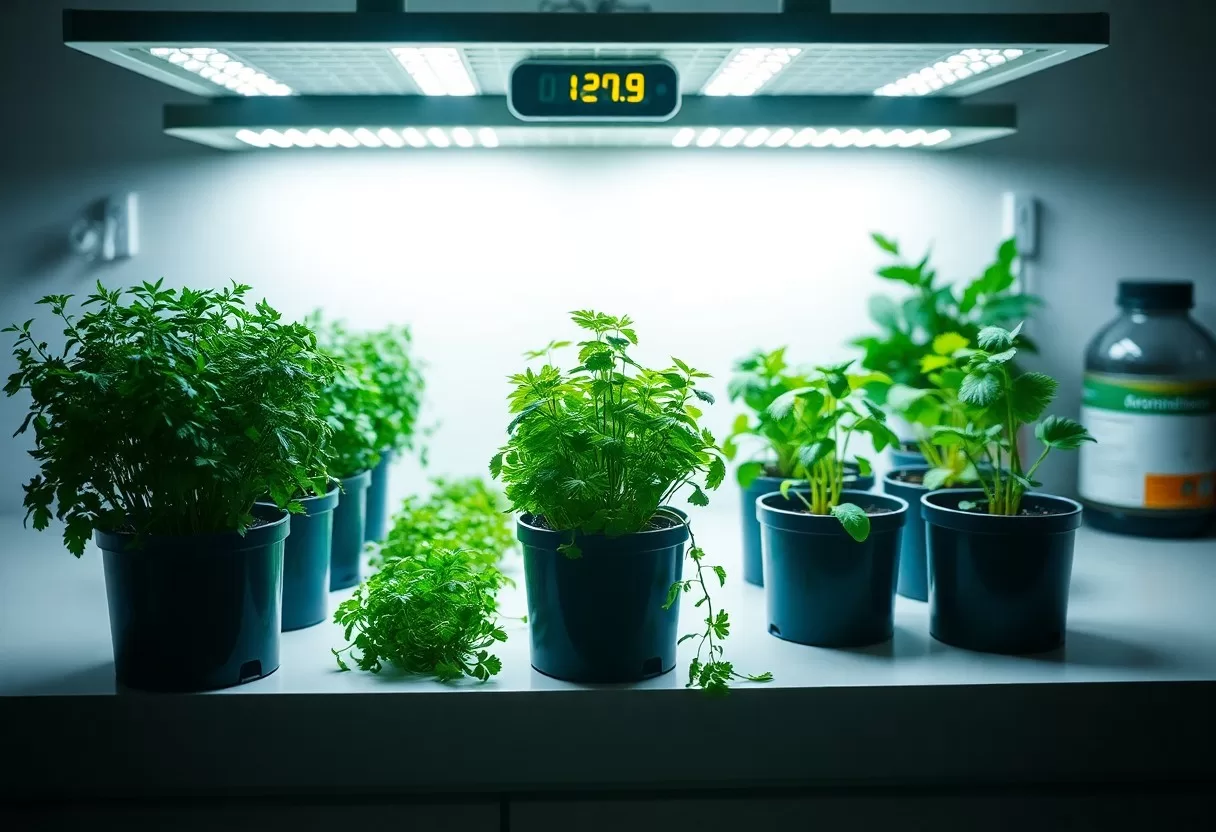
Harvesting your fresh herbs is just as important as growing them. Start by gently snipping stems rather than uprooting the entire plant to encourage ongoing growth. Ideally, take leaves from the top and outer edges, allowing the center to flourish. Frequent harvesting promotes bushier plants, enhancing your yield. Store your cut herbs in a glass of water on your counter, or wrap them in a damp paper towel and place them in a plastic bag in the fridge for longer freshness.
Techniques for Maximum Yield
To achieve maximum yield, employ the technique of regular pruning. Removing the top leaves encourages branching, resulting in a fuller plant. Additionally, use clean, sharp scissors or snippers to avoid damaging the plant. Aim to harvest no more than a third of the plant at any given time. This ensures that the remaining leaves can generate energy through photosynthesis, promoting healthy growth.
Culinary Uses for Fresh Herbs
Fresh herbs add a burst of flavor and complexity to your dishes. Basil enhances Italian sauces, cilantro brings vibrancy to Mexican cuisine, and mint refreshes drinks and desserts. Consider using herbs not just as garnishes, but also as fundamental flavors. Think about incorporating tarragon into salad dressings or adding dill to fish dishes for a gourmet touch.
Creating dishes that highlight your fresh herbs can elevate ordinary meals into extraordinary experiences. For example, consider making a pesto with garden-fresh basil—it’s not just for pasta. You can also blend it into dressings, spread on sandwiches, or even as a dip. Incorporate finely chopped parsley into grain salads for freshness, or muddle mint into cocktails like mojitos for a refreshing twist. The versatility of herbs allows you to experiment endlessly in your kitchen, turning each meal into a flavorful adventure that showcases your indoor garden’s bounty.
Conclusion
Drawing together the tips and techniques shared, growing fresh herbs indoors all year round is both rewarding and achievable. By choosing the right containers, utilizing quality soil, ensuring adequate light, and maintaining appropriate watering routines, you can create an ideal environment for indoor herb gardening. Embrace the process, experiment with different varieties, and enjoy the vibrant flavors and aromas your home-grown herbs will bring to your culinary creations. With a little care and attention, your indoor herb garden can thrive and flourish throughout every season.
FAQ
Q: What types of herbs can I successfully grow indoors year-round?
A: Many herbs thrive indoors throughout the year, including basil, parsley, cilantro, mint, chives, oregano, and thyme. These herbs are well-suited for indoor growth due to their relatively low light and space requirements.
Q: What kind of lighting is best for indoor herb gardens?
A: Ideally, indoor herbs need about 12-14 hours of light each day. If natural sunlight is limited, consider using grow lights, which provide the specific light spectrum that herbs need to grow robustly. LED grow lights are an energy-efficient option that produces minimal heat.
Q: How often should I water my indoor herbs?
A: Watering frequency depends on the herb type, pot size, and indoor climate. Generally, it’s best to water when the top inch of soil feels dry. Make sure pots have drainage holes, as overwatering can lead to root rot. Adjust your watering routine based on seasonal temperature and humidity changes.
Q: What type of soil is ideal for growing herbs indoors?
A: A high-quality potting mix designed for indoor plants works best for growing herbs. Look for a mix that has good drainage and aeration, often containing components like peat moss, perlite, or vermiculite. Avoid using garden soil, as it may contain pests and diseases.
Q: How can I maintain healthy herbs indoors when space is limited?
A: To optimize space, consider using tiered plant stands or hanging pots which allow you to grow multiple pots while ensuring they receive adequate light. Regular pruning encourages bushier growth, while keeping herbs in smaller, manageable pots can prevent overcrowding. Rotate your plants to ensure all receive equal light exposure.